

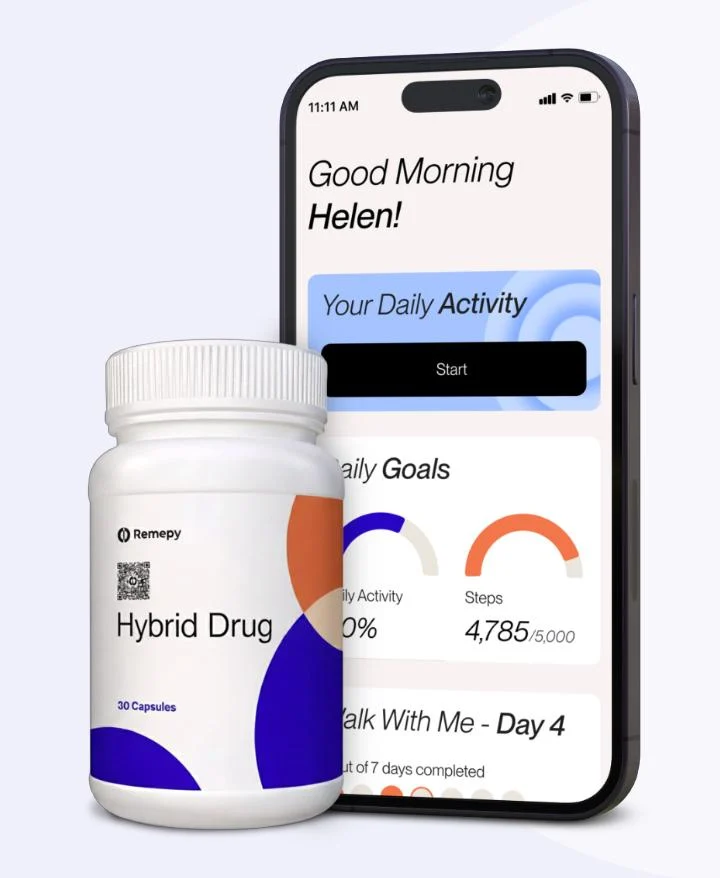
In a move that signals a significant shift in pharmaceutical innovation, Merck KGaA has announced a strategic collaboration with Remepy, an Israeli-US startup, to develop a novel class of treatments termed "Hybrid Drugs." This groundbreaking initiative aims to seamlessly integrate pharmaceutical therapies with personalized, app-based digital interventions, initially targeting rare oncology indications. This partnership marks a pivotal moment, representing the first major foray by a large pharmaceutical company into the burgeoning field of integrated digital therapeutics, a domain poised to redefine patient care and drug development paradigms.
The core of this collaboration lies in the creation of a singular product that combines a drug with a digital therapeutic. This integrated approach is designed not only to enhance patient outcomes beyond what a drug alone can achieve but also to strategically sidestep the complex reimbursement hurdles often associated with standalone digital therapies. By presenting a unified treatment solution, Merck KGaA and Remepy intend to streamline market access and ensure a more cohesive patient experience. The financial specifics of the deal have not been disclosed, but Remepy is positioned to benefit from development support, milestone payments, and royalties upon successful commercialization of any resulting therapies.
The initial focus of this alliance will be on a confidential rare cancer indication. This strategic choice is underpinned by the understanding that patients with rare diseases often face significant challenges in accessing specialized care and comprehensive information. Dr. Michal Tsur, PhD, co-founder and co-CEO of Remepy, highlighted the profound value that multi-disciplinary care, facilitated by digital tools, can bring to this patient population. "Drug-software solutions are particularly rewarding in the context of rare disease, as patients often have limited access to care and information—which an app can help to provide," Dr. Tsur explained to Pharmaceutical Technology. This sentiment underscores the potential of digital therapeutics to bridge critical gaps in care delivery for underserved patient groups.
While the current collaboration is specifically geared towards rare cancers, both Merck KGaA and Remepy have acknowledged the potential for future expansion into additional therapeutic areas. These future plans, however, remain under wraps, leaving room for anticipation regarding the broader impact of this innovative model. The ultimate ambition of this partnership is to achieve the commercialization of a drug-software combination as a single, unified product—a feat that has yet to be accomplished by any other entity in the pharmaceutical landscape.
Differentiating Drugs Through Integrated Digital Technologies
The pharmaceutical industry is continuously seeking novel avenues to improve patient outcomes and differentiate its offerings in increasingly competitive markets. Dr. Tsur posits that the integrated drug-software approach offers a compelling solution, enabling the delivery of "the best multidisciplinary treatment in a single prescription." This holistic model moves beyond traditional pharmaceutical interventions by incorporating digital tools that can monitor patient progress, provide personalized feedback, and facilitate adherence to treatment regimens.
This dual-pronged strategy not only aims to enhance therapeutic efficacy but also provides a strategic advantage in crowded drug markets. By offering a more comprehensive treatment solution, companies can carve out a unique market position. Furthermore, by bundling the digital component with the pharmaceutical, companies can circumvent the often-arduous reimbursement pathways that have historically been a significant barrier for standalone digital therapeutics. This integrated approach offers a more streamlined path to market and adoption.
The potential to elevate the treatment process is another significant aspect of this collaboration. Dr. Tsur elaborated that physicians can prescribe a "Hybrid Drug" where both the pharmaceutical and the digital therapeutic components have undergone rigorous clinical validation and have demonstrated a known effect size when used in tandem. "In certain Hybrid Drug trials, we’ve seen that we can double the effect size of a standalone drug through multidisciplinary care, overcoming the drug ceiling effect," she commented. This suggests that the synergistic interaction between a drug and its accompanying digital therapeutic can unlock a level of efficacy that surpasses the sum of their individual parts, offering a substantial leap in treatment effectiveness.

Navigating the Regulatory Landscape for Digital Therapeutics
The path to market for integrated drug-digital therapeutic solutions involves navigating a complex regulatory environment, particularly in the United States. Unlike traditional pharmaceuticals, digital therapeutics, even when integrated into a drug-software combination, must undergo rigorous clinical trials, akin to Phase I-III studies for new medicines, to secure regulatory approval. Dr. Tsur outlined two primary regulatory avenues available in the US for such innovations.
The first is the "traditional combination product pathway." Under this framework, a drug and its associated software are evaluated and approved as a single, novel treatment entity. This approach treats the combined product as a unified medical intervention from the outset. The second pathway leverages the Prescription Drug Use-Related Software (PDURS) framework. This allows companies to seek a label expansion for an existing drug, incorporating the digital therapeutic’s effects as an enhancement to the drug’s established therapeutic use. This can be a more efficient route for established drugs, allowing for the integration of digital components without requiring a full re-approval of the drug itself.
While US regulators have demonstrated an increasing openness to digital technologies in healthcare, the European Medicines Agency (EMA) has yet to establish a policy comparable to the PDURS framework. However, Dr. Tsur anticipates that as more companies begin to launch such integrated products in the US market, there will be mounting pressure on European regulatory bodies to develop similar policies to facilitate the adoption of these innovative treatments across broader geographical regions.
Dr. Tsur further projected that as the "Hybrid Drug" model gains traction, companies will likely employ both regulatory strategies. Businesses with mature pharmaceutical products might leverage the PDURS framework to enhance the value and differentiation of their existing offerings. Conversely, newer companies or those developing novel drug-software combinations from the ground up may opt for the comprehensive combination product pathway to establish their integrated treatments in the market. This dual regulatory approach provides flexibility and caters to different stages of product development and market maturity.
Seeking Success Through the Hybrid Drug Model
The successful implementation of an integrated drug-digital therapeutic hinges on several critical factors, according to Dr. Tsur. Firstly, the chosen indication must present a significant unmet medical need and exhibit strong disease heterogeneity. These characteristics increase the likelihood that a combination therapy will have a meaningfully impactful effect size, addressing complex patient needs that a single modality might struggle to resolve.
Secondly, the indication should be one where patients are actively seeking non-pharmaceutical adjunct treatment options. A patient population already receptive to complementary therapies is more likely to adhere to the prescribed "Hybrid Drug" regimen and fully realize its benefits. This patient-driven demand can significantly contribute to the overall success and adoption of the integrated treatment.
From an efficacy standpoint, Dr. Tsur emphasized the importance of gathering robust mechanistic data. This data should elucidate how the digital therapeutic and the drug collectively influence clinical scales, biomarkers, and surrogate endpoints within the specific disease context. By demonstrating the synergistic mechanisms of action, researchers can provide strong clinical validation for how and why the combination therapy surpasses the independent benefits of the drug alone. This evidence base is crucial for regulatory approval, market acceptance, and ultimately, for improving patient lives.
The collaboration between Merck KGaA and Remepy represents a significant stride towards realizing the full potential of digital therapeutics, not as standalone entities, but as integral components of a comprehensive treatment strategy. This "Hybrid Drug" model, by merging pharmaceutical innovation with cutting-edge digital technology, holds the promise of ushering in a new era of personalized and highly effective patient care, particularly for those facing rare and challenging diseases. The successful navigation of regulatory pathways and the meticulous gathering of scientific evidence will be key to unlocking the transformative power of this pioneering approach.
















Leave a Reply