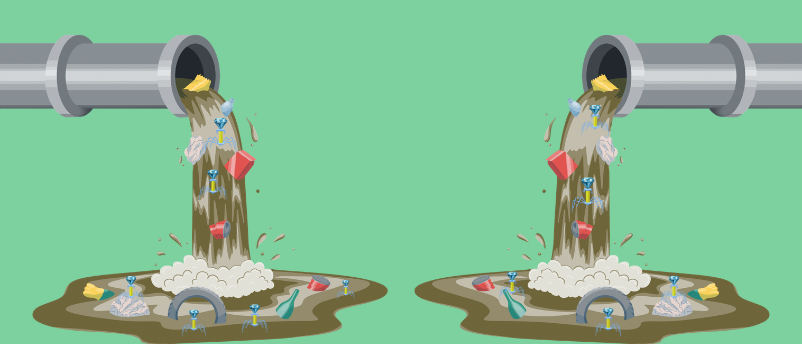
The discovery of a potent bacteriophage, designated W5, offers a significant breakthrough in the global fight against Salmonella contamination, a persistent and costly threat to public health and food safety. Researchers from Gansu Agricultural University in Lanzhou, China, led by senior author Huitian Gou, have successfully isolated and characterized this novel lytic phage from the unlikely sources of slaughterhouse wastewater and poultry farm effluent, demonstrating its remarkable efficacy against multiple Salmonella serovars and its ability to combat problematic biofilms across various food matrices and surfaces. This innovative approach presents a promising biological alternative to conventional antibiotic treatments, which are increasingly hampered by the rise of antimicrobial resistance.
The Pervasive Threat of Salmonella and the Challenge of Antibiotic Resistance
Salmonella remains one of the leading causes of foodborne illness worldwide, posing a considerable public health burden. The Centers for Disease Control and Prevention (CDC) reported in a 2023 screen that over 7,000 cases of Salmonella poisoning were confirmed in 16% of the U.S. population, with an alarming hospitalization rate of 29%. Globally, the World Health Organization estimates that non-typhoidal Salmonella causes 93.8 million cases of gastroenteritis and 155,000 deaths annually, with a significant proportion linked to contaminated food products. Common symptoms range from fever, diarrhea, and abdominal cramps to severe, life-threatening infections, particularly in vulnerable populations such as young children, the elderly, and immunocompromised individuals.
Poultry and poultry products are frequently implicated as major sources of Salmonella transmission to humans. In an effort to mitigate infection rates and ensure animal health, poultry farmers often administer antibiotics to their livestock. While effective in the short term, this widespread use of antibiotics in agriculture has contributed significantly to the acceleration of antimicrobial resistance (AMR), a global health crisis. The World Health Organization (WHO) identifies AMR as one of the top 10 global health threats facing humanity. Resistant Salmonella strains make infections harder to treat, leading to prolonged illness, increased hospitalization, and higher mortality rates. The economic impact is also substantial, encompassing healthcare costs, lost productivity, and extensive food recalls.
Further complicating the issue is Salmonella‘s remarkable ability to form tightly packed biofilms. These protective microbial communities adhere to surfaces, making bacteria significantly more resistant to sanitizers, disinfectants, and even harsh cleaning chemicals. This resilience renders traditional hygiene practices and pharmacological interventions less effective, highlighting the urgent need for novel, sustainable solutions that can overcome both antibiotic resistance and biofilm formation.
The Promise of Phage Therapy: A Natural Solution Emerges
In this challenging landscape, bacteriophages – naturally occurring viruses that specifically infect and kill bacteria – are emerging as a highly promising "green" alternative. Discovered independently by Frederick Twort in 1915 and Félix d’Hérelle in 1917, bacteriophages have been studied for their antibacterial properties for over a century. D’Hérelle, in particular, recognized their therapeutic potential, pioneering the concept of "phage therapy."
Unlike broad-spectrum antibiotics, phages are highly specific, targeting only particular bacterial species or strains without harming beneficial microbiota or human cells. This specificity is a major advantage, reducing the risk of dysbiosis (imbalance of gut flora) and the selective pressure that drives antibiotic resistance. Lytic phages, like W5, replicate rapidly within the bacterial host and then burst the cell, releasing new phage particles to infect more bacteria. This self-replicating nature means that a small initial dose can lead to a significant reduction in bacterial populations.
The regulatory landscape for phage application is also evolving. The U.S. Food and Drug Administration (FDA) has already granted "Generally Recognized As Safe" (GRAS) status to numerous lytic phages for use in various food applications, including meat and poultry products, highlighting their safety profile. Previous research has demonstrated the effectiveness of certain phages in reducing Salmonella populations on chicken skin. However, despite these promising laboratory results, there has been a recognized shortfall in evidence regarding their real-world efficacy across the diverse spectrum of food systems, prompting the Gansu Agricultural University team’s comprehensive investigation.
The Search for a Novel Phage: Unearthing W5
Driven by the imperative to address the gap in practical application data, the research team embarked on a systematic quest to identify a novel phage strain with robust anti-Salmonella properties. Their strategy involved screening environmental samples where Salmonella is prevalent, specifically slaughterhouse wastewater and poultry farm effluent. While the task of sifting through these unappealing sources might seem arduous, it reflects a targeted scientific approach, as these environments are rich reservoirs of both bacteria and the phages that naturally prey on them.
Using the double-layer agar assay protocol, a standard method for phage isolation and enumeration, the researchers meticulously screened for bacteriophages exhibiting lytic activity against common Salmonella strains. This rigorous screening process bore fruit, leading to the isolation of a novel lytic phage, which they named W5. Initial assessments revealed W5’s potent effect against an impressive nine Salmonella serovars, indicating a broad-spectrum efficacy within the Salmonella genus, a critical attribute for a practical food safety intervention.
Characterizing W5: Stability, Genomics, and Potency
Following its isolation, W5 underwent extensive morphological and biological characterization to understand its fundamental properties and ensure its suitability for real-world applications. Whole-genome sequencing, performed using the advanced PacBio Sequel II platform (PacBio, CA, USA), was crucial in identifying W5 as a Cornellvirus. This classification places W5 within a known lineage of bacteriophages, providing important insights into its genetic makeup and evolutionary history.
Genomic analysis went beyond classification, serving a vital safety function. The researchers confirmed that phage W5 lacks any virulence genes, which are genetic elements that could contribute to bacterial pathogenicity, or antibiotic resistance genes, which could inadvertently transfer resistance to other bacteria. This robust safety profile is paramount for any biological agent intended for use in the food chain, addressing a key concern for regulators and consumers alike.
Further biological characterization focused on W5’s stability under varying environmental conditions. The team determined that W5 exhibits remarkable stability, maintaining its lytic activity across a broad pH range of 3 to 13 and remaining effective at temperatures up to 50°C. This exceptional stability is a critical factor for practical application, as food processing environments often involve significant fluctuations in temperature and pH, from cold storage to cooking temperatures and acidic marinades to alkaline cleaning solutions. W5’s resilience ensures its potential viability across diverse stages of the food supply chain.
Disrupting Biofilms: W5’s Targeted Attack
One of the most significant findings of this study was W5’s remarkable ability to tackle Salmonella biofilms. To comprehensively assess this capability, the researchers employed parallel experiments using crystal violet staining and confocal laser scanning microscopy. These techniques allowed them to quantitatively and visually evaluate W5’s effectiveness in both preventing the formation of new biofilms and disrupting established ones.
The testing was conducted in a range of relevant food matrices, simulating real-world scenarios. These included pasteurized milk, raw pork, liquid whole egg, and eggshell surfaces at different developmental stages. Furthermore, experiments were carried out at two critical temperatures: 4°C (typical refrigeration temperature) and 30°C (relevant to ambient conditions during processing or transport). Both experimental approaches consistently demonstrated W5’s dual capability: it could effectively prevent Salmonella from forming biofilms and, crucially, break up existing, established biofilms, thereby eliminating the bacteria embedded within them. Optimal performance was observed at 30°C, indicating its strong potential in environments where Salmonella can actively grow.
Beyond food matrices, the study also investigated W5’s performance on food contact material surfaces, a critical area for cross-contamination control in food processing plants. Field emission scanning electron microscopy (FESEM) provided high-resolution visual evidence of W5’s success in disintegrating biofilms on these surfaces. The results showed consistently strong performance, though the optimal conditions for biofilm disruption varied depending on temperature, the maturity of the biofilm, and the specific material surface. This detailed understanding allows for tailored application strategies to maximize W5’s effectiveness in different industrial settings.
A "Precision-Guided Missile" for Food Safety
Commenting on the groundbreaking success of this study, senior author Huitian Gou enthusiastically declared, "We have discovered a safe and highly effective natural virus (bacteriophage W5) that functions like a precision-guided missile, capable of eliminating harmful Salmonella on various foods and packaging materials, showing great potential as a novel guardian for food safety." Gou’s analogy underscores the highly specific and potent nature of W5’s action. He further reinforced the safety aspects, stating, "Genomic analysis further confirms its safety profile, as it lacks virulence and antibiotic resistance genes." This reassurance is vital for public acceptance and regulatory approval of phage-based interventions.
The research team also emphasized the ecological benefits of W5. As a natural biological entity, phage W5 offers a "green solution" to decontamination, significantly reducing the reliance on harsh chemical sanitizers and disinfectants. This aligns with a growing global demand for more sustainable and environmentally friendly practices in agriculture and food production, minimizing chemical residues and potential environmental pollution.
The "Farm-to-Fork" Vision: Transforming the Food Supply Chain
The potential applications of phage W5 extend across the entire food supply chain, from animal farming to the consumer’s plate. Gou articulated a comprehensive "farm-to-fork" vision: "We firmly believe that phage W5 holds immense potential for seamless integration across the entire farm to fork supply chain. It can be incorporated into multiple critical stages – for instance, as a feed additive in livestock farming, a surface disinfectant in meat processing plants or even a preservative spray for fresh produce at the consumption end."
This multi-faceted approach promises to tackle Salmonella at various critical control points:
- Feed Additive in Livestock Farming: Administering W5 as a feed additive could reduce Salmonella colonization in the gut of poultry, thereby decreasing the prevalence of the pathogen entering the food chain from the primary production stage. This preventative measure could significantly lower the initial Salmonella load.
- Surface Disinfectant in Meat Processing Plants: Given its efficacy against biofilms on material surfaces, W5 could be incorporated into cleaning and sanitation protocols for processing equipment, cutting surfaces, and cold storage facilities. This would help prevent cross-contamination and ensure a more sterile environment.
- Preservative Spray for Fresh Produce: Applying W5 as a spray on fresh produce or even meat products could provide an additional layer of protection, inhibiting Salmonella growth and biofilm formation during transportation, retail, and storage, thus extending shelf life and enhancing consumer safety.
- Packaging Materials: W5 could potentially be integrated into active packaging solutions, where the phage is embedded in the packaging material to continuously combat Salmonella contamination on the food surface.
Broader Implications and Future Outlook
The implications of the W5 discovery are profound, potentially impacting public health, the food industry, and the broader fight against antimicrobial resistance. Food safety experts and public health officials would undoubtedly welcome such a targeted and environmentally friendly tool. The ability of W5 to disrupt biofilms is particularly significant, as these structures are a major hurdle in effective sanitation and a source of persistent contamination in food processing environments.
Economically, the widespread adoption of phage W5 could lead to substantial benefits. A reduction in Salmonella outbreaks would translate into fewer costly product recalls, lower healthcare expenditures, and increased consumer confidence in food products. For the poultry industry, specifically, a reliable method to reduce Salmonella prevalence could enhance market access and improve overall operational efficiency.
This research aligns perfectly with global efforts to find alternatives to antibiotics and to implement more sustainable food production practices. As regulatory bodies worldwide continue to scrutinize antibiotic use in agriculture, phage therapy offers a viable path forward that supports both animal health and human well-being without exacerbating the AMR crisis.
Looking ahead, Gou expressed a clear vision for commercialization: "We eagerly look forward to collaborating with industry partners to translate this effective green solution from the laboratory to the market, working together to safeguard food safety." The next steps will involve scaling up production, conducting extensive field trials to validate efficacy under diverse commercial conditions, and navigating the regulatory approval processes in different jurisdictions. The successful translation of phage W5 from a laboratory discovery to a widely implemented food safety tool would represent a monumental step forward in safeguarding global food supplies and public health against the persistent threat of Salmonella. The "precision-guided missile" is ready for deployment, promising a cleaner, safer food future.