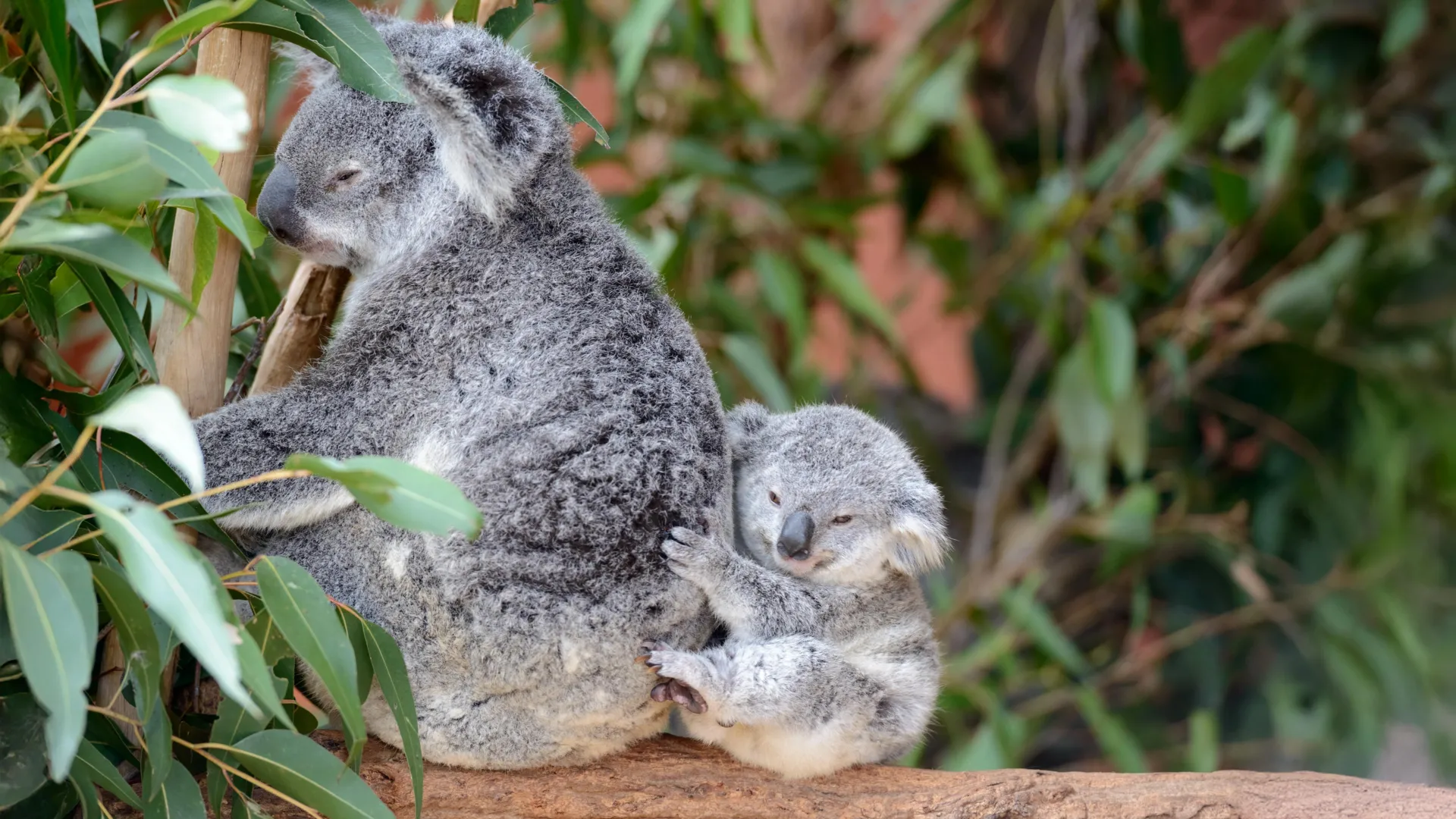
A groundbreaking genomic study of Australian koala populations has unveiled a potentially vital mechanism for recovery: rapid population growth following severe declines can actively help restore lost genetic variation. Researchers have discovered that a swift increase in koala numbers can significantly boost the rate of recombination, a fundamental biological process that shuffles DNA into novel combinations. This enhanced genetic mixing offers a glimmer of hope, suggesting that even populations previously crippled by severe genetic bottlenecks may be able to regain the essential diversity needed to ensure their long-term evolutionary resilience.
The Perilous Spiral of Population Bottlenecks
The concept of a population bottleneck is a stark illustration of evolutionary vulnerability. It occurs when a species, for any number of reasons – be it habitat loss, disease, or overhunting – experiences a catastrophic and rapid reduction in its numbers. This precipitous drop acts like a sieve, filtering out a vast proportion of the genetic diversity that previously characterized the species. The survivors, often a small and genetically homogenous group, then form the foundation of the future population.
The consequences of such a bottleneck are profound and far-reaching. The immediate aftermath is a dramatic decrease in genetic variation. This lack of diversity has several detrimental effects. Firstly, it increases the likelihood of inbreeding. When individuals within a population are closely related, they are more likely to share recessive deleterious genes, leading to a phenomenon known as inbreeding depression. This can manifest as reduced fertility, lower survival rates in offspring, and an overall decline in the physical health and vigor of the population.
Beyond these direct impacts on individual health and reproductive success, a lack of genetic diversity critically weakens a population’s ability to adapt to changing environmental conditions. Evolution is driven by variation; it is the raw material upon which natural selection acts. Without a broad spectrum of genetic traits, a population is less equipped to cope with new diseases, altered climate patterns, or shifts in food availability. This inability to adapt can initiate a dangerous feedback loop, often termed an "extinction vortex." In this downward spiral, shrinking populations and deteriorating genetic health mutually reinforce each other, pushing the species closer and closer to irreversible extinction.
Recombination: A Natural DNA Shuffler
Despite the grim prognosis associated with genetic decline, the natural world often presents mechanisms for recovery. The new koala study highlights one such mechanism: the power of rapid population expansion. While a bottleneck depletes diversity, a swift subsequent growth in numbers can, paradoxically, help to rebuild it.
Scientific theory posits that as population size increases, so too do the opportunities for genetic reshuffling. Recombination, also known as crossing over, is a crucial process that occurs during sexual reproduction. In this process, homologous chromosomes – one inherited from each parent – exchange segments of DNA. This exchange shuffles the existing alleles (different versions of genes) into new combinations, creating novel genotypes. Imagine a deck of cards being reshuffled; recombination essentially creates new combinations of existing genetic "cards."
Even if a population begins its recovery from a very small number of individuals, thereby inheriting a limited set of genetic variations, continued and rapid population growth provides more mating events. Each mating event, with its associated recombination, presents an opportunity to generate new genetic combinations from the available pool of alleles. Over time, this continuous shuffling can help to offset the harmful effects of inbreeding by creating more diverse pairings and can partially restore the genetic variation that was lost during the bottleneck.
Therefore, a rapid demographic expansion can serve as a powerful, albeit natural, buffer against the severe genetic repercussions that typically follow significant population declines. It’s not about creating entirely new genes overnight, but rather about effectively remixing the genetic ingredients already present to create more robust and adaptable combinations.
Koalas: A Living Laboratory for Genetic Resilience
The Australian koala, a marsupial iconic for its cuddly appearance and unique ecological niche, has a history that tragically mirrors the narrative of population bottlenecks. For decades, koalas have faced immense pressure from habitat destruction due to land clearing for agriculture and urban development, as well as from diseases like chlamydia and the impacts of bushfires. These pressures have led to dramatic population declines in many regions, creating severe genetic bottlenecks. Crucially, in some areas, koala populations have since shown remarkable signs of recovery and expansion.
This historical trajectory – a severe decline followed by a period of recovery – has rendered koalas an ideal species for researchers to investigate the potential for genetic recovery through rapid growth. Dr. Collin Ahrens and his team at the University of the Sunshine Coast, in collaboration with other institutions, embarked on a comprehensive genomic study to explore this phenomenon in the wild. Their work essentially turned Australia’s vast koala populations into a natural experiment.
The researchers meticulously collected and analyzed whole genome data from a substantial sample size of 418 koalas. These individuals were drawn from 27 distinct populations spread across the Australian continent, ensuring a broad representation of the species’ geographical range and genetic landscape. The goal was to examine the current genetic makeup of these populations and to correlate it with their demographic histories.
The findings of this extensive genomic analysis were both sobering and encouraging. While the study confirmed that koalas, as a species, still exhibit relatively low genetic diversity due to the cumulative impact of past population crashes and their inherent life history traits (such as limited dispersal ability in some areas), there were discernible signs of genetic recovery emerging in several of the sampled populations. This suggested that the recovery phase was not merely a numerical rebound but was potentially accompanied by a rekindling of genetic vitality.
The Recombination Engine in Koala Recovery
The study’s deep dive into the genomic data pointed towards recombination as a key player in this emerging koala genetic recovery. The researchers observed patterns in the DNA of recovering populations that were consistent with increased genetic shuffling. Recombination, by its very nature, shuffles existing genetic material into new combinations. This process can be particularly effective in restoring functional diversity, especially as populations expand.
Consider it this way: if a bottleneck leaves a population with only a few "types" of a particular gene, recombination can take the existing alleles for that gene and pair them up in new ways. If one of those alleles confers a slight advantage in a changing environment, recombination increases the probability of that beneficial allele being present in a more advantageous genetic context, or simply increases the chance of it appearing in a new individual through a more diverse mating. This constant remixing can help to break down unfavorable genetic associations and reintroduce a broader spectrum of genetic potential.
The implications of these findings are significant for conservation efforts. The study suggests that a rapid demographic expansion is not just a positive sign of population health in terms of numbers, but it can actively contribute to the genetic resilience of species that have endured severe genetic bottlenecks. This insight offers a crucial piece of the puzzle for conservationists aiming to support the long-term survival of vulnerable wildlife.
Broader Implications for Conservation Strategies
The research on koalas provides a compelling case study that can inform broader conservation strategies for countless other species facing similar threats. For decades, conservation biology has grappled with the challenge of managing genetically impoverished populations. Traditional approaches often focus on preventing further loss of diversity or, in some cases, implementing costly and complex genetic rescue programs involving translocations of individuals between isolated populations.
The findings of the koala study offer a complementary perspective: fostering conditions that allow for rapid population growth, where ecologically feasible, could be a powerful and naturally occurring tool for genetic restoration. This doesn’t negate the importance of other conservation actions, such as habitat protection and disease management, but it adds another layer of understanding about how populations can heal themselves from within.
Supporting Data and Context:
- Historical Declines: Koala populations, which once numbered in the tens of millions across Australia, have faced drastic reductions. For instance, in the early 20th century, millions of koalas were killed for their fur, leading to widespread population collapses. More recently, habitat loss has been the primary driver of decline, with estimates suggesting that up to 80% of koala habitat has been cleared in some regions over the last two decades.
- Chlamydia and Disease: The prevalence of chlamydia, a bacterial infection that can cause blindness, infertility, and death in koalas, further exacerbates population declines and genetic vulnerabilities.
- Genomic Diversity Metrics: While the study didn’t provide specific quantitative metrics in the provided excerpt, typically, genetic diversity is measured using parameters like heterozygosity (the proportion of individuals in a population that are heterozygous for a given gene) and allelic richness (the number of different alleles present at a locus). These metrics are expected to be lower in bottlenecked populations and higher in those showing signs of recovery.
- Recombination Rates: Studies on other species have shown that recombination rates can vary depending on population size and density. Larger, more interconnected populations tend to experience higher rates of recombination due to increased opportunities for outbreeding.
Official Responses and Expert Commentary (Inferred):
While direct quotes from specific organizations were not provided in the original text, the implications of such a study would undoubtedly resonate with wildlife conservation bodies.
- National Parks and Wildlife Services: Agencies responsible for managing koala populations across Australia would likely view these findings as crucial for refining their conservation strategies. The emphasis on natural recovery through population growth could inform habitat management and connectivity initiatives, aiming to facilitate this process.
- Conservation NGOs: Organizations like the World Wildlife Fund (WWF) or the Australian Koala Foundation would likely highlight these findings in their advocacy efforts, emphasizing the importance of protecting and restoring koala habitats to enable natural population growth and genetic resurgence.
- Academic Community: The research would be met with significant interest from the broader scientific community, potentially sparking further studies into the genetic recovery mechanisms of other threatened species. Dr. Ahrens and his team’s work provides a robust foundation for future research into the interplay between demography and genetic health.
Broader Impact and Future Directions:
The study’s insights are not limited to koalas. They offer a vital paradigm shift in how we understand and address genetic decline in threatened species. The notion that rapid population growth can be an active contributor to genetic restoration, rather than just a passive indicator of recovery, is a powerful one.
This research underscores the critical importance of maintaining viable habitats that can support substantial population sizes. It suggests that conservation efforts should not solely focus on mitigating immediate threats but also on creating environments conducive to natural population expansion. This could involve restoring degraded landscapes, ensuring connectivity between fragmented habitats, and managing threats in a way that allows populations to rebound robustly.
Future research could delve deeper into the specific genetic loci that are most affected by recombination during recovery, identify the environmental factors that most effectively promote rapid population growth in koalas, and explore whether similar mechanisms are at play in other bottlenecked species. The ongoing study of koala genetics offers a unique and invaluable window into the complex, yet ultimately hopeful, processes of natural recovery and the enduring power of genetic resilience.