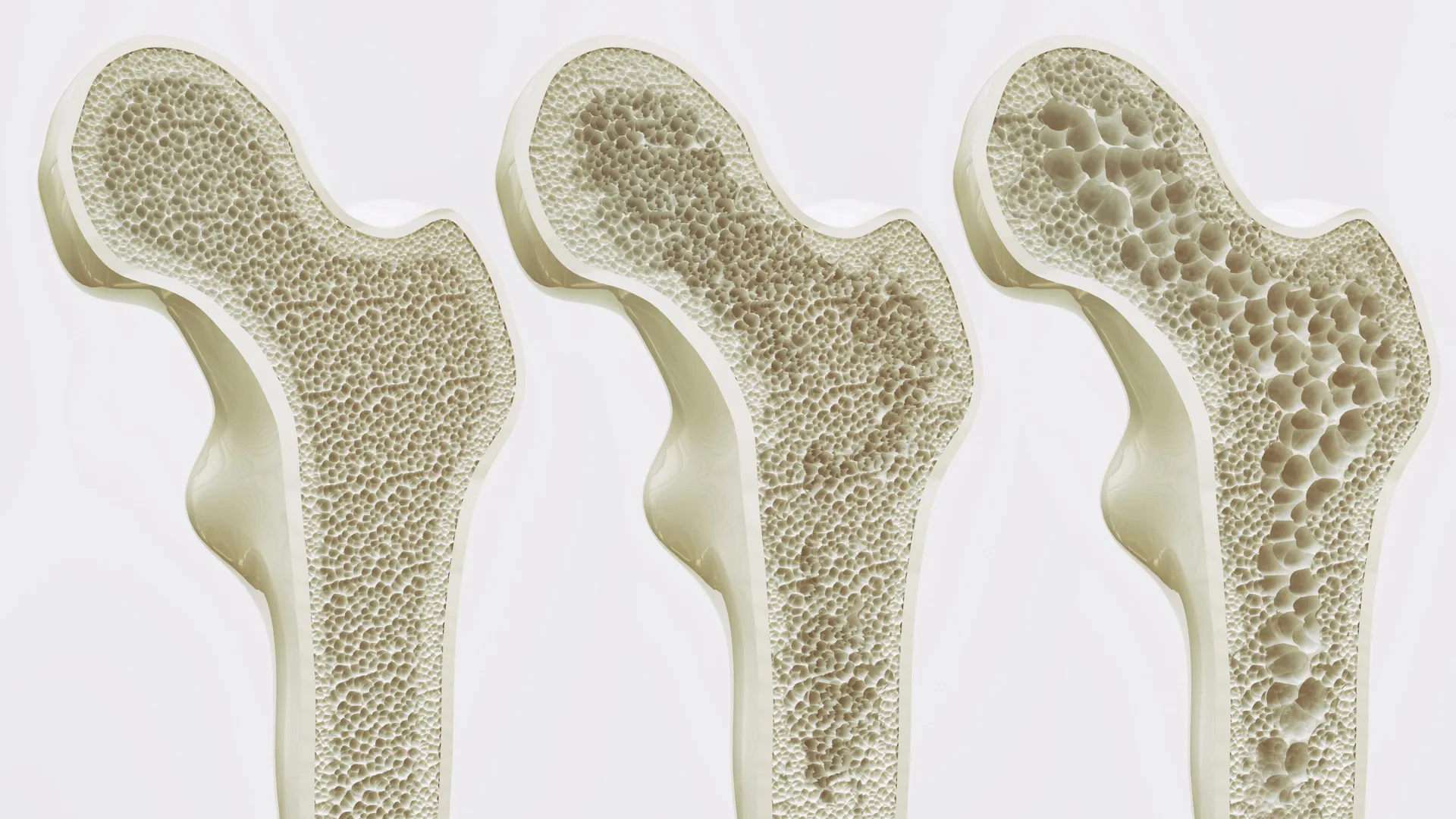
The human bone marrow functions as a biological factory of staggering proportions, generating millions of new blood and immune cells every second of every day. This relentless cycle of renewal is governed by a delicate equilibrium between hematopoietic stem cells (HSCs), specialized supportive stromal cells, and a complex signaling network of cytokines and growth factors. However, as the human body ages, this equilibrium begins to falter under the pressure of chronic inflammation, environmental stressors, and the accumulation of somatic mutations. A groundbreaking international study has now revealed that the secret to understanding blood-related cancers and age-related decline lies not just within the mutated stem cells themselves, but in the "soil" they inhabit—the bone marrow microenvironment.
Published in Nature Communications, the research provides a comprehensive spatial and molecular map of how the bone marrow niche transforms during the early stages of disease. By identifying a hidden inflammatory shift that occurs long before clinical symptoms manifest, the study offers a new paradigm for early intervention in conditions like Clonal Hematopoiesis of Indeterminate Potential (CHIP) and Myelodysplastic Syndromes (MDS).
The Biological Stakes: From CHIP to Myeloid Leukemia
To appreciate the significance of this research, one must understand the progression of age-related blood disorders. CHIP is a condition characterized by the expansion of mutated hematopoietic stem cell clones in individuals who otherwise show no signs of blood disease. While these individuals appear healthy in routine clinical exams, the presence of these clones is a harbinger of future risk. Statistical data indicates that CHIP is present in approximately 10% to 20% of adults over the age of 60, a figure that climbs to nearly 30% in those over 80.
While CHIP is not a cancer in itself, it significantly alters the host’s health profile. Individuals with CHIP face a tenfold increase in the risk of developing hematologic malignancies. Perhaps more surprisingly, the condition is associated with a twofold increase in the risk of cardiovascular disease and a higher rate of all-cause mortality. When these mutated clones continue to evolve or the microenvironment fails to contain them, the condition can progress to Myelodysplastic Syndrome (MDS).
MDS represents a more severe stage of bone marrow failure, affecting roughly 20 out of every 100,000 adults over the age of 70. In patients with MDS, the marrow produces deformed, ineffective blood cells, leading to chronic anemia, infections, and bleeding. Most critically, approximately 30% of MDS cases transition into Acute Myeloid Leukemia (AML), an aggressive and frequently fatal form of cancer. Until now, the medical community has struggled to identify why some individuals with CHIP remain stable for decades while others rapidly progress toward MDS and AML.
Mapping the Microenvironment: A Multidisciplinary Effort
To solve this puzzle, an international research consortium co-led by Professor Judith Zaugg of EMBL and the University of Basel, and Dr. Borhane Guezguez of University Medical Center (UMC) Mainz, conducted an exhaustive analysis of human bone marrow samples. The study utilized the BoHemE cohort, a collaborative effort involving the National Center for Tumor Diseases (NCT) in Dresden.
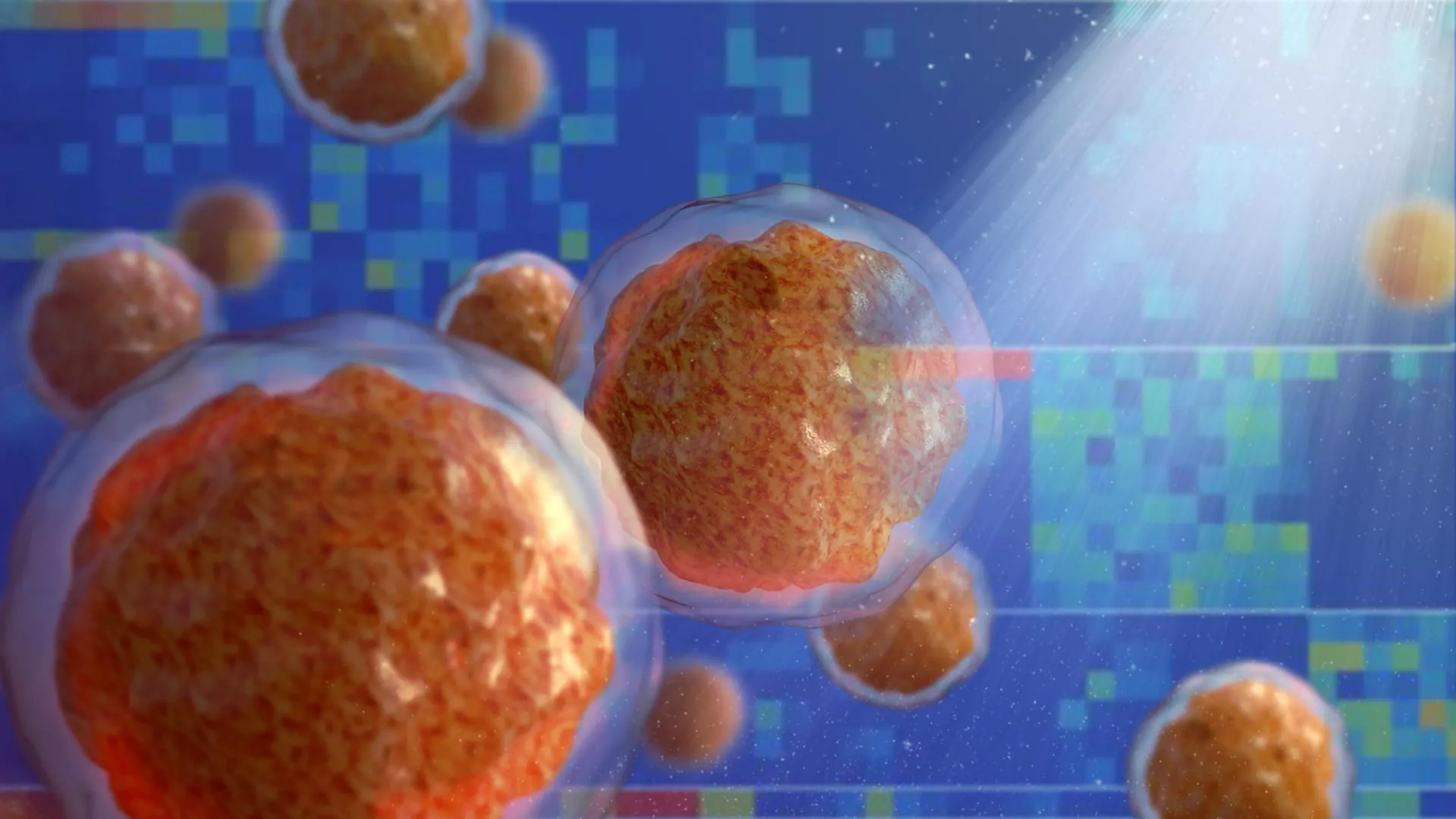
The team employed an array of advanced technologies to dissect the cellular landscape of the marrow. This included single-cell RNA sequencing (scRNA-seq), high-resolution biopsy imaging, proteomics, and sophisticated co-culture models. By comparing samples from healthy donors, individuals with CHIP, and patients diagnosed with MDS, the researchers were able to visualize the transition of the marrow from a supportive niche into a pro-inflammatory environment.
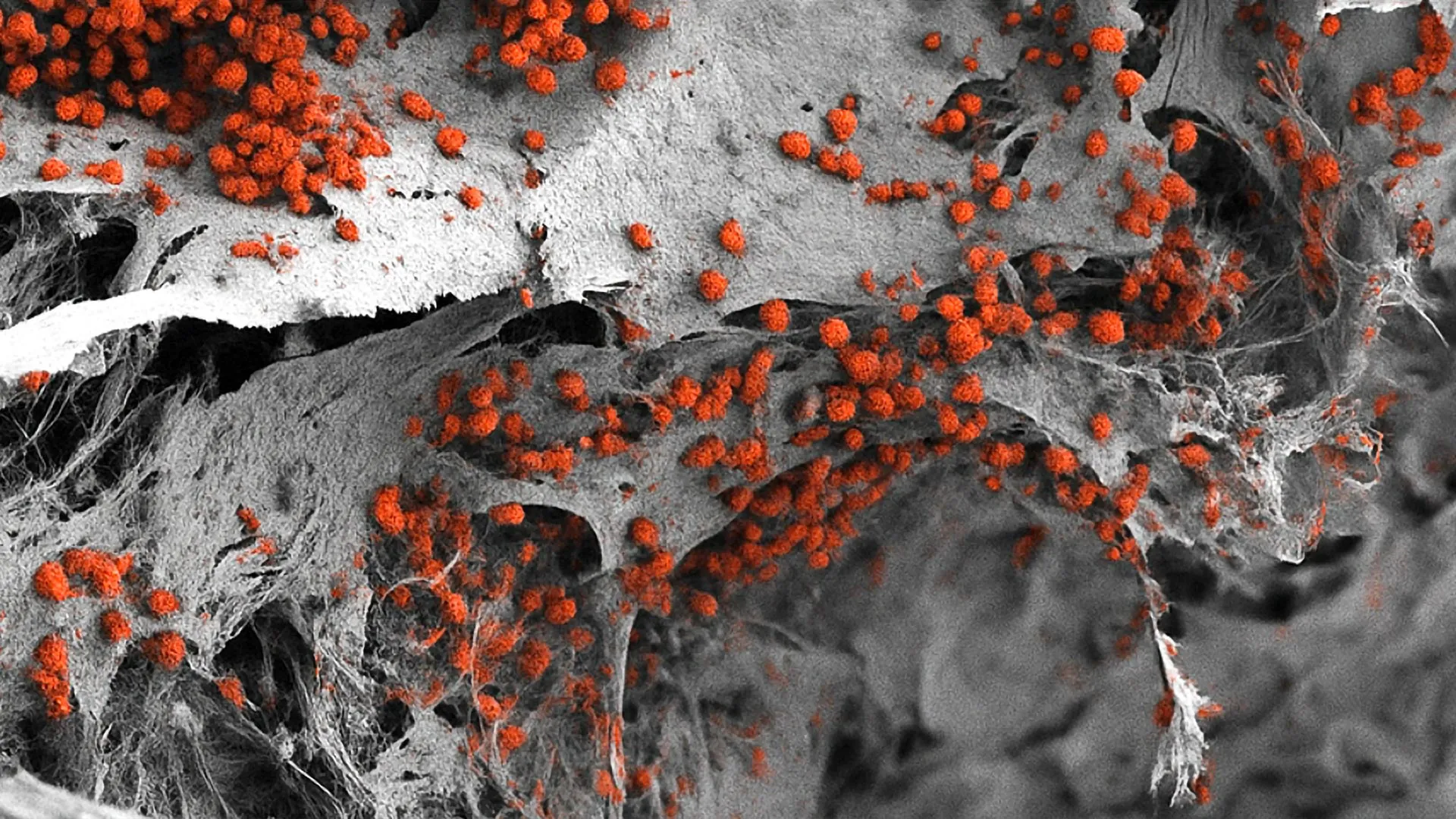
The central discovery of the study was an unexpected cellular metamorphosis. The researchers found that the traditional mesenchymal stromal cells (MSCs)—the "architects" of the marrow that provide essential nutrients and structural support to stem cells—are gradually replaced by a specialized population of inflammatory stromal cells (iMSCs).
The Rise of Inflammatory Stromal Cells and the T-Cell Loop
The emergence of iMSCs marks a critical turning point in the health of the bone marrow. Unlike their healthy counterparts, iMSCs are characterized by the hyper-production of interferon-induced cytokines and chemokines. These molecular signals act as a beacon for the immune system, specifically attracting and activating interferon-responsive T cells.
This interaction creates what the researchers describe as a "feed-forward loop." The activated T cells further stimulate the stromal cells, which in turn produce more inflammatory signals. This chronic state of inflammation does more than just disrupt blood production; it actively remodels the marrow’s physical structure, leading to vascular changes and a breakdown of the regulatory signals that keep stem cell growth in check.
"I was surprised to observe such pronounced remodeling of the bone marrow microenvironment already in individuals with CHIP," noted Professor Zaugg. The findings suggest that the microenvironment is not a passive bystander in disease progression but an active participant that may even drive the expansion of mutated clones by creating an environment where healthy stem cells can no longer thrive.
Technological Breakthroughs in Cellular Identification
One of the primary challenges in studying MDS and CHIP at the single-cell level is distinguishing between mutated and non-mutated cells within the same sample. To overcome this, the team utilized "SpliceUp," a computational tool developed by Maksim Kholmatov, a co-lead author and EMBL alumnus.
SpliceUp allows researchers to identify mutated cells by detecting abnormal RNA-splicing patterns, which are a hallmark of certain MDS-related mutations. This allowed the team to separate the behavior of the mutated stem cells from the surrounding "normal" cells. Their findings were unexpected: the mutated hematopoietic cells did not appear to be the direct, primary triggers of the inflammatory response in the stroma. Instead, the inflammation appeared to be a systemic shift in the niche ecosystem.
Furthermore, the study highlighted a critical failure in cellular communication. Karin Prummel, co-lead author and EMBL postdoc, pointed out that MDS stem cells were unable to stimulate the production of CXCL12 in stromal cells. CXCL12 is a vital chemokine that acts as a "homing signal," telling blood cells where to settle and mature within the marrow. Without this signal, the bone marrow loses its ability to organize and sustain healthy blood formation, contributing directly to the bone marrow failure seen in MDS patients.
Chronology of Bone Marrow Decline
Based on the study’s findings, a clear chronology of disease progression emerges:
- The Healthy State: MSCs provide a stable, low-inflammation environment (niche) that supports the balanced production of red cells, white cells, and platelets.
- The CHIP Phase: Somatic mutations occur in a small number of HSCs. Simultaneously, or perhaps as a precursor, the stroma begins to show signs of inflammatory remodeling. iMSCs appear, and T-cell activity increases.
- The MDS Phase: The inflammatory feed-forward loop becomes dominant. Normal MSCs are largely replaced by iMSCs. The homing signal (CXCL12) fails, and the marrow can no longer produce functional blood cells.
- Malignant Transformation: The highly inflamed, dysfunctional environment provides a selective advantage to mutated clones, facilitating the transition to Acute Myeloid Leukemia (AML).
Broader Implications: Inflammaging and Systemic Health
The implications of this research extend far beyond hematology. The study provides a concrete model for "inflammaging"—the concept that chronic, low-grade inflammation is a primary driver of aging and age-related diseases. The bone marrow, once viewed simply as a site for blood production, is now recognized as a central hub for systemic inflammatory aging.
Because the bone marrow distributes immune cells throughout the entire body, the inflammatory remodeling discovered in this study likely has ripple effects on other organs. This helps explain the established link between CHIP and non-skeletal conditions such as atherosclerosis and metabolic syndrome. By understanding the stromal-immune interactions in the marrow, scientists may find keys to treating a wide spectrum of age-related inflammatory conditions.
Future Directions and Preventive Therapy
The identification of iMSCs and specific T-cell populations opens the door to "preventive oncology." Rather than waiting for leukemia to develop, clinicians could potentially intervene during the CHIP or early MDS stages by targeting the microenvironment.
Potential therapeutic avenues include:
- Anti-inflammatory intervention: Using existing drugs that inhibit interferon signaling to break the inflammatory loop in the marrow.
- Niche Restoration: Developing therapies that encourage the repopulation of healthy MSCs or restore CXCL12 signaling.
- Early Biomarkers: Utilizing the molecular signatures of iMSCs and interferon-responsive T cells to identify high-risk individuals before their blood counts begin to drop.
Dr. Borhane Guezguez emphasized the importance of this shift in focus: "Understanding how stromal and immune cells interact provides a foundation for preventive therapies that intercept disease progression before leukemia develops."
The study also raises important questions regarding bone marrow transplants. If the "niche" retains a memory of the disease or remains in an inflammatory state even after the malignant cells are removed, it may explain why some transplants fail or why the disease recurs. Professor Zaugg’s team is currently investigating the extent of this "niche memory" to improve the success rates of regenerative medicine.
As this research was published alongside a complementary study by Marc Raaijmakers of the Erasmus MC Cancer Institute, the scientific community now possesses a more robust and detailed understanding of the bone marrow’s role in human health and disease. By treating the bone marrow as a complex ecosystem rather than just a collection of cells, researchers are moving closer to a future where age-related blood diseases can be managed, or even prevented, long before they become life-threatening.