In a landmark study published in the journal Cell Reports on April 22, investigators at the Johns Hopkins Kimmel Cancer Center and the Johns Hopkins Bloomberg School of Public Health have unraveled the molecular mechanisms by which specific gene rearrangements drive the progression of translocation renal cell carcinoma (tRCC). This rare and often aggressive form of kidney cancer has long challenged oncologists due to its unique genetic drivers and the lack of a standardized therapeutic approach. The research, supported by the National Institutes of Health (NIH), identifies how fusion proteins—created by the accidental joining of two disparate genes—organize into microscopic liquid droplets within the cell nucleus to hijack genetic machinery and promote malignant growth.
By identifying the physical state of these proteins and the specific domains required for their function, the research team has opened a new door for drug development. The study suggests that disrupting the formation of these liquid "condensates" could effectively "turn off" the master switches of cancer, offering a potential lifeline for patients who currently have few effective treatment options.
The Molecular Genesis of Translocation Renal Cell Carcinoma
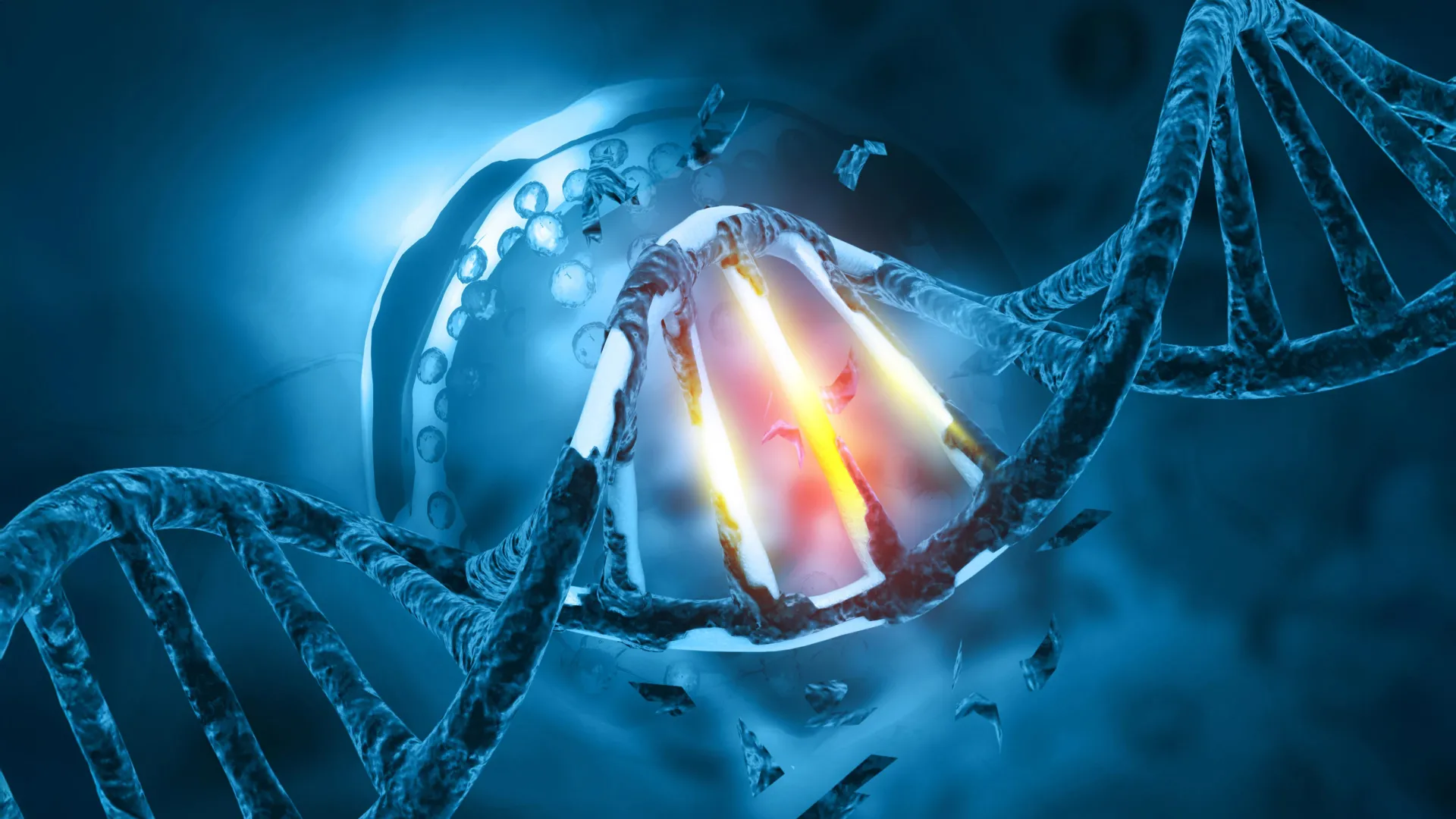
Translocation renal cell carcinoma is a distinct subtype of kidney cancer defined by chromosomal translocations involving the TFE3 (transcription factor E3) gene. In a healthy cell, chromosomes remain intact, and genes are expressed in a highly regulated manner. However, in tRCC, a chromosome breaks and rearranges itself, swapping a segment of DNA. This process fuses the "tail end" of the TFE3 gene with the "beginning" of one of several other genes, such as PRCC, NONO, or SFPQ.
The result of this genetic "mishap" is the creation of a fusion gene that encodes a chimeric protein. These TFE3 fusion proteins are not found in healthy cells and possess biological properties that differ significantly from their parent proteins. While the medical community has recognized these fusions as the primary drivers of tRCC for years, the exact mechanism by which they transformed a healthy cell into a cancerous one remained an elusive piece of the oncological puzzle.
The Johns Hopkins team focused their efforts on the two most prevalent fusion partners: NONO and SFPQ. Together, these two variants account for approximately 40% of all recorded TFE3 fusion cases. By concentrating on these common drivers, the researchers aimed to find a "common denominator" in the pathology of the disease.
Visualizing the "Liquid Condensate" Phenomenon
The breakthrough in the study came through advanced imaging and molecular biology techniques. Led by senior author Danfeng "Dani" Cai, Ph.D., an assistant professor at the Johns Hopkins Bloomberg School of Public Health, the team utilized fluorescent tags to track the movement and localization of TFE3 fusion proteins within patient-derived kidney cancer cells.
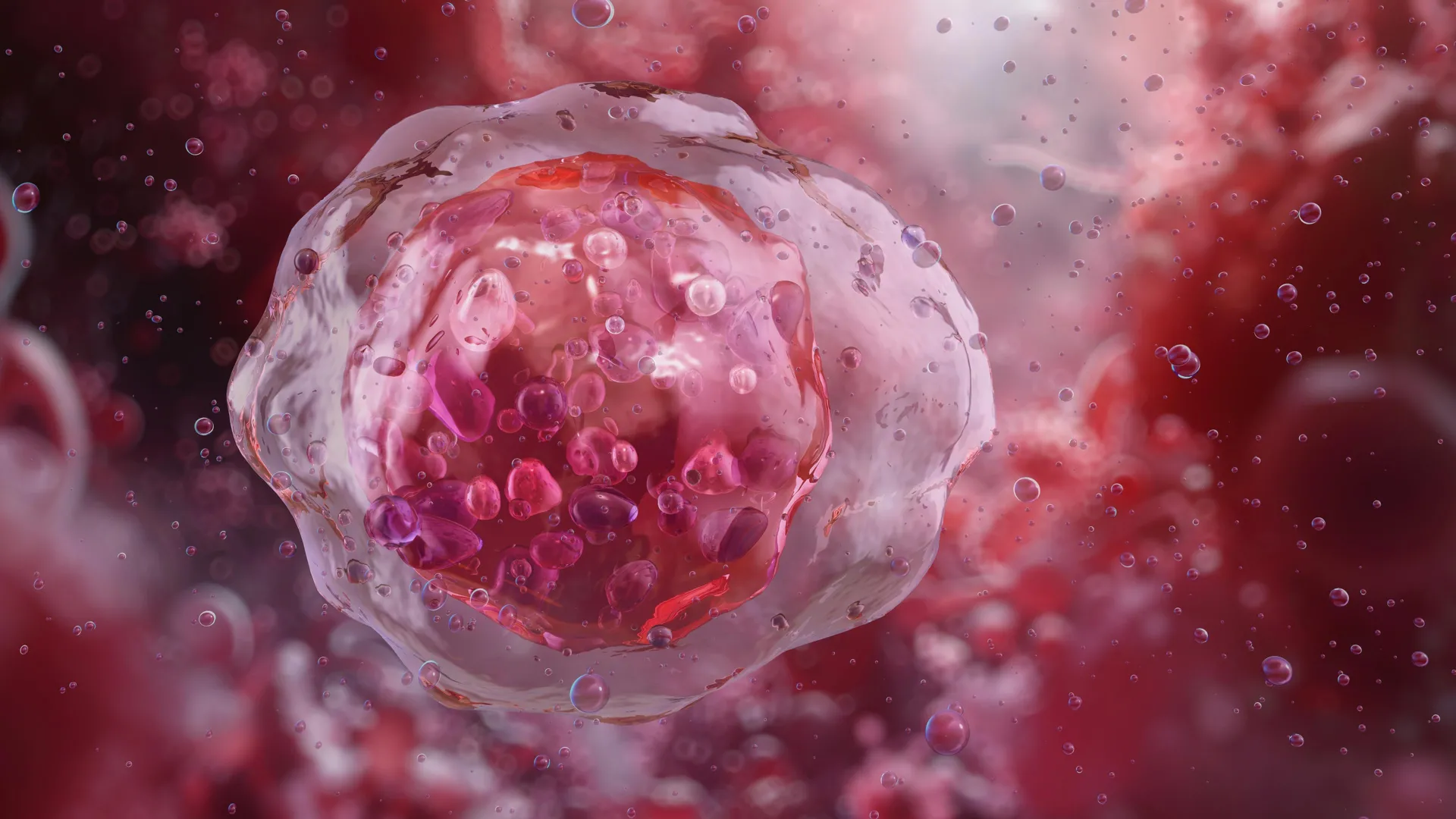
Under high-resolution microscopy, the researchers observed a striking phenomenon: the fusion proteins did not distribute evenly throughout the cell. Instead, they congregated into distinct, shimmering "dots" within the nucleus—the command center where DNA is stored. These dots were identified as liquid condensates, also known as membrane-less organelles.
Liquid-liquid phase separation is a relatively recent discovery in cell biology, often compared to the way oil droplets form in water. These condensates act as concentrated hubs where specific molecules interact to perform complex cellular tasks. In the context of tRCC, these droplets serve as "on-board computers" for the cancer, concentrating the TFE3 fusion proteins alongside other essential molecules required to activate gene expression.
The team noted that these droplets also contained marker proteins typically associated with active genes, as well as the transcriptional machinery required to "read" DNA. This confirmed that the condensates were not merely structural anomalies but were active sites of genetic reprogramming.
Mapping the Epigenetic Landscape: How Cancer Redesigns the Cell
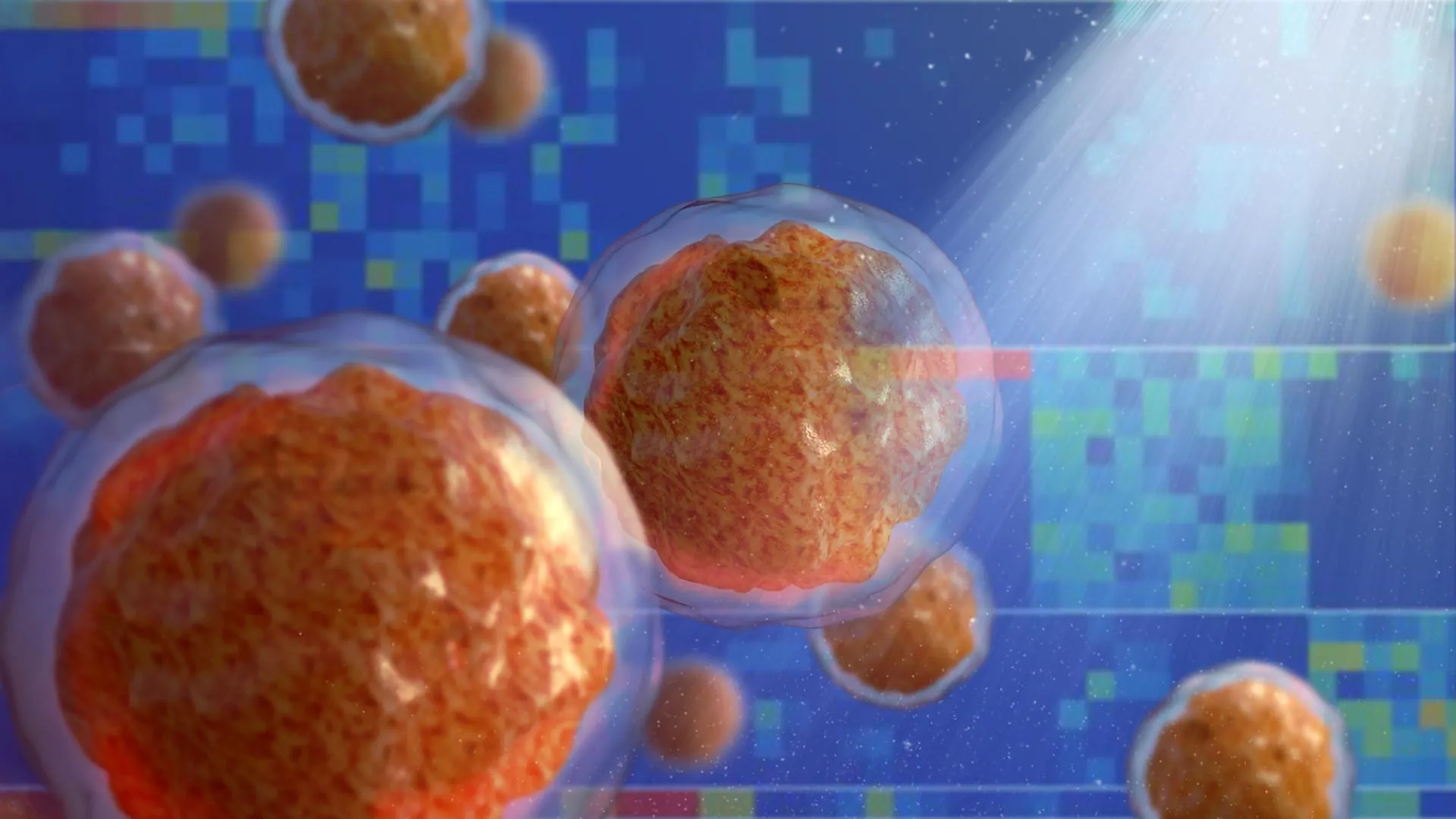
To understand the functional impact of these droplets, Dr. Cai collaborated with Eneda Toska, Ph.D., an assistant professor of oncology at the Johns Hopkins Kimmel Cancer Center. Their combined expertise allowed the team to map how the TFE3 fusion proteins interacted with the cell’s chromatin—the complex of DNA and proteins that forms chromosomes.
The researchers described DNA as resembling "beads on a string." In a normal state, some parts of the string are tightly wound around the beads (histones), keeping genes "off" or inaccessible. Other parts are open and accessible, allowing genes to be "on." The study found that TFE3 fusion proteins act as master architects, making chemical modifications to the chromatin that physically open and close different genomic sites.
"They bind, regulate, and redesign the chromosome landscape," Dr. Toska explained. By forcing open specific regions of the DNA, the fusion proteins gain access to target genes that control cell proliferation, survival, and motility. This wholesale remodeling of the epigenetic landscape provides the cancer cell with the instructions it needs to grow uncontrollably and spread to other organs.
Identifying the "Coiled-Coil" Achilles’ Heel
A critical phase of the research involved identifying which part of the fusion protein was responsible for forming these dangerous liquid droplets. Using CRISPR-based gene editing and protein engineering, the researchers systematically removed different segments of the TFE3 fusion proteins to observe the effects on condensate formation.
They discovered that a specific structural motif—a "coiled-coil" domain (a shape resembling a coil within a coil)—was the linchpin of the entire process. This domain is located in the segment that connects the TFE3 tail to its fusion partner (such as NONO or SFPQ). When the researchers deleted this small coiled-coil segment, the fusion proteins lost their ability to form liquid droplets.
The consequences of disrupting these droplets were profound. Without the condensate structure, the fusion proteins could no longer localize to the correct spots on the DNA, and the cancer-promoting genes remained dormant. This finding is highly significant because it demonstrates that the physical state of the protein—its ability to form a droplet—is just as important as its genetic sequence in driving the disease.
Broader Implications for Oncology and Treatment
The implications of this study extend far beyond the rare confines of translocation renal cell carcinoma. Many other aggressive cancers, including Ewing sarcoma (a bone cancer primarily affecting children) and certain types of leukemia, are also driven by fusion genes.
"It’s possible that these fusion genes form similar droplets, or condensates, that regulate genes in these cancers and could react to similar treatment strategies," noted Dr. Cai. This suggests a potential paradigm shift in how "undruggable" fusion proteins are targeted. Traditionally, drug developers have struggled to create small molecules that can inhibit transcription factors like TFE3 because they lack the deep "pockets" that drugs usually bind to. However, if the stability of the liquid droplet itself can be targeted, it may be possible to treat these cancers without needing to bind to the protein’s active site directly.
The research also highlights the synergistic nature of fusion proteins. While the individual components (TFE3, NONO, and SFPQ) are part of the normal cellular machinery, their fusion creates a "super-activator" with an enhanced ability to control gene expression. Understanding this gain-of-function is vital for developing therapies that spare healthy cells while precisely targeting the malignant ones.
Chronology of the Research and Future Directions
The study represents several years of multi-disciplinary effort, involving experts in biochemistry, oncology, and computational biology. The timeline of the project followed a logical progression from clinical observation to molecular intervention:
- Initial Observation: Identification of TFE3 translocations in patient samples and the realization that standard kidney cancer therapies (such as VEGF inhibitors or certain immunotherapies) were often less effective in these patients.
- Visualization: The application of fluorescent tagging to observe the physical behavior of fusion proteins in real-time.
- Functional Mapping: Utilizing chromatin accessibility assays to determine how the droplets were interacting with the genome.
- Structural Dissection: The use of protein engineering to identify the coiled-coil domain as the structural requirement for phase separation.
- Validation: Demonstrating that the loss of droplet formation directly correlates with the cessation of cancer-promoting gene activity.
Looking forward, the Johns Hopkins team is moving toward high-throughput screening. By identifying the other protein and RNA components that reside within these liquid condensates, they hope to find "vulnerabilities"—points where a small molecule drug could destabilize the droplet and cause it to dissolve.
Funding and Institutional Support
The research was a collaborative effort involving the Johns Hopkins University School of Medicine and the National Cancer Institute. The study’s success was made possible through extensive federal and private funding, reflecting the high priority placed on finding solutions for rare cancers.
Key funding sources included:
- The National Institutes of Health (NIH) National Institute of General Medical Sciences.
- The National Cancer Institute (NCI).
- The National Human Genome Research Institute.
- A Department of Defense Kidney Cancer Idea Development Award.
- The Jayne Koskinas Ted Giovanis Foundation.
- The Johns Hopkins Provost Catalyst Award.
In addition to the primary investigators, the study was co-authored by a diverse team of researchers, including Choon Leng So, Ye Jin Lee, Wanlu Chen, and others from the Bloomberg School of Public Health and the National Cancer Institute. Conflicts of interest were disclosed, noting that Dr. Toska has received grants and consulting fees from pharmaceutical companies AstraZeneca and Menarini, though the research remains an independent academic contribution to the field.
Conclusion: A New Horizon for Kidney Cancer Therapy
The discovery that liquid condensates drive translocation renal cell carcinoma represents a significant leap forward in our understanding of nuclear architecture and cancer biology. By shifting the focus from "what" these fusion proteins are to "how" they behave physically within the nucleus, the Johns Hopkins team has provided a new blueprint for therapeutic intervention.
As the medical community continues to move toward personalized and precision medicine, the ability to disrupt the specific physical structures that enable cancer genes to function could lead to more effective, less toxic treatments. For patients with tRCC, a disease that has historically lacked a standard of care, this research offers more than just scientific insight—it offers a tangible path toward a cure.