For decades, the architectural understanding of the human brain was built upon a clear hierarchy: neurons were the primary actors responsible for thought, memory, and emotion, while the surrounding glial cells were relegated to a subservient, "housekeeping" role. This paradigm is currently undergoing a fundamental shift following a landmark study published in the journal Nature, which reveals that astrocytes—star-shaped non-neuronal cells—play a decisive role in the formation, storage, and extinction of fear memories. Conducted by a multi-institutional team including researchers from the University of Arizona and the National Institutes of Health (NIH), the study demonstrates that astrocytes are not merely passive support structures but are active participants in the neural circuitry that governs how organisms respond to danger.
The research, led by Lindsay Halladay, an assistant professor at the University of Arizona Department of Neuroscience, along with Andrew Holmes and Olena Bukalo of the Laboratory of Behavioral and Genomic Neuroscience at the NIH, suggests that the amygdala’s ability to process fear is contingent upon astrocyte activity. By tracking and manipulating these cells in real-time, the team has provided the first evidence that astrocytes encode and maintain neural fear signaling, a discovery that could revolutionize the treatment of post-traumatic stress disorder (PTSD) and other anxiety-related conditions.
The Evolution of Glial Science: From Nerve Glue to Neural Architects
To understand the weight of these findings, one must consider the historical context of neuroscience. In the mid-19th century, pathologist Rudolf Virchow coined the term "neuroglia," derived from the Greek word for "glue," to describe the connective tissue of the brain. For over a century, the scientific consensus held that glia provided only structural support, nutrient delivery, and waste removal for neurons. While neurons communicated via electrical impulses and neurotransmitters, glia were thought to be "electrically silent."
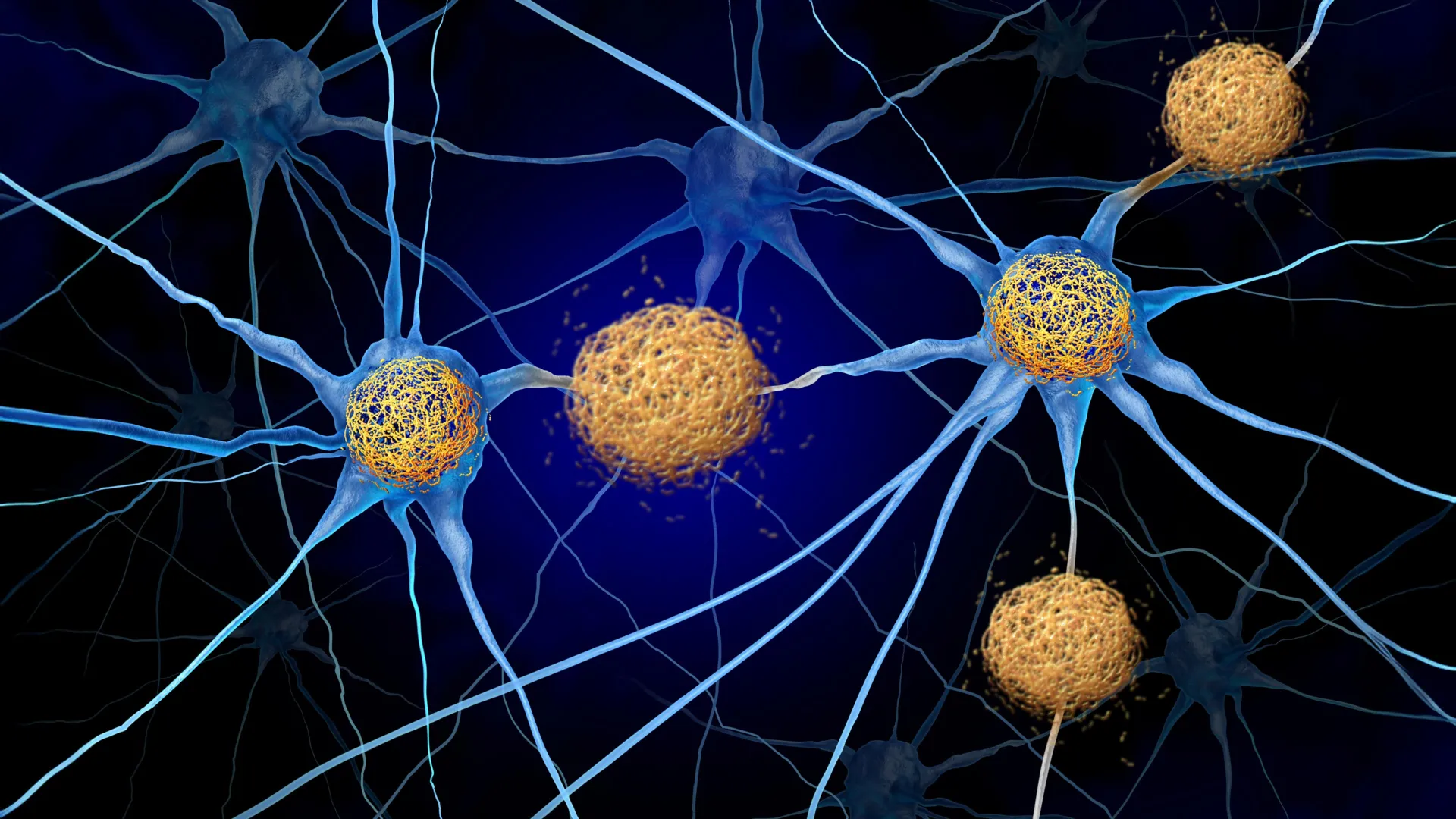
However, the late 20th and early 21st centuries saw the emergence of the "tripartite synapse" theory. This concept posits that a synapse—the junction where two neurons communicate—actually consists of three parts: the presynaptic neuron, the postsynaptic neuron, and the surrounding astrocyte process. Researchers began to realize that astrocytes could sense neurotransmitters and release their own signaling molecules, known as gliotransmitters, to modulate synaptic strength. The recent study published in Nature takes this a step further, proving that this modulation is a requirement for complex emotional learning and the management of fear.
Methodology: Observing the Amygdala in Real-Time
The research team focused their efforts on the basolateral amygdala (BLA), a region of the brain widely recognized as the command center for fear processing. To observe the hidden activity of astrocytes, they employed advanced murine models and sophisticated imaging techniques. The methodology involved the use of genetically encoded fluorescent sensors—specifically calcium indicators—which allowed the scientists to visualize astrocyte activity as it happened.
When neurons fire, they often trigger a rise in calcium levels within nearby astrocytes. By monitoring these calcium "transients," the researchers could correlate astrocyte activity with specific behavioral outcomes. The study followed a rigorous three-phase chronological framework:
- Fear Acquisition: Mice were exposed to a specific stimulus (a tone) paired with a mild environmental challenge to create a fear memory.
- Fear Recall: The mice were later exposed to the tone alone to see if they remembered the threat, typically manifested as "freezing" behavior.
- Fear Extinction: The mice were repeatedly exposed to the tone without the threat, allowing the brain to learn that the stimulus was no longer dangerous.
Throughout these phases, the researchers observed a striking pattern: astrocyte activity in the amygdala spiked during both the learning of the fear and the subsequent recall of that memory. Conversely, as the mice underwent extinction training and learned to "let go" of the fear, the activity within these star-shaped cells declined significantly.
Quantitative Data and Experimental Manipulation
The study did not stop at observation. To prove a causal link between astrocytes and fear, the team used chemogenetic and optogenetic tools to artificially manipulate astrocyte signaling. By "turning up" or "turning down" the signals that astrocytes sent to neighboring neurons, they were able to directly influence the animals’ emotional states.
The data revealed a direct correlation: strengthening astrocyte-to-neuron signaling resulted in significantly more intense fear memories, with mice exhibiting prolonged freezing behavior. When the researchers inhibited or weakened these signals, the fear response was markedly reduced. This suggested that astrocytes act as a volume knob for the brain’s fear circuits.
Furthermore, the researchers analyzed the impact of astrocyte disruption on neuronal firing patterns. They found that when astrocytes were sidelined, neurons struggled to synchronize their activity. This lack of coordination meant that the neurons could not effectively transmit "defensive response" signals to other parts of the brain, such as the periaqueductal gray (PAG), which controls physical reactions like fleeing or freezing.
The Broader Fear Network: Impact on the Prefrontal Cortex
The implications of the study extend beyond the amygdala. The research team discovered that astrocyte activity in the amygdala also influences how information is relayed to the prefrontal cortex (PFC). The PFC is the region of the brain responsible for high-level executive function, decision-making, and the modulation of social behavior.
In a healthy brain, the amygdala and the PFC work in tandem to evaluate threats. The amygdala provides the raw emotional data ("this is scary"), while the PFC provides the context ("but I am safe right now"). The study found that by altering astrocyte activity, the researchers could change the quality of the signal reaching the PFC. This suggests that astrocytes are essential for the brain’s ability to use past memories to make informed, appropriate decisions in the present.
"Understanding that larger circuit could help answer a simple question of why someone with an anxiety disorder might exhibit inappropriate fear responses to something that isn’t actually dangerous," stated Lindsay Halladay. This connection highlights the role of astrocytes in "gating" information, ensuring that the brain does not remain stuck in a state of perpetual alarm.
Clinical Implications for PTSD and Anxiety Disorders
The discovery that astrocytes are central to fear extinction is perhaps the most significant finding for clinical medicine. Many psychiatric disorders, particularly PTSD, are characterized by an inability to extinguish fear memories. Even when a person is in a safe environment, the "fear circuit" remains hyperactive, leading to flashbacks, hypervigilance, and avoidance behaviors.
Current pharmacological treatments for PTSD, such as Selective Serotonin Reuptake Inhibitors (SSRIs), primarily target neurotransmitter systems. However, these treatments are often only partially effective. The Nature study suggests that the "glial scar" or astrocyte dysfunction might be a contributing factor to treatment-resistant anxiety. If astrocytes are the cells responsible for "maintaining" the fear signal, then therapies designed to target glial signaling could offer a new pathway for relief.
Potential future treatments might include:
- Glial-modulating drugs: Compounds that specifically target astrocyte calcium signaling or gliotransmitter release.
- Enhanced Extinction Therapy: Combining traditional cognitive behavioral therapy (CBT) with neurological interventions that "downregulate" astrocyte activity in the amygdala during extinction training.
- Targeted Neuromodulation: Using deep brain stimulation or non-invasive techniques to stabilize the astrocyte-neuron communication in the amygdala-prefrontal cortex pathway.
Academic and Professional Reactions
The scientific community has responded to the findings with significant interest. Dr. Andrew Holmes, one of the study’s senior authors from the NIH, noted that the research provides a much-needed broadening of our perspective on brain function. By moving away from a neuron-only model, researchers can begin to map the brain as a more integrated system of diverse cell types working in concert.
Independent experts in the field of neurobiology have pointed out that this study aligns with a growing body of evidence suggesting that glia are involved in various cognitive functions, including sleep regulation, chronic pain, and even neurodegenerative diseases like Alzheimer’s. The specificity of the findings regarding the amygdala, however, marks a major step forward in the specialized field of emotional neurobiology.
Future Research and Conclusion
The work of Halladay, Holmes, and Bukalo has opened a new frontier in neuroscience. The next phase of research will involve expanding the investigation to other regions of the "fear network." While the amygdala is the hub, the network includes the hippocampus (which provides spatial context to memories) and the periaqueductal gray (which coordinates the physical "fight or flight" response).
Researchers aim to determine if astrocytes in these different regions perform specialized roles or if they act as a unified system to manage emotional states. Additionally, further studies will look into the molecular mechanisms—specifically which proteins and receptors on the astrocyte surface are responsible for sensing fear-related neuronal activity.
As the scientific community continues to peel back the layers of the brain’s complexity, the astrocyte has emerged from the shadows of the neuron. No longer viewed as mere "nerve glue," these star-shaped cells are now recognized as pivotal regulators of our most intense emotions. By understanding the intricate dialogue between neurons and astrocytes, scientists are moving closer to unlocking the mysteries of the human mind and providing new hope for those living with the burden of persistent fear.