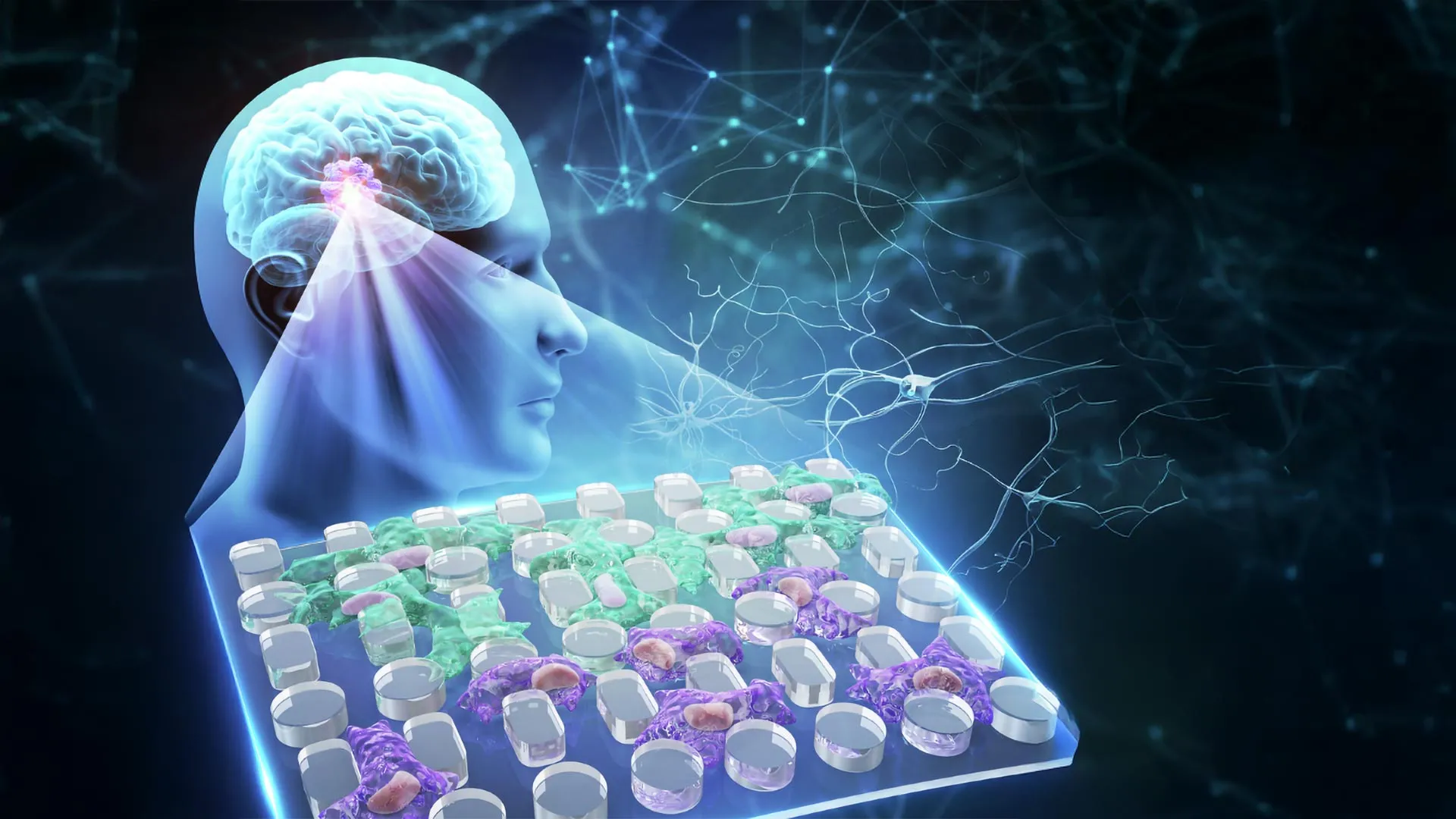
Researchers at the Medical University of South Carolina (MUSC) have achieved a significant milestone in neurobiology by identifying a previously unknown control point in the human brain’s waste-clearance system. In a study published in the journal iScience, the team provided the first direct evidence in living humans that the middle meningeal artery (MMA) serves as a primary conduit for the drainage of cerebrospinal and interstitial fluids. This discovery, made possible through advanced imaging technology developed in collaboration with NASA, challenges decades of anatomical assumptions and opens new avenues for the treatment of neurodegenerative diseases such as Alzheimer’s and Parkinson’s.
For over a century, the scientific consensus held that the brain was "immunologically privileged," meaning it was isolated from the body’s lymphatic system. This view began to shift only within the last decade as researchers identified lymphatic vessels within the meninges—the protective membranes surrounding the brain and spinal cord. The MUSC study takes this a step further, pinpointing the specific vascular architecture that manages the "trash collection" of the central nervous system. By utilizing real-time Magnetic Resonance Imaging (MRI), the team has successfully mapped the movement of fluids as they exit the cranium, providing a functional blueprint of the brain’s plumbing.
The Evolution of the Brain’s Drainage Narrative
To understand the weight of this discovery, one must look at the historical context of neuroanatomy. Until approximately 2015, medical textbooks taught that the brain lacked a traditional lymphatic system. Instead, it was believed that metabolic waste simply diffused into the cerebrospinal fluid (CSF) and was eventually absorbed into the bloodstream via the arachnoid granulations. The discovery of the "glymphatic system" by researchers at the University of Rochester, followed by the identification of meningeal lymphatic vessels by teams at the University of Virginia, revolutionized this field.
However, much of the foundational research in this area relied on animal models, specifically mice. While these studies were groundbreaking, the human brain is significantly larger, more complex, and subject to different gravitational and metabolic pressures. The transition from rodent data to human application has been a major hurdle. The work led by Onder Albayram, Ph.D., an associate professor in the Department of Pathology and Laboratory Medicine at MUSC, bridges this gap by providing high-resolution, real-time evidence that the human lymphatic system follows specific arterial pathways—namely, the MMA—to facilitate waste removal.
NASA Technology and the Science of Fluid Dynamics
The breakthrough was facilitated by a unique partnership with NASA. The space agency has a vested interest in brain fluid dynamics due to Space-associated Neuro-ocular Syndrome (SANS), a condition where astronauts experience vision changes and brain swelling during long-duration spaceflights. NASA developed specialized MRI protocols to monitor how fluid shifts in microgravity, and these same tools were repurposed by the MUSC team to observe the delicate flow of lymphatic fluid in a terrestrial setting.
In the study, the research team monitored five healthy volunteers over a six-hour period. Unlike standard MRI scans, which provide a static "snapshot," this real-time imaging allowed the scientists to track the velocity and pattern of fluid movement. They observed a distinct phenomenon: while blood in the MMA moved with the rapid, pulsatile rhythm of the heart, a second stream of fluid moved at a much slower, more consistent pace.
"We saw a flow pattern that didn’t behave like blood moving through an artery; it was slower, more like drainage," Albayram explained. This slow-moving fluid, identified as a mixture of cerebrospinal and interstitial fluids, followed the outer boundaries of the MMA. This suggested that the artery was not just a blood vessel but a structural scaffold for lymphatic "sleeves" that carry waste away from the brain.
Chronology of Discovery: From Nature Communications to iScience
The current findings are the culmination of years of iterative research. In 2022, Albayram and his colleagues published a study in Nature Communications that first visualized these meningeal lymphatic vessels in humans using post-mortem tissue and static imaging. That study was essential in proving the existence of the structures, but it could not prove they were functional or active in a living brain.
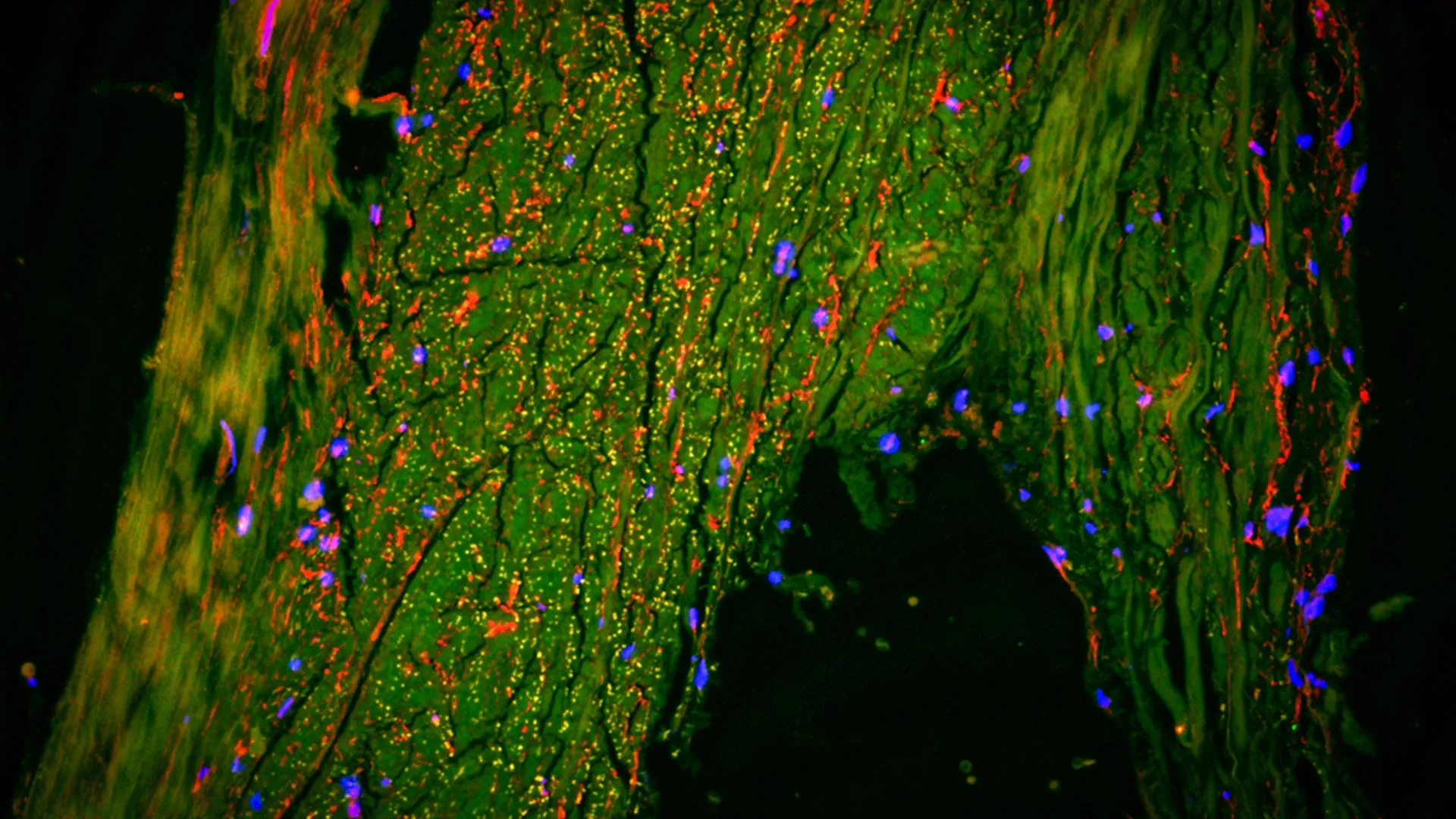
The 2024 iScience study represents the functional validation of that earlier work. By combining the 2022 anatomical data with the 2024 real-time physiological data, the team has created a comprehensive model of human brain drainage. To ensure the MRI findings were not an artifact of the imaging process, the MUSC team collaborated with experts at Cornell University. Using ultra-high-resolution immunohistochemistry on human tissue samples, they confirmed that the area surrounding the MMA is rich in lymphatic markers, such as LYVE-1 and podoplanin, which are proteins found exclusively in lymphatic vessel cells.
Supporting Data: Comparing Lymphatic vs. Circulatory Flow
The study’s data highlights a stark contrast between the two fluid systems operating within the same narrow space. Blood flow within the middle meningeal artery typically moves at velocities measured in centimeters per second, driven by the high-pressure pumping of the heart. In contrast, the lymphatic drainage observed by the MUSC team moved at a fraction of that speed, measured in millimeters per minute.
This "slow crawl" is a hallmark of the lymphatic system, which lacks a central pump like the heart and instead relies on the movement of nearby muscles, respiratory pressure, and the subtle pulsations of adjacent arteries to move fluid. The fact that this drainage occurs alongside the MMA is likely an evolutionary efficiency; the pulse of the artery helps "push" the lymphatic fluid along its path toward the cervical lymph nodes in the neck.
Official Responses and Scientific Implications
The discovery has prompted a wave of interest from the broader scientific community. While the study was limited to a small group of healthy individuals, the consistency of the findings suggests a universal biological mechanism. Independent neuroscientists have noted that the MMA’s role as a "control point" makes it a prime target for future therapeutic interventions.
"If the MMA is indeed the primary exit ramp for brain waste, then any restriction or inflammation of this pathway could have catastrophic effects on brain health," says one inferred analysis of the study’s impact. The ability to visualize this system in real-time means that clinicians could, in the future, use MRI to "check the oil" of the brain, identifying drainage bottlenecks before they lead to permanent cognitive decline.
Broader Impact: Alzheimer’s and the "Clogged Drain" Hypothesis
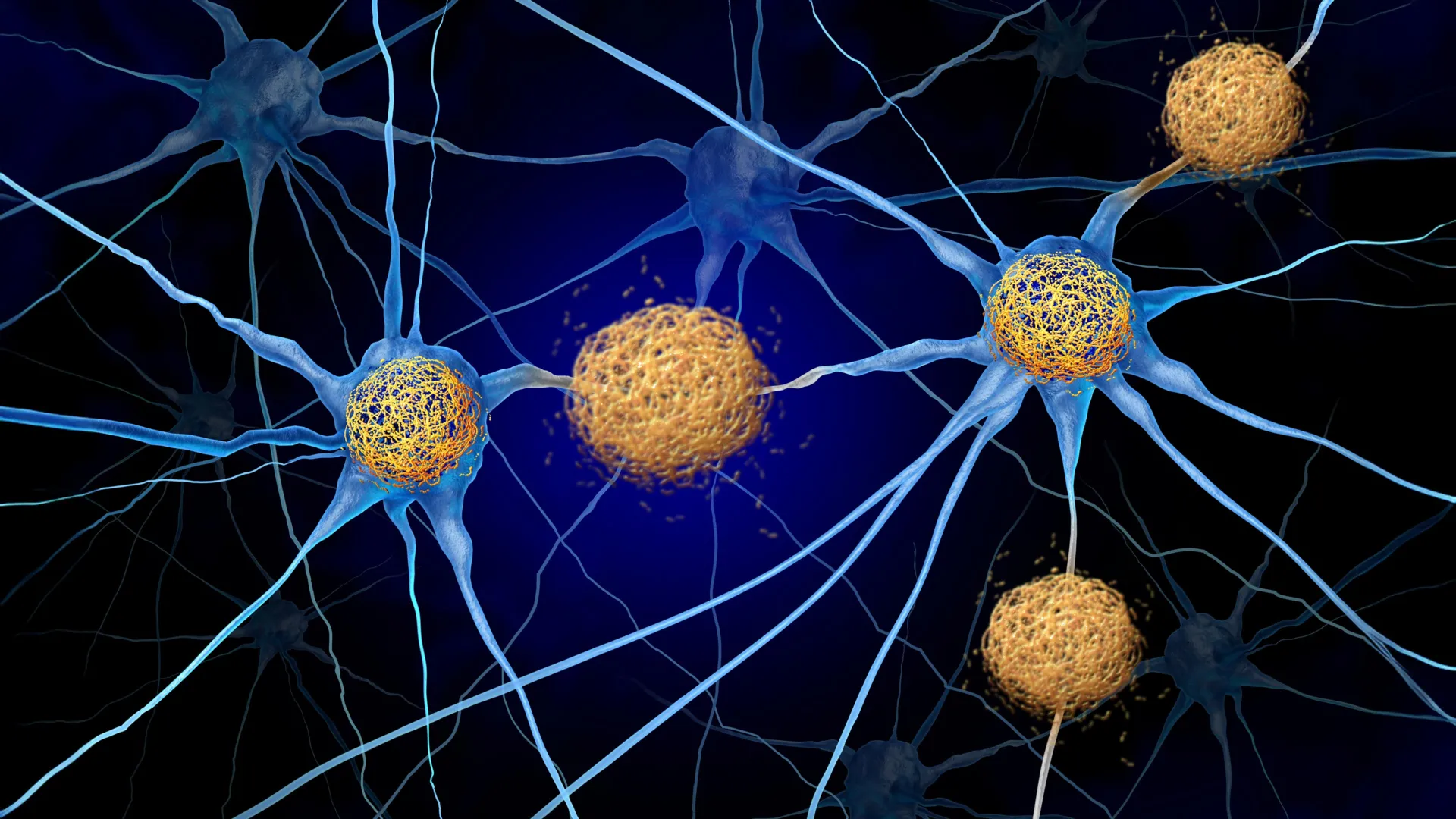
The implications for neurodegenerative disease are profound. Alzheimer’s disease is characterized by the accumulation of amyloid-beta plaques and tau tangles—essentially metabolic "junk" that the brain fails to clear. If the lymphatic drainage system along the MMA becomes compromised due to aging, injury, or vascular disease, these toxins remain in the brain, leading to inflammation and neuronal death.
By establishing a baseline of how a healthy brain clears waste, the MUSC study provides a "normal" standard against which diseased brains can be compared. Dr. Albayram’s team is already moving into the next phase of research, which involves imaging patients with diagnosed cognitive impairments. If researchers find that the flow along the MMA is significantly slower or blocked in Alzheimer’s patients, it would validate the "clogged drain" hypothesis of dementia.
Furthermore, this research has significant implications for Traumatic Brain Injury (TBI). Following a head injury, the brain often undergoes significant swelling (edema). Understanding the pathways through which the brain sheds excess fluid could lead to new emergency treatments that "prime" the lymphatic system to reduce intracranial pressure more effectively than current methods.
Future Directions in Preventative Neurology
The long-term goal of the MUSC team is to move from observation to intervention. "A major challenge in brain research is that we still don’t fully understand how a healthy brain functions and ages," Albayram noted. "Once we understand what ‘normal’ looks like, we can recognize early signs of disease and design better treatments."
Potential future treatments could include pharmacological agents designed to dilate lymphatic vessels or non-invasive stimulation techniques to encourage fluid flow. Additionally, the study emphasizes the importance of vascular health in maintaining cognitive function. Because the lymphatic system is so closely tied to the arterial system, lifestyle factors that improve heart health—such as exercise and diet—likely also improve the brain’s ability to "self-clean."
As the global population ages and the prevalence of neurodegenerative disorders rises, the discovery of the MMA’s role in lymphatic drainage offers a glimmer of hope. By mastering the mechanics of the brain’s waste-management system, science moves one step closer to preventing the toxic buildup that defines some of the most devastating diseases of the 21st century. The integration of NASA-grade technology with clinical neurology has not only pushed the limits of what we can see but has redefined our understanding of the human brain’s connection to the rest of the body.