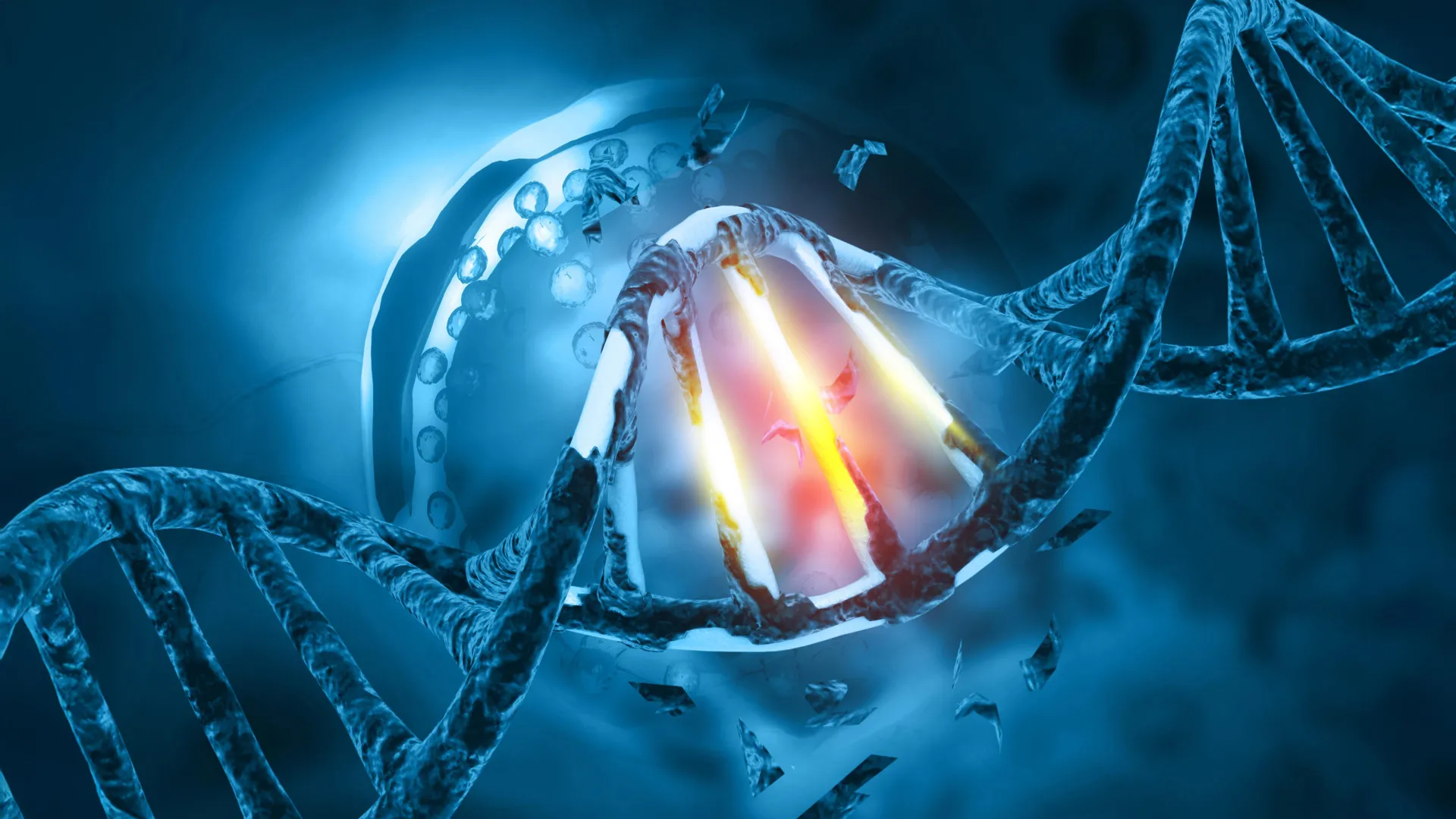
New scientific evidence suggests that as men age, their sperm becomes an increasingly complex landscape where certain genetic mutations—including those capable of causing severe disease—are not merely accidental byproducts of aging but are actively favored by biological processes. In a landmark study published on October 8 in the journal Nature, researchers from the Wellcome Sanger Institute and the TwinsUK study at King’s College London have mapped the accumulation of harmful DNA mutations across the entire sperm genome. The findings challenge the long-held assumption that the male germline is a static, well-protected repository of genetic information, revealing instead a dynamic environment where natural selection can inadvertently promote mutations that pose risks to the next generation.
The Mechanism of Clonal Expansion in the Testes
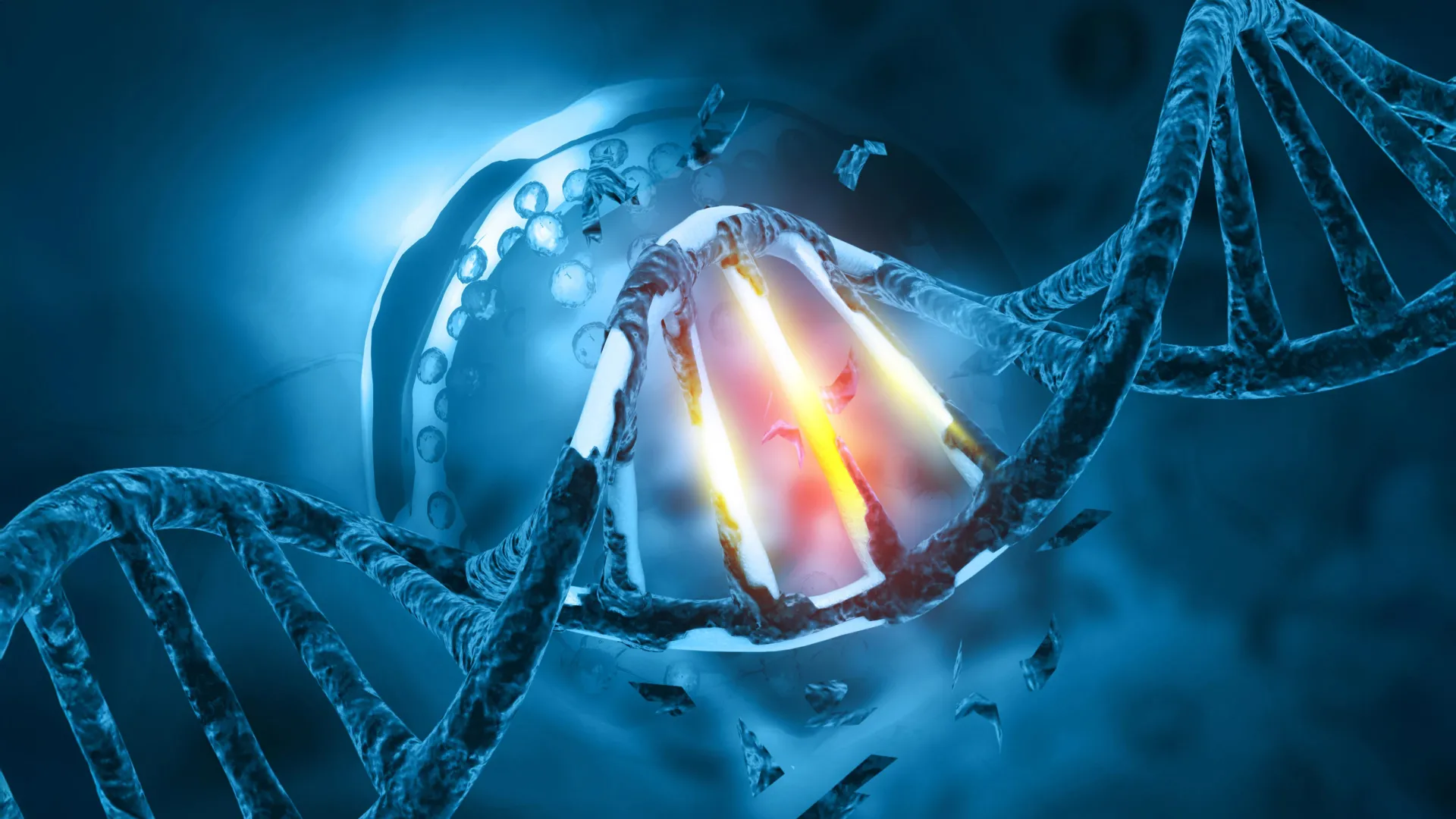
The core of the discovery lies in a process known as clonal expansion. In most tissues that undergo constant renewal, such as the skin or the lining of the gut, mutations in DNA can occasionally grant a specific cell a competitive advantage. These "favored" cells divide more rapidly than their neighbors, eventually forming clusters of identical cells that dominate the local tissue environment. While this process is a well-known driver of cancer in somatic (non-reproductive) cells, its role in the male reproductive system has been more difficult to quantify.
In the testes, specialized cells called spermatogonial stem cells are responsible for the continuous production of sperm throughout a man’s life. The research indicates that when certain mutations occur in these stem cells, they can trigger a "selfish" growth advantage. These mutated stem cells out-compete healthy ones, leading to a disproportionate number of sperm carrying the mutation. Because these cells are part of the germline, any mutation they harbor can be passed directly to offspring, unlike mutations in the heart, lungs, or brain.
Until recently, the scientific community lacked the resolution to observe this phenomenon across the entire genome. Previous studies were often limited to specific, well-known "hotspot" genes, such as those associated with Achondroplasia (a common form of dwarfism) or Apert syndrome. The new research, however, utilizes advanced sequencing technology to provide a comprehensive view of the genetic landscape.
Technological Breakthrough: The Role of NanoSeq
To achieve this level of precision, the research team employed NanoSeq, a cutting-edge DNA sequencing technology designed to eliminate the "noise" or errors typically associated with standard sequencing methods. Standard sequencing often has an error rate that is higher than the actual frequency of the mutations being studied, making it impossible to detect rare genetic changes in a sea of healthy cells. NanoSeq overcomes this by using a duplex sequencing approach that verifies the genetic code on both strands of the DNA molecule, ensuring that only genuine mutations are recorded.
The study analyzed sperm samples from 81 healthy men, ranging in age from 24 to 75. These participants were part of the TwinsUK cohort, the United Kingdom’s largest adult twin registry. By utilizing this well-documented population, researchers were able to account for various health and genetic variables, providing a robust dataset for analyzing how mutations evolve over decades of a man’s life.
Quantifying the Risk: Data and Statistical Trends
The data revealed a clear and statistically significant correlation between paternal age and the prevalence of harmful mutations. In men in their early 30s, approximately 2 percent of sperm carried mutations linked to disease. By the time men reached the age range of 43 to 74, this figure rose to between 3 and 5 percent. Among the oldest participants, specifically those around 70 years of age, 4.5 percent of sperm were found to contain harmful mutations.
Crucially, the study identified 40 specific genes that appear to benefit from clonal expansion in the testes. Many of these genes are integral to cell growth and signaling pathways. When these genes mutate, they can provide the spermatogonial stem cell with a "survival signal" that encourages rapid division. However, these same genes are frequently implicated in serious neurodevelopmental disorders, such as autism and schizophrenia, as well as inherited cancer syndromes.
While 13 of these genes had been identified in earlier, smaller-scale studies, the Sanger Institute research expanded this list significantly. The findings suggest that the phenomenon of "selfish" selection is far more widespread than previously realized, affecting a broad array of genes responsible for the fundamental development of a human embryo.
Parallel Evidence from Parent-Child Trios
The findings of the Sanger Institute were bolstered by a complementary study also published in Nature. This second study, led by scientists from Harvard Medical School in collaboration with the Sanger Institute, approached the issue from the perspective of the offspring. Rather than looking solely at sperm, the Harvard team analyzed the DNA of over 54,000 parent-child trios and a larger cohort of 800,000 healthy individuals.
By examining de novo mutations—genetic changes present in a child but not in the parents’ somatic cells—the researchers were able to confirm that the mutations favored in the sperm are indeed being passed on to children. The Harvard study identified more than 30 genes where mutations provided sperm cells with a competitive edge. This study found that the selective pressure within the testes could increase the mutation rate for certain genes by as much as 500-fold.
This massive amplification explains a long-standing mystery in medical genetics: why certain rare disorders appear with surprising frequency in children of older fathers, even when there is no family history of the condition. Furthermore, the researchers noted a potential pitfall for clinical diagnostics. Because these mutations are so common in the sperm of older men, they can sometimes create "false-positive" associations in genetic studies, where a gene appears to be linked to a disease simply because it is mutated so often, rather than because it is the primary cause of the pathology.
Chronology of Scientific Understanding
The link between paternal age and genetic health is not a new concept, but our understanding of it has evolved through several distinct phases:
- Early 20th Century: Physicians first noted that certain conditions, such as Achondroplasia, were more common in children born to older fathers.
- 1950s-1980s: The "paternal age effect" was formally recognized, with researchers theorizing that the sheer number of cell divisions in the male germline (which continues throughout life) led to a higher accumulation of random copying errors compared to the female germline.
- 1990s-2000s: The concept of "Selfish Spermatogonial Selection" was proposed. Researchers began to suspect that some mutations weren’t just random errors but were being actively selected for because they helped stem cells grow.
- 2024: The current studies provide the first whole-genome confirmation of this theory, moving beyond individual genes to a systemic understanding of how age and selection interact in the male reproductive system.
Expert Reactions and Official Statements
The implications of this research have drawn significant attention from the global scientific community. Dr. Matthew Neville, the first author of the study from the Wellcome Sanger Institute, expressed surprise at the magnitude of the findings. "We expected to find some evidence of selection shaping mutations in sperm," Dr. Neville stated. "What surprised us was just how much it drives up the number of sperm carrying mutations linked to serious diseases."
Professor Matt Hurles, Director of the Wellcome Sanger Institute and a co-author of the study, emphasized the hidden nature of this genetic risk. "Our findings reveal a hidden genetic risk that increases with paternal age," Hurles said. "Some changes in DNA not only survive but thrive within the testes, meaning that fathers who conceive later in life may unknowingly have a higher risk of passing on a harmful mutation to their children."
From a public health and longitudinal study perspective, Professor Kerrin Small, Scientific Director of the TwinsUK study, highlighted the value of participant contribution. "We are incredibly grateful to the twins who took part in this study," Small noted. "By working with the TwinsUK cohort, we could include valuable longitudinal samples linked to rich health and genetic information, allowing us to explore how mutations accumulate and evolve with age in healthy individuals."
Dr. Raheleh Rahbari, senior author and Group Leader at the Wellcome Sanger Institute, challenged the traditional view of germline protection. "There’s a common assumption that because the germline has a low mutation rate, it is well protected," Rahbari explained. "But in reality, the male germline is a dynamic environment where natural selection can favor harmful mutations, sometimes with consequences for the next generation."
Broader Impact and Future Implications
The societal implications of this research are profound, particularly as the average age of fatherhood continues to rise in many developed nations. In the United States and Europe, the proportion of fathers over the age of 40 has increased significantly over the last four decades. This demographic shift makes the understanding of paternal genetic risk a matter of pressing public health concern.
Clinical Screening and IVF:
Currently, prenatal screening and pre-implantation genetic testing (PGT) in IVF often focus on chromosomal abnormalities, such as Down syndrome, which are more closely linked to maternal age. The discovery that specific, single-gene mutations are enriched in the sperm of older men suggests a need for more sophisticated screening tools that can detect these "selfish" mutations before conception or during early pregnancy.
Environmental and Lifestyle Factors:
The researchers noted that the results open new avenues for studying how lifestyle factors—such as diet, smoking, and exposure to environmental toxins—might influence the rate of clonal expansion in the testes. If certain environments accelerate the growth of mutated stem cells, men could potentially take steps to mitigate these risks.
Refining Risk Assessments:
For genetic counselors, this data provides a more nuanced framework for advising older prospective fathers. Rather than citing a general increase in "random" risk, counselors may eventually be able to point to specific genetic pathways that are more likely to be affected by the aging process.
Conclusion and Future Research
While the study provides a detailed map of mutation accumulation, the researchers caution that a mutation in sperm does not automatically result in a child with a genetic disorder. Natural selection continues to operate after fertilization; many embryos with severe mutations do not survive to term, resulting in miscarriages or failure to implant.
The next phase of research will likely focus on the "filter" between sperm and birth. Scientists need to determine exactly which of the 40 identified genes are most likely to result in live births with health complications. Additionally, further studies are required to investigate whether these selective processes in the testes can be slowed or influenced by medical intervention.
By revealing the internal evolutionary pressures of the human body, this research fundamentally changes our understanding of inheritance. It suggests that the "survival of the fittest" does not just happen between individuals in an environment, but between cells within our own bodies, sometimes at the expense of the health of the next generation. This study was part-funded by Wellcome, with additional support from various international research bodies, marking a significant step forward in the field of human genomics.