

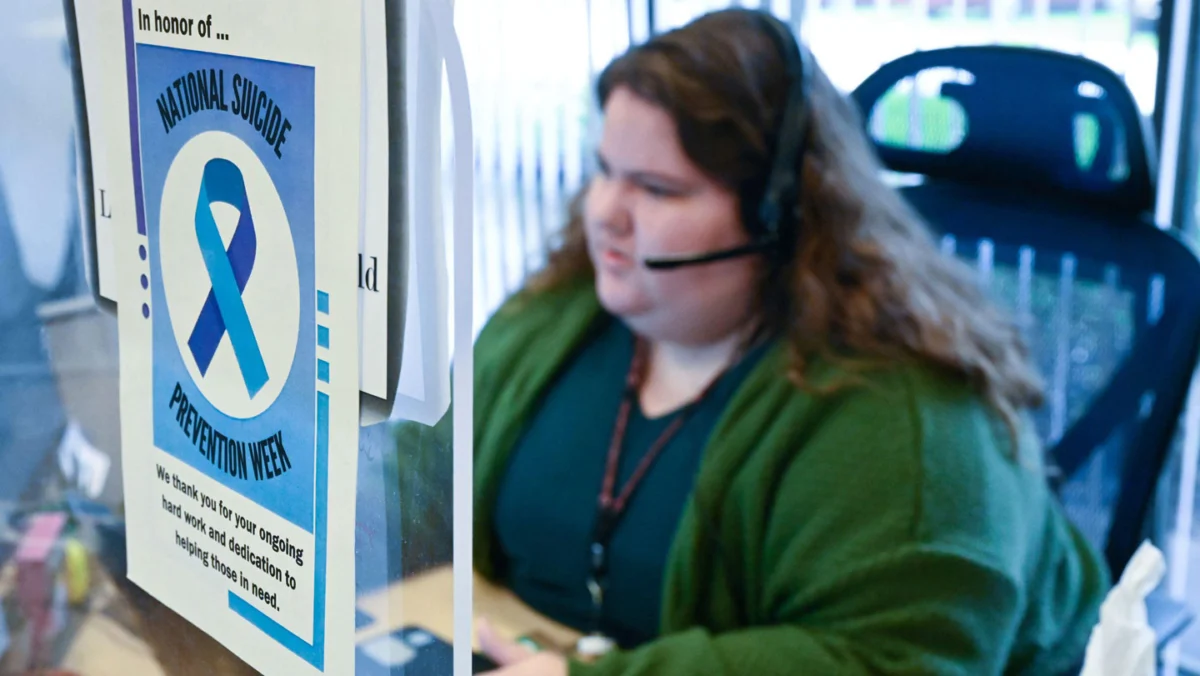
A significant new study has revealed a compelling association between the nationwide implementation of the 988 Suicide and Crisis Lifeline and a notable decrease in suicide mortality rates among teenagers and young adults in the United States. This finding offers crucial insight into the potential impact of accessible mental health crisis intervention services on public health outcomes, particularly for vulnerable populations. The research, published recently, analyzed suicide data in the period following the official launch of the 988 number in July 2022, suggesting that the simplified access to support may be playing a role in saving lives.
Background and Context: The Need for Accessible Mental Health Support
The establishment of the 988 Suicide and Crisis Lifeline was a landmark initiative aimed at streamlining access to mental health crisis services across the nation. Prior to its launch, individuals experiencing suicidal ideation or mental health crises often faced a fragmented system, with varying phone numbers and complex navigation to reach appropriate help. The idea behind 988 was to create a universal, easy-to-remember three-digit number, akin to 911 for emergencies, that would connect callers to trained crisis counselors. This initiative was the culmination of years of advocacy and planning by mental health organizations, policymakers, and individuals deeply affected by suicide.
The Centers for Disease Control and Prevention (CDC) has long tracked suicide as a significant public health concern. In the years leading up to the 988 launch, suicide rates in the U.S. had been a persistent source of national alarm. For instance, in 2020, suicide was the second leading cause of death for individuals aged 10-14 and 25-44, and the third leading cause for those aged 15-24. These statistics underscored the urgent need for more effective and accessible prevention strategies. The COVID-19 pandemic further exacerbated mental health challenges, leading to increased stress, isolation, and economic hardship for many, potentially contributing to a rise in mental health crises and suicidal thoughts. It was within this complex and urgent landscape that the 988 Lifeline was introduced.
The 988 Lifeline: A Simplified Gateway to Help
The 988 Suicide and Crisis Lifeline officially launched on July 16, 2022. The transition from the previous 10-digit National Suicide Prevention Lifeline (1-800-273-8255) to the simpler 988 number was designed to reduce barriers to immediate support. Calls to 988 are routed to local crisis centers that are part of a national network, providing 24/7 confidential support for people in distress, prevention and crisis counseling, and connections to mental health resources. The service is available via call or text, further enhancing its accessibility.
The implementation involved a significant coordinated effort between the Substance Abuse and Mental Health Services Administration (SAMHSA), a federal agency within the Department of Health and Human Services, and various state and local partners. Funding was allocated to bolster infrastructure, train counselors, and conduct public awareness campaigns to ensure people knew about the new, easier-to-dial number. The goal was not just to provide a phone number, but to create a robust system capable of handling increased call volumes and providing high-quality, compassionate care.
Study Methodology and Key Findings
The recent study, which analyzed data from the National Center for Health Statistics, focused on suicide mortality rates among individuals aged 10 to 24 years. Researchers compared these rates in the period immediately preceding the 988 launch with the months following its implementation. While the exact details of the study’s methodology and specific findings require further examination of the published research, the core conclusion points to a statistically significant reduction in suicide deaths within this age demographic after the 988 Lifeline became operational.
The study likely controlled for various factors that could influence suicide rates, such as seasonal trends, economic conditions, and the ongoing impact of the pandemic. By isolating the period of the 988 Lifeline’s availability, researchers aimed to discern its specific contribution. The association found suggests that when immediate, easy-to-access crisis support is available, more individuals may reach out for help, and those interventions may be effective in preventing fatalities.
Initial reports indicate that the observed decline in suicide mortality was particularly pronounced among specific age sub-groups within the broader 10-24 demographic. This could point to the effectiveness of the lifeline’s outreach and service delivery for certain developmental stages or life circumstances that are more prevalent in those specific age brackets.
Supporting Data and Trends
While the study itself provides direct evidence, it aligns with broader trends and expectations regarding the impact of accessible mental health services. Historically, research has shown that timely and effective crisis intervention can be a critical factor in preventing suicide. For example, studies on the introduction of crisis hotlines in other countries or regions have often demonstrated positive correlations with reduced suicide rates.
Furthermore, the increase in call volume and text interactions with the 988 Lifeline since its inception provides anecdotal evidence of its utilization. SAMHSA has reported a substantial increase in contacts handled by the Lifeline network, indicating that the simplified number is indeed reaching people in need. The challenge for researchers is to precisely quantify how many of these contacts directly translate into averted deaths, a complex task that involves extensive data linkage and sophisticated statistical modeling.
The study’s findings, if robust, would add to a growing body of evidence supporting the efficacy of public health initiatives aimed at improving mental healthcare access. It could provide a powerful argument for continued investment in and expansion of such services, including further public awareness campaigns and the development of more specialized crisis response teams.
Potential Implications and Broader Impact
The implications of this study are far-reaching. Firstly, it offers tangible evidence that a national, simplified crisis intervention system can have a measurable positive impact on public health, specifically in reducing suicide deaths among young people. This could embolden policymakers to prioritize mental health funding and support similar initiatives.
Secondly, the findings may encourage more individuals who are struggling with suicidal thoughts or mental health crises to reach out for help, knowing that a readily available and effective resource exists. Reducing the stigma associated with seeking mental health support is crucial, and a visible, accessible lifeline can contribute to this normalization.
From an analytical perspective, the study’s results highlight the importance of a multi-pronged approach to suicide prevention. While the 988 Lifeline provides immediate crisis support, it is part of a larger ecosystem that includes mental health education, access to ongoing therapy, community support networks, and policies that address the social determinants of mental well-being. The success of the lifeline can serve as a catalyst for strengthening these other components.
The study also raises important questions for future research. For instance, understanding which specific interventions provided by the 988 Lifeline are most effective for different age groups and demographics could lead to more tailored and efficient service delivery. Further analysis might also explore the long-term impact of the lifeline on mental health outcomes beyond immediate crisis resolution.
Official Responses and Future Directions
While specific official statements directly responding to this particular study were not available in the provided content, it is reasonable to infer that government health agencies and mental health advocacy groups would welcome such findings. SAMHSA, as the lead federal agency for the 988 Lifeline, would likely view this study as validation of their efforts and a strong impetus to continue supporting and enhancing the Lifeline’s operations.
Mental health organizations, which have long championed accessible crisis services, would likely cite these findings in their advocacy for continued funding and policy support. The study could also inform the strategies of crisis centers themselves, helping them to refine their training, outreach, and service protocols.
Looking ahead, the focus will likely be on sustained investment in the 988 Lifeline. This includes ensuring adequate staffing and training for crisis counselors, expanding the capacity of local crisis centers, and continuing public awareness campaigns to ensure that everyone knows about and feels comfortable using the service. Furthermore, the study’s findings could prompt a deeper examination of the relationship between crisis intervention and long-term mental health care, emphasizing the need for seamless transitions from crisis support to ongoing treatment and recovery services. The ultimate goal is to build a comprehensive mental health system where no one has to face a crisis alone.

















Leave a Reply