


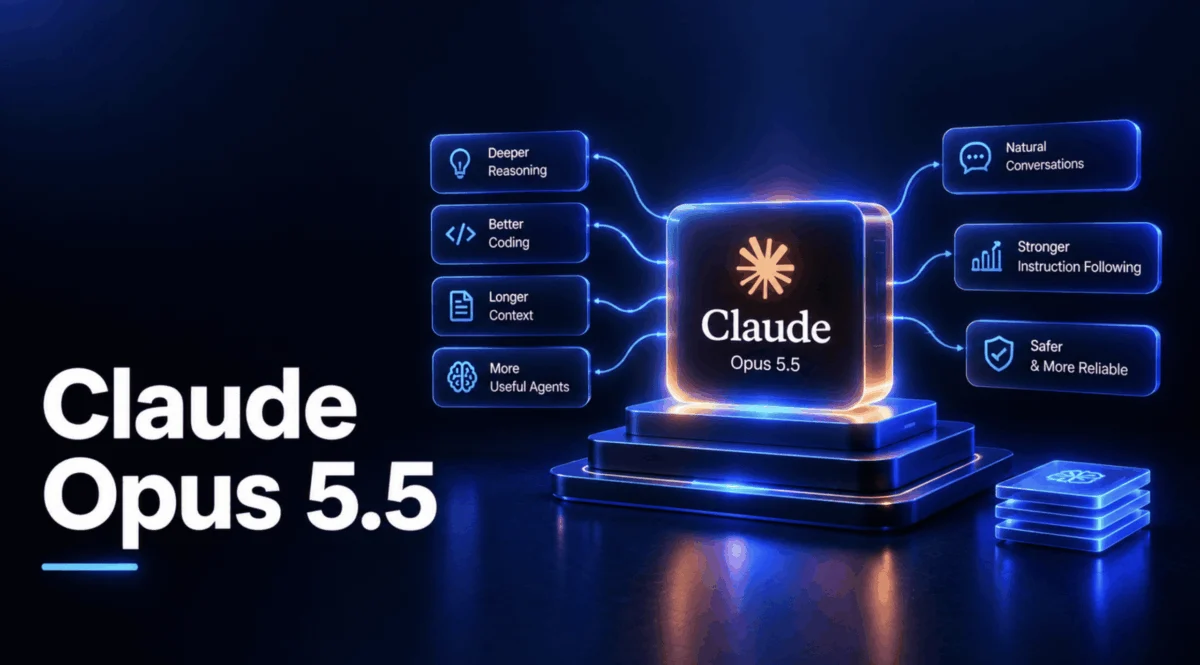
The landscape of software development is undergoing a profound transformation, driven by the advent of sophisticated artificial intelligence tools designed to augment and accelerate the coding process. Among these, Anthropic’s Claude Code stands out as an agentic coding assistant, capable of understanding complex codebases, executing commands, debugging issues, and even integrating with external systems via its Model Context Protocol (MCP). This powerful tool is not merely a code generator but an interactive development partner, operating seamlessly across various environments, from terminals and IDEs to desktop applications and browsers. As the industry grapples with the dual demands of rapid innovation and efficient resource utilization, mastering such agentic AI tools becomes increasingly critical for developers seeking to remain at the forefront of their profession. A curated series of five projects offers a structured pathway to unlock Claude Code’s full potential, progressing from foundational web application development to advanced full-stack systems and custom agent extensions.
Understanding Claude Code: An Agentic Leap in AI-Assisted Development
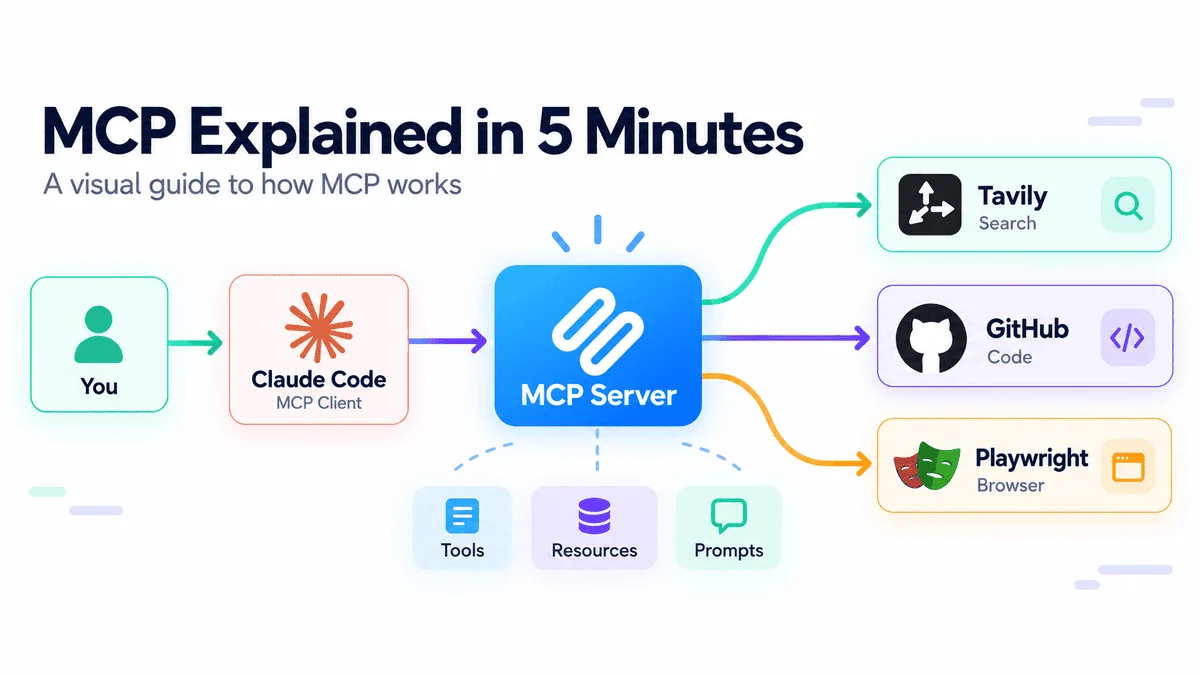
Anthropic, a leading AI safety and research company, developed Claude Code as an extension of its robust Claude large language models, specifically tailored for intricate coding tasks. Unlike earlier, more static code assistants, Claude Code embodies an "agentic" approach, meaning it can reason, plan, and execute multi-step tasks autonomously. This capability allows it to engage with a codebase in a manner akin to a human developer: it can read and comprehend existing files, propose and implement edits, run diagnostic commands, identify and rectify bugs, generate comprehensive tests, and even craft commit messages for version control systems. Its versatility is further enhanced by the Model Context Protocol (MCP), a framework enabling Claude Code to connect with and leverage external tools, databases, and APIs. This makes it an invaluable asset for projects ranging from small-scale experiments to large, enterprise-grade software initiatives, streamlining workflows and significantly reducing manual effort. The emergence of such tools reflects a broader industry trend towards intelligent automation in software engineering, aiming to free developers from repetitive tasks and allow them to focus on higher-level design and innovation.
The Evolution of AI in Software Development: A Brief Chronology
The journey towards agentic coding assistants like Claude Code has been a progressive one, marked by several key milestones. Early AI tools in software development primarily focused on syntax highlighting, autocompletion, and basic error detection within IDEs, dating back to the late 20th century. The early 2010s saw the rise of more intelligent static analysis tools and refactoring engines. However, the true inflection point came with the rapid advancements in large language models (LLMs) around 2018-2020. Projects like GitHub Copilot, powered by OpenAI’s Codex, demonstrated the immense potential of generative AI to produce functional code snippets, accelerate boilerplate creation, and assist in documentation. This marked a significant shift from passive assistance to active code generation.
Anthropic’s entry into this domain with Claude Code represents the next evolutionary step: "agentic AI." Introduced in various forms and updates, Claude Code’s capabilities, particularly its integration with MCP, push beyond mere code generation. It embodies a system that can understand developer intent, interact with the development environment, execute tests, and iterate on solutions—a true interactive agent. This progression signifies a move towards AI systems that can not only write code but also understand the context of a project, reason about problems, and autonomously manage parts of the development lifecycle. The continuous refinement of these capabilities suggests a future where AI plays an even more integrated and proactive role in software creation, making the understanding and application of such tools a foundational skill for modern developers.
A Structured Approach to Mastery: The Five-Project Learning Path
The "5 Fun Projects" series serves as an exemplary educational framework, designed to progressively build a developer’s proficiency with Claude Code. This "learn-by-doing" methodology is particularly effective for complex tools, as it translates theoretical understanding into practical application. Each project in the series is meticulously chosen to introduce and reinforce distinct capabilities of Claude Code, ensuring a comprehensive skill set by completion. From crafting simple web interfaces to orchestrating complex full-stack deployments and even extending Claude Code’s own functionality, this progression reflects the increasing demands and complexities of real-world software engineering.
Project 1: Building Your First Web App with Claude Code – The Foundation of Prototyping
For newcomers to agentic coding tools, the initial hurdle often lies in understanding the basic interaction paradigm. The first project, a simple web application, serves as an ideal entry point, as demonstrated in a video by Teacher’s Tech. This exercise is less about the complexity of the final product and more about familiarization with Claude Code’s fundamental workflow. Developers learn to articulate a high-level idea or requirement, observe Claude Code’s process of generating the initial project structure and files, and then engage in an iterative review and refinement cycle.
The key skill honed here is rapid prototyping. In today’s fast-paced development cycles, the ability to quickly translate an abstract concept into a tangible, albeit basic, application is invaluable. Market data consistently shows that companies prioritize speed to market and iterative development. Tools like Claude Code, by automating much of the initial setup and boilerplate, can reduce the time taken to create a functional prototype by up to 50% or more, allowing teams to gather feedback earlier and pivot faster. This project teaches developers not just how to use Claude Code to write code, but how to effectively orchestrate it to achieve a desired outcome, thereby laying the groundwork for more advanced interactions. The inferred reaction from a beginner developer might be one of amazement at the speed with which an idea can materialize into a working application, fostering a deeper engagement with the tool.
Project 2: Crafting a Retro 2D Game – Engaging with Interactive Front-End Logic
Moving beyond static web pages, the second project introduces developers to the dynamic world of interactive applications through the creation of a retro 2D space shooter, a concept explored in a tutorial by Peter Yang. This project elevates the learning experience by making Claude Code’s output immediately visual and interactive, which is crucial for understanding how AI can assist in building engaging user experiences.
The primary focus here is on developing interactive front-end logic. Unlike a simple informational website, a game demands sophisticated handling of user input, real-time rendering, collision detection, scorekeeping, and game state management. Developers learn how to prompt Claude Code to generate code that manages character movement, enemy AI, projectile physics, and visual effects. The "fun" aspect of game development makes the iterative process of prompting for improvements—such as adjusting difficulty, adding new enemy types, or refining graphics—particularly rewarding. This immediate feedback loop reinforces the power of agentic AI in refining user-facing elements. Industry reports indicate a growing demand for interactive web and mobile experiences, and mastering how AI can accelerate the development of these complex UIs and interaction models is a significant advantage. This project challenges developers to think not just about what code to write, but how that code will influence real-time user engagement, pushing Claude Code to handle more complex algorithmic and state-management tasks.
Project 3: Developing a Mobile App with React Native and Expo – Cross-Platform Prototyping
With a grasp of web and interactive front-end development, the logical next step is to tackle mobile applications. This project, guided by Code with Beto, focuses on building a mobile application using React Native and Expo. This introduces developers to the nuances of mobile-first design, cross-platform compatibility, and the specific ecosystem of mobile development frameworks.
The core skill acquired is cross-platform mobile app prototyping. React Native, combined with Expo, allows developers to write code once and deploy it across both iOS and Android platforms, a capability highly sought after in the market due to its efficiency. Using Claude Code, developers learn to generate components for different screens, implement navigation patterns, design user interfaces optimized for various device layouts, and conduct testing directly on mobile emulators or physical devices. This project is inherently more complex than a simple web app due to considerations like device-specific APIs, performance optimization for mobile hardware, and a distinct user experience philosophy. An inferred statement from an industry analyst might highlight the strategic importance of AI tools in democratizing mobile app development, enabling smaller teams or even individual developers to rapidly iterate on mobile concepts without needing deep native platform expertise. This project demonstrates Claude Code’s ability to assist in scaffolding, configuring, and developing within specialized framework ecosystems, proving its versatility beyond generic web development.
Project 4: Building and Deploying a Full-Stack Application – Architecting Production-Ready Systems
The fourth project represents a significant leap in complexity, moving from isolated front-end development to the comprehensive architecture of a full-stack application, complete with a backend, database integration, user authentication, and deployment readiness. This advanced undertaking, as explored in a tutorial by No Code MBA, positions Claude Code as a sophisticated partner in building production-style applications.
Here, developers master the skill of building production-style applications with end-to-end integration. This involves orchestrating multiple layers of software: the front-end user interface, a robust backend server, a persistent database for data storage, secure user authentication mechanisms, and the crucial steps for preparing the application for deployment to a cloud environment. The challenge lies not just in generating code for each component, but in ensuring seamless communication and integration between them. Claude Code’s agentic capabilities are invaluable here, assisting in configuring database connections, writing API endpoints, implementing authentication flows, and critically, debugging issues that span across different layers of the application. The ability to debug complex, multi-layered systems with AI assistance is a game-changer, reducing diagnostic time and improving overall code quality. This project directly addresses a critical industry need: the efficient development of scalable, secure, and deployable applications. Statements from enterprise developers might emphasize how Claude Code could accelerate internal tool development or proofs-of-concept for new business lines, significantly reducing the time and cost associated with traditional full-stack development cycles.
Project 5: Creating a Custom MCP Server for Claude Code – Extending Agentic Capabilities
The pinnacle of this learning journey is the fifth project: developing a custom Model Context Protocol (MCP) server for Claude Code. This advanced endeavor, highlighted by Shweta Lodha and detailed in Anthropic’s documentation, moves beyond merely using Claude Code to extending its core capabilities. It signifies a profound understanding of how agentic AI systems can be integrated into bespoke workflows and existing enterprise infrastructures.
The ultimate skill learned here is extending Claude Code with custom tools and agent capabilities. MCP is Anthropic’s mechanism for allowing Claude Code to interact with external systems—be it proprietary databases, internal APIs, specialized toolchains, or unique data sources. By creating a custom MCP server, developers learn to build a bridge between Claude Code and virtually any external system. This project requires a deeper understanding of API design, inter-process communication, and the architecture of agentic systems. It transforms Claude Code from a general-purpose coding assistant into a highly specialized, context-aware agent capable of performing tasks unique to a specific organization or domain. For instance, an MCP server could enable Claude Code to query an internal knowledge base, interact with a legacy system, or trigger specific CI/CD pipelines. This capability has significant implications for enterprise environments, where customization and integration with existing infrastructure are paramount. An inferred statement from Anthropic’s product team would likely emphasize how MCP empowers developers to tailor Claude Code to their precise needs, unlocking unprecedented levels of automation and integration within complex IT ecosystems. This project not only builds technical expertise but also fosters a strategic understanding of how to leverage AI to create highly specialized, intelligent agents.
Broader Implications and the Future of Software Engineering with AI
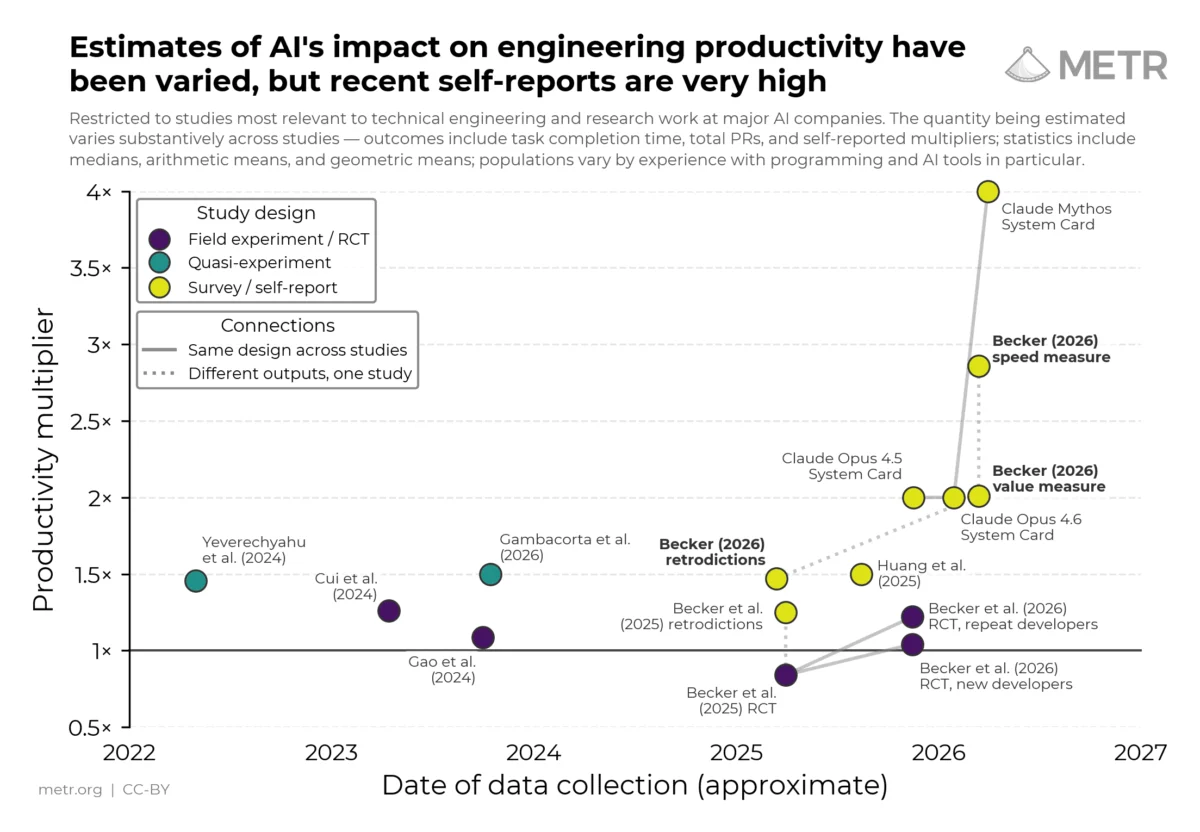
The mastery of tools like Claude Code, as facilitated by these five projects, carries profound implications for the future of software development. The most immediate impact is a significant increase in developer productivity. By automating boilerplate, assisting with debugging, and accelerating prototyping, AI tools allow developers to focus on higher-level architectural decisions, complex problem-solving, and creative innovation. This shift could lead to faster development cycles, quicker iteration on ideas, and a reduction in technical debt.
However, this transformation also necessitates a re-evaluation of developer skill sets. While traditional coding proficiency remains important, new competencies are emerging. Prompt engineering, the art of crafting precise and effective instructions for AI, becomes a crucial skill. Developers must learn how to articulate their intent clearly, provide necessary context, and iterate on prompts to guide the AI towards desired outcomes. Furthermore, skills in architectural oversight, code review, and quality assurance are amplified, as developers become responsible for validating and refining AI-generated code, ensuring its security, performance, and maintainability.
Challenges certainly exist. Concerns about code quality, security vulnerabilities in AI-generated code, and the potential for over-reliance on AI must be addressed. Ethical considerations surrounding intellectual property, bias in AI models, and the responsible deployment of agentic systems will also grow in importance. Regulatory bodies and industry standards will likely evolve to address these new dimensions of software development.
Looking ahead, the integration of agentic AI into development environments will likely deepen. We can anticipate more seamless integration into IDEs, with AI assistants becoming more context-aware and predictive. The concept of autonomous agents that can manage entire development tasks, from requirements gathering to deployment, albeit under human supervision, is not far-fetched. Anthropic, with its focus on AI safety and utility, is positioned to play a significant role in shaping these future capabilities, balancing innovation with robust ethical frameworks.
Expert Perspective and Advocacy: Shaping the Future of Tech Education
The article’s author, Kanwal Mehreen, exemplifies the type of forward-thinking professional engaging with these transformative technologies. As a machine learning engineer, technical writer, and a recognized scholar by Google, Teradata, Mitacs, and Harvard WeCode, her expertise spans both the theoretical and practical aspects of AI. Her co-authorship of "Maximizing Productivity with ChatGPT" underscores her commitment to making AI tools accessible and understandable. Furthermore, her founding of FEMCodes, an initiative dedicated to empowering women in STEM fields, highlights a crucial aspect of this technological shift: ensuring that the benefits and opportunities created by advanced AI tools are accessible to a diverse range of talent. By providing clear pathways to learning tools like Claude Code, educators and advocates like Mehreen play a vital role in democratizing access to cutting-edge development skills, fostering a more inclusive and innovative tech ecosystem for the future.
In conclusion, the journey through these five projects using Claude Code is more than just a series of coding exercises; it is an immersive curriculum for navigating the next frontier of software development. From fundamental web app prototyping to the sophisticated extension of AI agents, each step builds practical skills that are increasingly indispensable. As AI continues to redefine the boundaries of what is possible in software engineering, mastering agentic tools like Claude Code will empower developers to not only adapt but to lead in an ever-evolving technological landscape, building, debugging, deploying, and extending real software projects with unprecedented efficiency and creativity.










Leave a Reply