

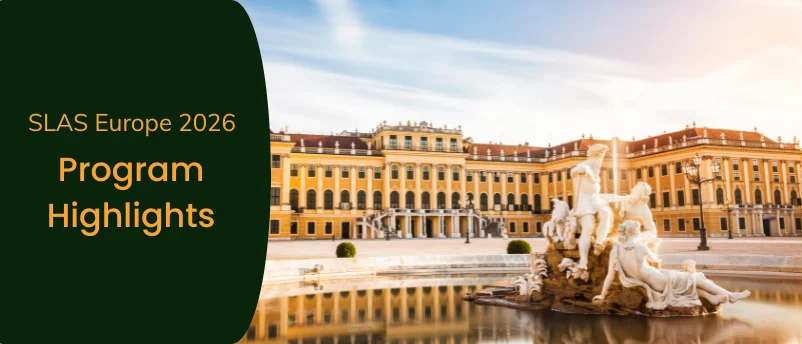
The Society for Laboratory Automation and Screening (SLAS) 2026 European Conference and Exhibition is poised to converge in Vienna, Austria, from May 19th to the 21st, welcoming a diverse array of attendees and exhibitors representing the entire life science ecosystem. Building upon the significant dialogues and breakthroughs presented at the flagship International Conference and Exhibition held in Boston earlier in the year, SLAS Europe 2026 is meticulously structured to deliver a program intensely focused on the latest advancements in drug discovery, laboratory automation, and pioneering screening applications. Participants can anticipate an immersive experience featuring cutting-edge laboratory technologies, thought-provoking scientific sessions, insightful presentations, and unparalleled networking opportunities designed to foster collaboration and accelerate innovation across the continent and beyond.
The annual SLAS European Conference serves as a critical nexus for the scientific and technological communities driving progress in life sciences. For over a decade, SLAS has been instrumental in connecting researchers, engineers, and industry leaders, facilitating the exchange of knowledge that underpins the development of novel therapies and diagnostic tools. The society’s mission centers on advancing life sciences discovery and technology through education, collaboration, and a vibrant global community. Its conferences are renowned for showcasing the interdisciplinary nature of modern science, where breakthroughs often emerge at the intersection of biology, chemistry, engineering, and computation. The European iteration of this prestigious event specifically caters to the unique scientific landscape and collaborative spirit prevalent in Europe, often highlighting regional innovations and partnerships. The choice of Vienna, a city steeped in scientific history and rapidly emerging as a biotech hub, further amplifies the conference’s strategic importance. The city’s rich academic infrastructure, exemplified by institutions like the Vienna BioCenter, and its central European location make it an ideal venue for fostering international scientific discourse.
Pre-Conference Immersion: A Deep Dive into Local Innovation (Monday, May 19th)
The 2026 program commences with an exclusive Technology Provider Showcase on Monday, May 19th, hosted at the prestigious Vienna BioCenter. This unique pre-conference event offers registered attendees an invaluable opportunity for direct engagement with a curated selection of local lab automation and biotechnology companies. Through interactive sessions and live demonstrations, participants will gain first-hand insights into the cutting-edge technologies and services being developed in the heart of Austria’s burgeoning biotech sector. A highlight of the showcase will be a comprehensive presentation from the Vienna BioCenter Core Facilities, detailing their state-of-the-art infrastructure and collaborative research initiatives. Furthermore, attendees will have the distinct privilege of touring active laboratories and observing workflows in real-time from prominent local innovators such as Akribes Biomedical, Myllia, and Beckman Coulter Life Sciences, all based in Vienna. These companies represent the forefront of innovation in areas ranging from advanced diagnostics to high-throughput screening solutions, providing a tangible glimpse into the future of laboratory science. It is important to note that attendance at the Technology Provider Showcase requires separate registration, underscoring its specialized nature and limited capacity. This pre-conference day is designed not only to showcase regional excellence but also to provide a foundational understanding of the practical applications of laboratory automation before the main scientific program begins.
Day 1: Charting the Future of Therapeutics and Technology (Tuesday, May 20th)
The main scientific program kicks off on Tuesday, May 20th, with a series of parallel sessions that promise to ignite discussions and unveil transformative research. The day’s agenda reflects SLAS’s commitment to addressing the most pressing challenges and opportunities in life sciences.
The day begins with a highly anticipated keynote session titled "Nanomedicine-based immunotherapy: concepts, automation & clinical translation," scheduled from 9:15 AM to 10:15 AM CEST in Strauss 1-2. This plenary address will delve into the revolutionary potential of nanomedicine as a complement to established immunotherapies, such as antibodies and cell therapies. Drawing upon over two decades of bioengineering advances, the presentation will illuminate how apolipoproteins can serve as robust scaffolds for engineering nanomedicines, facilitating safe and effective immune targeting. Crucially, the session will also explore pragmatic strategies for automation and clinical translation, bridging the gap between innovative research and patient benefit. The ability to precisely deliver therapeutic agents and modulate immune responses at the nanoscale holds immense promise for treating a wide range of diseases, from cancer to autoimmune disorders, making this keynote a cornerstone of the conference’s focus on future therapies.
Following the keynote, attendees will navigate a rich tapestry of concurrent sessions:
From the Advances in Laboratory Automation Track, the session "Next-gen discovery: emerging cellular & biophysical technologies" (11:00 AM – 12:30 PM CEST, Lehar 1-2) will explore ultra-sensitive technologies that are redefining our ability to detect and capture weak and transient biological interactions in real-time. This session will highlight a combination of cellular and biophysical approaches that are crucial for capturing dynamic processes and enabling intricate interrogation of target structures, pushing the boundaries of what is detectable in biological systems.
Concurrently, the Advances in Drug Discovery track presents "AI-driven drug discovery: from prediction to precision" (11:00 AM – 12:30 PM CEST, Strauss 1-2). This session is set to examine computational modeling approaches that are poised to exceed experimental throughput across various biological scales. From sophisticated protein structure prediction to single-cell perturbation modeling and advanced pathology image analysis, the discussion will underscore how the seamless integration of large-scale, multi-modal datasets can bridge theoretical prediction with profound mechanistic insight. This convergence is vital for enabling the development of tissue- and patient-specific therapeutic strategies, heralding a new era of personalized medicine. The increasing sophistication of AI algorithms is dramatically reducing the time and cost associated with identifying drug candidates, predicting efficacy, and understanding disease pathways, making this a pivotal session for anyone involved in pharmaceutical R&D.
Also at 11:00 AM – 12:30 PM CEST, in Lehar 3-4, the Screening Applications and Diagnostics Track will feature "Perturbomics as a powerful tool to discover new targets, leads and biomarkers." This session will delve into perturbation screening as a fundamental cornerstone of modern drug discovery. By systematically disrupting genes, pathways, or cellular states, these methods are uncovering novel biological insights, validating mechanisms, and identifying crucial predictive biomarkers. The session will highlight practical applications across both academic and industry settings, demonstrating how perturbation strategies are fundamentally reshaping target identification and therapeutic development.
Later in the afternoon, the Advances in Drug Discovery track continues with "Multiomics and spatial biology" (2:30 PM – 4:00 PM CEST, Strauss 1-2). This session will critically examine how single-cell and spatial omics technologies are profoundly transforming the study of disease within its native tissue context. By highlighting recent technological and computational advances, attendees will discover how spatial biology enables scalable experimentation and fosters a deeper understanding of disease mechanisms. This understanding is instrumental in supporting target and biomarker identification, which are essential for effective patient stratification in clinical trials and therapeutic interventions. The ability to analyze multiple omic layers (genomics, transcriptomics, proteomics, metabolomics) within a spatial context is providing unprecedented resolution into disease pathology and progression.
From the Exhibition Floor: Practical Innovations and Publishing Opportunities
Beyond the rigorous scientific program, the exhibition floor offers a dynamic environment for exploring practical applications and engaging with industry leaders. Exhibitor tutorials provide focused insights into specific technologies, workflows, and applications, offering a complementary perspective to the scientific sessions.
One such tutorial, "Building a robust automated sample prep workflow to support diverse proteomics applications: Insights from a CRO" (12:30 PM – 1:30 PM CEST, Stolz 1), will be delivered by Biognosys (Schlieren, Switzerland) and Hamilton (NV, USA/Bonaduz, Switzerland). This session is particularly relevant for attendees involved in high-throughput proteomics, highlighting how effective collaboration between workflow developers and automation engineers can create scalable workflows perfectly aligned with the demanding requirements of modern mass spectrometry. Biognosys will showcase its fully integrated, end-to-end automated workflow encompassing protein quantification, digestion, cleanup, normalization, and preparation within a single system. Concurrently, Hamilton will outline the sophisticated automation architecture that underpins and enables this highly efficient workflow.
In the afternoon, attendees have a unique opportunity to "Meet SLAS Technology Associate Editor Kerstin Thurow" (3:00 PM – 3:30 PM CEST, Exhibition Hall B – SLAS Booth #1113). Dr. Thurow will provide valuable insights into publishing opportunities with SLAS, covering manuscript submissions, the process of becoming a peer reviewer, and overall editorial engagement. The peer-reviewed SLAS journals – SLAS Technology and SLAS Discovery – are critical platforms for disseminating breakthrough technologies in life sciences research, automation, and drug discovery, published Gold Open Access by Elsevier (London, UK). This interaction provides a direct channel for researchers to learn how to effectively share their work with the global scientific community.
Furthermore, at booth #105, industry experts Jonathan Wingfield, former President of SLAS, and Wenshu Xu, Head of Drug Discovery at TTP, will be available to discuss how TTP supports pharmaceutical and biotech companies in accelerating innovation across the Design-Make-Test-Analyze (DMTA) cycle. Their expertise spans bespoke automation, instrumentation, and microfluidic technologies, all crucial for streamlining drug discovery processes.
Day 2: Advancing Automation and Recognizing Innovation (Wednesday, May 21st)
The final day of SLAS Europe 2026 continues to push the boundaries of scientific exploration, with a strong emphasis on automation in increasingly complex biological models and the recognition of emerging talent.
From the Advances in Laboratory Automation track, the session "Automating drug discovery in 3D-models" (11:00 AM – 12:30 PM CEST, Lehar 1-2) will explore various automation, robotics, and liquid handling solutions. This session directly addresses the significant challenges in throughput and reproducibility associated with the burgeoning use of complex 3D cell models and co-culture systems in drug discovery and disease modeling. Discussions will encompass innovative approaches for handling fragile 3D systems, adapting assays for miniaturized and multiplexed readouts, and seamlessly combining multiomics and biophysical measurements with automated platforms. The shift from traditional 2D cell cultures to more physiologically relevant 3D models, such as organoids and spheroids, is a major trend in drug discovery, and automation is key to making these complex systems scalable and reliable.
An exhibitor tutorial by Molecular Devices (Reading, UK) titled "Automated high-throughput organoid culture for translational research" (9:00 AM – 10:00 AM CEST, Stolz 2) will focus specifically on automation strategies for organoid systems and complex 3D models, particularly within infectious disease research. The session will showcase Molecular Devices’ AI-driven robotic platform, designed to automate and optimize organoid culture workflows. This innovation enables high-throughput, standardized production of organoids, thereby supporting large-scale infection studies and systematic screening of pathogens and therapeutic interventions. This represents a significant leap forward in utilizing advanced models for critical research.
In the Exhibition Theatre (Exhibition Hall B, #124), BlueCatBio (Nuremberg, Germany) will present "Automating high-throughput flow cytometry sample prep with the Blue®CombiX" (11:30 AM – 11:50 AM CEST). This session will showcase their latest instrument, Blue®CombiX, which is specifically designed to fully automate the spindown, washing, and reagent addition steps essential for flow cytometry sample preparation at scale. The presentation will also cover associated proprietary consumables, including the Blue®Plate and Cell®Safe for gentle processing, and the BlueCap waste removal system for significantly reduced contamination risk. Such automation is crucial for increasing the efficiency and reliability of flow cytometry, a cornerstone technique in cell biology and immunology.
A fitting conclusion to the conference agenda will be the highly anticipated "Ignite Award announcement" (4:15 PM – 4:45 PM CEST, Exhibition Hall B – Exhibition Theatre #124). This prestigious award recognizes the most promising start-up or emerging company exhibiting within Innovation AveNEW, a dedicated program designed to help early-stage companies in the life sciences and technology space actively engage with exhibition attendees and key purchasing decision-makers. This year’s finalists represent the vanguard of biotech innovation: Culturon Pty Ltd, Lutèce Dynamics, and PartitionBio (all based in London, UK), Syntopia (Paris, France), and Trince (Ghent, Belgium). The Ignite Award not only provides crucial visibility and validation for these nascent enterprises but also highlights the entrepreneurial spirit driving future breakthroughs in laboratory automation and drug discovery. The innovations presented by these finalists often address unmet needs or offer disruptive technologies that could reshape various aspects of the life sciences landscape.
Vienna: A Historic Backdrop for Future Discoveries
Renowned globally for its breathtaking Baroque architecture, its profound contributions to classical music, and its rich intellectual heritage, Vienna will undoubtedly provide a picturesque and inspiring backdrop for the attendees of SLAS Europe 2026. Beyond the city’s undeniable cultural appeal, which offers a stimulating environment for international visitors, this year’s scientific program promises to be nothing short of exceptional. Across three intensive days of scientific sessions, engaging poster presentations, and interactive exhibitions, the conference will offer unparalleled opportunities to explore how groundbreaking advances in artificial intelligence, robotics, and automation are collectively enabling the seamless integration of diverse omics datasets. These technological strides are simultaneously improving reproducibility and scalability across research workflows, ultimately paving the way for the accelerated delivery of precision therapeutics and next-generation biologics into clinical practice. The synergistic blend of cutting-edge science and a culturally rich environment creates a unique atmosphere for fostering collaboration and innovation.
The strategic partnership with Zyme Communications (Cambridge, UK), the conference’s official media coordinator, ensures comprehensive coverage and facilitates access to key insights and interviews throughout the event. This collaboration underscores SLAS’s commitment to broad dissemination of scientific progress and fostering public engagement with the advancements showcased. SLAS Europe 2026 is poised not only to highlight the most recent scientific and technological breakthroughs but also to galvanize the global life sciences community towards a future of more efficient, effective, and accessible healthcare solutions. The convergence of scientific leaders, industry innovators, and emerging companies in Vienna will undoubtedly leave an indelible mark on the trajectory of drug discovery and laboratory automation for years to come.












Leave a Reply