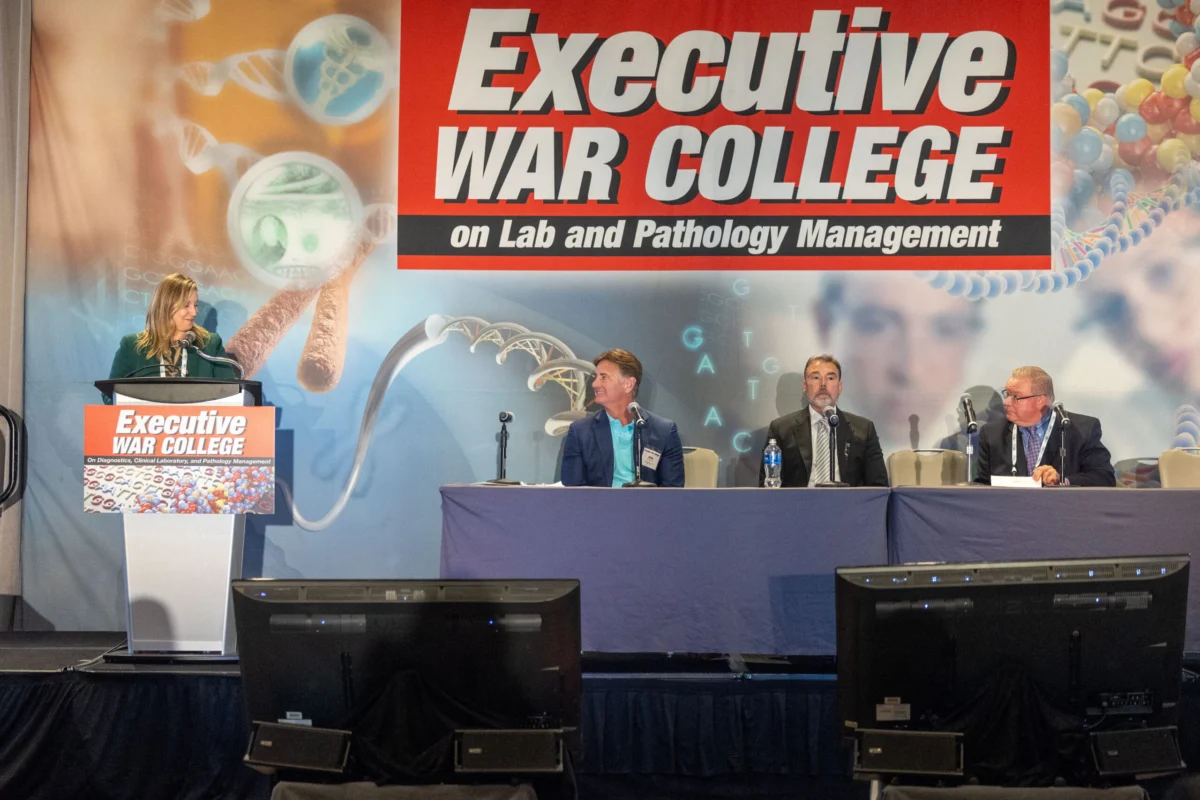
New Orleans is poised to host the 31st Annual Executive War College on Diagnostics, Clinical Laboratory, and Pathology Management from April 28 to 29, gathering an unparalleled assembly of lab leaders to confront the most pressing issues shaping the industry. This year’s conference is strategically designed to deliver practical, execution-focused strategies across critical domains including financial performance, workforce development, regulatory compliance, and the integration of groundbreaking technologies, with a distinct and timely focus on the transformative potential of digital pathology and artificial intelligence (AI) in operations.
A Legacy of Leadership: Three Decades of Strategic Insight
For over three decades, the Executive War College has established itself as the preeminent forum for clinical laboratory and pathology management executives. Since its inception, the event has consistently served as a vital nexus for industry stakeholders, providing a platform for sharing innovative solutions and fostering collaborative dialogue. Its enduring legacy is built upon a commitment to equipping lab leaders with the tools and insights necessary to navigate an ever-evolving healthcare landscape. Each year, the college’s agenda is meticulously crafted to reflect the immediate challenges and future opportunities confronting diagnostic laboratories, making it an indispensable resource for strategic planning and operational excellence. The 31st iteration underscores this tradition by addressing a confluence of economic, technological, and human capital pressures that are redefining the contours of laboratory medicine.
The genesis of the Executive War College dates back to a time when clinical laboratories were beginning to experience significant shifts in reimbursement policies and increasing demands for efficiency. Recognizing the growing complexity of managing these critical healthcare components, the organizers envisioned a platform where leaders could engage in frank discussions, learn from peers, and gain actionable strategies. Over the years, the conference has meticulously tracked the industry’s trajectory, adapting its curriculum to encompass everything from the initial impacts of managed care to the rise of molecular diagnostics, and now, the profound implications of digital transformation. This chronological evolution reflects the dynamic nature of diagnostic medicine and the college’s unwavering dedication to staying at the forefront of industry trends.
Navigating a Complex Landscape: The Six Pillars of the 2026 Agenda
The comprehensive agenda for the 2026 Executive War College is meticulously structured around six strategic themes, each reflecting a critical area of focus for modern laboratory management. These themes are not merely topics but represent the core challenges and opportunities that will dictate success in the coming years:
- Financial Performance and Reimbursement Optimization: Addressing the persistent pressures of declining reimbursement rates, complex payer negotiations, and the ongoing impact of initiatives like the Protecting Access to Medicare Act (PAMA), which has significantly altered the financial landscape for many laboratories. Strategies will focus on cost-efficiency, revenue cycle management, and diversification of service lines.
- Workforce Development and Retention Strategies: Confronting the deepening crisis of staffing shortages across all laboratory roles—from medical laboratory scientists to pathologists. Sessions will explore innovative recruitment, training, and retention models, including career ladder programs and new approaches to talent management.
- Regulatory Compliance and Risk Management: Navigating the intricate web of federal and state regulations, including CLIA, HIPAA, and emerging data privacy mandates. Experts will provide guidance on maintaining compliance, mitigating audit risks, and adapting to new oversight requirements.
- Digital Pathology and AI Integration: A significant new emphasis on the adoption and practical implementation of digital pathology workflows, artificial intelligence tools for diagnostics and operations, and strategies for seamless data integration. This theme explores the frontier of diagnostic innovation.
- Operational Efficiency and Quality Improvement: Focusing on streamlining laboratory processes, reducing pre-analytical errors, optimizing turnaround times, and implementing robust quality management systems to enhance patient safety and laboratory performance.
- Strategic Planning and Leadership Development: Equipping laboratory executives with the foresight and leadership skills necessary to drive organizational change, foster innovation, and effectively lead teams through periods of significant disruption and technological advancement.
According to Dr. Robert Green, a long-time attendee and CEO of a national reference lab, "The Executive War College isn’t just a conference; it’s a strategic retreat. Every year, I leave with concrete plans to tackle our most pressing issues. This year, with the heightened focus on AI and workforce solutions, it feels more critical than ever to collaborate and learn from the best."
The Digital Frontier: Executive Forum on Digital Pathology Management
A pivotal addition to the 2026 program is the inaugural Executive Forum on Digital Pathology Management. This dedicated session marks a significant evolution in the conference’s scope, acknowledging the irreversible shift towards digital transformation within pathology. The forum is designed as an interactive and collaborative experience, delving deep into the practicalities of integrating digital workflows, leveraging artificial intelligence, and achieving seamless data integration within pathology departments.
The move to digital pathology is not merely an upgrade but a fundamental paradigm shift. Historically, pathologists have relied on microscopes to examine glass slides. Digital pathology replaces this with high-resolution scanned images, viewable on computer screens, enabling remote diagnosis, enhanced collaboration, and the application of computational analysis. This transition, while offering immense benefits, presents a complex array of challenges, including significant upfront capital investment, data storage and security concerns, interoperability with existing laboratory information systems (LIS) and hospital electronic health records (EHR), and the need for comprehensive pathologist training.
The forum will highlight real-world implementation strategies, offering attendees actionable insights into vendor selection, return on investment (ROI) calculations, regulatory considerations for AI-driven diagnostic tools (e.g., FDA clearance for algorithms), and best practices for change management within a department. Experts will present case studies on how early adopters have successfully navigated these complexities, demonstrating how digital tools can enhance diagnostic accuracy, improve efficiency, and expand access to specialized pathology expertise, particularly in underserved areas.
The integration of AI into digital pathology workflows represents the next frontier. AI algorithms can assist pathologists by rapidly scanning slides for suspicious areas, quantifying cellular features, and even predicting patient outcomes. While promising, the ethical implications, validation requirements, and the need for robust oversight of AI tools are paramount. The Executive Forum will provide a crucial platform for discussing these advancements and charting a responsible path forward.
Confronting the Workforce Crisis: Lessons from Stanford and Beyond
The persistent and escalating workforce challenges facing clinical laboratories remain a central theme at the 2026 Executive War College. Data from organizations like the American Society for Clinical Pathology (ASCP) consistently highlight severe shortages across medical laboratory scientist, phlebotomist, and pathology assistant roles, exacerbated by an aging workforce and insufficient numbers of new graduates entering the field. These shortages directly impact turnaround times, testing capacity, and ultimately, patient care.

Building upon insights from previous years, the conference will present updated solutions for these critical staffing issues. The 2025 Executive War College notably featured innovative approaches, including a widely discussed presentation by Jennifer Fralick, Vice President of Anatomic Pathology and Clinical Laboratories at Stanford Health Care. As reported by The Dark Report, Fralick detailed how Stanford was effectively tackling severe staffing shortages not merely by external hiring, but by strategically focusing on internal talent development.
Fralick’s presentation emphasized the implementation of robust career ladders, which provide clear pathways for professional growth and skill acquisition within the laboratory. These programs incentivize existing staff to expand their competencies and take on new responsibilities, fostering loyalty and reducing turnover. Furthermore, Stanford’s approach included comprehensive training programs designed to upskill and cross-train staff, enhancing flexibility and resilience within the workforce. A key component of their strategy involved smarter staffing models that intelligently redistribute routine tasks away from highly licensed professionals, allowing them to focus on complex analyses requiring their specialized expertise. This might involve leveraging automation for repetitive tasks or training laboratory assistants for specimen processing and data entry, thereby optimizing the utilization of a scarce, highly skilled workforce. These strategies collectively improve efficiency, mitigate burnout, and enable labs to cultivate sustainable, long-term workforce pipelines rather than solely relying on a dwindling external talent pool.
This year, Jennifer Fralick returns to the Executive War College, offering an even more forward-looking perspective by discussing an "AI playbook for labs." Her presence underscores the interconnectedness of technological advancement and workforce strategy, illustrating how AI tools can augment human capabilities, automate repetitive tasks, and potentially alleviate some of the pressures of staffing shortages by increasing overall laboratory throughput and efficiency.
Ensuring Quality: Pre-Analytical Excellence as a Cornerstone
Operational solutions and the relentless pursuit of quality are foundational elements of the 2026 agenda. The critical importance of robust quality management systems, particularly in the pre-analytical phase, was a key takeaway from the 2025 Executive War College, and will be revisited with updated strategies.
Last year, as The Dark Report highlighted, Dr. Shashirekha Shetty, Professor in the Department of Pathology at Case Western Reserve University, delivered a compelling presentation on the often-overlooked yet profoundly impactful pre-analytical phase of laboratory testing. Dr. Shetty underscored a critical statistic: up to 70% of all laboratory errors originate in the pre-analytical phase. These errors encompass a broad spectrum, including incorrect test orders, improper patient identification, inadequate specimen collection techniques, inappropriate sample handling (e.g., incorrect temperature, delayed transport), and poor communication between clinicians and laboratory staff. The consequences of such errors are far-reaching, ranging from delayed diagnoses and inappropriate treatments to significant financial waste and, most critically, compromised patient safety.
Dr. Shetty’s presentation emphasized that laboratories must assert full ownership and responsibility for this crucial phase, extending their quality control mechanisms beyond the analytical and post-analytical stages. Her recommended solutions included the implementation of rigorously standardized workflows for every step of the pre-analytical process, from patient registration to sample reception. This standardization reduces variability and minimizes the potential for human error. Furthermore, she advocated for strengthening training programs for all personnel involved in specimen collection and handling, coupled with enhanced collaboration and communication channels with clinicians. By fostering a culture of shared responsibility and continuous feedback, laboratories can proactively address potential issues before they impact patient results. Embedding pre-analytic quality into the overall quality management system (QMS) ensures that these preventative measures are not isolated initiatives but integral components of a comprehensive approach to excellence.
Attendees at the upcoming conference can anticipate updated and expanded solutions to these and other operational challenges. Experts will present contemporary case studies and best practices for optimizing workflows, leveraging automation to reduce human error, and implementing advanced quality control measures that span the entire testing continuum.
Expert Insights and Actionable Roadmaps
The 31st Annual Executive War College promises an exceptionally rich program, featuring nearly 80 sessions and around 150 speakers—a testament to the depth and breadth of expertise converged for the event. Healthcare attorney Elizabeth Sullivan of McDonald Hopkins, a respected voice in regulatory compliance, will return for two critical sessions, building on her impactful panel discussion from last year. Her contributions will provide essential guidance on navigating the ever-complex legal and regulatory landscape facing clinical laboratories.
The emphasis throughout the conference is on delivering practical tools, real-world case studies, and operational playbooks. Laboratory executives are not merely attending for information; they are seeking clear, actionable roadmaps. The program is meticulously designed to ensure that attendees depart with tangible strategies to navigate the myriad pressures confronting the industry—from relentless financial constraints and escalating regulatory scrutiny to the exhilarating yet challenging pace of technological change.
Broader Impact and Future Outlook
The Executive War College serves as more than just a gathering; it is a critical bellwether for the diagnostic industry. The discussions and strategies forged in New Orleans will have far-reaching implications for patient care, the efficiency of healthcare delivery, and the overall trajectory of medical innovation. Clinical laboratories, often operating behind the scenes, are in fact the linchpin of modern medicine, providing essential data for diagnosis, treatment monitoring, and disease prevention.
The challenges addressed—staffing shortages, reimbursement pressures, and the imperative to adopt new technologies like AI—are not isolated issues but interconnected facets of a rapidly transforming healthcare ecosystem. By fostering an environment of collaborative problem-solving and knowledge exchange, the Executive War College empowers laboratory leaders to not only adapt to these changes but to proactively shape the future of diagnostics. The successful integration of digital pathology and AI, coupled with robust workforce development and unwavering commitment to quality, will define the next era of laboratory medicine, ultimately leading to more precise diagnoses, improved patient outcomes, and a more sustainable healthcare system. The insights gleaned from this annual event are instrumental in ensuring that clinical laboratories remain at the vanguard of medical progress, ready to meet the demands of an increasingly complex and technologically advanced world.