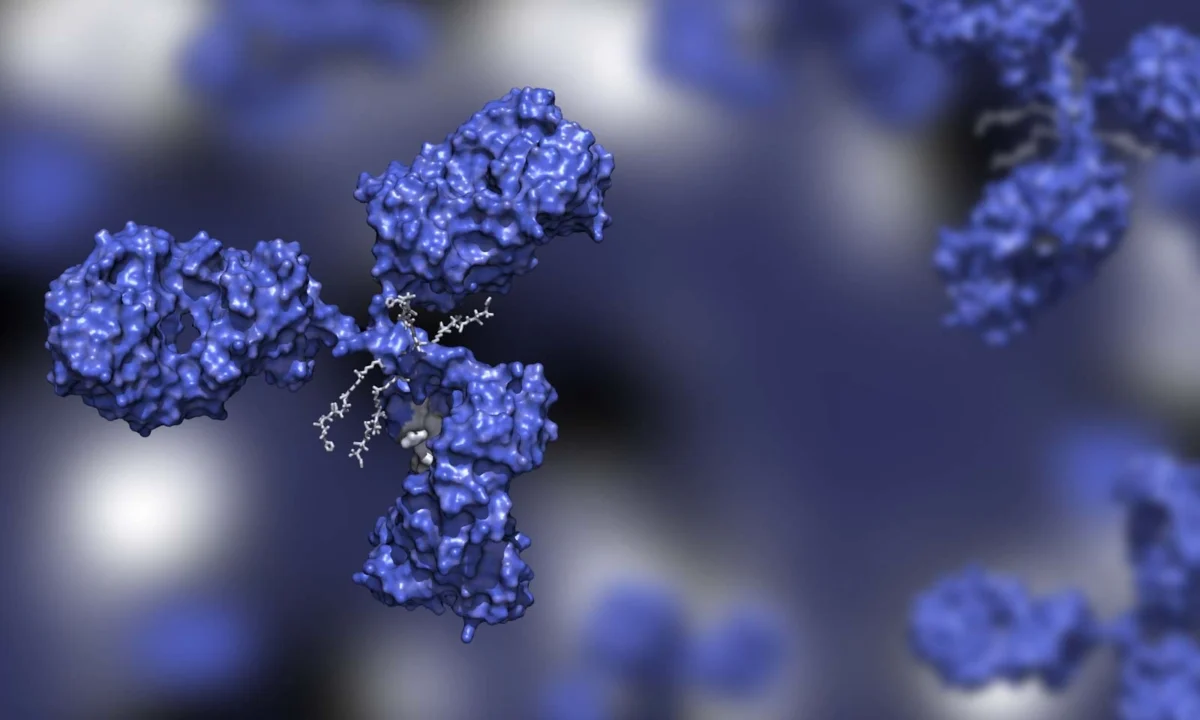
Combining the targeted precision of monoclonal antibodies with the potent destructive power of cytotoxic payloads, Antibody-Drug Conjugates (ADCs) represent a transformative therapeutic modality. This innovative class of drugs delivers highly toxic agents directly to diseased cells, such as cancer cells, while minimizing collateral damage to healthy tissues. Over the past decade, a surge in clinical successes and robust commercial performance has propelled ADCs from niche treatments to a cornerstone of modern oncology and an area of burgeoning interest in other therapeutic fields. Integral to this remarkable growth and ongoing evolution is the sophisticated science behind payload linker innovation. These specialized chemical structures act as the critical bridge connecting the targeting antibody to the therapeutic payload, fundamentally influencing the ADC’s stability, safety, efficacy, and manufacturability. As the ADC pipeline continues to expand and the competitive landscape intensifies, advancements in payload linker technology are increasingly recognized as a key differentiator and a critical driver of future therapeutic breakthroughs.
The Ascendancy of ADCs: A Market Poised for Explosive Growth
The trajectory of Antibody-Drug Conjugates in the pharmaceutical market is nothing short of extraordinary. Industry analysis from GlobalData projects the ADC market to reach a staggering $65.2 billion by 2031, a testament to the increasing number of products achieving commercialization and the significant clinical and commercial success of existing therapies. This impressive market expansion is fueled by a rapidly growing pipeline. Data indicates that the number of ADCs in development or already on the market has surged dramatically, increasing from 557 in 2020 to an estimated 1,643 by 2025, nearly tripling in just five years. This remarkable momentum is largely attributable to compelling clinical trial data and successful market approvals that have demonstrably improved patient outcomes. Key advancements in antibody engineering, conjugation techniques, and payload design have collectively enhanced efficacy while simultaneously mitigating toxicity, paving the way for broader therapeutic applications. As this pipeline continues to mature and novel ADC formats emerge, the spotlight is increasingly turning towards a critical, yet often overlooked, component of ADC design: the payload linker.
Understanding the Intricate Dance of Payload Linkers
Within the complex architecture of an ADC, the linker serves as the chemical intermediary, meticulously attaching the cytotoxic payload to the antibody. Its role is dual-faceted and demands exquisite balance: it must maintain the structural integrity and stability of the ADC during circulation within the bloodstream, preventing premature release of the toxic payload. Simultaneously, it must facilitate the precise and efficient release of the payload once the ADC has successfully bound to and been internalized by its target cell. A linker that is too labile risks premature cleavage in circulation, leading to systemic toxicity and reduced therapeutic effectiveness. Conversely, a linker that is excessively stable may hinder the efficient release of the payload within the target cell, thereby compromising the ADC’s efficacy.
Payload linkers are broadly classified into two primary categories: cleavable and non-cleavable. Cleavable linkers are engineered to respond to specific biological cues within the body, such as the presence of certain enzymes or the acidic pH characteristic of the tumor microenvironment, triggering the release of the payload. Non-cleavable linkers, on the other hand, remain intact until the ADC is fully internalized by the target cell and subsequently degraded within cellular compartments like lysosomes, liberating the active drug.
Cleavable Linker Technologies: Precision Release Mechanisms
The majority of currently approved antibody-drug conjugates employ cleavable linker strategies. This approach is designed to ensure the pharmacokinetic stability of the ADC in circulation while enabling the controlled release of the potent cytotoxic payload only after the ADC has successfully engaged its target antigen and been internalized by the intended cell. This targeted release mechanism is paramount to maximizing therapeutic benefit and minimizing off-target effects.
Hydrazone Linkers: An Early but Limited Approach
Among the earliest linker technologies explored for ADCs were hydrazone linkers. These linkers exhibit pH sensitivity, designed to undergo cleavage in the acidic milieu of endosomes and lysosomes following ADC internalization. Gemtuzumab ozogamicin (Mylotarg), one of the pioneering ADCs, utilized a hydrazone linker to tether the calicheamicin payload to its antibody. While this early application demonstrated the fundamental feasibility of the ADC concept, hydrazone linkers proved to possess less stability in circulation than initially hoped. Premature cleavage in the bloodstream contributed to safety concerns and underscored the urgent need for the development of more robust and stable linker systems.
Protease-Cleavable Peptide Linkers: A Dominant Strategy
Peptide-based linkers have emerged as a widely adopted and highly successful strategy. These linkers are designed to be cleaved by tumor-associated proteases, particularly lysosomal enzymes such as cathepsin B. A prime example of this technology is the valine-citrulline (Val-Cit) linker, prominently featured in several highly successful ADCs, including brentuximab vedotin (Adcetris). In this system, the peptide linker is precisely cleaved within the tumor cell by endogenous proteases, releasing the potent auristatin payload. The Val-Cit linker has gained significant traction due to its advantageous combination of robust plasma stability and efficient intracellular drug release, making it a workhorse in ADC design.
Disulfide Linkers: Exploiting Redox Gradients
Disulfide linkers leverage the distinct redox potentials found in extracellular and intracellular environments. The disulfide bond within these linkers remains relatively stable during circulation in the bloodstream. However, once internalized by the target cell, the significantly higher concentrations of reducing agents, such as glutathione, effectively cleave the disulfide bond, thereby releasing the payload.
Novel Enzyme-Activated and Tumor Microenvironment-Responsive Linkers
More contemporary linker designs are exploring enzyme-activated systems that specifically respond to enzymes prevalent within the tumor microenvironment. These advanced linkers offer the potential for enhanced selectivity and may enable novel ADC strategies that facilitate drug release even before internalization, particularly in certain tumor contexts. This design also supports the "bystander effect," where the released cytotoxic payload can diffuse into neighboring tumor cells that may not express the target antigen, thereby amplifying treatment efficacy in heterogeneous tumors.
Cutting-Edge Research Illuminates the Path Forward in Payload Linker Innovation
Recent peer-reviewed studies continue to underscore the profound impact of linker chemistry on ADC performance. Advanced medicinal chemistry analyses reveal that while linker-payload structures typically constitute less than 500 Daltons of an ADC’s total molecular mass, they exert a disproportionately significant influence on the ADC’s pharmacokinetics, systemic stability, and overall therapeutic index. Meticulous improvements in linker design can substantially mitigate premature payload release while simultaneously enabling more controlled and precise intracellular drug delivery.
Comparative research investigating the functional groups within linker architectures has demonstrated a hierarchy of in-vivo stability, generally following the order: amide > carbamate > ester > carbonate. These findings highlight how subtle structural variations in linker design can profoundly affect the likelihood of premature drug release and subsequent systemic toxicity.
To achieve the traceless release of the pharmacologically active payload, a meticulously designed chemical connectivity between the linker and the payload is essential. Amide and carbamate linkages are highly suitable for connecting to amine functionalities present in many payloads. However, developing a suitable chemical linker for payloads featuring alcohol functionalities presents greater synthetic challenges. A particularly elegant solution to this issue involves the utilization of ortho-hydroxy-protected aryl sulfates (OHPAS). This innovation significantly expands the design space for payload linkers, allowing for the incorporation of payloads that do not possess amine functionalities.
Peptide-based cleavable linkers continue to be a dominant feature in numerous ADC designs, particularly those employing protease-activated release mechanisms. Ongoing research efforts are intensely focused on enhancing plasma stability while ensuring efficient enzymatic cleavage within tumor cells. The optimization of these peptide linker systems aims to bolster tumor-specific activation and concurrently minimize off-target toxicity.
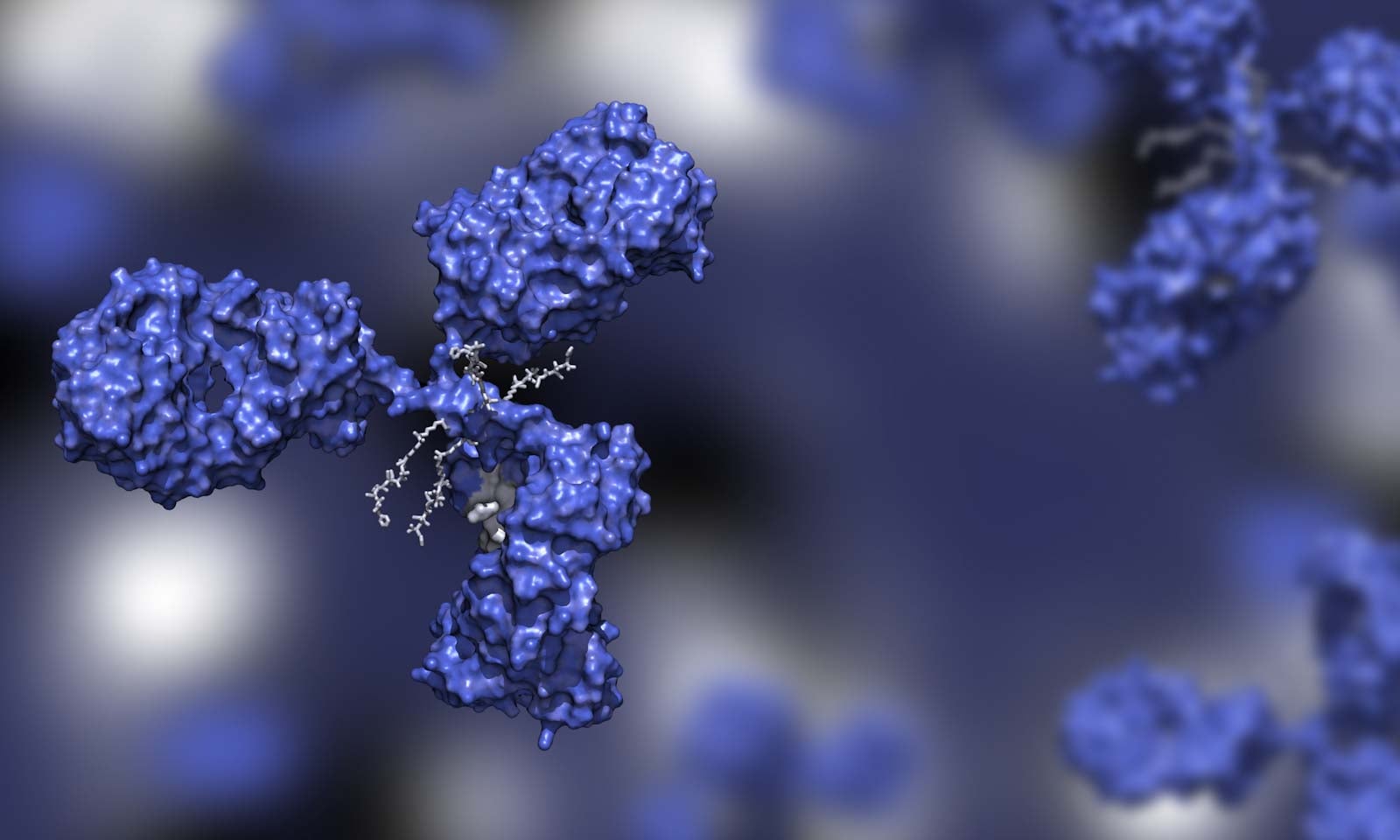
Furthermore, researchers are actively exploring multifunctional linkers capable of conjugating multiple payloads to a single antibody. These dual-payload systems hold considerable promise for enhancing tumor cell killing in heterogeneous tumors by combining distinct cytotoxic mechanisms within a single ADC construct. This approach offers a sophisticated strategy to overcome resistance mechanisms and improve overall treatment efficacy.
Next-Generation Linker Strategies: Pushing the Boundaries of ADC Design
Modern approaches being actively investigated, including engineered cysteine residues, advanced enzymatic conjugation methods, and peptide-mediated conjugation technologies such as AjiCap, enable the precise attachment of payloads at defined sites on the antibody. These sophisticated techniques facilitate more consistent drug-to-antibody ratio (DAR) values and contribute to improved ADC stability.
Linker technologies are also evolving in tandem with next-generation payload classes, encompassing topoisomerase inhibitors, immune modulators, and targeted protein degraders. These advanced payloads can be synergistically enhanced with specialized linker chemistries to achieve optimal release kinetics and maximize therapeutic activity.
Jean-Francois Carniaux, Vice President and Global API Technical Lead at Piramal Pharma Solutions, remarked, "In recent years, payload-linker innovation has focused on improving plasma stability, enabling controlled payload release, and reducing overall ADC hydrophobicity. Developers are also exploring linkers compatible with new payload classes beyond traditional microtubule inhibitors. While oncology remains the dominant application, growing interest is emerging in autoimmune disease and other therapeutic areas." This sentiment highlights the expanding horizon for ADC technology, driven by continuous innovation in linker design.
Navigating the Challenges in Customized Payload Linker Development
Despite the rapid advancements in ADC technology, the development of customized payload linkers remains a technically intricate undertaking. Even minute structural alterations in linker design can significantly influence conjugation efficiency, DAR, stability, and the overall therapeutic performance of the ADC.
The manufacturing of payload linkers presents its own unique set of challenges. Given that ADC payloads are typically highly potent compounds, their synthesis and scale-up necessitate specialized high-potency active pharmaceutical ingredient (HPAPI) facilities to ensure stringent safety protocols and effective containment throughout the manufacturing process.
According to Carniaux, the development of customized payload linkers requires a synergistic combination of deep chemical expertise, sophisticated analytical instrumentation, and specialized manufacturing infrastructure. He elaborated, "Customized payload-linkers introduce challenges around synthetic complexity, stability, and safe handling of highly potent payloads during development and scale-up. Small structural changes can also affect conjugation efficiency, manufacturability, and overall ADC stability."
To effectively surmount these hurdles, pharmaceutical developers are increasingly forging partnerships with specialized contract development and manufacturing organizations (CDMOs) that possess dedicated capabilities in HPAPI chemistry and advanced conjugation technologies. These collaborations are crucial for navigating the complex scientific and manufacturing landscape of ADC development.
The Indispensable Role of Specialists in Payload Linker Manufacturing
As the ADC pipeline continues its rapid expansion, pharmaceutical companies are increasingly seeking integrated partners with comprehensive capabilities spanning the entire ADC development lifecycle. Specialized expertise in both novel conjugation technologies and the complex development and manufacturing of HPAPIs addresses two of the most significant challenges inherent in ADC development.
Piramal Pharma Solutions has strategically positioned itself within this dynamic and evolving landscape through its specialized capabilities in payload linker development. The company’s HPAPI facility in Riverview, Michigan, USA, is equipped to produce custom payload linkers, empowering developers to design tailored linker-payload constructs rather than relying on standardized, off-the-shelf materials. This bespoke approach allows for optimization tailored to specific therapeutic targets and payload characteristics.
The Riverview facility houses specialized laboratories adept at handling highly potent compounds, performing the intricate chemical synthesis, purification, and isolation processes essential for payload linker production. This integrated capability ensures both quality and safety throughout the manufacturing continuum.
As the ADC pipeline continues to grow and the therapeutic requirements become increasingly specific, ongoing innovations in linker chemistry and manufacturing will remain paramount. The ability to design and produce novel, stable, and precisely releasing linkers will be critical to unlocking the full therapeutic potential of antibody-drug conjugates across a widening spectrum of diseases. The sophisticated interplay between antibody targeting, linker functionality, and payload potency will continue to define the future of this revolutionary class of therapeutics.
To learn more about the specialist payload linker services provided by Piramal Pharma Solutions, interested parties are encouraged to download the accompanying document.