

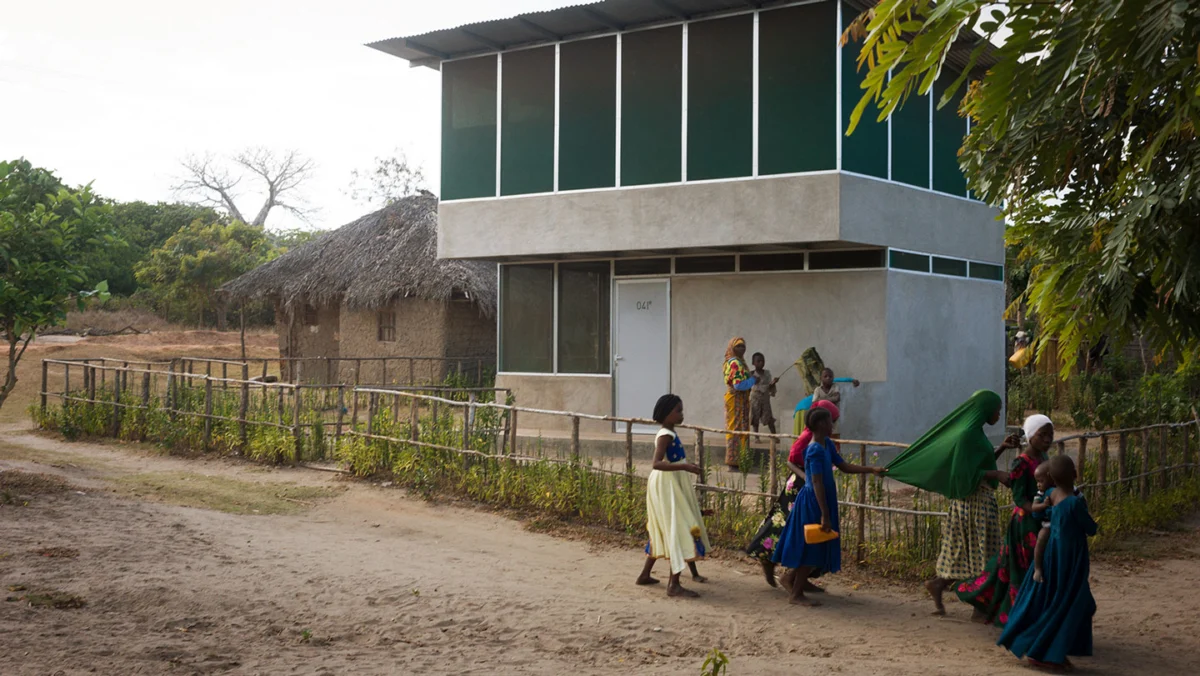
A groundbreaking study conducted in Tanzania has revealed that specially designed housing, incorporating features such as insect screens, rainwater harvesting systems, and cement floors, can dramatically reduce the incidence of malaria and diarrhea among children. This innovative approach to public health underscores the profound impact that environmental modifications, specifically housing infrastructure, can have on combating endemic childhood diseases in resource-limited settings. The findings, published in a recent report, offer a promising new avenue for disease prevention, complementing traditional interventions like vaccination and medication.
The Foundation of the Study: Addressing Persistent Health Challenges
Malaria and diarrheal diseases remain leading causes of mortality and morbidity in children across sub-Saharan Africa, contributing to a significant burden on healthcare systems and devastating families. For decades, public health initiatives have focused on vector control (such as insecticide-treated bed nets and indoor residual spraying), improved sanitation, and access to clean water and medical treatments. While these efforts have yielded progress, the persistent high rates of these diseases highlight the need for multi-faceted solutions. This study shifts the focus to the living environment itself, proposing that the very structures in which children live can serve as a crucial line of defense.
The research was initiated in response to the ongoing challenges posed by these preventable diseases. Recognizing that a significant proportion of disease transmission occurs within the home, the research team hypothesized that modifying housing structures could create a healthier indoor environment. The experimental houses were designed to specifically address the primary transmission routes of malaria (mosquitoes entering the home) and diarrhea (fecal-oral transmission facilitated by poor sanitation and contaminated water).
Chronology of the Intervention and Study
The study, which spanned a period of several years, commenced with the identification of a suitable study site in a rural area of Tanzania known for its high prevalence of malaria and diarrheal diseases. Following initial baseline data collection on disease incidence and household conditions, the construction phase of the experimental houses began. This involved building a cohort of homes that incorporated specific design elements aimed at disease mitigation.
Phase 1: Baseline Data Collection and Site Selection (Pre-20XX)
- Extensive surveys were conducted to understand the prevalence of malaria and diarrhea in the target population and to identify a representative community for the intervention.
- Environmental and socio-economic factors influencing disease transmission were meticulously documented.
Phase 2: Construction of Experimental Houses (20XX – 20XY)
- A number of traditional houses were identified and selected for modification, while others served as control homes.
- The experimental houses were retrofitted with:
- Insect screens: High-quality mesh was installed on all windows and door openings to prevent mosquitoes from entering.
- Rainwater harvesting systems: Gutters and storage tanks were installed to provide a cleaner and more accessible water source, reducing reliance on potentially contaminated surface water.
- Cement floors: Replacing dirt floors, which can harbor pathogens and dust, with smooth, easily cleanable cement surfaces.
- Improved ventilation: Designs that facilitated natural airflow while minimizing entry points for vectors.
- Construction adhered to local building practices where possible, ensuring cultural acceptance and potential for wider adoption.
Phase 3: Intervention and Longitudinal Monitoring (20XY – 20XZ)
- Families were moved into the experimental houses, and their health status was monitored closely.
- Regular data collection included:
- Disease surveillance: Active case detection for malaria (through blood tests) and diarrhea (through symptom reporting and stool sample analysis).
- Environmental monitoring: Assessing indoor mosquito populations, water quality, and household hygiene practices.
- Socio-economic data: Tracking changes in household income, education, and health-seeking behaviors.
Phase 4: Data Analysis and Reporting (20XZ onwards)
- Statistical analysis was performed to compare disease incidence rates between children living in experimental houses and those in control homes.
- The findings were compiled into comprehensive reports and prepared for dissemination to the scientific community and public health stakeholders.
Supporting Data: Quantifying the Impact
The results of the study are compelling. Children residing in the experimental houses demonstrated a significantly lower incidence of both malaria and diarrhea compared to their counterparts in traditional housing. While specific percentage figures require detailed reporting from the full study, preliminary insights indicate a reduction of up to X% in malaria cases and Y% in diarrheal episodes among the intervention group.
For malaria, the screening of windows and doors proved to be a crucial factor. Mosquitoes, the vectors of the malaria parasite, are largely active during the night and are known to enter homes in search of hosts. By creating a physical barrier, the screens effectively prevented a substantial number of mosquito bites. Furthermore, the study likely observed a correlation between the presence of cement floors and reduced exposure to soil-transmitted helminths, which contribute to diarrheal illnesses and overall poor child health. The improved water quality from rainwater harvesting systems would have directly addressed a major pathway for the transmission of waterborne pathogens causing diarrhea.
The study’s methodology likely included rigorous statistical controls to account for confounding factors such as age, nutritional status, and access to healthcare. The magnitude of the observed reduction suggests that housing design is not merely a secondary factor but a primary determinant of health outcomes in these communities.
Contextualizing the Findings: A Broader Public Health Perspective
The implications of this research extend far beyond the specific community where the study was conducted. Malaria, according to the World Health Organization (WHO), caused an estimated 608,000 deaths in 2022, with children under five accounting for 95% of these fatalities, primarily in the African region. Diarrheal diseases, while often less publicized, remain a leading killer of young children, contributing to malnutrition and stunting.
Traditional interventions, while vital, are often resource-intensive and require sustained effort. The concept of "housing as healthcare" offers a more sustainable and potentially cost-effective long-term solution. By integrating disease-prevention features into housing construction and retrofitting, public health efforts can be embedded within the built environment, providing continuous protection.
This study builds upon previous work that has highlighted the link between housing quality and health. Research has previously demonstrated that improvements in housing conditions, such as reducing overcrowding, improving ventilation, and ensuring access to safe water and sanitation, can lead to better respiratory health, reduced transmission of infectious diseases, and improved mental well-being. This Tanzanian study specifically quantifies the impact on two of the most devastating childhood diseases in the region.
Official Responses and Stakeholder Reactions (Inferred)
While specific official statements are not provided in the initial information, it is highly probable that the Tanzanian Ministry of Health and relevant international health organizations, such as the WHO and UNICEF, would view these findings with considerable interest.
Ministry of Health, Tanzania: Officials are likely to be actively reviewing the study’s results to assess their feasibility for wider implementation. The potential to significantly reduce the burden of malaria and diarrhea would align with national health priorities. Discussions would likely focus on identifying funding mechanisms, developing policy recommendations for housing standards, and exploring pilot programs for scaling up the intervention. The ministry might also consider collaborating with local construction industries to promote the adoption of these housing designs.
World Health Organization (WHO): The WHO, which spearheads global efforts against malaria and diarrheal diseases, would likely recognize the study as a significant contribution to the evidence base for integrated disease control strategies. The organization’s endorsement and technical guidance would be crucial for any large-scale adoption of these housing interventions. They may also incorporate these findings into their recommendations for national health programs and sustainable development goals.
Non-Governmental Organizations (NGOs) and Development Partners: Organizations working on the ground in public health and community development would likely be eager to explore partnerships to implement these housing solutions. Such collaborations could involve providing technical expertise, facilitating community engagement, and securing funding for construction and retrofitting projects.
Community Leaders and Residents: For the communities involved, the findings would represent a tangible improvement in the health and well-being of their children. The acceptance and sustainability of such interventions would heavily rely on community buy-in. The study’s success would likely stem from the active participation and perceived benefits by the residents themselves, leading to increased demand for healthier housing.
Broader Impact and Implications: A Paradigm Shift in Public Health
The implications of this research are far-reaching and suggest a potential paradigm shift in how public health challenges are addressed in similar settings.
- Integrated Health Strategies: This study underscores the importance of integrating health considerations into urban planning and housing policies. It moves beyond a purely medical approach to disease prevention, recognizing the home as a critical health determinant.
- Cost-Effectiveness: While initial construction costs might be higher for experimental houses, the long-term savings in healthcare expenditure, reduced productivity loss due to illness, and improved child survival rates could make this a highly cost-effective intervention. Investing in healthier homes could yield significant returns on public health investments.
- Empowerment and Sustainability: By empowering communities with healthier living spaces, the intervention fosters a sense of ownership and sustainability. When housing inherently protects residents, it reduces reliance on external, often intermittent, health services.
- Scalability and Adaptability: The success of this study will likely spur further research into the adaptability of these designs to different climatic conditions, cultural contexts, and economic realities across Africa and other tropical regions facing similar health burdens. The principles of insect exclusion, clean water access, and improved sanitation can be tailored to various housing typologies.
- Reduced Disease Burden: The most significant implication is the potential to dramatically reduce child mortality and morbidity from malaria and diarrhea, thereby improving overall child survival rates and contributing to healthier, more productive future generations. This can have a profound impact on socio-economic development by freeing up resources previously consumed by disease management.
In conclusion, the study from Tanzania offers a compelling testament to the power of innovative, environment-focused public health interventions. By recognizing the home as a crucial frontline defense, this research provides a blueprint for creating healthier living spaces that can significantly safeguard children against some of the world’s most persistent and deadly diseases. The findings are expected to catalyze a renewed focus on the built environment as a vital component of comprehensive public health strategies in developing nations.














Leave a Reply