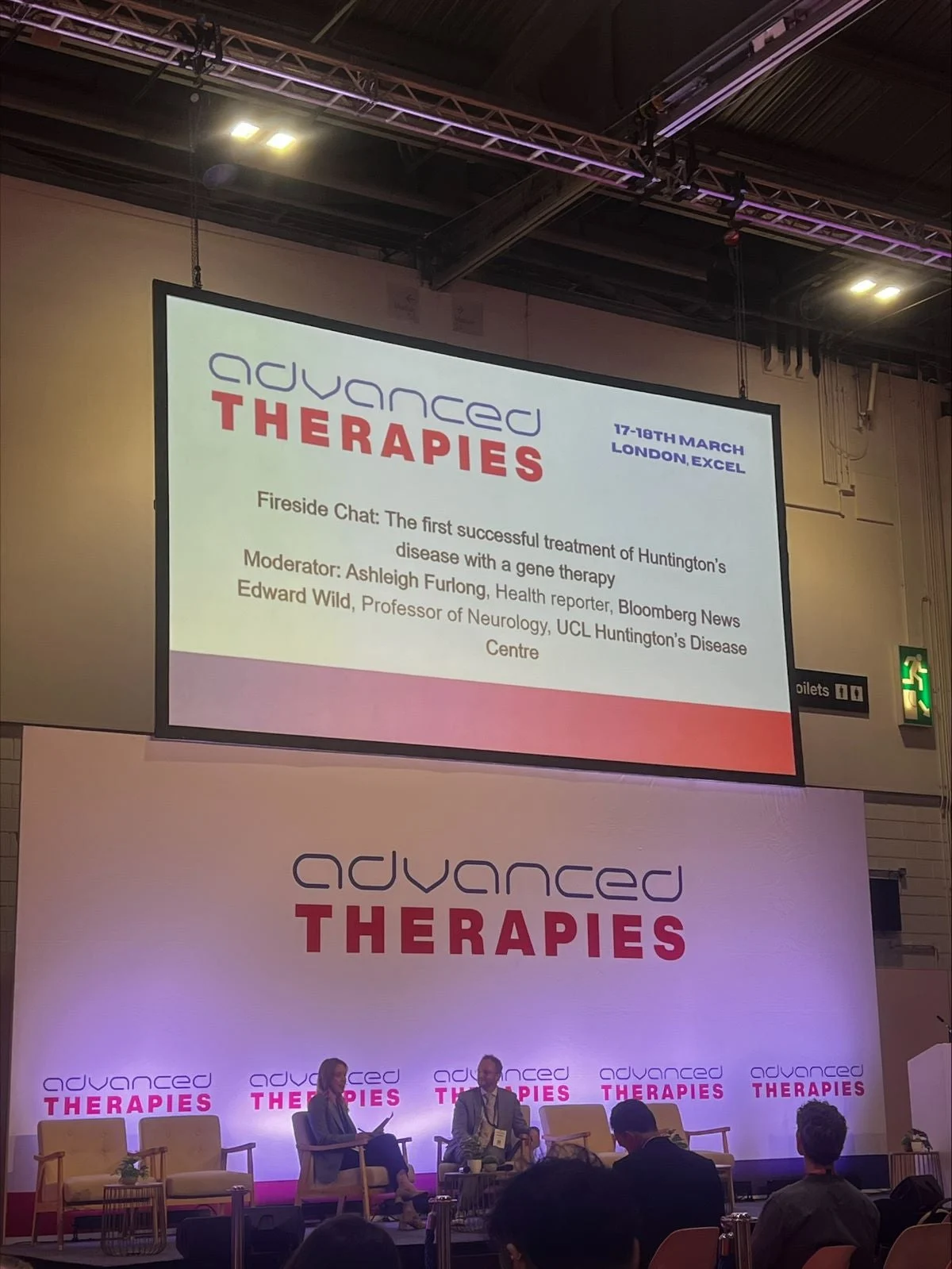
Despite promising clinical outcomes from the first-ever gene therapy trial for Huntington’s Disease (HD), a leading expert involved in the program has highlighted unexpected regulatory obstacles encountered with the U.S. Food and Drug Administration (FDA). Dr. Edward Wild, Professor of Neurology at University College London’s Huntington’s Disease Centre, shared his perspectives on the trial’s results and the ensuing discussions with regulatory bodies during a recent industry conference, underscoring both the profound potential of the therapy and the complex path to patient access.
The investigational treatment, known as AMT-130 (or ifezuntirgene inilparvovec), developed by uniQure, has shown significant promise in slowing the progression of this devastating neurodegenerative disorder. However, recent communications with the FDA have cast a shadow over its immediate path to regulatory approval in the United States.
A Landmark Trial and Promising Efficacy Data
The development of AMT-130 represents a significant milestone in the decades-long quest for effective treatments for Huntington’s Disease, a fatal, inherited neurodegenerative disorder that affects approximately 30,000 people in the United States alone. HD is characterized by a progressive decline in motor, cognitive, and psychiatric functions, typically manifesting in mid-adulthood, though juvenile and late-onset forms exist. The disease is caused by a mutation in the huntingtin gene (HTT), leading to the production of a toxic protein that damages nerve cells in the brain, particularly in the striatum. Currently, there are no approved treatments that can halt or reverse the underlying disease process.
The gene therapy aims to reduce the levels of this toxic huntingtin protein by delivering a small interfering RNA (siRNA) directly into the brain. This approach targets the root cause of the disease, offering a potentially disease-modifying therapeutic strategy.
The initial Phase I/II clinical trials for AMT-130 have been instrumental in evaluating the safety and preliminary efficacy of this novel approach. The program comprises two distinct trials: a U.S.-based study (NCT04120493) designed as a double-blind, sham-controlled trial across two cohorts, and a European study (NCT05243017) conducted as an open-label investigation.
In September 2025, uniQure announced compelling interim results from these trials. Across both studies, patients receiving a high dose of AMT-130 demonstrated a remarkable 75% slower progression of Huntington’s Disease at three years, when compared to an external historical control group. This significant slowing of disease progression is particularly noteworthy given the aggressive nature of HD. Dr. Wild elaborated on the clinical implications, emphasizing that while the therapy did not reverse the disease, it substantially altered the predicted trajectory of disability. For instance, patients who were projected to require a wheelchair within two years of diagnosis, based on their disease progression, could potentially maintain ambulation for up to eight years post-treatment. This translated into a profound improvement in quality of life and a significant extension of functional independence for affected individuals.
Navigating Unforeseen Regulatory Hurdles
The promising efficacy data, however, ran into an unexpected roadblock during a recent Type A meeting with the FDA. On March 7, 2026, uniQure announced that the FDA had determined the data from the ongoing Phase I/II study was insufficient to support a marketing application for AMT-130. Instead, the regulatory agency recommended that uniQure conduct a new, prospective, randomized, double-blind, sham surgery-controlled study to further validate the treatment’s efficacy and safety.
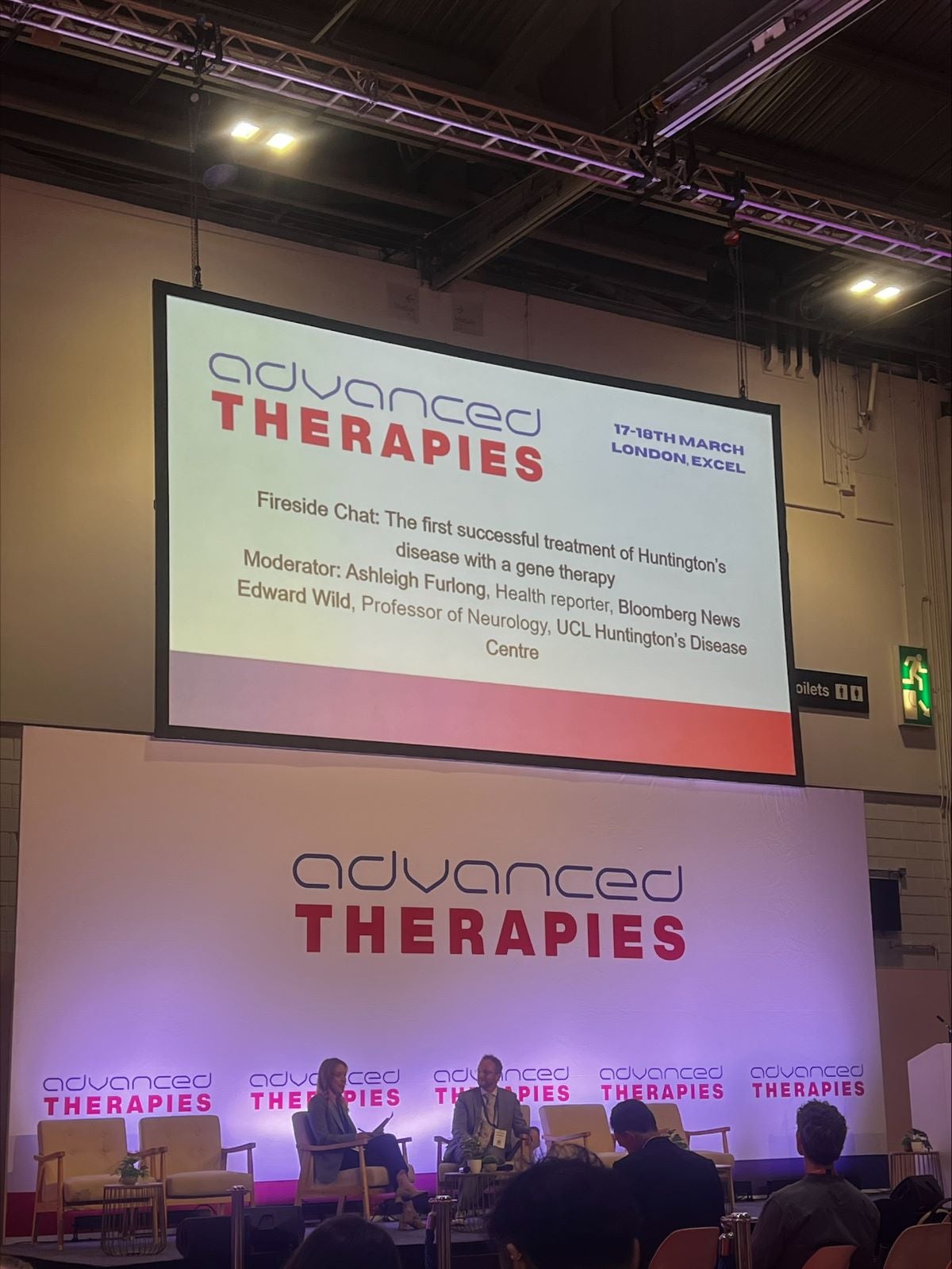
Dr. Wild expressed his surprise at this development, stating during a fireside chat at the Advanced Therapies conference in London (March 17-18, 2026), "What happened with the FDA was unexpected." He highlighted the challenging and novel nature of gene therapy development, particularly in a disease like Huntington’s, where therapeutic options are desperately needed.
The discrepancy in regulatory expectations between the U.S. and Europe regarding sham controls in clinical trials has been a point of contention. For the AMT-130 trials, ethical considerations and differing regulatory interpretations led to varied study designs. In the U.S. trial, the FDA initially mandated a sham control, which involved minor skin incisions, for the first 12 months, after which patients were transitioned to the treatment arm. Conversely, the European Medicines Agency (EMA) deemed a sham surgery unethical for an open-label study and accepted a control arm based on a natural history study of 2,500 eligible patients.
Dr. Wild explained that the initial agreement with the FDA was that positive results from the ongoing trials, coupled with the established safety profile, might have paved the way for accelerated approval without the need for an additional trial. The subsequent shift in regulatory stance, requiring a full-duration sham-controlled study, was therefore a significant departure from prior understandings. This situation underscores the evolving landscape of gene therapy regulation and the challenges sponsors face in navigating diverse and sometimes unpredictable agency requirements.
Ethical Considerations and Trial Design
The design of early-stage gene therapy trials for severe diseases like Huntington’s presents a complex ethical tightrope. Safety is paramount, especially when administering novel genetic interventions directly into the brain. The initial trials for AMT-130 were meticulously designed with patient safety as a primary concern.
Eligibility criteria were stringent, requiring specific striatal MRI volume per hemisphere to ensure adequate surgical access for gene therapy injection. Furthermore, patients had to meet a certain score on the Diagnostic Confidence Level (DCL) scale, a measure used to assess disease progression and the certainty of a Huntington’s Disease diagnosis. These criteria ensured that participants had a clearly defined disease trajectory and a high likelihood of experiencing significant functional decline if left untreated.
The ethical debate surrounding sham controls in this context is particularly acute. For patients with a rapidly progressing and fatal disease like Huntington’s, the withholding of a potentially beneficial experimental therapy for a control group raises significant ethical questions. Dr. Wild acknowledged this complexity, noting that the regulators’ interpretations and requirements for sham controls have varied, creating a challenging environment for trial design.
The reliance on a natural history study in the European trial reflects an alternative approach to establishing a comparative baseline, where the expected disease course in an untreated, comparable patient population serves as the benchmark. The FDA’s insistence on a prospective, randomized, double-blind, sham surgery-controlled study for a potential marketing application suggests a higher bar for demonstrating definitive efficacy in the U.S. market, particularly for a first-in-class therapy.
Implications for Patient Access and Future Development
The FDA’s decision, while a setback for uniQure and the Huntington’s Disease community, does not negate the scientific and clinical significance of the AMT-130 trial results. Dr. Wild drew parallels to the early 1990s and the advent of HIV treatments, remarking, "For the first time you recognise you have a foot in the door, but it will be difficult to actualise for the patients who need it." This analogy highlights the potential of the therapy while acknowledging the substantial challenges ahead in bringing it to patients.
UniQure has indicated its intention to request a Type B meeting with the FDA in the second quarter of 2026 to further discuss the path forward. This meeting will be crucial in clarifying the specific requirements for the proposed new study and the potential for subsequent regulatory review.
Beyond regulatory hurdles, several factors could influence the accessibility of gene therapies for Huntington’s Disease. The method of delivery for AMT-130 involves MRI-guided surgery, a complex procedure that may not be readily available in all healthcare settings globally. This "surgical delivery bottleneck" could pose a significant barrier to widespread patient access, even if regulatory approval is eventually secured.
Furthermore, the economic implications of gene therapies are substantial. While the upfront cost of such treatments can be high, proponents argue that they have the potential to significantly reduce long-term healthcare burdens and overall costs associated with managing chronic, progressive diseases like Huntington’s. Treating the disease early with a gene therapy could not only dramatically improve a patient’s life but also alleviate the immense strain on healthcare systems and families.
Dr. Wild also touched upon the broader context of gene therapy development, emphasizing the need for sponsors to design scientifically robust trials while remaining acutely aware of the dynamic political and regulatory landscape. Early and continuous engagement with regulatory agencies is crucial for navigating these complexities and increasing the likelihood of success.
Looking Ahead: Optimism Amidst Challenges
Despite the recent regulatory challenges, Dr. Wild remains optimistic about the future of Huntington’s Disease therapeutics. He pointed to the ongoing progress in developing various therapeutic modalities, including other gene-targeting approaches, small molecules, and protein-lowering strategies. Huntington’s Disease serves as a valuable case study for predicting disease trajectories, aided by advancements in understanding mutation modifiers and the development of polygenic risk scores, which can inform trial design and patient selection.
The journey of AMT-130 highlights the pioneering nature of gene therapy development. It underscores the critical need for continued collaboration between researchers, pharmaceutical companies, regulatory agencies, and patient advocacy groups to overcome the scientific, ethical, and logistical challenges. The ultimate goal remains clear: to translate groundbreaking scientific discoveries into tangible, life-changing treatments for individuals and families affected by Huntington’s Disease. The path may be arduous, but the potential rewards—offering hope and a significantly improved future for patients—are immense. The industry must continue to adapt, innovate, and advocate for regulatory frameworks that balance scientific rigor with the urgent need for effective therapies.