In a significant leap for the fields of hematology and regenerative medicine, researchers at the Indiana University School of Medicine have announced the development of a sophisticated imaging protocol designed to visualize the intricate landscape of bone marrow in unprecedented detail. By successfully adapting high-parameter multiplex imaging to the challenging environment of skeletal tissue, the scientific team has unlocked a new method for studying how cells interact within their natural "neighborhoods." This advancement, recently detailed in the peer-reviewed journal Leukemia, is poised to accelerate the discovery of targeted therapies for a spectrum of debilitating conditions, ranging from aggressive blood cancers to complex autoimmune and musculoskeletal disorders.
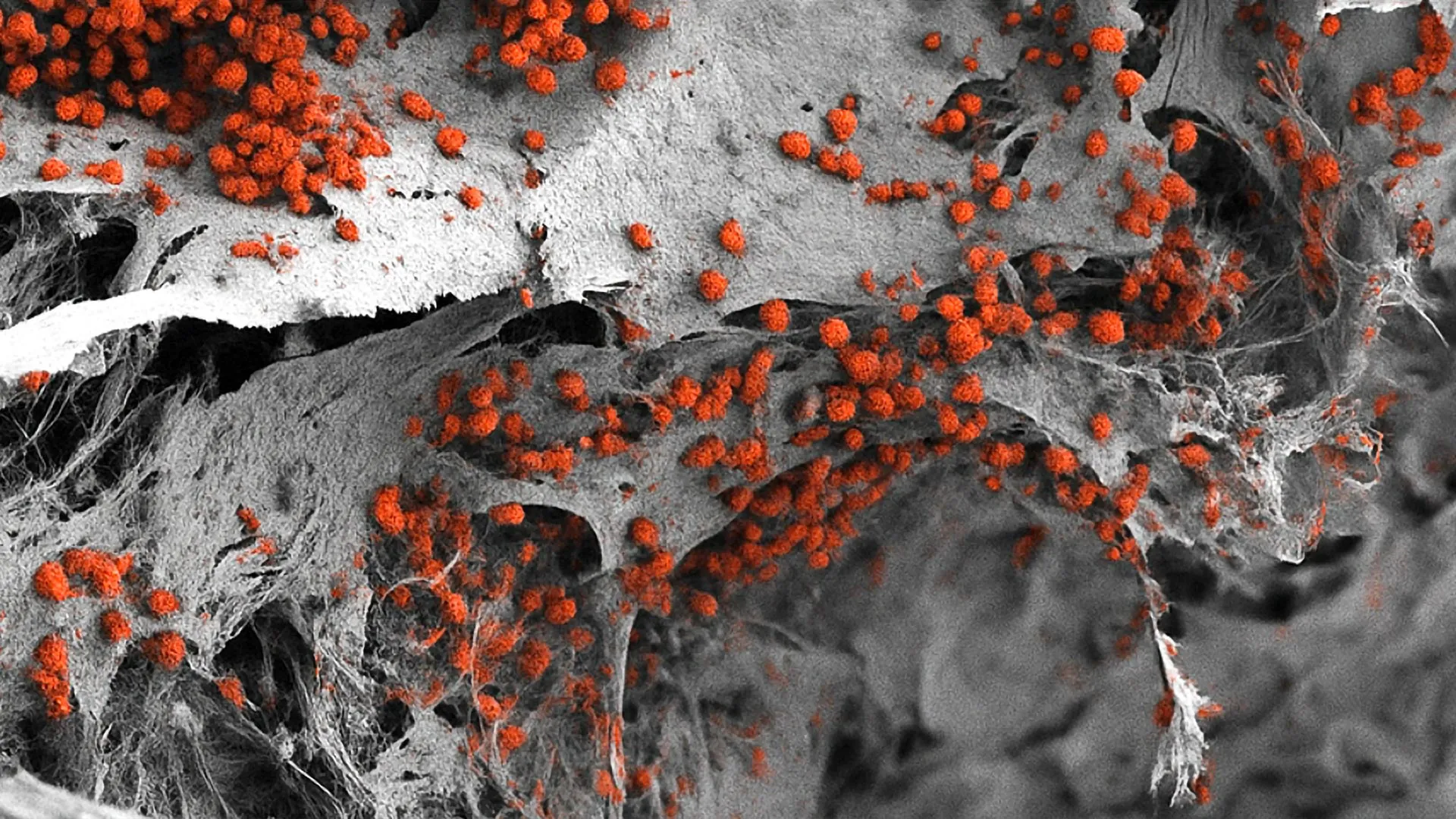
The breakthrough centers on the utilization of the Phenocycler 2.0 platform, a cutting-edge multiplex imaging tool that allows for the simultaneous detection of dozens of proteins within a single tissue sample. While similar technologies have been employed to map soft tissues like the liver or brain, the IU School of Medicine team is the first to refine the process for mouse bone marrow—a tissue notoriously difficult to analyze due to its location within a dense, mineralized shell. By overcoming these structural barriers, the researchers have provided the scientific community with a high-resolution map of the bone marrow’s cellular architecture, preserving the spatial relationships that are often lost in traditional laboratory techniques.
Overcoming the Structural Challenges of Bone Marrow Analysis
Bone marrow serves as the body’s primary factory for blood production, a process known as hematopoiesis. It is a highly dynamic environment, housing hematopoietic stem cells, immune cells, and a complex network of blood vessels and nerves. However, for decades, the physical properties of bone marrow have hindered comprehensive study. As Sonali Karnik, PhD, assistant research professor of orthopedic surgery at the IU School of Medicine and co-lead author of the study, noted, the tissue is essentially a gelatinous substance encased in a rigid, calcified structure.
Historically, studying the bone marrow required researchers to choose between two imperfect options. The first, flow cytometry, involves "grinding up" the tissue to isolate individual cells. While this method is excellent for quantifying different cell types, it completely destroys the spatial context—researchers can see what cells are present, but not where they are located or which cells they are talking to. The second traditional method, standard immunofluorescence imaging, preserves the structure but is severely limited by the "color barrier." Because of the overlapping light spectra of traditional dyes, scientists can typically only visualize three to four cellular markers at a time. This provides a very narrow window into a biological system that involves hundreds of different cell-to-cell interactions.
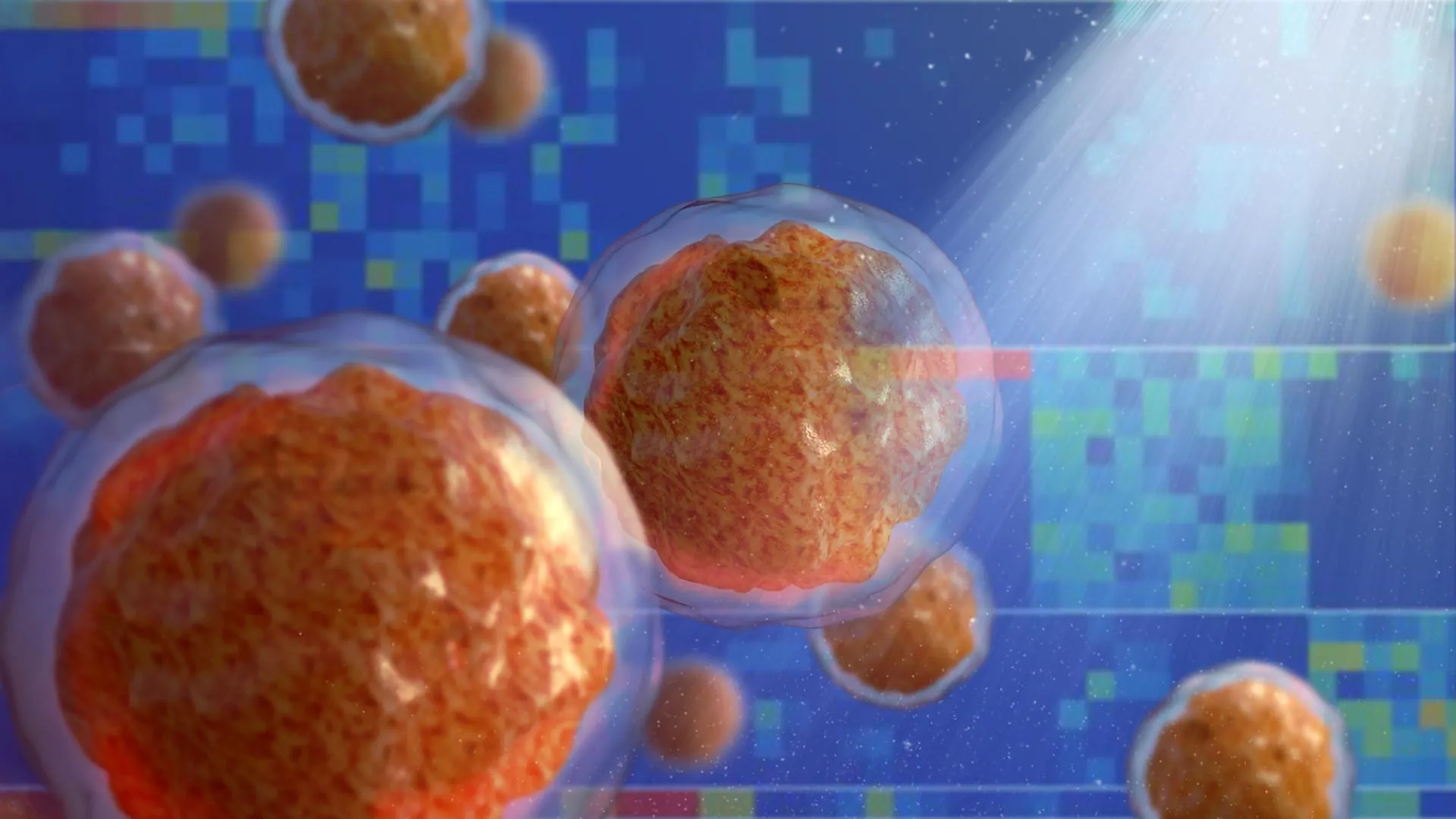
The new methodology developed at Indiana University bypasses these limitations. By utilizing the Phenocycler 2.0, the team was able to visualize a record-breaking 25 different cellular markers simultaneously within intact bone marrow tissue. This allows researchers to see the "big picture" and the "fine detail" at the same time, observing how stem cells interact with their surrounding niche without disrupting the delicate biological architecture.
The Technological Evolution: From Soft Tissue to Skeletal Mapping
The journey to this discovery involved a rigorous adaptation of existing multiplex imaging protocols. The Phenocycler 2.0 system (formerly known as CODEX) works by using DNA-barcoded antibodies that bind to specific proteins in the tissue. These barcodes are then "read" through iterative cycles of imaging, allowing for a massive amount of data to be collected from a single slide.
The chronology of this development began with the application of multiplex imaging to "easier" organs. Over the last several years, researchers globally have used the Phenocycler to study the spleen, kidneys, and lymph nodes. However, applying this to bone marrow required the IU team to develop specialized techniques for tissue preparation. To image bone marrow while keeping it intact, the bone must be carefully decalcified and sectioned without damaging the soft marrow inside.
The IU Cooperative Center of Excellence in Hematology (CCEH) team spent months refining these preparation steps. Their success marks the first time this specific high-parameter approach has been validated for mouse bone marrow models. Because mouse models are the cornerstone of preclinical drug testing and disease modeling, this protocol provides a standardized framework that laboratories around the world can now adopt to study human disease progression in animal surrogates.
Supporting Data and Research Findings
In the study published in Leukemia, the IU researchers demonstrated the power of the 25-marker panel. They were able to identify and map the precise locations of various cell populations, including different stages of blood cell development and the supportive stromal cells that maintain the bone marrow environment.
This level of detail is critical for understanding "spatial biology." In many diseases, the problem is not just the presence of a certain cell type, but where that cell is positioned. For example, in certain leukemias, cancer cells may create "protective pockets" within the bone marrow that shield them from chemotherapy. Standard flow cytometry would miss this spatial clustering, but the IU team’s imaging technique brings these hidden environments into clear view.
The data gathered during the study also highlighted the diversity of the bone marrow niche. By visualizing 25 markers, the researchers could distinguish between very similar immune cell subtypes that would have been grouped together in less sophisticated imaging. This granular data is essential for identifying new biomarkers—biological "red flags" that can tell doctors whether a disease is progressing or if a patient is responding to a specific treatment.
Collaborative Efforts and Official Responses
The development of this imaging technique was a multi-disciplinary effort involving several key departments within the IU School of Medicine. The research was conducted under the leadership of Reuben Kapur, PhD, who serves as a co-senior author, director of the Herman B Wells Center for Pediatric Research, and co-director of the IU Cooperative Center of Excellence in Hematology.
"Because mouse models are widely used to study human diseases, this technique offers a promising new method for investigating a range of conditions like autoimmune diseases, leukemia and other disorders involving bone marrow," Dr. Kapur stated. His comments reflect the broader institutional goal of bridging the gap between basic laboratory science and clinical applications.
The collaborative nature of the study is further evidenced by the diverse expertise of the co-authors, which included specialists in orthopedic surgery, pediatrics, and hematology. This cross-departmental approach was necessary to address both the biological and physical complexities of the bone marrow. Furthermore, the support from the National Institutes of Health (NIH) underscores the federal interest in advancing imaging technologies that can streamline the drug development pipeline.
In response to the breakthrough, the IU Innovation and Commercialization Office has already filed a provisional patent for the methodology. This move suggests that the university sees significant commercial potential for the technique, particularly for pharmaceutical companies looking to test the efficacy and safety of new drugs in a more comprehensive manner.
Broader Impact and Future Implications for Medicine
The implications of this research extend far beyond the laboratory. For patients suffering from leukemia, the ability to map the bone marrow could lead to more personalized treatment plans. By understanding the specific spatial layout of a patient’s cancer, clinicians may one day be able to predict which therapies will most effectively penetrate the bone marrow niche.
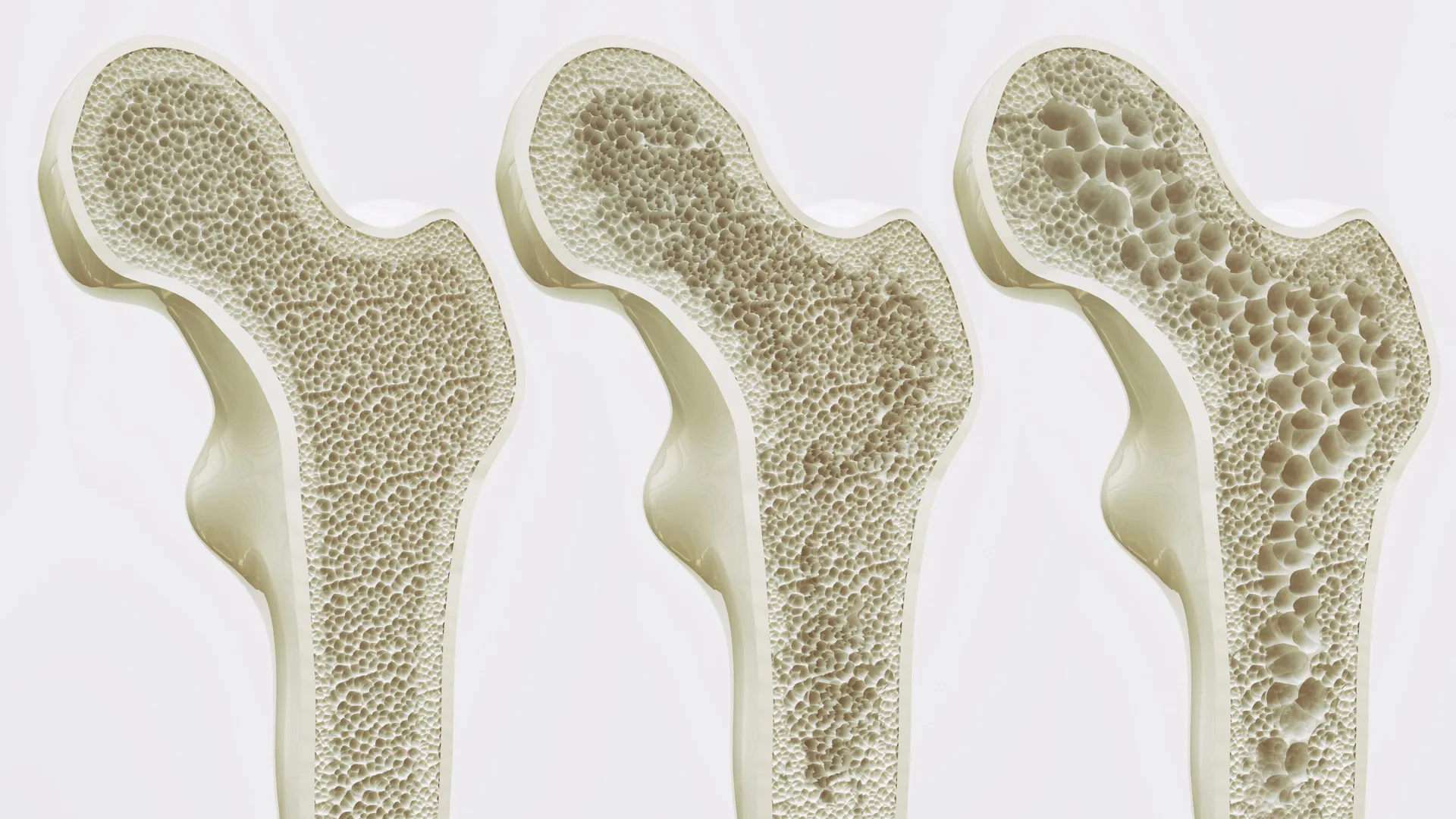
In the realm of autoimmune diseases, such as lupus or rheumatoid arthritis, the technique could reveal how rogue immune cells are formed and stored within the marrow before they migrate to attack the body’s own tissues. Similarly, for musculoskeletal disorders like osteoporosis, the imaging could help researchers understand how the relationship between bone-building cells and the marrow environment breaks down with age.
Looking forward, the IU team is not resting on their current success. They are already working to expand the marker panel. The goal is to move from 25 markers to an even more comprehensive set that includes indicators for nerves, blood vessels, and muscle fibers. By incorporating these additional features, the researchers hope to create a "whole-system" map of the bone-marrow interface.
"Since bone marrow plays an important role in blood and immune cell formation and houses valuable stem cells, our unique imaging approach offers a useful tool for a variety of research applications," Dr. Karnik emphasized.
As the scientific community moves toward an era of "spatial omics," where the location of a molecule is considered as important as its identity, the work being done at Indiana University stands as a foundational contribution. By turning the "black box" of the bone marrow into a transparent, multi-dimensional map, these scientists have provided a powerful new lens through which we can view, and ultimately treat, some of the most complex diseases in modern medicine.