In a significant advancement for the field of molecular oncology, a collaborative study led by investigators at the Johns Hopkins Kimmel Cancer Center and the Johns Hopkins Bloomberg School of Public Health has identified a novel mechanism driving the progression of a rare and aggressive form of kidney cancer. The research, published on April 22 in the journal Cell Reports, details how specific combinations of rearranged genes create fusion proteins that assemble into microscopic liquid droplets within cell nuclei. These droplets, or biomolecular condensates, act as command centers that systematically activate genes responsible for cancer growth and metastasis.
The study provides a critical breakthrough for translocation renal cell carcinoma (tRCC), a subtype of kidney cancer that has historically lacked a standardized treatment protocol and often proves resistant to conventional therapies. By uncovering the physical and chemical nature of how these fusion genes operate, the Johns Hopkins team has opened a new door for therapeutic intervention, suggesting that disrupting the formation of these liquid droplets could effectively "turn off" the genetic engines driving the disease.
The Genetic Architecture of Translocation Renal Cell Carcinoma
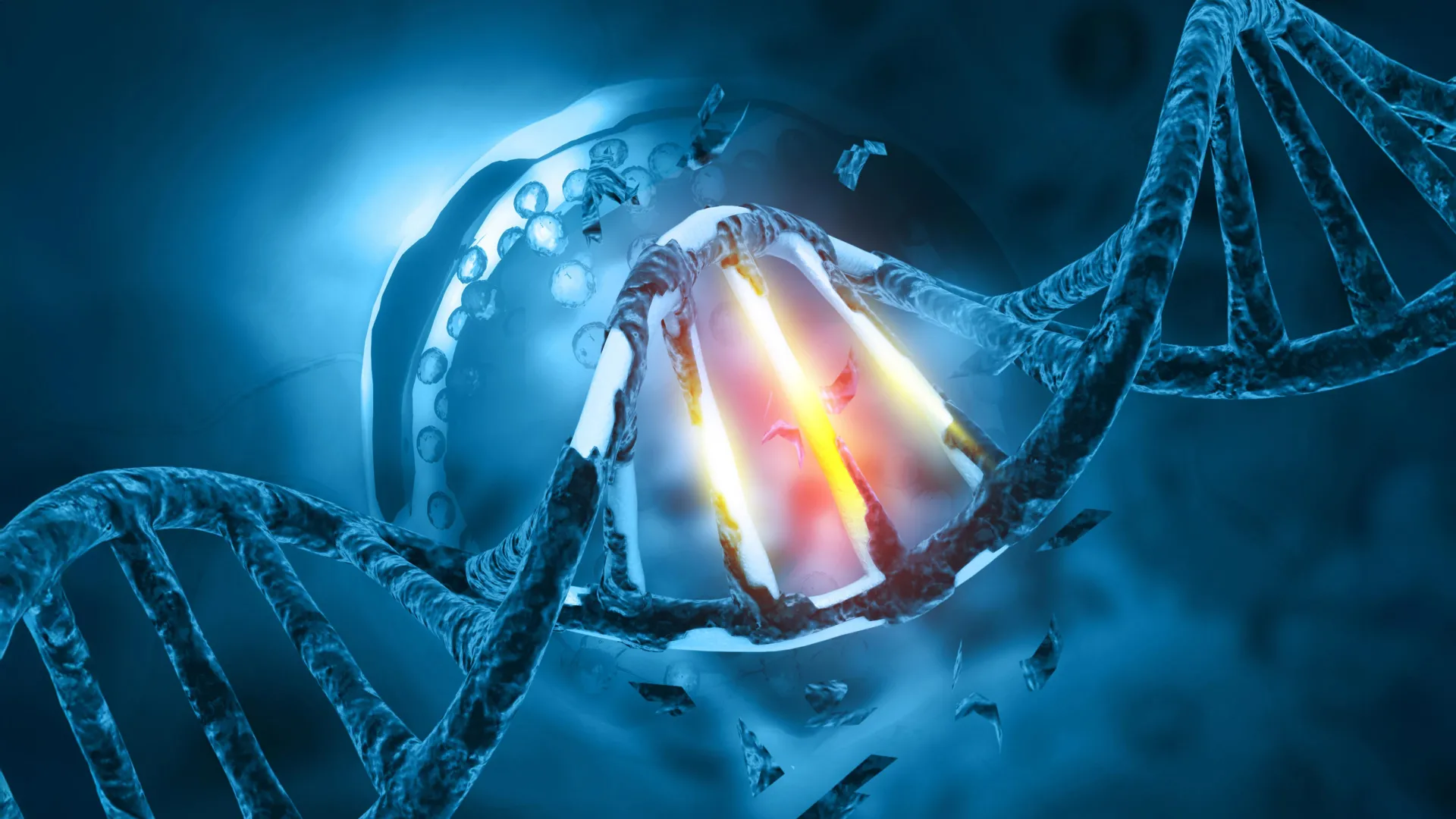
Translocation renal cell carcinoma is distinguished from more common forms of kidney cancer by its unique genetic origins. While most kidney cancers are driven by mutations or deletions, tRCC is the result of a chromosomal rearrangement. In this process, a chromosome breaks and swaps segments with another, leading to the fusion of the TFE3 gene with one of several "partner" genes, such as PRCC, NONO, or SFPQ.
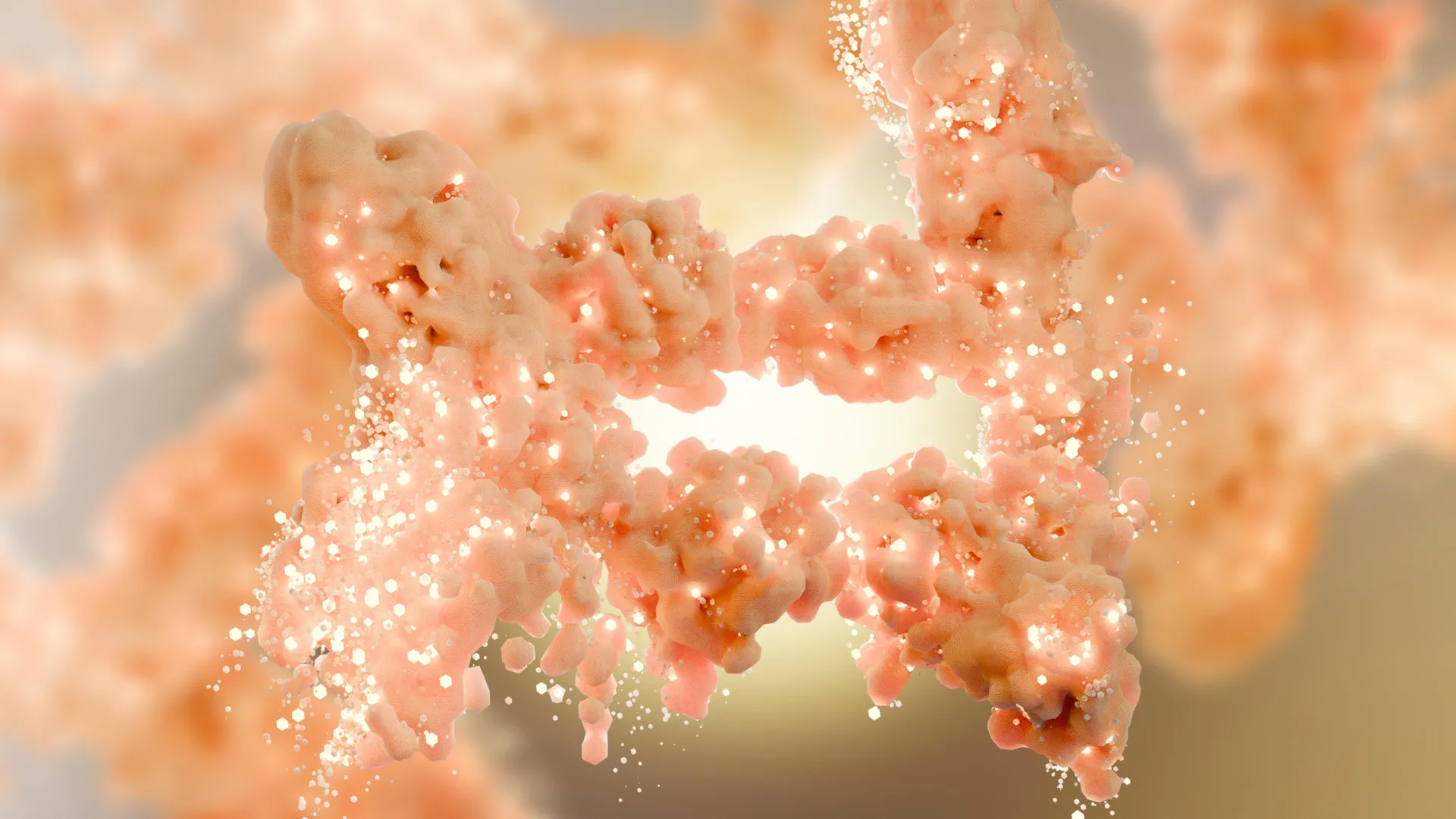
This genetic "swap" results in the production of TFE3 fusion proteins—hybrid molecules that do not exist in healthy cells. While the presence of these proteins has long been recognized as the hallmark of tRCC, the precise mechanism by which they reprogram a healthy cell into a malignant one remained an enigma until now.
Dr. Danfeng "Dani" Cai, Ph.D., assistant professor of biochemistry and molecular biology at the Johns Hopkins Bloomberg School of Public Health and the study’s senior author, noted that the research focused on the most prevalent variations of these fusions. "There are about 20 fusion partners of TFE3 in translocation renal cell carcinoma, but we mainly focused on the two most common ones, NONO and SFPQ, which together account for approximately 40% of all TFE3 fusions," Cai explained.
The Discovery of Liquid Condensates in the Nucleus
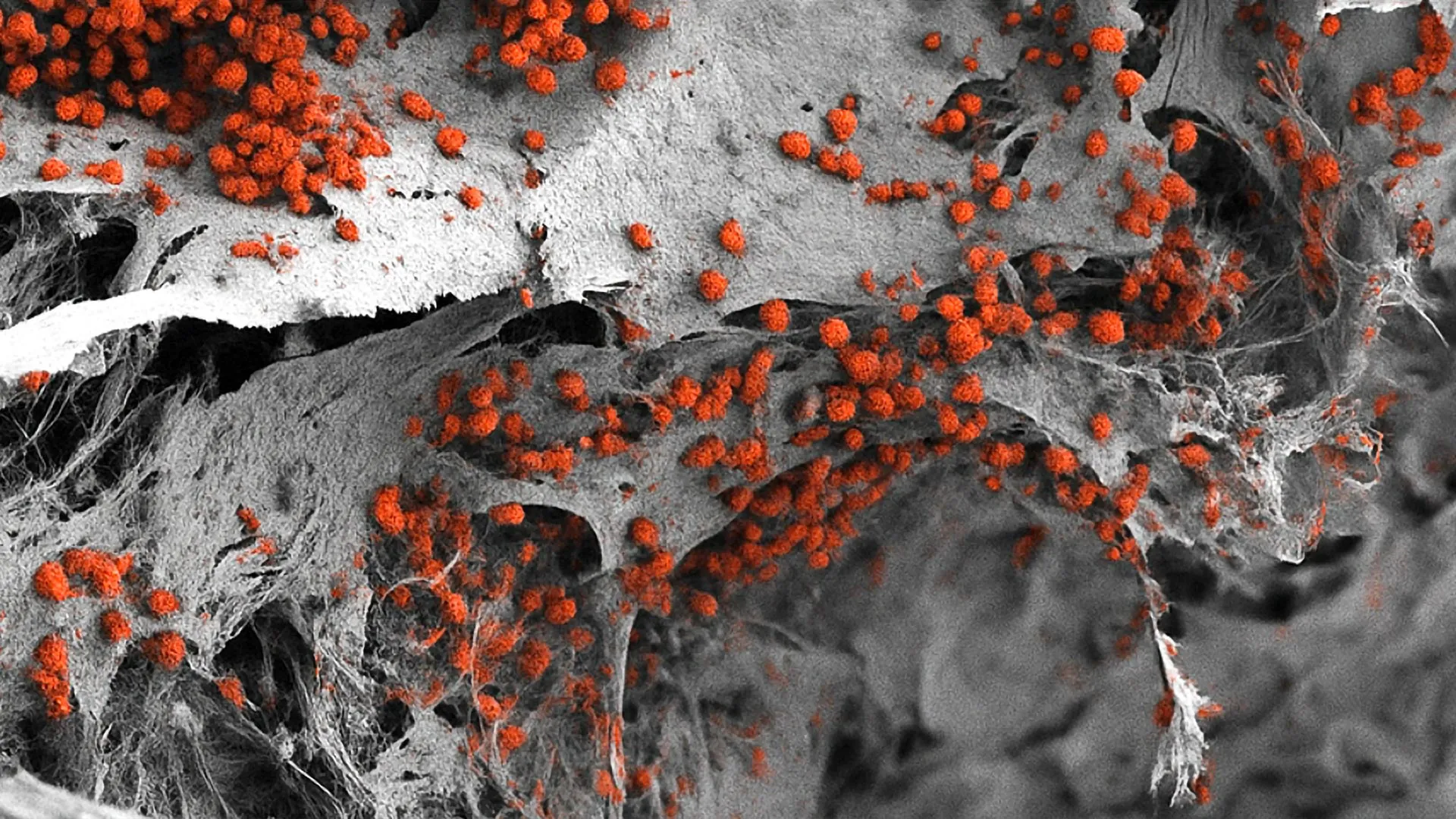
To investigate the behavior of these fusion proteins, the research team employed advanced imaging techniques, attaching fluorescent tags to TFE3 fusion proteins within kidney cancer cells derived from patients. Under high-resolution microscopy, a striking pattern emerged: the fusion proteins did not disperse evenly throughout the nucleus. Instead, they clustered into distinct, shimmering "dots."
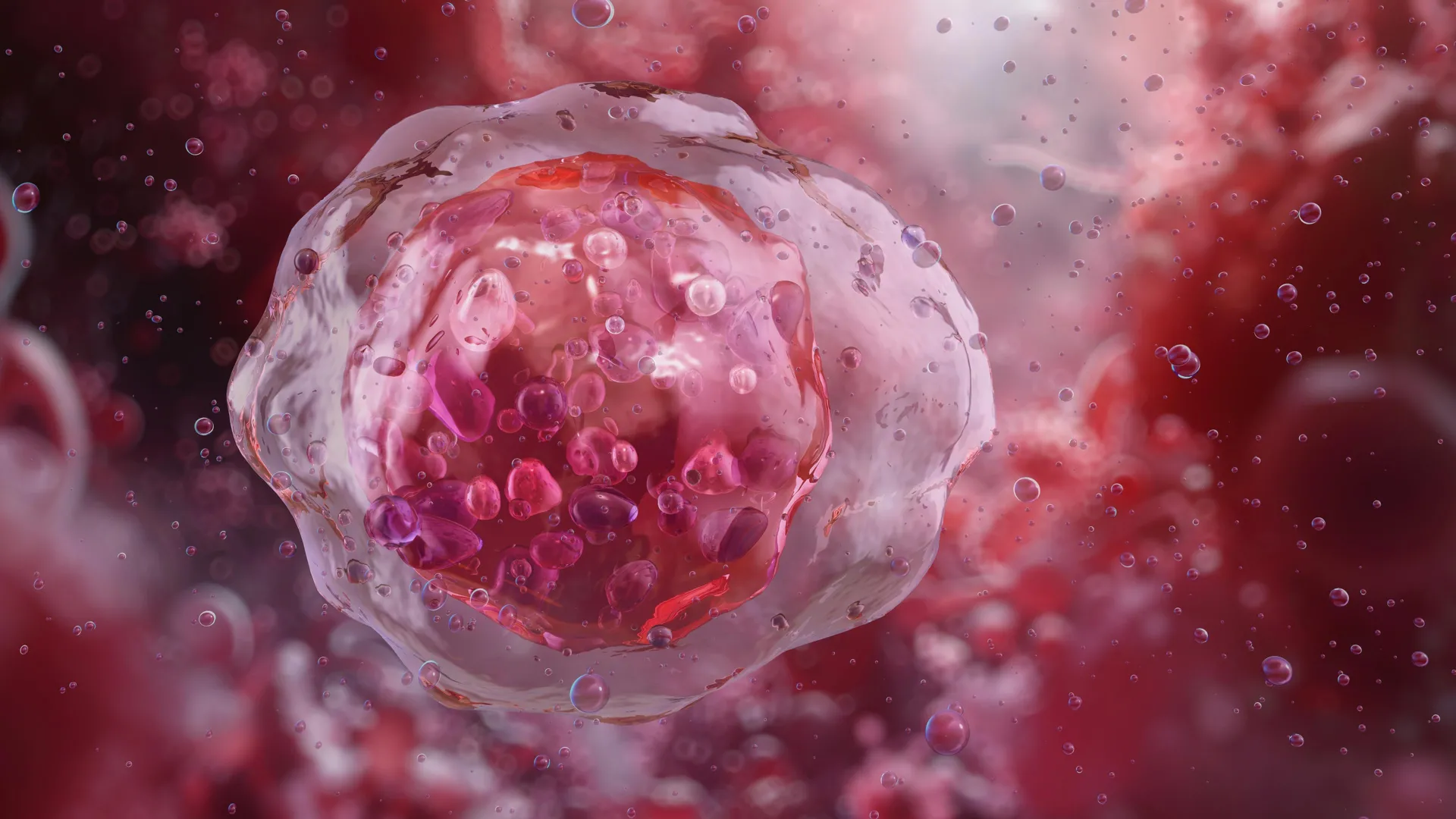
These dots were identified as biomolecular condensates—tiny, liquid-like droplets that form through a process known as liquid-liquid phase separation, similar to how oil droplets form in water. These condensates are highly concentrated hubs of molecular activity. In the context of tRCC, these droplets serve as specialized environments where the fusion proteins recruit the necessary cellular machinery to activate oncogenes.
The team observed that these droplets also contained marker proteins typically associated with active gene transcription. This suggested that the condensates were not merely passive storage sites but were active "factories" where the instructions for cancer growth were being synthesized.
Chronology of the Research and Experimental Methodology
The study progressed through several distinct phases of investigation, moving from initial observation to mechanical dissection and finally to potential therapeutic validation.
- Observation and Identification (Phase I): The team first confirmed the presence of the TFE3 fusion proteins in patient-derived cell lines. Using live-cell imaging, they documented the formation of condensates and established that these structures were unique to the fusion proteins and not found in healthy TFE3 protein behavior.
- Mapping the Genomic Landscape (Phase II): Cai partnered with Dr. Eneda Toska, Ph.D., an assistant professor of oncology at the Johns Hopkins Kimmel Cancer Center. Together, they utilized genomic mapping techniques to determine where these fusion proteins were binding to the DNA. They found that the proteins specifically targeted regions of the chromatin—the packaged form of DNA—that regulate cell proliferation and migration.
- Mechanistic Dissection (Phase III): The researchers utilized CRISPR-Cas9 and other gene-editing tools to systematically remove different segments of the TFE3 fusion proteins. They sought to identify the specific "glue" that allowed the proteins to form droplets.
- Functional Validation (Phase IV): By identifying a "coiled-coil" domain—a structural motif where protein strands wrap around each other—the team discovered the key to the droplet formation. When this specific segment was deleted, the fusion proteins lost their ability to form condensates. Crucially, without the droplets, the proteins could no longer activate the genes required for the cancer to grow.
Data Analysis: Redesigning the Chromosomal Landscape
The collaborative effort between the Cai and Toska labs revealed that TFE3 fusion proteins do more than just bind to DNA; they actively reshape it. DNA is typically wrapped around proteins called histones, resembling "beads on a string." When the string is tightly wound (heterochromatin), genes are "off." When it is loosely wound (euchromatin), genes are "on."
Dr. Toska’s analysis showed that the TFE3 condensates facilitate chemical modifications to the chromatin, forcing the "beads" to spread apart at specific sites. "We found that these fusion proteins open and close different sites on the chromatin by making chemical modifications," Toska stated. "They bind, regulate and redesign the chromosome landscape, interacting with target genes that promote cell proliferation and movement—functions that cancer needs to grow and spread."
This data indicates that the fusion proteins possess a "super-charged" ability to control gene expression compared to their healthy counterparts. While the individual components of the fusion (NONO, SFPQ, and TFE3) are all involved in normal gene regulation, their combined form creates a potent, aberrant regulator that the cell cannot naturally switch off.
Official Responses and Clinical Implications
The findings have been met with optimism by the oncology community, particularly those specializing in rare genitourinary cancers. The identification of biomolecular condensates as a driver of malignancy offers a fresh perspective on "undruggable" targets. For decades, transcription factors like TFE3 have been considered difficult to target with traditional small-molecule drugs because they lack the deep "pockets" that drugs usually bind to.
However, the Johns Hopkins study suggests that the physical state of these proteins—their ability to form liquid droplets—is a vulnerability. If a drug can be developed to change the solubility of these proteins or disrupt the coiled-coil interactions, the entire cancer-promoting apparatus could collapse.
"Other cancers, such as Ewing sarcoma and leukemia, are caused by fusion genes as well," Dr. Cai noted, highlighting the broader implications of the study. "It’s possible that these fusion genes form similar droplets, or condensates, that regulate genes in these cancers and could react to similar treatment strategies."
This sentiment reflects a growing trend in cancer research where scientists look beyond the genetic code itself to the physical organization of the nucleus. By targeting the "neighborhood" (the condensate) rather than the "resident" (the individual protein), researchers may find more effective ways to treat a variety of translocation-driven malignancies.
Broader Impact and Future Directions
The study, which received support from several branches of the National Institutes of Health (NIH) and the Department of Defense, sets the stage for a new era of drug discovery in tRCC. The research team’s next objective is to identify the secondary components within these liquid droplets. By understanding the full inventory of proteins and RNA molecules that reside within the TFE3 condensates, they hope to find existing drugs or develop new small molecules that can interfere with these structures.
Furthermore, the study underscores the importance of interdisciplinary collaboration. The marriage of Cai’s expertise in liquid condensates and Toska’s expertise in chromatin biology and oncology was essential for bridging the gap between seeing a "dot" under a microscope and understanding its role in cancer progression.
As the medical community moves toward personalized medicine, the ability to categorize a patient’s cancer not just by its location (the kidney) but by its specific molecular behavior (condensate-driven gene activation) will be vital. For patients with translocation renal cell carcinoma, a disease that often affects younger adults and children more frequently than other kidney cancers, these findings offer a glimmer of hope for targeted therapies that are more effective and less toxic than current options.
The research was a multi-institutional effort involving contributors from the Johns Hopkins University School of Medicine and the National Cancer Institute. With ongoing support from the National Institute of General Medical Sciences and the National Human Genome Research Institute, the team is poised to move from the laboratory bench toward the development of clinical trials, potentially transforming the standard of care for rare genetic cancers.