The landscape of hematological oncology is facing a potential paradigm shift following a landmark study by Ludwig Cancer Research, which has identified a novel therapeutic strategy for treating acute myelogenous leukemia (AML). This aggressive blood and bone marrow cancer has long been a challenge for the medical community, with a prognosis that remains stubbornly grim; the median survival time for patients following a diagnosis is currently estimated at just 8.5 months. The research, published in the prestigious journal Nature, outlines a combination therapy that targets the fundamental cellular mechanics of the disease, offering a new avenue for treatment where traditional chemotherapy and single-agent targeted therapies have frequently fallen short.
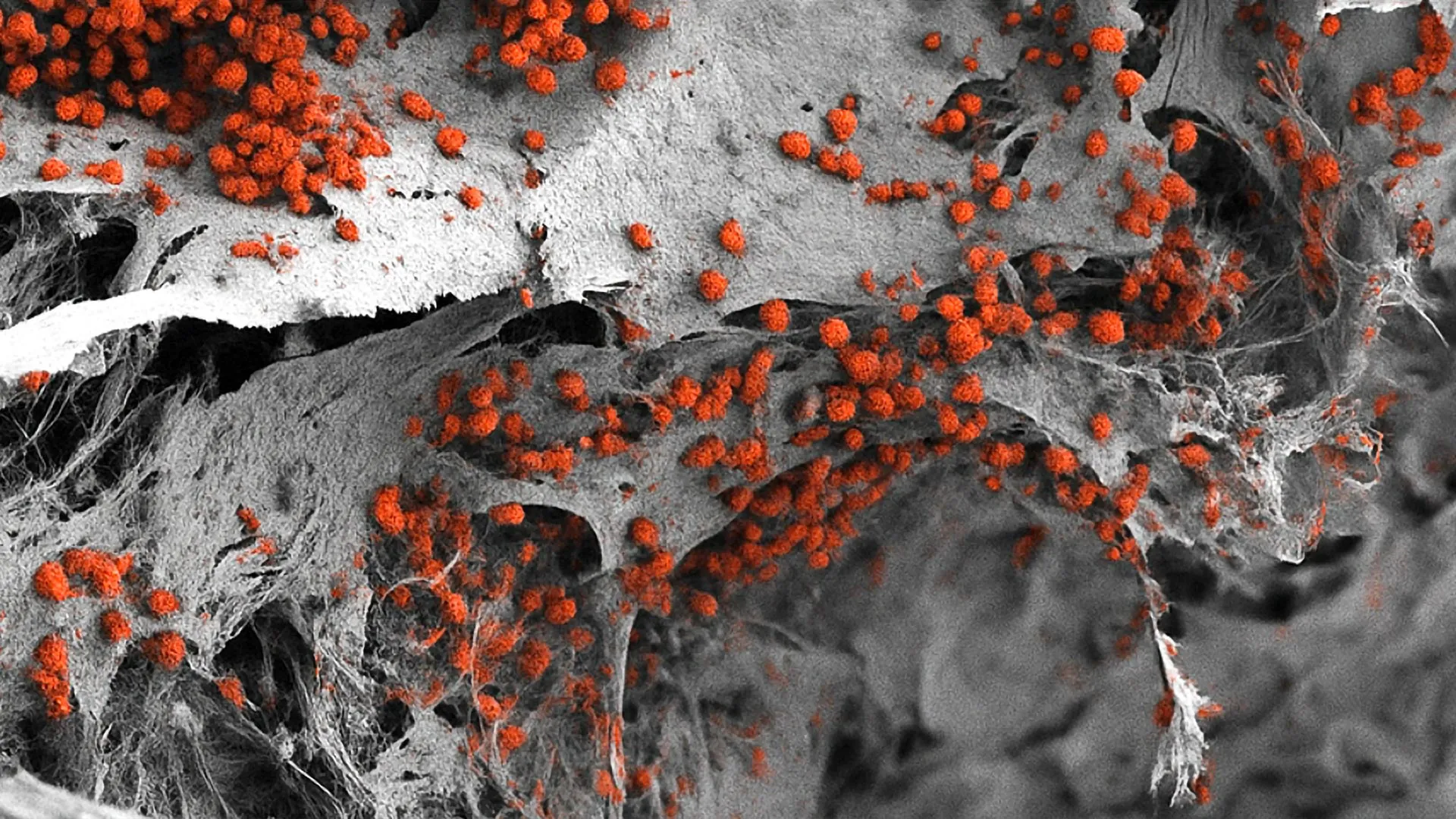
AML is characterized by a significant degree of genetic heterogeneity, meaning the mutations driving the cancer can vary wildly from one patient to another. However, despite these diverse genetic origins, almost all subtypes of AML share a pathological hallmark: the impaired differentiation of myeloid progenitor cells. In a healthy individual, these progenitor cells in the bone marrow mature into various types of specialized blood cells, including infection-fighting white blood cells, oxygen-carrying red blood cells, and clot-forming platelets. In AML patients, this process—known as hematopoiesis—is interrupted by a "differentiation block." This results in the rapid accumulation of immature, non-functional leukemic "blasts" that crowd out healthy cells, leading to bone marrow failure and systemic biological dysfunction.
The Mechanistic Breakthrough: Dismantling the Differentiation Barrier
The study was a massive collaborative effort co-led by Yang Shi and Amir Hosseini of Ludwig Oxford, alongside Abhinav Dhall of Harvard Medical School, with significant contributions from the University of Pennsylvania and the University of Helsinki. The team focused on dismantling the differentiation barrier through a two-pronged approach. By utilizing a combination of two distinct inhibitors, the researchers were able to re-program the leukemic cells, forcing them to resume their natural maturation process.
"The drug combination we have identified works by activating genes that drive cell differentiation while suppressing genes that promote cell proliferation and cancer growth," explained Yang Shi, a Professor in the Nuffield Department of Medicine at the University of Oxford. This dual action is critical because it does not merely aim to kill the cancer cells through toxicity—a method that often harms healthy tissue—but rather seeks to "fix" the developmental trajectory of the cells.
This "differentiation therapy" is not an entirely new concept in oncology, but its successful application has been limited to very specific niches. The most notable success story is Acute Promyelocytic Leukemia (APL), a specific subtype of AML. APL was once considered one of the most lethal forms of leukemia, but it is now highly curable (with a 95% survival rate) thanks to a combination of all-trans retinoic acid (ATRA) and arsenic trioxide. These drugs work by forcing APL cells to differentiate. The goal of the Ludwig team was to find a similar "magic bullet" combination that could be applied to the broader, more common subtypes of AML that do not respond to the APL protocol.
Targeting the Epigenetic Machinery: The Role of LSD1
To find this new combination, the researchers looked toward the field of epigenetics—the study of how chemical modifications to DNA and histone proteins regulate gene expression without changing the underlying genetic code. One of the primary targets identified was LSD1 (Lysine-specific demethylase 1), an enzyme that removes methyl groups from histones.
The history of LSD1 is deeply intertwined with the work of Yang Shi, who discovered the enzyme in 2004. Since its discovery, LSD1 has been identified as a key player in maintaining the "stemness" of leukemic cells. By keeping cells in an undifferentiated, stem-like state, LSD1 allows them to proliferate indefinitely. While LSD1 inhibitors have been developed and tested in clinical settings, their utility has been hampered by significant side effects.
"While LSD1 inhibitors have been developed and shown to induce differentiation in AML stem cells, they’ve had limited success in clinical studies owing to their toxicity when used alone," said Amir Hosseini. The challenge, therefore, was to find a synergistic partner that would allow for lower, less toxic doses of LSD1 inhibitors while still achieving the desired therapeutic effect.
The Identification of GSK3 as a Synergistic Partner
Through an extensive screening process using mouse leukemic cells, the research team evaluated various molecules to see which could most effectively complement LSD1 inhibition. They eventually identified inhibitors of the GSK3α/β (Glycogen Synthase Kinase 3) enzyme as the ideal candidates. GSK3 is an enzyme involved in several signaling pathways, including the WNT pathway, which is frequently dysregulated in various cancers.
The selection of a GSK3 inhibitor is particularly strategic from a clinical perspective. These inhibitors are already being evaluated in various clinical trials for other indications and have shown a favorable safety profile in human patients. When the researchers combined a low dose of an LSD1 inhibitor with a GSK3 inhibitor, they observed a dramatic shift in the laboratory cultures of multiple AML subtypes. The combination effectively bypassed the differentiation arrest and halted the rapid proliferation of the cancer cells.
Chronology of the Discovery and Experimental Validation
The path to this discovery spanned nearly two decades of epigenetic research, beginning with the 2004 discovery of LSD1. Following the identification of LSD1’s role in leukemia, the last decade has focused on refining inhibitors. The current study represents the culmination of several years of intensive screening and cross-institutional validation.
Following the initial success in cell cultures, the team moved to in vivo testing. They utilized mouse models engrafted with human AML cells—a "patient-derived xenograft" model that closely mimics the human disease environment. The results were consistent and compelling:
- Extended Survival: Mice treated with the combination therapy showed significantly longer survival rates compared to those receiving single-drug treatments or placebos.
- Cellular Maturation: Post-treatment analysis of the bone marrow showed a marked decrease in immature blasts and an increase in mature myeloid cells.
- Selective Toxicity: Perhaps most importantly, the drug combination appeared to selectively target leukemic cells while sparing healthy hematopoietic stem cells. This suggests that the therapy could potentially be administered with fewer side effects than traditional chemotherapy.
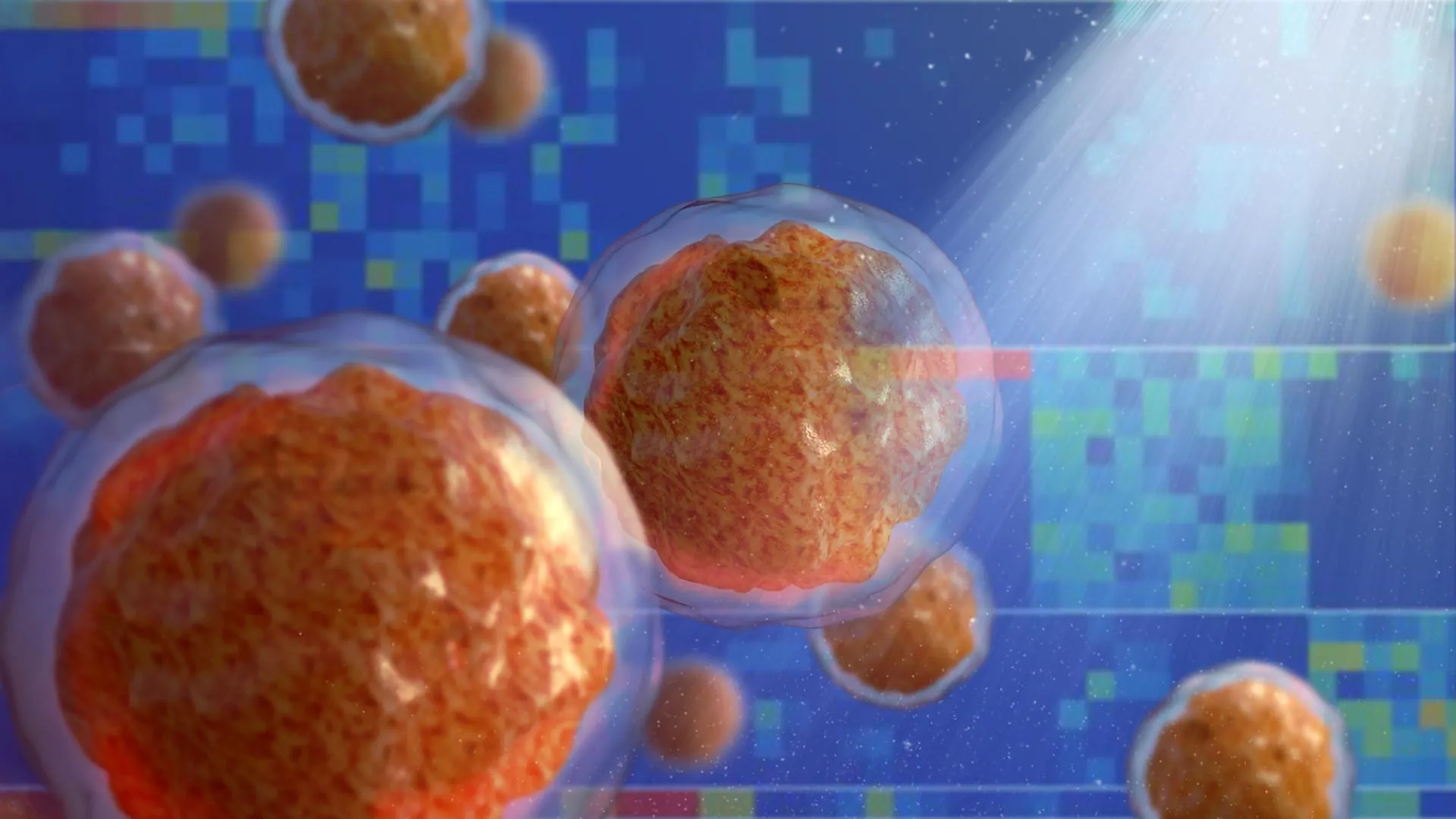
Furthermore, the researchers analyzed the gene expression "signature" of the cells treated with this combination. They found that the changes induced by the drugs mirrored the gene expression patterns found in a rare group of AML patients who naturally experience longer-than-average survival times. This correlation provides strong evidence that the treatment is moving the disease toward a more manageable, less aggressive state.
Broader Implications and Scientific Reactions
The implications of this study extend beyond AML. The researchers noted that the combination therapy effectively re-wires gene-expression programs to suppress stem-cell-like traits. Because these traits are often driven by the overactivation of the WNT signaling pathway—a common feature in many solid tumors, including colorectal and breast cancers—this discovery may provide a blueprint for treating other forms of malignancy.
The scientific community has reacted with cautious optimism. Hematologists have long sought a way to replicate the "APL miracle" in other forms of leukemia. The fact that both LSD1 and GSK3 inhibitors are already in various stages of human clinical trials means that the transition from the laboratory to a Phase I/II clinical trial for this specific combination could happen much faster than if a new drug had to be developed from scratch.
"Our findings provide compelling evidence to support the testing of this combination therapy in AML patients," Shi stated. "Both of the inhibitors involved are not only available but have been developed for human use and are currently being evaluated in clinical trials."
Analysis of the Clinical Path Forward
Despite the promising data, the road to standard-of-care status involves several hurdles. First, the heterogeneity of AML remains a factor; while the combination worked across "multiple subtypes," it may not work for all. Identifying which patients possess the specific epigenetic markers that make them susceptible to this dual inhibition will be a priority for upcoming trials.
Additionally, the timing of the treatment will be crucial. AML patients often present with acute symptoms that require immediate intervention to reduce the white blood cell count. Integrating differentiation therapy—which takes time to "mature" the cells—alongside or following debulking chemotherapy will require careful clinical design.
However, the 8.5-month survival benchmark provides a low bar for improvement and a high moral imperative for action. If this combination can even double that survival time or lead to long-term remission in a subset of patients, it would represent the most significant advancement in AML treatment in decades.
This research was a global effort, supported by a coalition of high-profile organizations, including the National Institutes of Health (NIH), the Research Council of Finland, Cancer Research UK, and the Oxford Biomedical Research Centre. As the oncology community moves toward more personalized, "epigenetic-aware" treatments, the Ludwig Cancer Research study stands as a testament to the power of understanding the fundamental "software" of the human cell to rewrite the outcome of a deadly disease.