


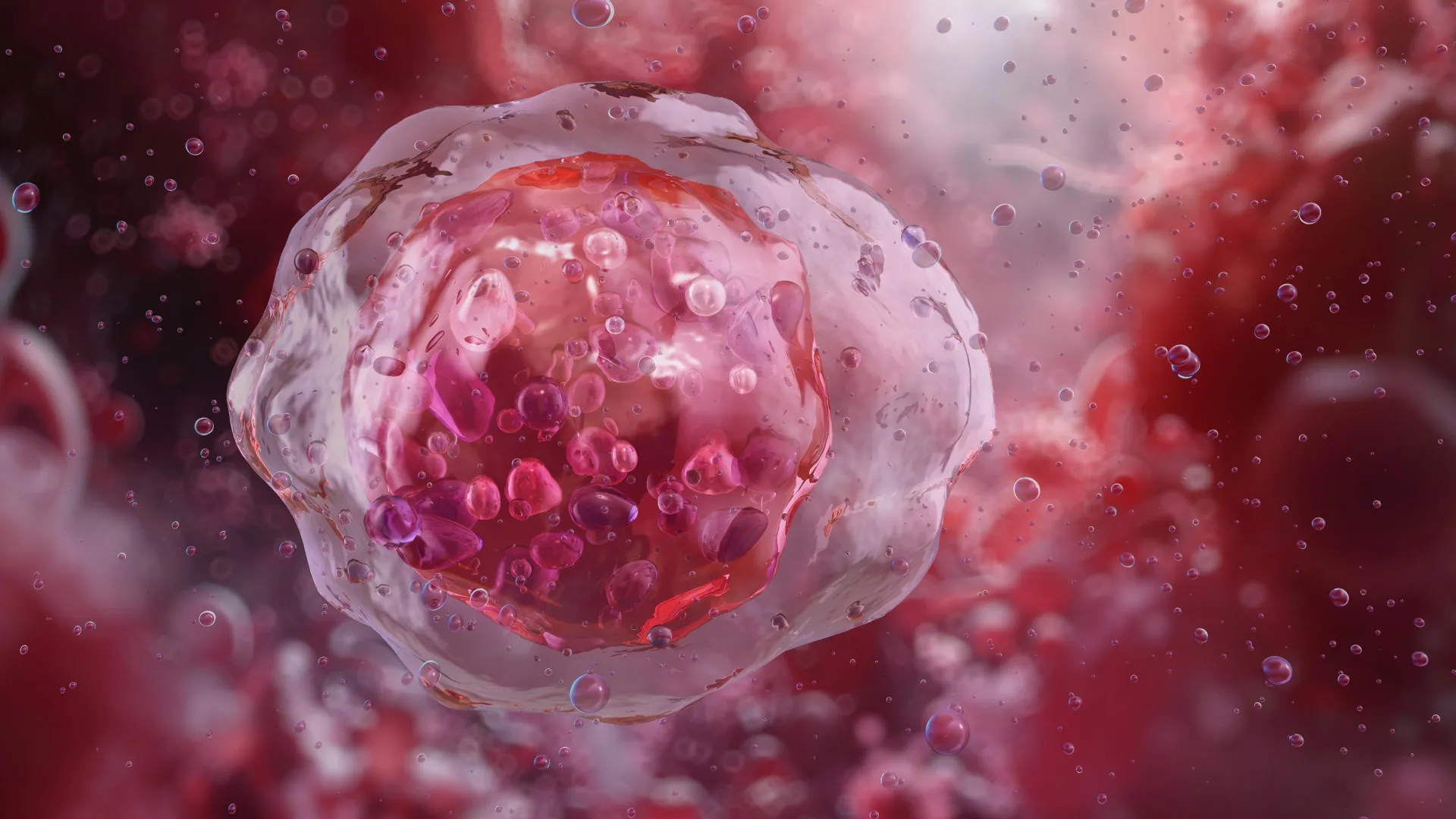
In the complex architecture of the human body, few environments are as vital or as biologically intricate as the bone marrow. Hidden within the cavities of our bones, this soft tissue serves as a high-output factory, producing billions of new blood cells every single day. From the red blood cells that transport life-sustaining oxygen to the white blood cells that form the vanguard of the immune system, the marrow is the engine of human vitality. However, this engine is also incredibly fragile. For cancer patients undergoing the rigors of chemotherapy or radiation, the marrow is often collateral damage. When the marrow is compromised, white blood cell counts plummet, a condition known as neutropenia, leaving patients dangerously susceptible to infections that would otherwise be trivial.
To address the limitations of current medical modeling, a multidisciplinary team of researchers from the University of Pennsylvania School of Engineering and Applied Science (Penn Engineering), the Perelman School of Medicine (PSOM), and the Children’s Hospital of Philadelphia (CHOP) has announced the development of a sophisticated "bone marrow-on-a-chip." This bioengineered platform successfully emulates the native environment of human marrow, offering a transformative tool for drug development, cancer research, and even the future of long-duration space exploration. The study, recently published in the journal Cell Stem Cell, represents a culmination of nearly a decade of research and marks a significant leap forward in the field of organ-on-a-chip technology.
The Architecture of Life: Replicating the Marrow Microenvironment
The challenge of modeling bone marrow lies in its "anatomical inaccessibility," as described by Dan Huh, a Professor in Bioengineering at Penn Engineering and the paper’s senior author. Unlike the skin or even the lungs, bone marrow is encased in a hard mineral shell and operates through a series of highly specific biochemical and mechanical cues. Traditional animal studies, while useful, often fail to replicate the nuances of human hematopoiesis—the process of blood cell formation—due to fundamental biological differences between species.
The Penn-CHOP device is a small, transparent plastic chip containing engineered chambers. These chambers are not merely containers; they are filled with a specialized hydrogel that mimics the extracellular matrix of human bone. Within this gel, the researchers placed human hematopoietic stem cells (HSCs) alongside mesenchymal cells, which provide structural support, and endothelial cells, which form the lining of blood vessels.
What sets this platform apart is its reliance on "self-organization." Rather than trying to manually place every cell in a specific location, the researchers provided the cells with the "right" environmental conditions—the biological recipe for marrow—allowing the cells to self-assemble into complex, functional tissues. This biomimetic approach resulted in a network of engineered capillary blood vessels that not only support the marrow tissue but also act as a conduit, releasing newly formed, functional human blood cells into a flowing culture medium that mimics the bloodstream.
A Decade of Development: From the International Space Station to Earth
The origins of this breakthrough are rooted in an unlikely place: low Earth orbit. Nearly ten years ago, Dan Huh and G. Scott Worthen, an attending physician at CHOP and Professor Emeritus at PSOM, proposed a project to the International Space Station (ISS) U.S. National Laboratory. Their goal was to investigate a persistent medical mystery: why do astronauts on prolonged missions face an increased risk of infection?
The researchers hypothesized that microgravity might have a detrimental effect on the bone marrow’s ability to produce immune cells. They planned to send a marrow-on-a-chip to the ISS to compare its performance in weightlessness against a control group on Earth. However, the path to space was fraught with technical hurdles. During the first launch attempt, a flow controller in the "cubelab" system—the hardware designed to sustain the tissue—short-circuited during the rocket’s ascent. A second attempt was later canceled due to the global disruptions caused by the COVID-19 pandemic.
Despite these setbacks, the team continued to refine the technology on the ground. The failure of the space missions forced the researchers to pivot, focusing on the terrestrial applications of their marrow model. This shift proved to be highly productive, leading to the development of a system that is now considered one of the most sophisticated bioengineered tissue models ever created.
Simulating Immune Response and Organ Crosstalk
One of the most significant achievements detailed in the Cell Stem Cell paper is the demonstration of "organ crosstalk." The human body does not function in isolation; organs are constantly communicating through biochemical signals. To model this, the researchers connected the bone marrow chip to a second device representing a bacteria-infected lung.
This interconnected system allowed the team to observe the innate immune response in real-time. When the "lung" became infected, it sent signals that the marrow chip interpreted. In response, the marrow rapidly accelerated the production and release of white blood cells (neutrophils). These cells then traveled through the engineered blood vessels, "trafficked" into the infected lung tissue, and began the process of engulfing and destroying the bacterial cells.
"We show for the first time the feasibility of creating interconnected organ-on-a-chip models of the human marrow and bacteria-infected lungs to emulate the biochemical crosstalk," says Dan Huh. This capability is vital for understanding systemic inflammatory responses and could lead to new treatments for sepsis and other life-threatening conditions where the immune system overreacts or fails.
High-Throughput Screening and the Future of Oncology
The implications for the pharmaceutical industry are profound. Currently, the development of a single new drug can cost upwards of $2.6 billion and take over a decade, with a high failure rate in clinical trials often attributed to unforeseen toxicities. Bone marrow toxicity is a common reason why promising anticancer drugs are abandoned.
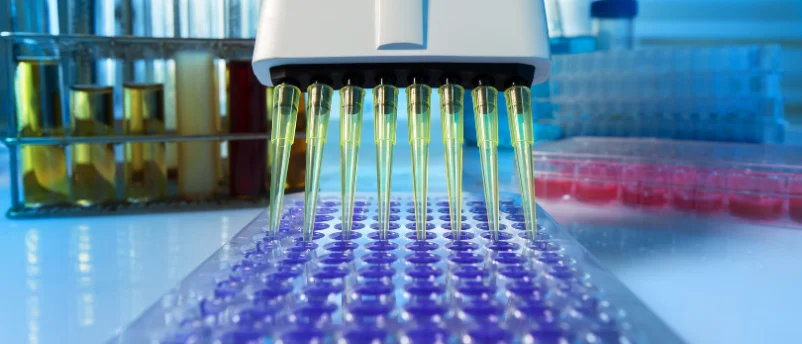
By using the marrow-on-a-chip, pharmaceutical companies can perform high-throughput preclinical screening. Because the chip can be produced at scale and automated, researchers can test thousands of drug compounds on actual human marrow tissue before they ever reach a human volunteer. This not only increases safety but also significantly reduces the time and cost of drug discovery.
The platform also allows for the simulation of radiotherapy. By exposing the chip to controlled doses of radiation, doctors can study how different intensities affect blood cell production. This "personalized medicine" approach could eventually allow clinicians to test a patient’s own cells on a chip to determine the safest and most effective dose of chemotherapy or radiation for their specific biological makeup.
The Holy Grail: Hematopoietic Stem Cell Expansion
Beyond drug testing, the Penn-CHOP team is looking toward what many call the "Holy Grail" of hematology: the expansion of hematopoietic stem cells (HSCs). HSC transplants are a standard treatment for leukemia, lymphoma, and various blood disorders. However, harvesting these cells from donors is an invasive, painful, and expensive process, and the number of cells obtained is often limited.
The marrow chip has shown a remarkable ability to maintain HSCs in a "progenitor" state for extended periods. In traditional lab settings, these stem cells often lose their "stemness" or die quickly. If the chip can be used to not only maintain but also expand the population of these cells outside the human body, it would revolutionize cell therapy.
"Exploring the utility of our technology for HSC-based cell therapies will be an important goal of our future work," notes Huh. Such an advancement could make bone marrow transplants more accessible and successful for thousands of patients worldwide.
Broader Implications for Space and Beyond
While the original ISS experiments were delayed, the marrow-on-a-chip remains a vital tool for the future of space exploration. As NASA and private entities like SpaceX plan for multi-year missions to Mars, understanding the long-term effects of cosmic radiation and microgravity on the human immune system is a top priority. The marrow chip provides a way to simulate these harsh environments on Earth, helping scientists develop countermeasures to keep astronauts healthy during their journey through the solar system.
Furthermore, the commercialization of this technology is already underway. Andrei Georgescu, a former doctoral student in Huh’s lab and the lead author of the study, has co-founded a startup called Vivodyne. The company aims to bring these organ-on-a-chip platforms to the broader medical and pharmaceutical markets, ensuring that the research moves from the lab bench to the bedside.
Conclusion
The development of the bone marrow-on-a-chip by Penn Engineering, PSOM, and CHOP represents a landmark achievement in bioengineering. By successfully mimicking the self-organizing nature of human marrow and demonstrating its ability to interact with other organ models, the researchers have created a tool that bridges the gap between laboratory research and human physiology.
As this technology matures, it promises to make cancer treatments safer, drug development faster, and long-term space travel more viable. Most importantly, it offers a new window into the "inner workings" of the human immune system, providing hope for more effective treatments for some of the most challenging diseases facing humanity today. The study was supported by a wide range of institutions, including the National Institutes of Health, the National Science Foundation, and the Paul G. Allen Foundation, underscoring the global importance of this scientific milestone.














Leave a Reply