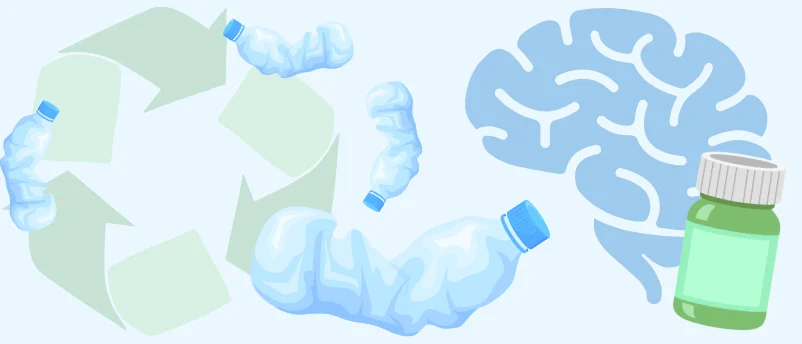
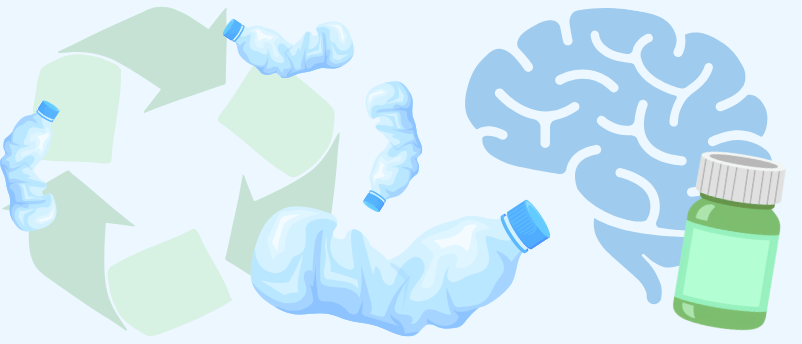
A groundbreaking innovation emerging from The University of Edinburgh in the United Kingdom has unveiled a novel technology capable of converting poly(ethylene terephthalate) (PET) plastic waste into levodopa (L-DOPA), the primary medication utilized in the treatment of Parkinson’s disease. This development marks a significant milestone, representing the first instance where engineered biology has been successfully employed to transform plastic waste into a therapeutic agent for a neurological disorder. The implications of this research are profound, offering a potential dual solution to the escalating global plastic pollution crisis and the urgent demand for more sustainable and accessible pharmaceutical interventions.
The Genesis of a Dual Solution: Tackling Plastic and Parkinson’s
For decades, the global chemical industry, including the crucial sector of pharmaceutical manufacturing, has been largely dependent on finite fossil resources. This reliance has necessitated energy-intensive processes to synthesize various products, which are then often disposed of via landfills or incineration. Such methods exacerbate environmental and atmospheric pollution, contributing to climate change and ecosystem degradation. In stark contrast, nature has evolved intricate and elegant mechanisms for carbon utilization, upcycling, and sustainable chemical synthesis. Harnessing these natural processes through engineering biology has historically focused on readily biodegradable polymers like cellulose, chitin, and lignin. However, a paradigm shift is underway, with scientists increasingly exploring the vast potential of plastic waste as a microbial feedstock.
The University of Edinburgh team’s breakthrough is particularly noteworthy given the persistent challenges associated with PET plastic. PET, commonly used in single-use beverage bottles, food containers, and synthetic fibers, constitutes a substantial portion of global plastic waste. While some recycling infrastructure exists, current techniques are often inefficient, energy-intensive, and fail to address the vast majority of discarded plastic, which continues to accumulate in the environment.
Inspired by recent advancements in upcycling plastic into other high-value molecules such as vanillin, adipic acid, and paracetamol, the Edinburgh researchers set out to devise an innovative strategy to address the pervasive PET waste problem. Their latest study, detailed in a new publication, meticulously reports the successful conversion of both industrial PET waste and a post-consumer PET plastic bottle into L-DOPA. This achievement is particularly impactful as L-DOPA production traditionally relies on synthesis derived from fossil fuels, a process that is neither environmentally benign nor sustainable in the long term.
The Scientific Pathway: Engineering Escherichia coli
The core of this transformative process lies in the sophisticated engineering of Escherichia coli bacteria. These ubiquitous microbes were genetically modified to convert terephthalic acid (TPA), a monomer derived from PET, into L-DOPA. This conversion occurs through a precise four-step biosynthetic pathway encoded by seven distinct genes.
The intricate pathway begins with TPA being transformed into protocatechuate. This initial reaction is catalyzed by enzymes sourced from Comamonas sp., a genus known for its metabolic versatility. Subsequently, protocatechuate undergoes decarboxylation to become catechol, a reaction facilitated by co-factors obtained from Klebsiella pneumoniae. The third crucial step involves the formation of a carbon–carbon bond between catechol and pyruvate, a process mediated by enzymes from Fusobacterium nucleatum in the presence of ammonia. This complex series of reactions ultimately culminates in the desired end product: L-DOPA.
To further bolster the sustainability credentials of their bioprocess and demonstrate a comprehensive proof-of-concept, the researchers incorporated an additional innovative element. They introduced the alga Chlamydomonas reinhardtii into the system. The primary role of this microalga is to capture the carbon dioxide (CO2) released during the generation of catechol, thereby mitigating a significant greenhouse gas byproduct and enhancing the overall environmental efficiency of the process.
This entire bioprocess operates under mild, aqueous conditions, a stark contrast to the harsh chemical environments often required for traditional industrial synthesis. The team successfully achieved high concentrations of L-DOPA not only from industrial PET waste but also from a single, discarded post-consumer plastic bottle. This remarkable demonstration vividly illustrates the immense potential of this novel pathway for generating high-value pharmaceutical drugs, particularly for neurological diseases, from what was once considered mere discarded plastic.
Parkinson’s Disease: A Global Health Challenge
Parkinson’s disease is a progressive neurodegenerative disorder affecting millions worldwide. Characterized by motor symptoms such as tremors, rigidity, bradykinesia (slowness of movement), and postural instability, it significantly impairs quality of life. The disease is caused by the degeneration of dopamine-producing neurons in the substantia nigra region of the brain. While there is no cure for Parkinson’s, L-DOPA remains the most effective symptomatic treatment, having been the gold standard for over 50 years.
Globally, an estimated 10 million people are living with Parkinson’s disease. The prevalence is projected to rise significantly with an aging global population. In the United States alone, the annual healthcare costs associated with Parkinson’s disease, including medication, medical appointments, and lost productivity, can exceed $25 billion. The consistent and reliable supply of L-DOPA is therefore a critical public health concern. Current pharmaceutical production of L-DOPA primarily relies on chemical synthesis from petrochemical precursors, a method that is both resource-intensive and environmentally taxing. The ability to produce this vital medication from waste offers a compelling alternative, promising a more secure and sustainable supply chain.
The Global Scourge of Plastic Waste
Parallel to the challenges of pharmaceutical production is the pervasive crisis of plastic pollution. Global plastic production surpassed 400 million tonnes in 2022, a figure that continues to climb annually. PET plastics, while valuable for their durability and versatility, represent a significant portion of this waste stream. Billions of PET bottles are produced and consumed each year, contributing massively to environmental contamination.
Despite growing awareness and recycling efforts, the global recycling rate for plastics remains stubbornly low, estimated at only around 9%. The vast majority of plastic waste ends up in landfills, where it can take hundreds of years to degrade, or is incinerated, releasing harmful greenhouse gases and pollutants into the atmosphere. A significant portion also leaks into natural environments, polluting oceans, rivers, and land, posing severe threats to wildlife and ecosystems. The development of innovative solutions that can not only mitigate plastic waste but also transform it into valuable products is thus critically important for environmental sustainability and the transition towards a circular economy.
Pioneering the Bio-Circular Economy: Broader Implications
This research from The University of Edinburgh is a powerful demonstration of the potential of synthetic biology to drive a bio-circular economy. In such an economy, waste is not merely discarded but is re-envisioned as a valuable feedstock for new products, minimizing resource depletion and environmental impact. The ability to convert a common pollutant like PET plastic into a life-saving drug underscores a fundamental shift in our approach to resource management and industrial production.
The implications extend far beyond pharmaceuticals. As Stephen Wallace, the corresponding author of the study, enthusiastically noted, "This feels like just the beginning. If we can create medicines for neurological disease from a waste plastic bottle, it’s exciting to imagine what else this technology could achieve. Plastic waste is often seen as an environmental problem, but it also represents a vast, untapped source of carbon. By engineering biology to transform plastic into an essential medicine, we show how waste materials can be reimagined as valuable resources that support human health.”
With further optimization, this innovative bioprocess could bolster manufacturing methods across a diverse range of industries. Potential applications include the sustainable production of flavorings, fragrances, cosmetics, and various industrial chemicals, all currently reliant on resource-intensive, often fossil fuel-derived, synthesis. This represents a significant step towards decoupling industrial growth from virgin resource extraction and environmental degradation.
Expert Perspectives and Future Outlook
The pharmaceutical industry, facing increasing pressure for sustainable practices and diversified supply chains, is likely to view this breakthrough with cautious optimism. While the initial proof-of-concept is compelling, scaling up production to meet global demand for L-DOPA would present significant engineering and economic challenges. Regulatory bodies would also need to establish rigorous frameworks for the approval of biologically produced pharmaceuticals from waste feedstocks, ensuring purity, safety, and efficacy comparable to conventionally manufactured drugs. However, the long-term benefits of a more sustainable and potentially cost-effective L-DOPA production method could be a strong motivator for industry investment.
Environmental advocacy groups would undoubtedly laud this innovation as a significant victory in the fight against plastic pollution, aligning perfectly with calls for circular economy principles and bioremediation. Patient advocacy groups for Parkinson’s disease would welcome any development that promises a more secure, ethical, and potentially affordable supply of their vital medication, while emphasizing the paramount importance of continued research into curative treatments.
The path from laboratory breakthrough to widespread commercial application is typically long and arduous. Future research will need to focus on several key areas:
- Process Optimization: Enhancing the efficiency and yield of the L-DOPA production pathway to maximize output from a given amount of plastic waste.
- Scalability: Developing bioreactor designs and fermentation strategies that can operate effectively at industrial scales.
- Cost-Effectiveness: Ensuring that the bioproduction method is economically competitive with, or superior to, existing chemical synthesis routes.
- Purity and Regulatory Approval: Establishing robust purification protocols to meet stringent pharmaceutical quality standards and navigating the complex regulatory pathways for novel drug manufacturing processes.
Despite these challenges, the fundamental scientific achievement is undeniable. This research provides a powerful template for how synthetic biology can address complex, interconnected global problems. By creatively repurposing waste streams, scientists are not only mitigating environmental damage but also unlocking new avenues for the production of essential goods, heralding a new era of sustainable innovation. The vision of a world where a discarded plastic bottle can literally offer hope and health is no longer a distant dream, but an increasingly tangible reality.