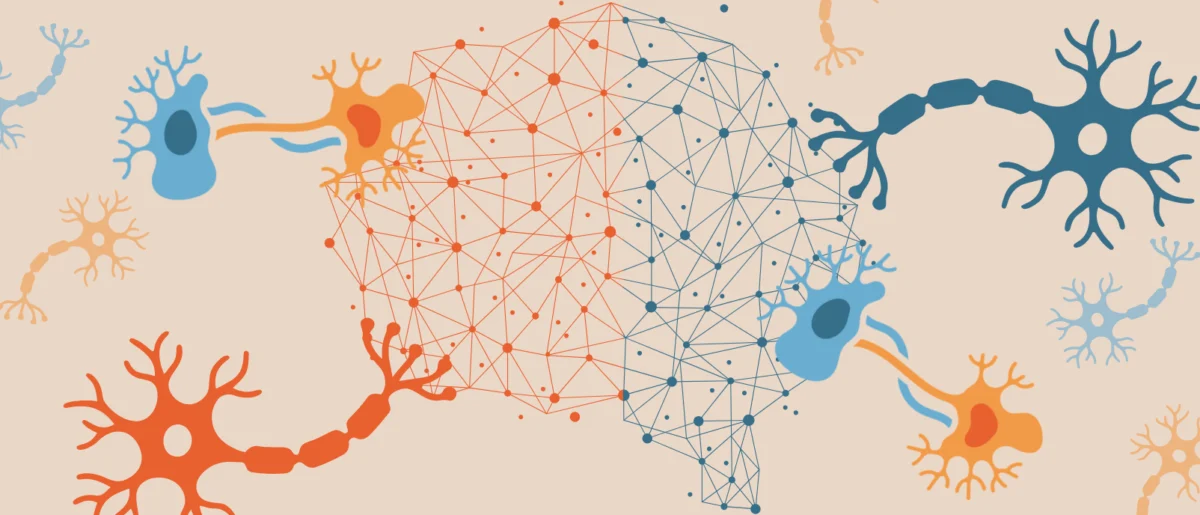
The intricate complexity of the human brain, an organ often described as the most heterogeneous tissue in the body, presents both a profound challenge and an unparalleled opportunity for scientific discovery. Within even a minuscule cerebral sample, a vast array of specialized cells—from information-transmitting neurons to supportive oligodendrocytes and astrocytes, and immune-system-integrating microglia—coexist and interact. Beyond these broad categories, neurons themselves fragment into hundreds, if not thousands, of distinct subclasses, each contributing uniquely to behavior and systemic function. Unraveling the specific roles of these individual cellular entities is paramount to comprehending the brain’s operational mechanics and, critically, to developing precision interventions for neurological disorders.
At the forefront of this endeavor is Andreas Pfenning, an Associate Professor in the Computational Biology Department within Carnegie Mellon University’s (CMU) School of Computer Science and a distinguished member of its Neuroscience Institute. Pfenning’s laboratory is pioneering a tightly integrated approach, merging cutting-edge experimental methodologies with advanced computational techniques to systematically dissect brain cell heterogeneity. His work extends beyond fundamental discovery, aiming to translate this intricate understanding into targeted therapeutics, a vision he is set to share at the upcoming ABRF 2026 conference in Pittsburgh, Pennsylvania. The convergence of artificial intelligence (AI) and spatial biology, particularly spatial transcriptomics, forms the bedrock of Pfenning’s strategy, promising a new era in neuroscience and personalized medicine.
Deconstructing Brain Complexity: A Dual-Discipline Approach
The Pfenning lab’s methodology is characterized by its seamless integration of experimental and computational disciplines, a unique strength given Pfenning’s background as a computer scientist who transitioned into running a sophisticated wet lab and mouse colony at CMU. This interdisciplinary fusion is crucial for tackling the inherent challenges of brain research.
Experimentally, the lab initiates its investigations using droplet-based single-nucleus RNA sequencing (snRNA-seq). This technique offers a detailed snapshot of gene expression levels within individual cell nuclei, effectively mapping out cellular identities. The choice of single-nucleus over single-cell sequencing is a deliberate and critical one, addressing a known bias in droplet-based methods. Brain cells, particularly neurons, exhibit immense diversity in shape and size. When flowing through microfluidic devices, these morphological differences can lead to varying flow rates or even blockages, resulting in skewed data. By isolating and sequencing nuclei, which are more uniform in size, Pfenning’s team mitigates these biases, ensuring a more accurate representation of the cellular landscape.
Complementing snRNA-seq, the lab employs single-nucleus ATAC-seq (Assay for Transposase-Accessible Chromatin using sequencing) to probe the epigenetic landscape. This method identifies regions of open chromatin, which are indicative of active gene regulation. Together, snRNA-seq and snATAC-seq provide a comprehensive genomic and epigenomic profile of individual cell types, painting a rich picture of their molecular states.
The Computational Engine: Making Sense of Vast Biological Data
The deluge of data generated by these advanced experimental techniques necessitates equally sophisticated computational tools. While standard methods are employed for processing raw sequencing reads, mapping them to the genome, and identifying gene clusters, Pfenning’s lab often develops bespoke algorithms to extract deeper insights. A prime example is their application of regression discontinuity, a statistical method used to differentiate between continuous cellular gradients and discrete cell type boundaries. In brain regions where cell characteristics might transition smoothly (e.g., dorsal to ventral), or abruptly, this computational tool provides clarity, revealing whether observed genetic differences signify a spectrum or distinct populations.
This analytical precision is particularly vital when considering the ultimate goal: developing targeted therapeutics. Understanding whether a cell population is a continuum or discrete impacts how one would design interventions. For instance, if a specific disease phenotype is linked to a discrete cell type, precise targeting becomes more feasible.
Targeting the Untargetable: The Promise of Spatial Transcriptomics and Regulatory Elements
A significant focus of Pfenning’s research, notably as part of the BRAIN Armamentarium Consortium, is the development of tools to precisely manipulate specific neuron subtypes. Traditionally, in mouse models, Cre-driver lines are used to genetically insert elements that label or modify specific cell types. While effective for studying behavior, this approach is costly and not directly transferable to human therapeutic contexts, where direct genetic engineering of the human genome for every specific cell type is not a viable strategy.
Instead, Pfenning’s team is designing regulatory elements—enhancers or promoters—that activate gene expression exclusively within a cell type of interest. The vision is to build a toolkit of these elements that can selectively inhibit or activate specific cell populations, allowing researchers to study their roles in behavior and disease. The initial challenge lies in identifying these cell-type-specific enhancers. This is where AI-driven analysis of single-cell open chromatin data becomes critical. The lab leverages AI to predict and design these sequences, which are then experimentally validated.
However, the experimental validation itself presented a significant bottleneck. Traditionally, individual testing of these enhancer candidates was laborious. Modern approaches, employing high-throughput screening with barcoding techniques, aim to accelerate this. Yet, a technical hurdle emerged: crosstalk. In droplet-based systems, enhancers and barcodes can concatenate, confounding results and making it difficult to ascertain the specificity of an enhancer. This is where spatial transcriptomics, particularly technologies like the 10x Xenium, offers a transformative solution. By providing a complete spatial picture of which enhancers and barcodes are present within each cell, sensitive spatial technologies circumvent the crosstalk issue. Subsequently, computational deconvolution steps can recover signals from different barcodes, inferring enhancer specificity in a single, high-throughput experiment. This synergistic integration of spatial data and AI is pivotal for accelerating the discovery of cell-type-specific regulatory elements.
A New Paradigm in Scientific Discovery: AI and Wet Lab Synergy
Pfenning’s journey from a computer scientist at MIT’s Computer Science and Artificial Intelligence Laboratory to leading a dual computational and experimental lab at CMU highlights a burgeoning trend in scientific research. He posits that experimental techniques, rather than computational analysis, now represent the primary bottleneck in scientific discovery. The path forward, he argues, is a tighter, more intelligent integration of AI and wet lab experimentation, moving beyond AI merely serving as a data analysis supplement.
This philosophy is exemplified in his lab’s approach to designing targeted therapeutics. For instance, in collaboration with Dr. Becky Seal at the University of Pittsburgh’s Department of Neurobiology, Pfenning’s team is developing precision treatments for spinal cord disorders in mouse models. The spinal cord, much like the brain, is a highly heterogeneous tissue, containing closely packed cells involved in diverse sensory and motor functions. The critical challenge is to selectively target cells implicated in chronic pain—a condition affecting millions worldwide, with an estimated 20-30% of the global population experiencing chronic pain—without disrupting essential functions like normal touch, movement, or breathing. The economic burden of chronic pain is substantial, often exceeding that of heart disease and cancer combined, underscoring the urgent need for more precise treatments.
The collaborative project began by constructing a cross-species atlas of spinal cord cell types, linking them to specific neural circuits and pain behaviors through functional studies. Machine learning analysis of single-cell datasets then guided the design of enhancers engineered to activate solely within chronic pain-associated cell populations. These candidates were meticulously screened for specificity using Xenium spatial transcriptomics. The most promising enhancers were then paired with chemogenetics by the Seal Lab. This innovative technique allows for the enhancer to drive the expression of a specific receptor. Subsequently, a designer drug can be administered to the animal, selectively inhibiting all cells expressing that receptor. By harnessing a cell-type-specific enhancer, only chronic pain cells are silenced, while other vital neural functions remain unimpaired.
Remarkably, the Seal Lab’s research has demonstrated that inhibiting these specific populations can either completely block or substantially reduce multiple forms of chronic pain and even chronic itch, while leaving normal sensation, motor behavior, and even acute pain responses intact. This breakthrough showcases the immense potential of AI-driven, spatially informed precision targeting for debilitating neurological conditions.
Expanding Horizons: Parkinson’s, Addiction, and the Vertebrate Genomes Project
The success in spinal cord pain therapeutics is a springboard for Pfenning’s lab to explore other neurological disorders. Parkinson’s disease, a progressive neurodegenerative disorder affecting over 10 million people globally, and addiction, a complex chronic brain disease, are next on their radar. In previous work, Pfenning’s team combined AI with electrophysiological techniques to selectively activate cells that could alleviate Parkinson’s symptoms without interfering with other motor functions. The same principle of targeting specific cell populations could revolutionize treatments for these conditions, which currently lack highly selective interventions.
Parallel to these therapeutic endeavors, Pfenning directs the comparative genomics working group within the ambitious Vertebrate Genomes Project (VGP). This international consortium aims to sequence the genomes of every vertebrate species on Earth—a monumental undertaking that, once completed, will provide an unprecedented biological dataset. The VGP, which has already sequenced hundreds of high-quality genomes, offers a unique opportunity to trace the evolution of genomic elements and apply this knowledge to human disease biology. The current reliance on a limited number of model organisms (human, mouse, rhesus macaque) inherently constrains the sophistication of biological models. By expanding the genomic repertoire, researchers can gain deeper insights into conserved and divergent biological mechanisms, potentially identifying novel model organisms and designing tools to study their brains and behaviors. This comparative approach could reveal fundamental principles of nervous system function and dysfunction across diverse species, enriching our understanding of human health and disease.
The Future is Automated: Intelligent Integration of Experimentation and Computation
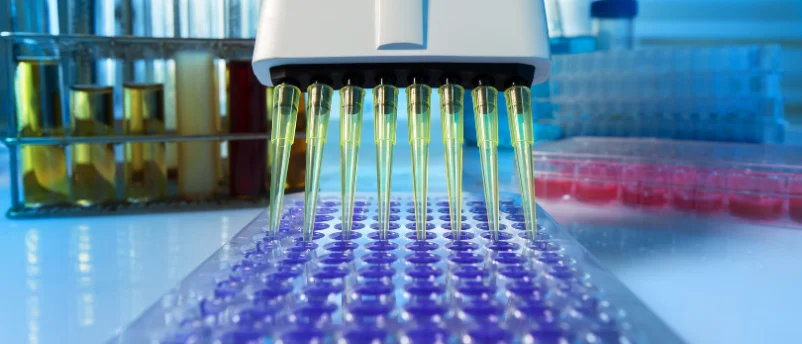
Looking ahead, a pivotal direction for Pfenning’s research involves an even tighter integration of experimental and computational techniques through automation. Carnegie Mellon University is home to an impressive automated lab infrastructure, providing a fertile ground for this vision. The concept involves programming automated systems, such as liquid handling robots, to conduct experiments. Crucially, these systems would then be capable of taking the results of those experiments, feeding them into computational models and machine learning algorithms, and subsequently making intelligent decisions about the next round of experiments to perform, or how to optimize tools and technologies. This closed-loop, self-optimizing experimental design paradigm promises to accelerate scientific discovery exponentially, moving beyond human-guided trial and error to a more efficient, AI-driven exploration of biological space. While still in its nascent stages, the potential of such intelligent automation to unlock significant leaps in biology is immense.
ABRF 2026: Fostering a Spatial Biology Community
Pfenning’s participation in the "Spatial Transcriptomics – Advances and Applications" session at ABRF 2026 underscores the growing importance of this field. Organized by Amanda Poholek at the University of Pittsburgh, the session aims to cultivate a robust community around spatial biology within the Pittsburgh area and beyond. The rapid evolution of spatial transcriptomics, particularly its increasing resolution, brings with it a host of new questions: How can researchers effectively leverage this technology to address complex biological queries? How can it be made accessible, and how can the broader scientific community be educated on its diverse applications?
Dr. Poholek’s group, for example, utilizes spatial technology to investigate immune activation and the intricate interactions between different tissues and the immune system—a context where spatial information is absolutely critical for understanding cellular communication. Pfenning’s own interest lies in the technology’s sensitivity and its capacity to reveal spatial patterns that aid in discerning relevant cell types and informing the design of even better tools. By showcasing the broad utility of spatial transcriptomics, the session seeks to inspire researchers to envision its potential in their own work and to foster a collaborative environment where shared challenges in using these advanced techniques can be collectively addressed.
At ABRF 2026, Pfenning is particularly eager to explore how different core facilities are integrating AI with experimental infrastructure, especially within genomics. This focus on the "how" of integration—what works, what needs improvement—is critical for building the next generation of scientific tools and frameworks. The convergence of computational prowess and experimental innovation, as championed by Andreas Pfenning and highlighted at events like ABRF 2026, marks a pivotal moment in neuroscience, offering unprecedented opportunities to unravel the brain’s mysteries and translate fundamental discoveries into life-changing therapies.