A New Hope from the Ocean Depths: Seaweed’s Potential Against Norovirus
In a significant stride for global public health, new collaborative research has unveiled the remarkable potential of seaweed compounds to act as a protective shield within the human body, effectively blocking the highly contagious norovirus. This discovery, stemming from a partnership between Australia’s Griffith University and biotechnology company Marinova, addresses a critical unmet medical need: the absence of approved vaccines or specific antiviral treatments for norovirus, which currently accounts for over 685 million infections annually. The research specifically highlights fucoidan, a compound derived from brown seaweed, as a potent inhibitor against major norovirus strains, offering a promising, natural avenue for prevention and early intervention against this pervasive illness.
The Global Scourge of Norovirus: A Persistent Public Health Challenge
Norovirus is an insidious pathogen, notorious for its rapid spread and the debilitating symptoms it inflicts. Often dubbed the "winter vomiting bug," it is the most common cause of acute gastroenteritis globally, affecting individuals of all ages. While typically self-limiting, characterized by symptoms such as nausea, forceful vomiting, watery diarrhea, fever, stomach pains, headache, and muscle aches, its widespread nature and high transmissibility present significant public health challenges.
The impact of norovirus extends far beyond individual discomfort. Outbreaks frequently occur in crowded or semi-closed environments, including cruise ships, hospitals, nursing homes, schools, and childcare centers, leading to rapid spread and considerable disruption. Annually, norovirus is responsible for an estimated 200,000 deaths, primarily among young children in developing countries and the elderly in industrialized nations. The economic burden is substantial, encompassing healthcare costs, lost productivity due to illness, and significant expenses related to outbreak containment, cleaning, and disinfection. For instance, in the United States alone, norovirus is estimated to cost billions of dollars annually in healthcare expenses and lost wages.
Despite its pervasive impact, the medical community has long grappled with the absence of effective preventive or therapeutic solutions. Current management largely relies on supportive care, primarily rehydration to counteract fluid loss from vomiting and diarrhea. The development of a norovirus vaccine has proven particularly challenging due to the virus’s genetic diversity and the existence of multiple strains (genogroups and genotypes) that can cause illness. Furthermore, the difficulty in culturing human norovirus in vitro until relatively recently has historically hampered research efforts. This void underscores the urgent need for novel strategies to prevent and treat norovirus infections, making the recent findings on seaweed compounds particularly compelling.
Unveiling the Mechanism: How Seaweed Compounds Block Infection
The groundbreaking research was a joint effort, leveraging the distinct expertise of both collaborating institutions. Griffith University, renowned for its advancements in medical and health sciences, particularly through its Institute for Biomedicine and Glycomics, contributed deep insights into viral mechanisms and host interactions. Marinova, an Australian biotechnology company based in Hobart, Tasmania, brought its specialized knowledge in the research and development of high-purity fucoidan and other marine bioproducts.
The core of norovirus infection lies in its ability to attach to specific molecules in the human intestine known as histo-blood group antigens (HBGAs). These complex carbohydrates are found on the surface of red blood cells and also secreted into various bodily fluids, including saliva and the lining of the gastrointestinal tract. HBGAs act as specific receptors, essentially "docking stations," that norovirus exploits to gain entry into host cells and initiate infection. Different norovirus strains exhibit varying preferences for specific HBGA types, which contributes to their infectivity patterns and host range.
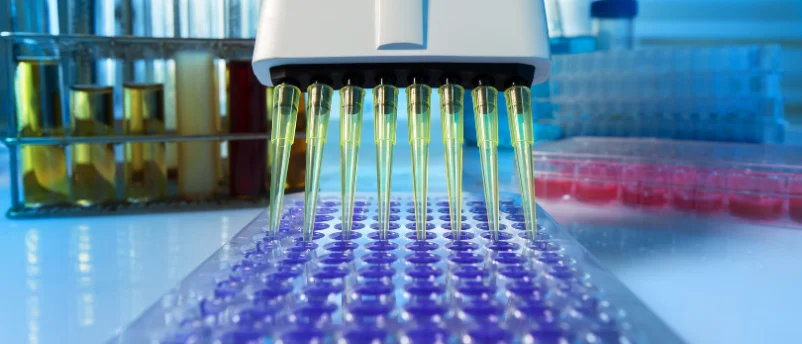
To investigate the potential of seaweed compounds, the research team, led by senior author Grant Hansman from Griffith’s Institute for Biomedicine and Glycomics, focused on two primary compounds: fucoidan, derived from brown seaweed, and ulvan, found in green seaweed. The methodology involved testing how effectively these compounds could prevent norovirus virus-like particles (VLPs) from binding to human saliva samples containing HBGAs. VLPs are non-infectious replicas of the virus’s outer shell, which are safe to handle in a laboratory setting but accurately mimic the virus’s binding capabilities, making them an ideal tool for studying initial infection mechanisms.
The results were striking. "We tested the seaweed compounds fucoidan and ulvan to see how well they prevented norovirus virus-like particles from binding to human saliva samples that contain HBGAs," Hansman explained. The critical finding was that "Fucoidan, from brown seaweed, showed the strongest and most consistent blocking activity against two major norovirus strains, GII.4 and GII.17." The GII.4 genotype is particularly significant as it has been responsible for the majority of norovirus outbreaks globally over the past two decades. Its ability to evolve rapidly and evade host immunity makes it a formidable target, underscoring the importance of fucoidan’s efficacy against it.
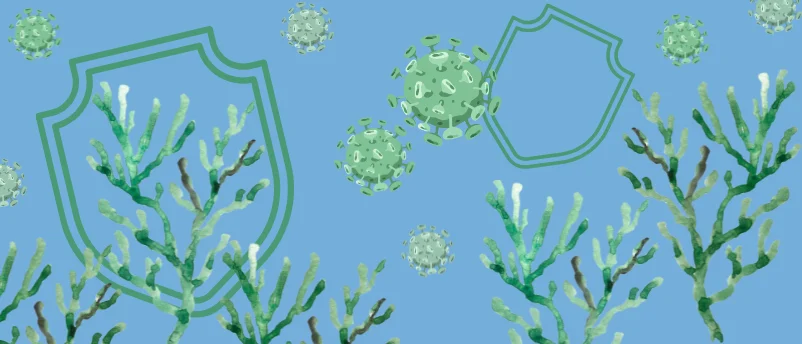
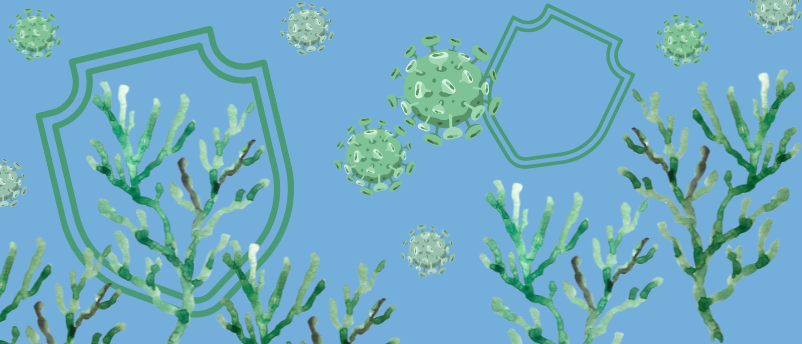
The proposed mechanism of action for fucoidan is one of a physical shield. Researchers hypothesize that fucoidan likely binds directly to the HBGA binding pocket on the norovirus VLP. This interaction would effectively occupy the site where the virus normally attaches to human cells, physically obstructing its ability to bind to the host’s HBGAs. By creating this molecular barrier, fucoidan would make it significantly harder for the virus to initiate the infection process, thereby providing a protective effect. This direct interference with the initial stage of infection represents a highly promising strategy for prevention.
Fucoidan: A Natural Compound with a Promising Profile
Fucoidan is a complex sulfated polysaccharide found predominantly in various species of brown seaweeds, such as Fucus vesiculosus, Undaria pinnatifida (wakame), and Laminaria japonica (kombu). These seaweeds have been a staple in the diets of many coastal communities, particularly in East Asia, for centuries, valued not only for their nutritional content but also for their perceived medicinal properties. This long history of dietary consumption is a significant advantage when considering fucoidan for therapeutic or prophylactic applications.
Beyond its newly identified role in blocking norovirus, fucoidan has been the subject of extensive scientific research revealing a wide array of other impressive bioactivities. These include anti-inflammatory, anticoagulant, antithrombotic, and immunomodulatory effects. It has also shown promise in oncology research for its potential anti-cancer properties and in cardiovascular health for its ability to support healthy blood circulation. Its multifaceted biological activity suggests a broad spectrum of health benefits, making it an attractive compound for further medical exploration.
A key factor highlighted by co-senior author Thomas Haselhorst is fucoidan’s established safety profile. "Fucoidan had a history of dietary use, had demonstrated good tolerability in human studies and was used in premium dietary supplements," Haselhorst noted. This existing evidence of good tolerability in human studies, even at relatively high doses, is crucial for accelerating its potential pathway from research to practical application. Many novel compounds face significant hurdles in safety testing, but fucoidan’s history of safe consumption provides a strong foundation. The fact that it is already utilized in dietary supplements also indicates a certain level of acceptance and familiarity within the consumer market.
Haselhorst further emphasized the significance of their findings: "Our study highlights that fucoidan could be a promising, natural treatment for preventing norovirus infection." This statement underscores the potential for fucoidan not only as a preventive measure but also as an accessible and perhaps more palatable option for individuals seeking to mitigate their risk, particularly in scenarios prone to outbreaks, such as during travel or within communal living environments. The "natural" aspect is also likely to appeal to a broad segment of the population increasingly seeking alternatives to synthetic pharmaceuticals.
The Path Forward: From Laboratory to Practical Application
While the initial laboratory findings are highly encouraging, the journey from discovery to widespread application involves several critical steps. The immediate focus of the research team is on validating how fucoidan could be formulated to maximize its protective effect within the gastrointestinal tract. This involves addressing several complex pharmacological and physiological challenges.
The gastrointestinal tract is a harsh environment, characterized by varying pH levels, digestive enzymes, and a complex microbial ecosystem. For fucoidan to be effective, it must maintain its structural integrity and bioactivity as it transits through the stomach and small intestine to reach the sites where norovirus typically initiates infection. This will require extensive research into formulation strategies, such as enteric coatings, microencapsulation, or specific delivery systems that can protect the compound and ensure its targeted release. Dosage optimization will also be paramount, determining the most effective yet safe concentration of fucoidan required to create a sufficient "shield" against the virus without adverse effects.
Potential applications for fucoidan could be manifold. As a prophylactic, it could be incorporated into dietary supplements or functional foods, particularly targeting high-risk groups such as healthcare workers, the elderly in care facilities, or travelers on cruise ships. Imagine a daily supplement designed to boost gut defense against norovirus, similar to how probiotics are consumed for general gut health. As an early-stage therapeutic, it could be administered at the first signs of exposure or during an active outbreak to limit viral spread and mitigate symptom severity.
From a regulatory standpoint, the path for fucoidan could diverge depending on its intended use. If positioned as a dietary supplement for general health or prevention, it might follow a pathway similar to other natural health products, requiring demonstration of safety and efficacy. If it were to be developed as a pharmaceutical drug specifically for norovirus treatment, it would necessitate rigorous pre-clinical studies, followed by multi-phase clinical trials (Phase I, II, III) to prove its safety, efficacy, and optimal dosing in human subjects. This process can be lengthy and expensive but would lead to an approved, prescription-based treatment. The existing evidence of good tolerability for fucoidan could potentially streamline certain aspects of this regulatory journey, particularly concerning early-stage safety assessments.
Broader Implications for Public Health and Biotechnology
The potential of seaweed-derived compounds to combat norovirus carries profound implications for public health, the economy, and the field of biotechnology. For public health, the introduction of an effective preventive or early intervention strategy could dramatically reduce the incidence and severity of norovirus outbreaks. This would translate into fewer hospitalizations, particularly among vulnerable populations, and a significant reduction in the overall burden on healthcare systems. Improved control over norovirus could also alleviate the widespread fear and disruption associated with outbreaks in communal settings, enhancing quality of life and public confidence.
Economically, the benefits could be substantial. Reduced sick days would boost workforce productivity, and fewer outbreaks in sectors like tourism (e.g., cruise lines) and hospitality could prevent considerable financial losses. The food industry, often a vector for norovirus transmission, could also benefit from new preventive measures, potentially leading to novel functional food products or ingredients aimed at enhancing food safety.
This research further underscores the critical role of marine biotechnology in drug discovery. Oceans represent a vast, largely unexplored reservoir of unique bioactive compounds with therapeutic potential. Seaweeds, in particular, are rich in diverse polysaccharides, pigments, and secondary metabolites that have evolved to help these organisms survive in challenging marine environments, often possessing antiviral, antibacterial, and anti-inflammatory properties that can be harnessed for human health. The success with fucoidan could inspire increased investment and research into other marine organisms as sources for novel pharmaceuticals and nutraceuticals, opening entirely new avenues for drug development.
Moreover, this research complements ongoing efforts in vaccine development. As highlighted by the linked article "Step forward in quest for norovirus vaccine," understanding specific norovirus genes is vital for developing both antivirals and vaccines. While vaccine research aims to provide long-term immunity, an antiviral or prophylactic like fucoidan could offer immediate protection or serve as a crucial stopgap during outbreaks, especially if vaccine development continues to face challenges due to viral diversity. The two approaches are not mutually exclusive but rather synergistic, offering a multi-pronged strategy to tackle the norovirus threat.
The Enduring Quest for Norovirus Solutions
The persistent challenge posed by norovirus has long been a source of frustration for public health officials and medical professionals. Its highly contagious nature, rapid spread, and the lack of specific interventions have made it a formidable adversary. The recent findings from Griffith University and Marinova, pinpointing fucoidan from brown seaweed as a potent blocker of norovirus infection, represent a beacon of hope in this enduring quest.
This research is not merely an academic exercise; it is a significant step towards providing a tangible, natural solution to a global health problem. By elucidating the mechanism through which fucoidan creates a "physical shield" against the virus, scientists have laid the groundwork for developing effective preventive strategies. As researchers now focus on optimizing the formulation of fucoidan for maximum efficacy in the gastrointestinal tract, the prospect of a widely accessible, natural compound capable of safeguarding individuals against the misery of norovirus infection moves closer to reality. This marks a pivotal moment, promising a future where the relentless march of the "winter vomiting bug" can finally be slowed, and perhaps, even stopped.