For more than a century, the scientific consensus held that the bone marrow was the exclusive primary factory for the production of blood cells in the human body. This fundamental pillar of biology, taught in medical schools worldwide, posits that hematopoietic stem cells (HSCs) reside within the porous interior of bones, churning out the billions of cells required to sustain life. However, a groundbreaking study from researchers at the University of California, San Francisco (UCSF), has fundamentally challenged this paradigm. In a discovery that reshapes our understanding of human anatomy and hematology, researchers have demonstrated that the lungs play a significant and active role in blood production, serving as a secondary reservoir for life-saving stem cells.
The study, published on February 27 in the journal Blood, reveals that human lungs contain a robust population of hematopoietic stem cells capable of producing a wide array of blood components, including oxygen-carrying red blood cells and clot-forming platelets. This finding not only expands the map of the human hematopoietic system but also suggests that the lungs could serve as a potent, previously untapped source for stem cell transplants, offering new hope for patients suffering from leukemia and other blood-related malignancies.
The Biological Necessity of Constant Renewal
To appreciate the scale of this discovery, one must consider the staggering demands of the human circulatory system. Red blood cells are the body’s primary vehicle for oxygen transport, ferrying vital gases from the lungs to every organ and tissue. Because these cells have a limited lifespan of approximately 120 days, the body must engage in a relentless cycle of regeneration. It is estimated that the human body must produce approximately 200 billion new red blood cells every single day to maintain homeostasis.
Traditionally, this massive industrial output was attributed solely to the bone marrow. The bone marrow niche was thought to provide the specific chemical and physical environment necessary for stem cells to survive and differentiate. The UCSF research team, led by Mark Looney, MD, a professor of medicine and laboratory medicine, has now shown that the lungs possess a similar capability, harboring cells that are not merely passing through the pulmonary circulation but are resident fixtures of the organ’s architecture.
A Chronology of Discovery: From Mice to Men
The journey to this discovery began in 2017 when Dr. Looney’s team conducted a series of experiments using advanced intravital imaging on mouse models. Using a technique called two-photon intravital imaging, which allows for the observation of individual cells within the living tissues of a breathing animal, the researchers observed something unexpected: a vast number of megakaryocytes—the large cells responsible for producing platelets—were active within the lung vasculature.
The 2017 mouse study revealed that the lungs were responsible for producing more than half of the mouse’s total platelet count. Furthermore, the researchers identified a population of hematopoietic stem cells in the mouse lungs that could migrate back to the bone marrow to restore blood production in mice that were stem-cell deficient. While these findings were revolutionary in the field of murine biology, the scientific community remained cautious about whether these processes translated to human physiology.
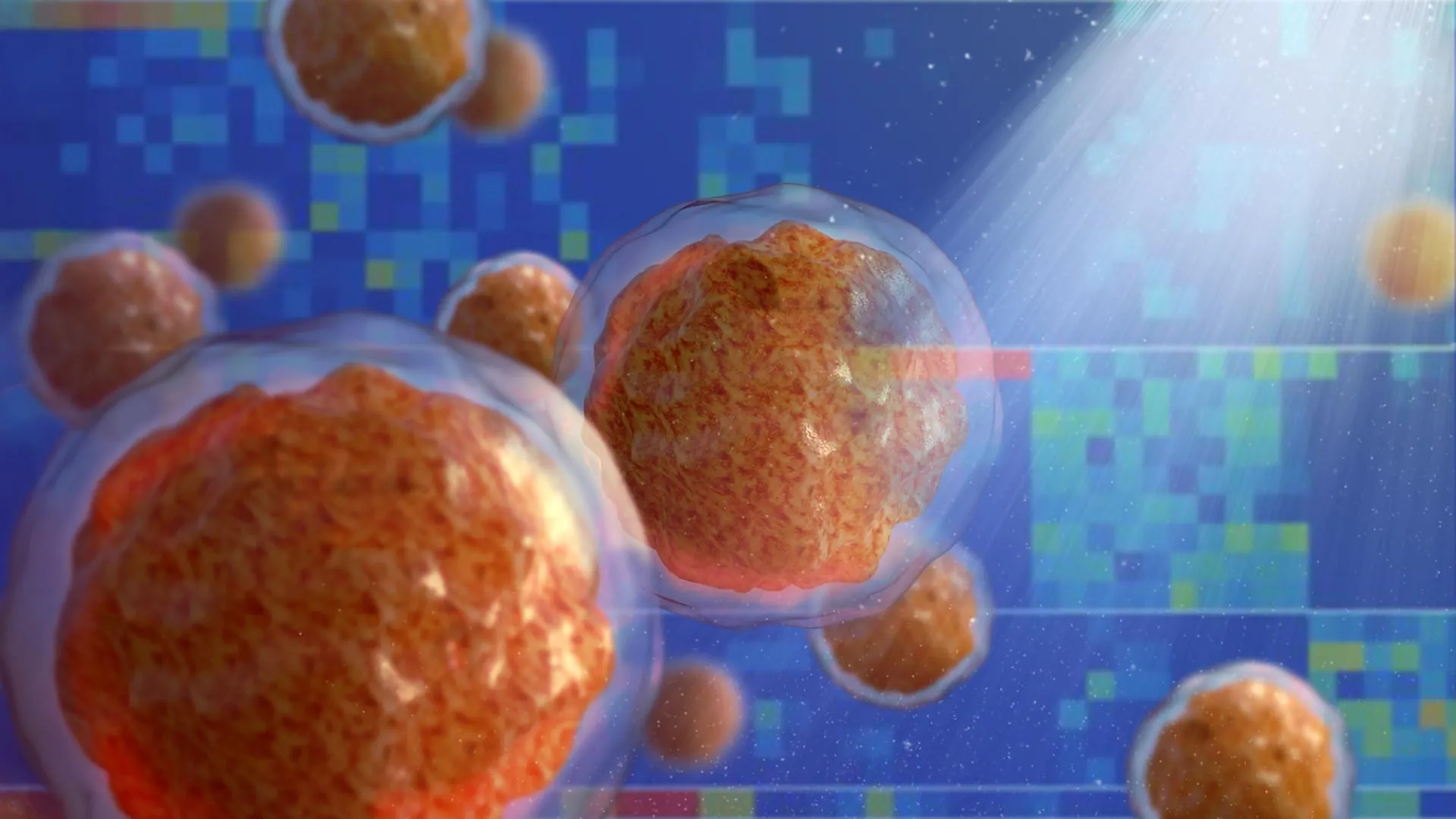
To bridge this gap, the UCSF team initiated a multi-year study focusing on human tissue. They obtained donated samples of human lung, bone marrow, and peripheral blood to conduct a comparative analysis. By screening a volume of lung tissue roughly the size of a golf ball, the scientists utilized high-resolution flow cytometry and genetic sequencing to identify the presence of HSCs.
Comparative Analysis: Lung vs. Bone Marrow Stem Cells
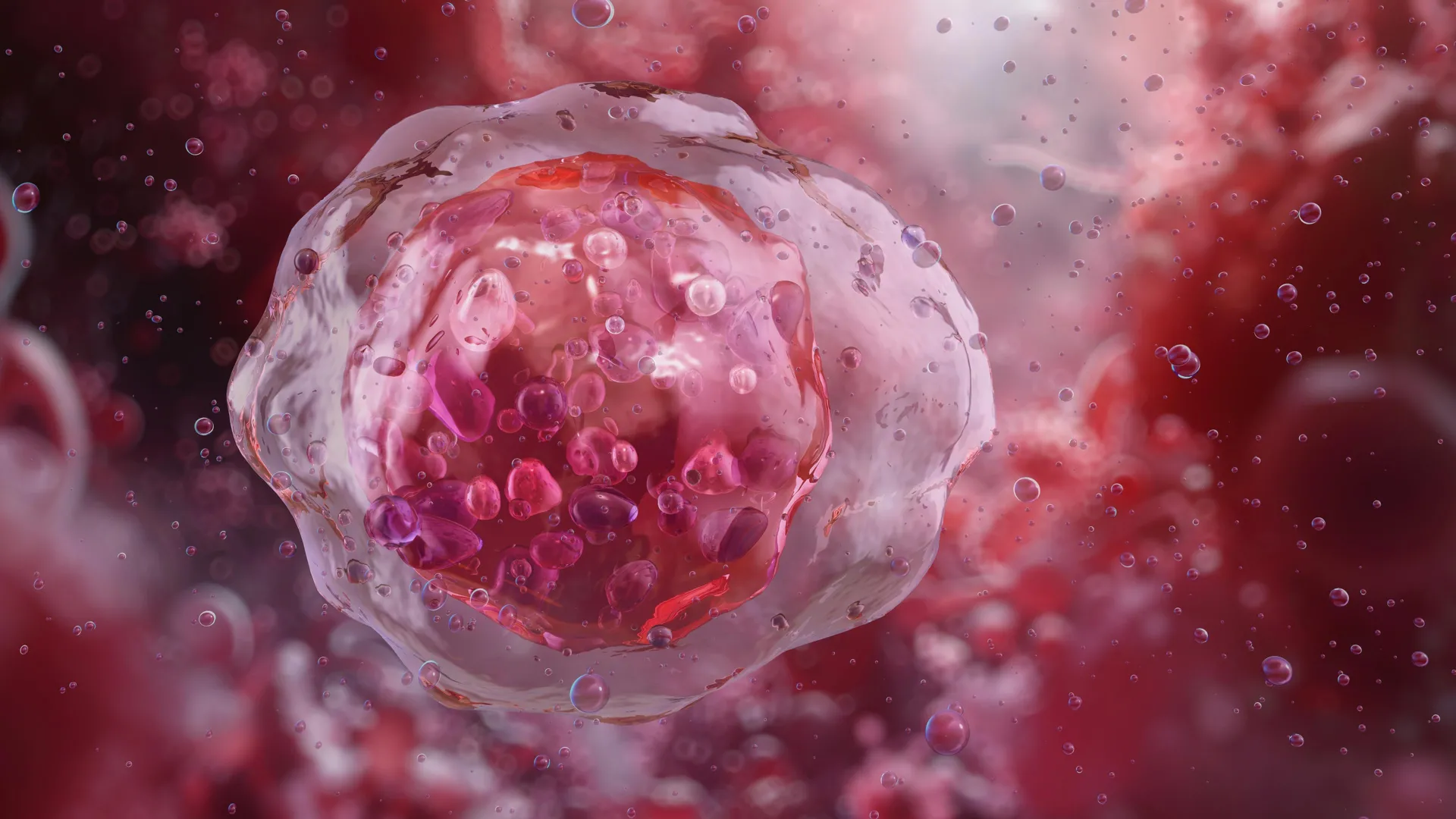
The results of the human tissue analysis were striking. The researchers found that HSCs were present in the human lung at frequencies surprisingly similar to those found in the bone marrow. These lung-resident HSCs were not transient "escapees" from the marrow; they were a reliable and consistent presence within the pulmonary tissue.
"The lung HSCs weren’t one-offs—they were a reliable presence in the lungs," noted Catharina Conrad, MD, PhD, a postdoctoral scholar in Looney’s lab and the first author of the paper. To prove that these cells were functional and not merely vestigial, the team conducted "gold-standard" stem cell experiments. They isolated the lung HSCs and placed them in petri dishes, providing the necessary growth factors to induce maturation.
The experiments revealed a fascinating functional divergence between lung-derived and marrow-derived stem cells. While both types of HSCs were highly productive, their outputs differed in significant ways:
- Lung HSCs: Demonstrated a higher propensity for producing red blood cells and megakaryocytes (platelets).
- Bone Marrow HSCs: Tended to favor the production of immune cells, such as lymphocytes and granulocytes.
This suggests a division of labor within the body’s hematopoietic system. The lungs, being the site of gas exchange, may be specialized to prioritize the production of the cells most critical to respiratory function and vascular integrity.
The Pulmonary Niche: A Permanent Residence
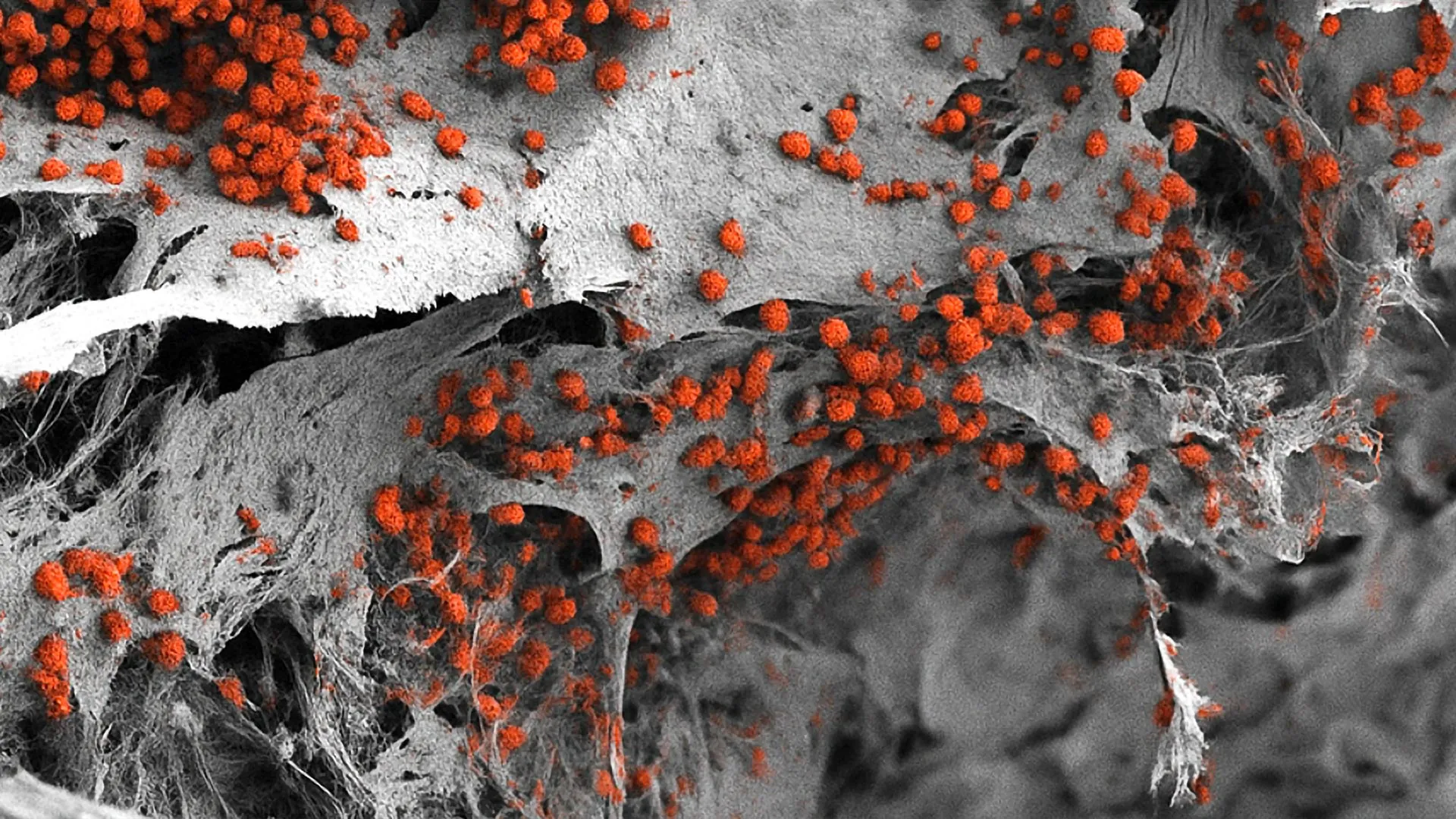
A critical question for the researchers was whether these stem cells were truly resident in the lung or if they were simply caught in the dense capillary beds of the pulmonary circuit. To answer this, Dr. Conrad and Dr. Looney examined the precise anatomical location of the HSCs within human lung samples.
Using sophisticated imaging, they identified the HSCs situated in the interstitial spaces between blood vessels. This arrangement closely mimics the "niche" structure found in the bone marrow, where stem cells are anchored in a specific microenvironment that regulates their activity. "They really seem to live there and aren’t just passing through," Conrad stated, confirming that the lung provides a legitimate home for these precious cells.
Further validation came from in vivo studies involving HSC-deficient mice. When human lung HSCs were transplanted into these mice, the cells successfully migrated to the bone marrow and began producing a full spectrum of blood cells, effectively "rebooting" the animal’s immune and circulatory systems. This confirmed that lung HSCs possess the same regenerative potency as their bone marrow counterparts.
Clinical Implications for Stem Cell Transplants
The implications of this research for clinical medicine are profound. Bone marrow transplants have been the cornerstone of treatment for leukemia, lymphoma, and various blood disorders for decades. However, finding matching donors can be difficult, and the process of harvesting stem cells from the marrow can be invasive.
The discovery of a "second reservoir" of stem cells in the lungs opens up new avenues for therapy. If the lungs can be utilized as a source for HSCs, it could increase the pool of available cells for transplantation. Perhaps most significantly, the researchers analyzed the output of routine stem cell harvests currently used in hospitals. These harvests typically involve drawing blood from a donor after administering medication to "mobilize" stem cells from the bone marrow into the bloodstream.
Remarkably, the team found that nearly 20% of the stem cells currently used in what are termed "bone marrow transplants" actually carry the unique biological signature of lung-derived HSCs. This suggests that for years, physicians have unknowingly been using lung stem cells to treat patients, and these cells have likely played a key role in the success of these procedures.
Official Support and Future Directions
The research was conducted with the support of the National Heart, Lung, and Blood Institute (NHLBI), a division of the National Institutes of Health (NIH). The backing of these federal institutions underscores the weight of the findings. Dr. Mark Looney emphasized the transformative nature of the work, stating, "For decades, bone marrow transplants have been a lynchpin in the treatment of cancers like leukemia. The lung HSCs could prove to be a second and significant reservoir of these precious stem cells."
The discovery raises several new questions that will likely define the next decade of hematological research:
- Emergency Response: Does the body activate the lung reservoir during periods of acute blood loss or high-altitude acclimatization?
- Disease Impact: How do chronic lung diseases, such as COPD or pulmonary fibrosis, affect the production of blood?
- Therapeutic Targeting: Can we develop drugs that specifically stimulate the lung’s HSCs to produce more red blood cells in patients with chronic anemia?
A New Perspective on Human Physiology
The finding that the lungs are a hematopoietic organ forces a reconsideration of the lung’s role in the body. Beyond its function in ventilation and gas exchange, the lung must now be viewed as an integral part of the circulatory and regenerative systems. Dr. Looney described the lung as a potential "emergency reservoir" that the body can tap into whenever it needs a rapid infusion of platelets or red blood cells.
As the medical community digests these findings, the focus will shift toward optimizing how these lung-resident cells can be used in a clinical setting. The UCSF team’s work suggests that the boundary between different organ systems is much more fluid than previously believed. By identifying the lung as a partner to the bone marrow in the vital task of blood production, science has moved one step closer to a holistic understanding of human health and the intricate, redundant systems that keep the body functioning.
In the words of Dr. Looney, "Now that we know they exist, it opens up a lot of new opportunities for a therapy, hematopoietic stem cell transplantation, that is very commonly used for patients with the need." The golf-ball-sized piece of tissue that led to this discovery may very well have changed the future of regenerative medicine.