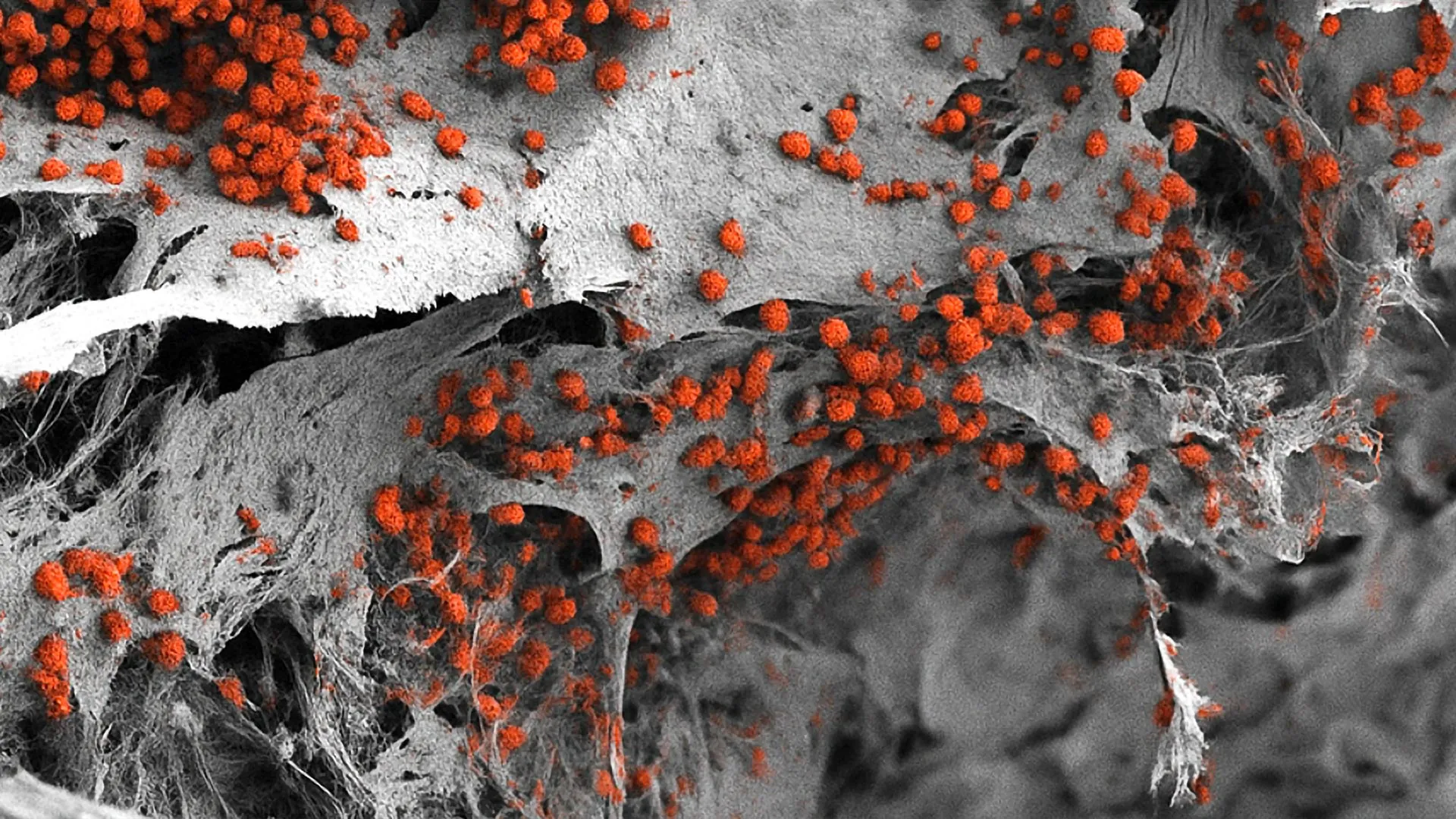
A multidisciplinary research team led by Yale University has successfully mapped a naturally occurring biological mechanism in mammals that prevents sperm cells from successfully interacting with an egg, effectively blocking the process of fertilization. The discovery, which centers on the structural interaction between specific proteins and antibodies, provides a foundational roadmap for two seemingly opposite medical frontiers: the treatment of unexplained infertility and the development of next-generation, non-hormonal contraceptives. By identifying how an antibody known as OBF13 disrupts the "molecular handshake" between sperm and egg, the researchers have opened a new chapter in reproductive biology, the findings of which were recently published in the journal Proceedings of the National Academy of Sciences (PNAS).
The study represents a significant leap forward in our understanding of the earliest moments of conception. For decades, the precise physical interactions that allow a sperm cell to recognize, adhere to, and eventually fuse with an egg have remained partially obscured. This new research clarifies these mechanisms by utilizing high-resolution X-ray crystallography to visualize the atomic structure of the proteins involved. According to Steven Tang, an assistant professor of molecular biophysics and biochemistry in Yale’s Faculty of Arts and Sciences and the study’s corresponding author, the implications of this work are vast, particularly for the fields of immuno-infertility and immuno-contraception.
The Molecular Architecture of Conception
At the heart of the fertilization process are two primary biological components: IZUMO1 and JUNO. IZUMO1 is a protein located on the surface of the sperm cell, named after a famous Japanese shrine dedicated to marriage. Its counterpart, JUNO, is a receptor located on the surface of the egg, named after the Roman goddess of fertility and marriage. In a successful fertilization event, IZUMO1 and JUNO must connect with high precision. This connection is the essential precursor to the fusion of the two cells, allowing for the exchange of genetic material.
However, this process is not always seamless. In many cases of human infertility, the "recognition" phase fails. The Yale-led study focused on a specific disruptor of this process: the OBF13 antibody. OBF13 is an anti-sperm antibody that was first discovered 40 years ago at Osaka University in Japan. Since its discovery in 1984, scientists have known that OBF13 has the ability to bind to sperm and prevent it from fertilizing an egg, but the exact structural "how" remained a mystery for four decades.
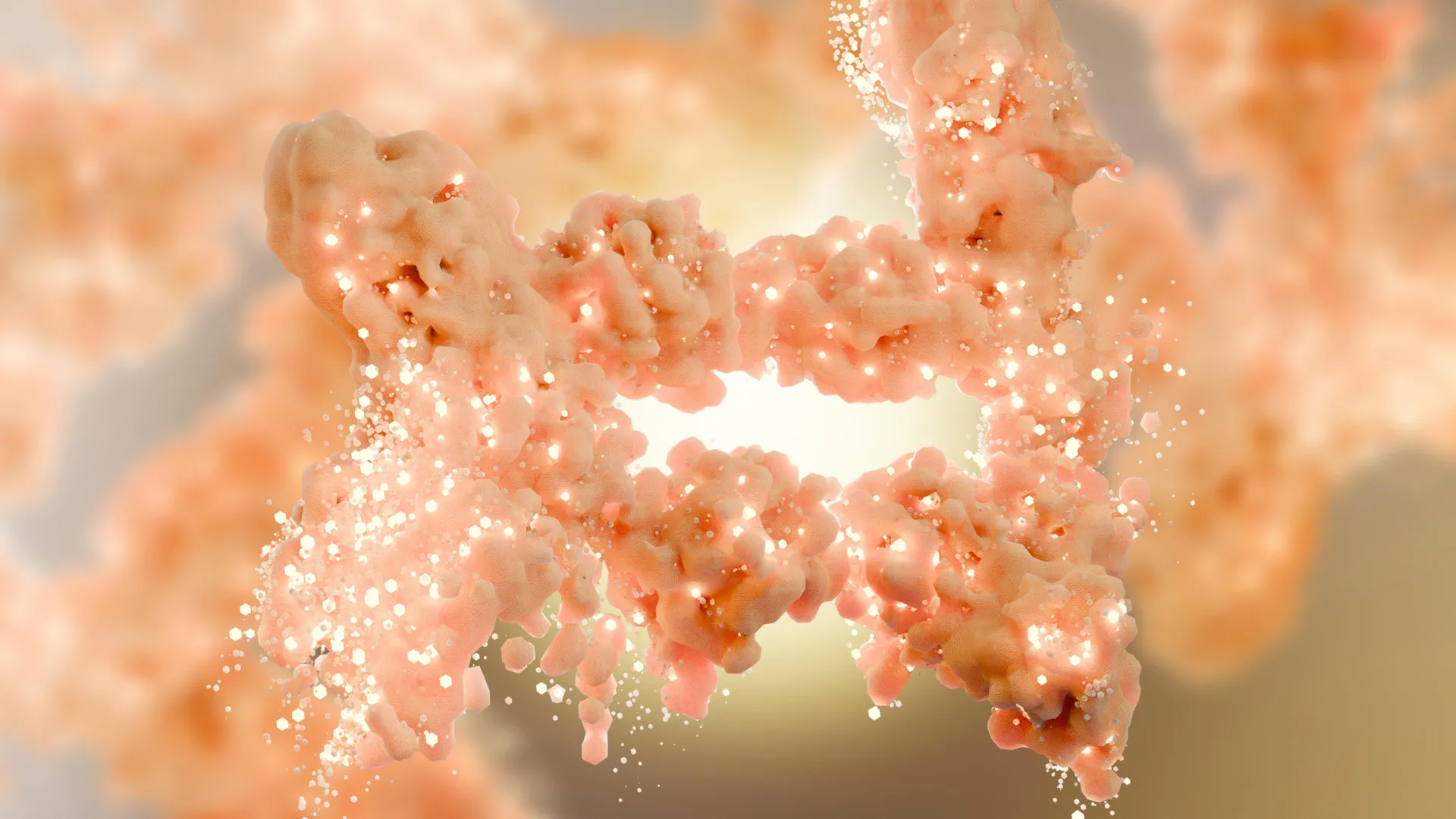
By analyzing the X-ray crystal structure of IZUMO1 in complex with OBF13, the research team discovered that the antibody does not just block the sperm; it reconfigures the physical orientation of the protein. OBF13 attaches itself to IZUMO1 in a way that physically prevents the sperm protein from docking into the JUNO receptor on the egg. This structural interference acts as a molecular shield, rendering the sperm unable to initiate the fusion process.
A Four-Decade Mystery Solved: The Chronology of Discovery
The journey to this discovery began in the mid-1980s when researchers at Osaka University identified OBF13 in rodent models. At the time, reproductive immunology was a nascent field, and while the antibody’s inhibitory effects were clear, the technology required to view the interaction at an atomic level did not yet exist.
- 1984: The OBF13 antibody is first identified at Osaka University. Initial tests confirm its role in preventing fertilization in mice, sparking interest in its potential for human applications.
- 2005: The protein IZUMO1 is identified as a critical factor in sperm-egg fusion, providing a target for how OBF13 might be operating.
- 2014: The JUNO receptor is discovered on the egg, completing the "lock and key" model of fertilization.
- 2020–2023: The Yale-led team, utilizing advanced facilities at the SLAC National Accelerator Laboratory, begins the grueling process of crystallizing the IZUMO1-OBF13 complex to map its structure.
- 2024: The study is published, revealing the first-ever anti-sperm antibody-antigen complex structure at high resolution.
This timeline highlights the persistent nature of biological inquiry, where a discovery made 40 years ago required the evolution of modern biophysics to be fully understood.
Supporting Data and the Scope of Reproductive Challenges
The necessity for this research is underscored by the prevalence of fertility issues globally. In the United States alone, data from the Centers for Disease Control and Prevention (CDC) indicates that approximately 9% of men and 11% of women of reproductive age experience fertility problems. A significant portion of these cases is classified as "unexplained infertility," where standard tests for hormone levels or physical blockages return normal results.
The Yale study suggests that a subset of these cases may be linked to "immuno-infertility." This condition occurs when the immune system mistakenly identifies sperm as a foreign invader and produces antibodies—similar to OBF13—to neutralize them. By understanding the structural basis of how these antibodies bind to IZUMO1, clinicians may eventually be able to develop treatments that prevent this binding, thereby restoring fertility.
Furthermore, the researchers identified a "high-affinity variant" of the OBF13 antibody. In laboratory tests, this variant demonstrated an even tighter bond with the IZUMO1 protein than the naturally occurring version. This variant proved to be a potent inhibitor of fertilization, providing a clear proof-of-concept for how a synthetic version of this antibody could be used as a contraceptive.
Bridging Infertility Treatment and Contraceptive Innovation
The dual nature of this discovery is perhaps its most significant aspect. While the research offers hope for those struggling to conceive, it simultaneously provides a blueprint for a new class of contraceptives.
Implications for Infertility
For patients suffering from immuno-infertility, the study identified specific amino acid sites on the JUNO receptor that are vital for binding with IZUMO1. The researchers found that if these sites are properly accessed, fertilization can still occur even in the presence of inhibitory antibodies. This insight could lead to the development of "competitive inhibitors" or specialized fertility treatments that shield the sperm-egg interaction from the body’s own immune response.
Implications for Contraception
On the other side of the spectrum, the global demand for non-hormonal contraceptives is rising. Current hormonal methods, such as the birth control pill or hormonal IUDs, can cause a range of side effects, including mood changes, weight gain, and increased risk of blood clots. An "immuno-contraceptive" based on the OBF13 mechanism would target a specific protein found only on sperm cells, potentially offering a highly effective method of birth control with fewer systemic side effects.
"We provide high-resolution information that will open avenues for discovering IZUMO1 regulators," Tang noted. "This will guide antibody and small-molecule inhibitor design and support drug screening for contraceptive development."
International Collaboration and Technical Methodology
The success of the study was the result of a robust international partnership. While Yale University led the structural analysis and biophysical modeling, Osaka University provided the foundational biological materials and historical data on OBF13. The study’s first author, Yonggang Lu, and co-author Masahito Ikawa, both of Osaka University, were instrumental in bridging the gap between the initial rodent models and the molecular findings.
The technical execution of the study relied heavily on X-ray crystallography, a technique where biological molecules are crystallized and then bombarded with X-ray beams. The way the beams scatter allows scientists to calculate the position of every atom within the molecule. This work was performed at the SLAC National Accelerator Laboratory in California, a facility supported by the U.S. Department of Energy. The high-intensity X-rays available at SLAC allowed the team to see the "tightly bonding" nature of the OBF13 variant with unprecedented clarity.
Funding and Institutional Support
The research was made possible through a diverse array of funding sources, reflecting its importance to both public health and basic science. Support was provided by:
- The National Institutes of Health (NIH)
- The David Sokal Innovation Award of the Male Contraception Initiative
- The Japan Society for the Promotion of Science (JSPS)
- The Japan Agency for Medical Research and Development (AMED)
- The Takeda Science Foundation
This broad base of support highlights the global interest in solving reproductive health challenges and the recognition that molecular-level research is the key to the next generation of medical interventions.
Future Outlook: From the Lab to the Clinic
The transition from a structural discovery in a lab to a usable medical treatment is a multi-year process. The next steps for the Yale and Osaka teams involve screening for small-molecule inhibitors that can mimic the action of OBF13 for contraception, or conversely, molecules that can block OBF13-like antibodies for infertility treatment.
The identification of the first anti-sperm antibody-antigen complex structure provides the "coordinates" necessary for drug designers. Rather than using trial and error, pharmaceutical researchers can now use computer-aided design to create molecules that fit perfectly into the identified binding sites.
As the scientific community continues to digest the findings published in PNAS, the work of Tang and his colleagues stands as a testament to the power of structural biology. By visualizing the invisible barriers to life, they have provided the tools to either dismantle those barriers for the hopeful parent or reinforce them for those seeking new ways to manage their reproductive health. The "molecular handshake" of life, once a hidden process, is now a mapped territory, ready for the next wave of clinical innovation.