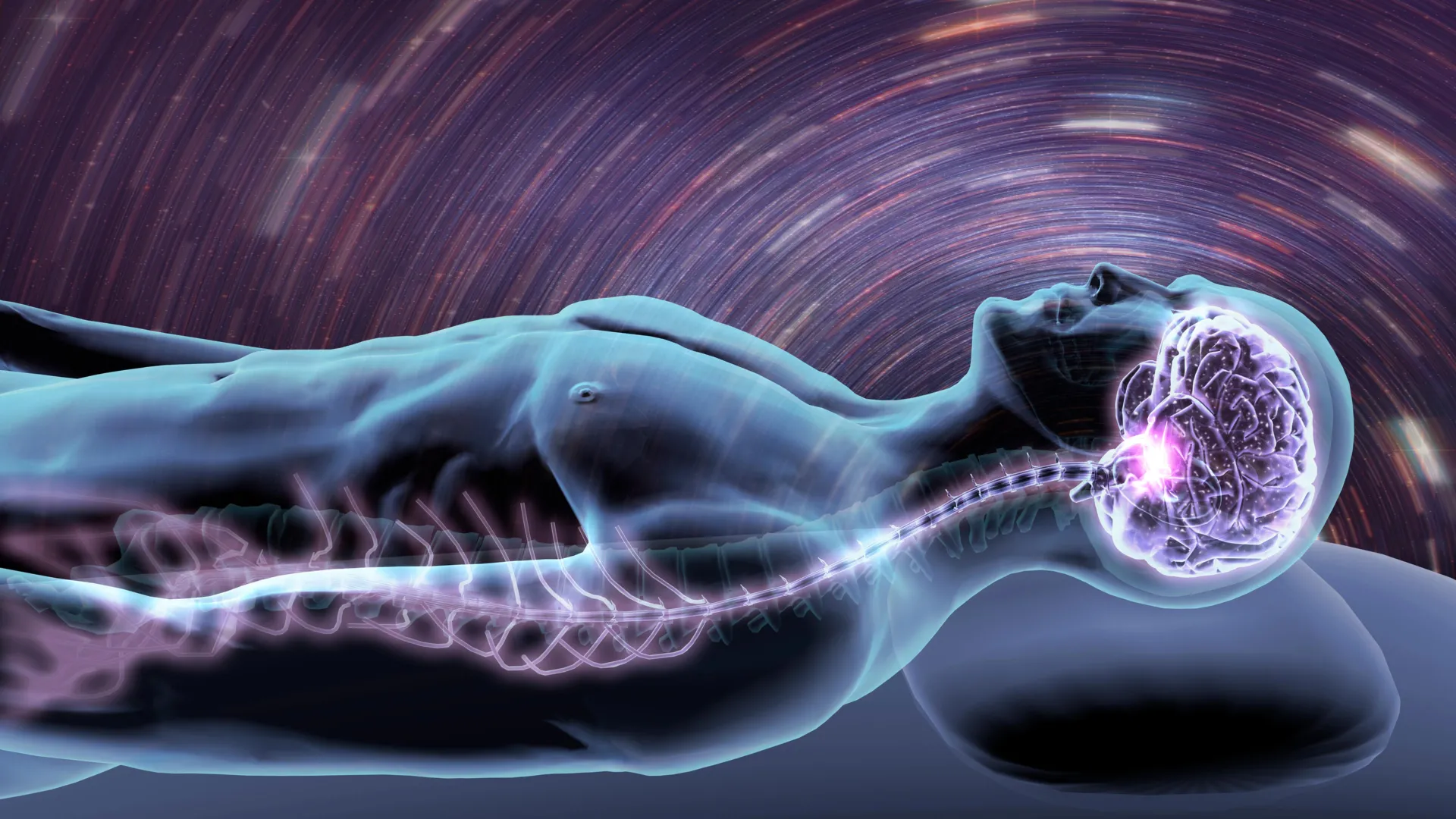
Researchers at the University of California San Diego have published a groundbreaking study in the journal Communications Biology, revealing that a high-intensity, weeklong program of meditation and mind-body practices can induce significant and rapid changes in both neurological activity and systemic blood chemistry. The study, led by a multidisciplinary team from the UC San Diego School of Medicine and the Veterans Affairs San Diego Healthcare System, demonstrates that these practices activate internal biological pathways associated with neuroplasticity, metabolic regulation, immune system enhancement, and endogenous pain relief. By utilizing advanced functional magnetic resonance imaging (fMRI) and comprehensive blood analysis, the research provides a quantitative bridge between subjective mental states and objective physiological health, suggesting that the human body can undergo a fundamental biological "reprogramming" in a remarkably short timeframe.
The research was conducted as part of a larger scientific initiative supported by the InnerScience Research Fund, aiming to demystify the mechanisms through which contemplative practices influence physical health. For decades, the medical community has recognized the stress-reduction benefits of mindfulness, but the UC San Diego study goes further by identifying specific, measurable biomarkers that change in tandem with intensive meditation. Senior author Hemal H. Patel, Ph.D., a professor of anesthesiology and a research career scientist, emphasized that the findings represent more than just a reduction in stress. According to Patel, the study illustrates a fundamental shift in how the brain engages with reality, which in turn triggers a cascade of systemic changes across multiple biological systems.
The Architecture of the Seven-Day Intervention
The study centered on a residential retreat led by Joe Dispenza, D.C., a neuroscience educator and author known for his work on the intersection of consciousness and biology. The cohort consisted of 20 healthy adult volunteers who were subjected to a rigorous schedule designed to push the boundaries of mental focus and physical stillness. Over the course of seven days, participants engaged in approximately 33 hours of guided meditation. These sessions were complemented by educational lectures on neuroscience and biology, as well as group-based activities aimed at fostering social connection and collective healing.
A unique element of the study’s design was the use of an "open-label placebo" framework. In this approach, participants were informed that certain elements of the program were intended to act as placebos. Historically, placebo effects were dismissed as "fake" improvements, but modern clinical research suggests that the expectation of healing, combined with a supportive social environment, can trigger genuine neurobiological responses. By incorporating this framework, the researchers aimed to see if the conscious awareness of a placebo could still produce the physiological "fingerprints" of health improvement.
The chronology of the study involved a baseline assessment immediately prior to the start of the retreat, followed by a post-intervention assessment at the conclusion of the seventh day. Researchers utilized fMRI to map the functional connectivity of the brain, while blood samples were collected to perform deep molecular profiling, including metabolomics and proteomics, to track changes in immune and metabolic markers.
Neurological Shifts and the "Psychedelic" Brain State
One of the most striking findings of the study was the transformation of brain activity patterns. The fMRI data revealed a significant increase in coordination between disparate regions of the brain, a phenomenon known as functional connectivity. After the weeklong retreat, participants’ brains displayed a higher degree of integration, particularly in networks associated with attention, emotional regulation, and self-awareness.
Interestingly, the researchers noted that the brain activity patterns observed in the meditation group closely mirrored those found in individuals under the influence of psychedelic substances such as psilocybin or LSD. These "psychedelic-like" states are characterized by a temporary breakdown of the Default Mode Network (DMN)—the brain system often associated with the "ego" or the self-referential "narrative" mind. By quieting the DMN and increasing connectivity across other networks, the meditation program appeared to facilitate a state of "unconstrained" cognition and heightened neuroplasticity.
"We are seeing the same mystical experiences and neural connectivity patterns that typically require pharmacological intervention, now achieved through intensive meditation practice alone," Patel noted. This finding suggests that the human brain possesses an innate capacity to enter altered states of consciousness that promote healing and cognitive flexibility without the need for external chemical catalysts.
Blood Biology and Systemic Health Markers
While the brain scans provided a window into the central nervous system, the blood analysis offered evidence of a "whole-body" transformation. The researchers identified measurable changes in several key biological areas:
- Immune Function: The study found a shift in immune-related proteins and gene expression. Participants showed signs of enhanced immune vigilance, suggesting that the body’s natural defense mechanisms were being bolstered by the mental practices.
- Metabolic Regulation: Markers related to energy metabolism showed significant fluctuations, indicating that the intensive program may help optimize how the body processes nutrients and manages energy at a cellular level.
- Endogenous Pain Relief: Perhaps most significantly for clinical applications, the researchers detected an increase in natural chemicals associated with pain suppression. This suggests that the meditative state may trigger the release of internal opioids or other analgesic signaling molecules, providing a potential non-drug pathway for chronic pain management.
The synchronization of these blood-based changes with the brain-based changes reinforces the theory of a "mind-body loop," where mental focus alters blood chemistry, and altered blood chemistry, in turn, supports a more resilient and flexible brain.
Quantifying the Mystical Experience
To correlate subjective feelings with objective data, the researchers utilized the Mystical Experience Questionnaire (MEQ-30). This validated psychological tool measures four key dimensions of profound experience: unity (a sense of oneness), transcendence of time and space, deeply felt positive mood, and ineffability (the sense that the experience cannot be described in words).
The data showed a significant upward trend in MEQ-30 scores. At the start of the retreat, the average score among participants was 2.37. By the end of the seven days, the average had risen to 3.02. Crucially, the researchers found a direct correlation between the intensity of the mystical experience and the magnitude of biological change. Participants who reported the most profound feelings of transcendence and unity also exhibited the most significant shifts in brain connectivity and blood biomarkers.
This correlation is vital for the field of contemplative science because it suggests that the "depth" of a meditation practice is not merely a subjective feeling but a biological reality. The more an individual is able to engage with the practice on a subjective level, the more their biology appears to respond.
Implications for Public Health and Clinical Medicine
The implications of the UC San Diego study extend far beyond the realm of wellness retreats. By quantifying the biological impact of mind-body practices, the research provides a scientific foundation for integrating these techniques into mainstream medicine. The finding that meditation can boost neuroplasticity and influence immune activity suggests it could be a powerful tool for improving emotional regulation and stress resilience in the general population.
Furthermore, the increase in natural pain-relief chemicals offers a promising alternative or adjunct to pharmacological pain management. In the context of the global opioid crisis, non-invasive, non-addictive methods for managing chronic pain are highly sought after. If a week of intensive practice can produce measurable increases in internal analgesics, long-term meditation programs could potentially reduce the medical system’s reliance on synthetic painkillers.
First author Alex Jinich-Diamant, a doctoral student at UC San Diego, highlighted the philosophical and practical shift this research represents. "This study shows that our minds and bodies are deeply interconnected—what we believe, how we focus our attention, and the practices we participate in can leave measurable fingerprints on our biology," Jinich-Diamant stated. He described the study as an exciting step toward harnessing the conscious experience to promote physical health in novel ways.
Future Directions and Research Challenges
While the results are promising, the researchers emphasized that the study was conducted on a small group of 20 healthy individuals. The next phase of research will involve testing these interventions on clinical populations, including individuals suffering from chronic pain, mood disorders, or autoimmune conditions. Scientists need to determine if a body already in a state of disease can respond as robustly to meditation as a healthy body.
Another key question for future study is the "dose-response" relationship and the longevity of the effects. It remains unclear how long the biological changes persist after the participant leaves the retreat environment and returns to the stressors of daily life. The research team plans to conduct follow-up studies to see if daily "maintenance" meditation can sustain or even deepen the biological shifts observed during the intensive week.
Additionally, the team intends to isolate the various components of the retreat—meditation, education, and social connection—to determine which elements are most responsible for the observed changes. Understanding whether the results stem from the hours of silence or the "open-label placebo" effect of the group environment will be essential for refining these programs for broader use.
The study was a collaborative effort involving researchers from various institutions, including Metamorphosis LLC, VitaMed Research, and the Institute for Advanced Consciousness Studies. While one co-author, Joe Dispenza, is affiliated with the company that organized the retreat, the remaining authors declared no competing interests, and the study underwent rigorous peer review before its publication in Communications Biology. As the scientific community continues to explore the frontiers of the mind-body connection, this study stands as a significant milestone in the effort to quantify the power of human consciousness.