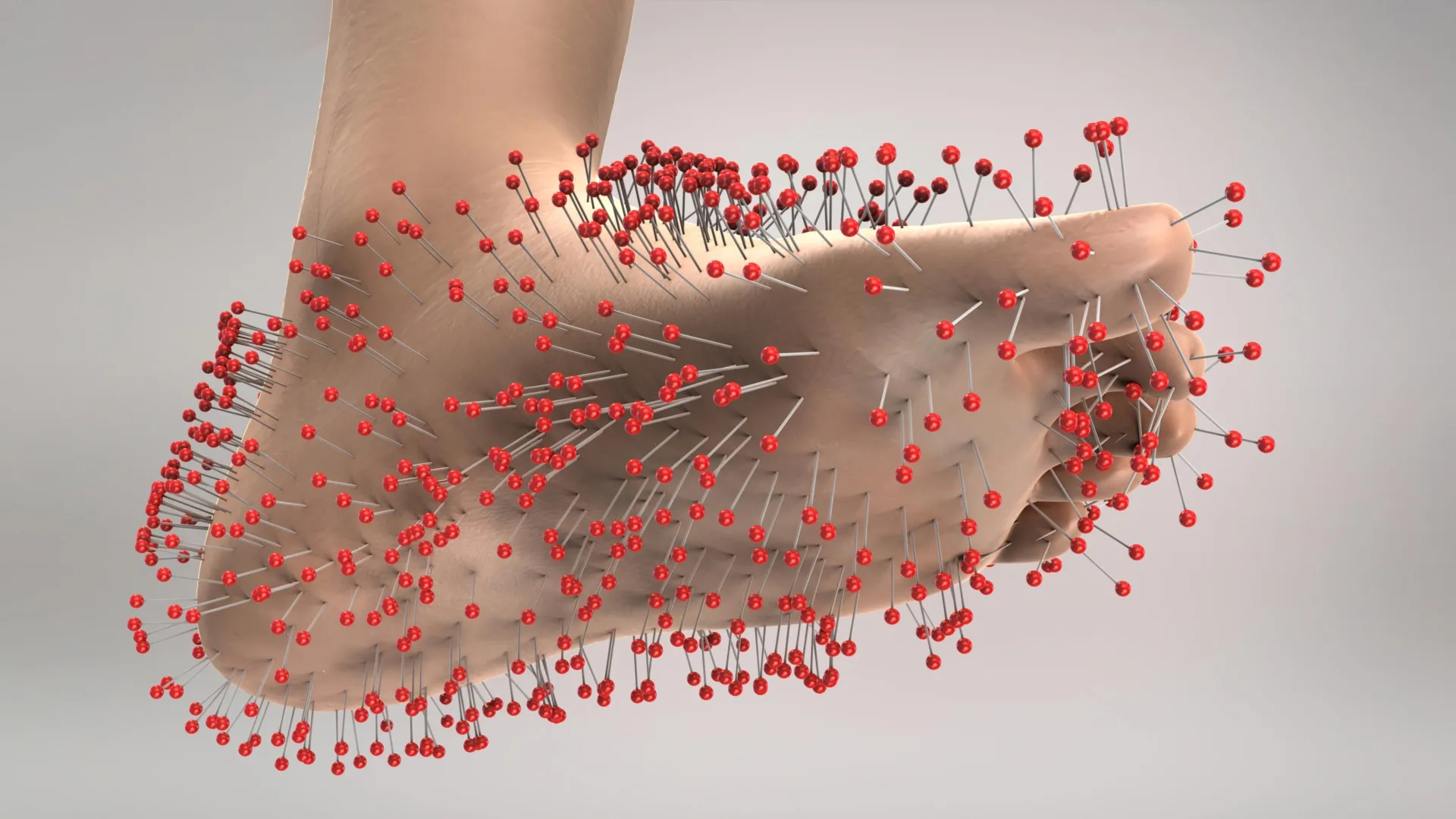
Chronic nerve pain, a condition that affects millions of individuals globally, often manifests as an agonizing sensitivity where even the softest touch or a slight breeze can trigger debilitating sensations. For decades, the medical community has grappled with the complexities of neuropathic pain, often relying on treatments that merely mask symptoms rather than addressing the biological root of the affliction. However, a groundbreaking study from the Duke University School of Medicine suggests a paradigm shift in how this condition is understood and treated. Researchers have identified that restoring healthy mitochondria—the specialized organelles responsible for energy production within cells—to damaged nerves can significantly alleviate pain and promote cellular recovery.
The study, recently published in the prestigious journal Nature, marks a significant milestone in translational pain medicine. By utilizing a combination of human tissue samples and sophisticated mouse models, the research team demonstrated that replenishing dysfunctional mitochondria in nerve cells could provide a durable reduction in pain associated with common conditions such as diabetic neuropathy and chemotherapy-induced nerve damage. This approach moves beyond the traditional method of blocking pain signals and instead focuses on repairing the metabolic infrastructure of the nervous system.
The Biological Foundation of Chronic Nerve Pain
To understand the significance of this discovery, it is essential to examine the role of mitochondria in the peripheral nervous system. Mitochondria are often referred to as the "powerhouses" of the cell because they generate adenosine triphosphate (ATP), the primary energy currency for biological processes. Beyond energy production, they play critical roles in calcium signaling, apoptosis (programmed cell death), and the management of oxidative stress.
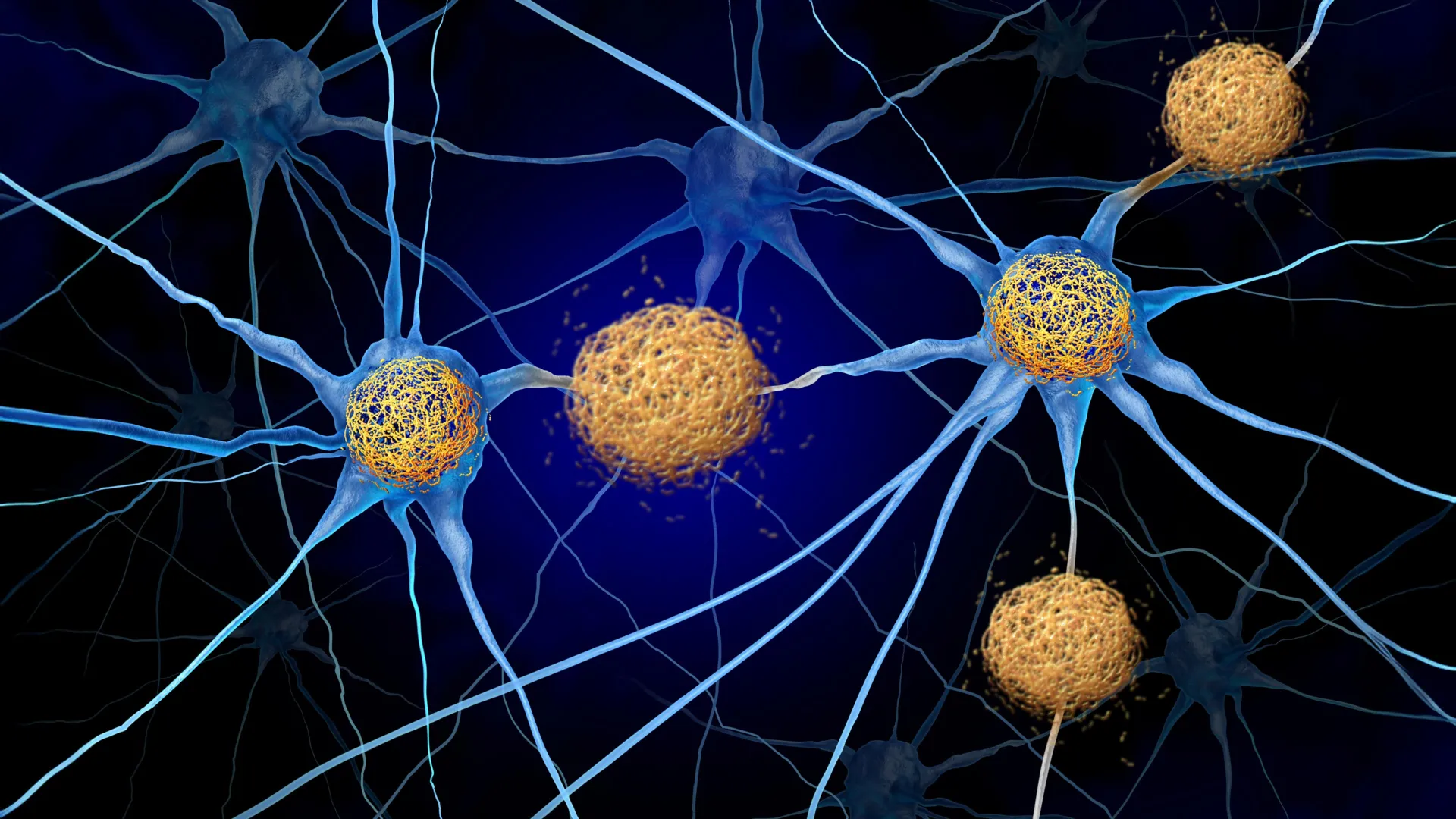
When nerves are damaged—whether by high blood sugar in diabetes, toxic agents in chemotherapy, or physical trauma—mitochondrial function is frequently the first system to fail. This dysfunction leads to an energy deficit within the neuron, an accumulation of reactive oxygen species (ROS), and a state of chronic inflammation. These factors combine to make sensory neurons hypersensitive, leading to the persistent firing of pain signals to the brain.
The Duke research team, led by senior author Ru-Rong Ji, PhD, director of the Center for Translational Pain Medicine at Duke, focused on the hypothesis that if the energy supply of these damaged cells could be restored, the cells might regain their ability to heal, thereby silencing the chronic pain signals at their source.
Breakthrough Findings in Mitochondrial Transfer
The central discovery of the Duke study involves a previously underestimated cellular support system. For years, scientists believed that mitochondria remained confined within the cell where they were originally produced. However, emerging evidence suggests that cells are capable of transferring these organelles to one another as a form of "biological first aid."
The researchers focused their attention on satellite glial cells (SGCs), a type of support cell that envelopes the cell bodies of sensory neurons within the dorsal root ganglia (DRG). The DRG acts as a critical relay station, transmitting sensory information from the limbs and torso to the spinal cord and brain.
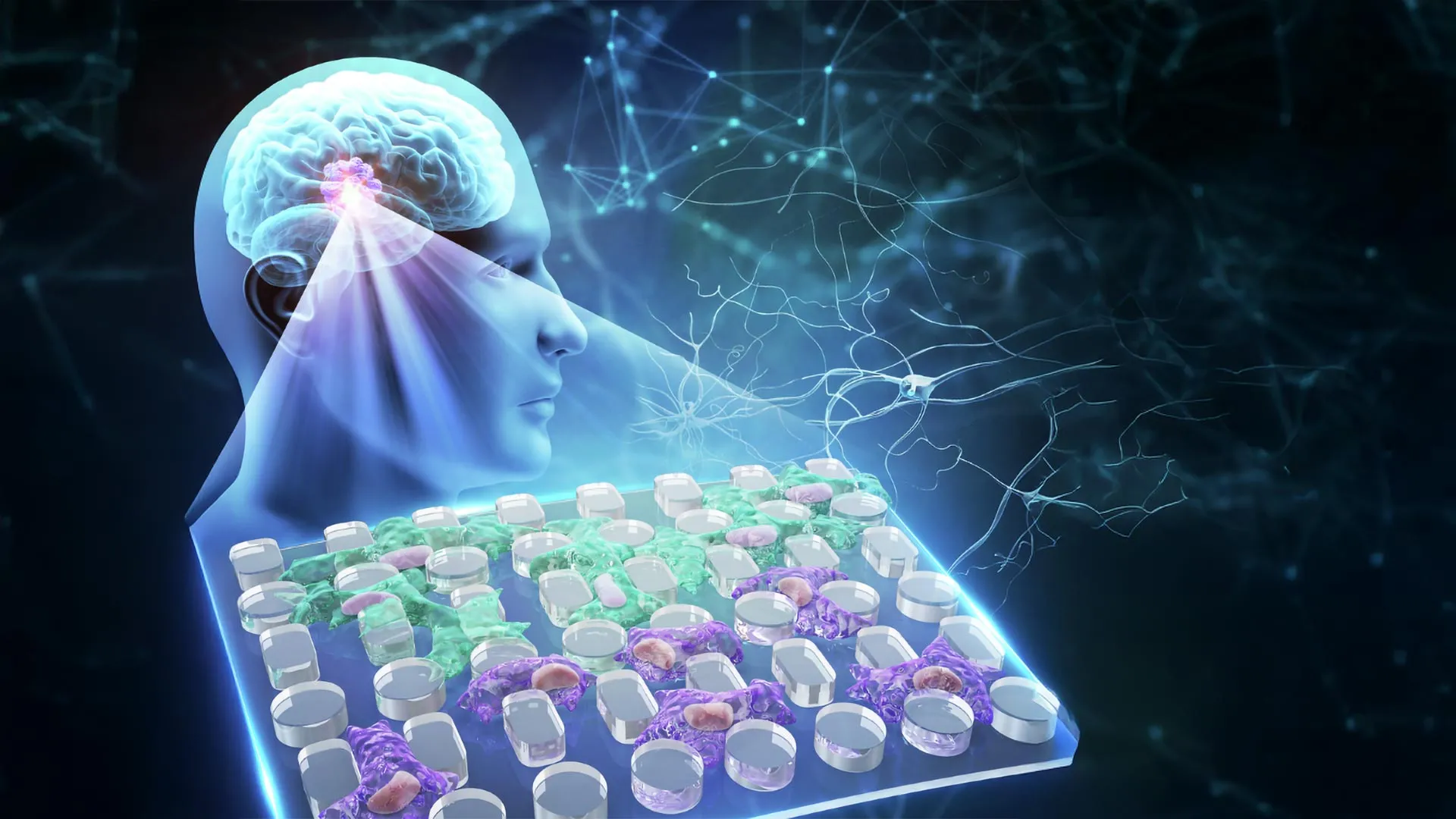
Through high-resolution imaging and molecular analysis, the team discovered that satellite glial cells actively pass healthy mitochondria directly into sensory neurons. This transfer occurs through specialized, microscopic bridges known as tunneling nanotubes (TNTs). These nanotubes act as physical conduits, allowing for the rapid exchange of organelles and cytoplasm between neighboring cells.
"By sharing energy reserves, satellite glial cells may help keep neurons out of pain," explained Dr. Ji. "When this transfer process breaks down, nerve fibers begin to deteriorate. That damage can trigger symptoms such as pain, tingling, and numbness, especially in the hands and feet where nerve fibers extend the farthest."
Experimental Evidence and Pain Reduction Data
The study’s methodology involved several layers of experimentation to validate the efficacy of mitochondrial restoration. In mouse models designed to mimic diabetic neuropathy and chemotherapy-related nerve damage, the researchers observed that naturally occurring mitochondrial transfer was compromised.
When the researchers intervened to boost this transfer process, the results were profound. In mouse models, increasing the flow of healthy mitochondria from glial cells to neurons resulted in a 50% reduction in pain-related behaviors. These behaviors included hypersensitivity to mechanical pressure and temperature changes.
Furthermore, the team tested a direct therapeutic approach by isolating healthy mitochondria from both human and mouse donor tissues and injecting them directly into the dorsal root ganglia of the affected subjects. This direct replenishment led to significant pain relief that, in some instances, lasted for up to 48 hours.
A critical finding of the study was that the quality of the donor mitochondria was paramount. While healthy mitochondria significantly reduced pain, mitochondria harvested from subjects with diabetes—which were already showing signs of dysfunction—provided no therapeutic benefit. This highlights that the treatment’s success depends not just on the presence of mitochondria, but on their functional integrity and energy-producing capacity.
Identifying the MYO10 Protein: The Cellular Engine
A key technical achievement of the study was the identification of the molecular machinery required for this mitochondrial exchange. The research team identified a protein called MYO10 (Myosin X) as the essential driver behind the formation of tunneling nanotubes.
MYO10 is a "motor protein" known for its role in cell movement and the extension of filopodia (thin, finger-like projections from the cell). The Duke study revealed that without sufficient MYO10, satellite glial cells were unable to form the nanotubes necessary to reach out and connect with damaged neurons.
By manipulating the expression of the MYO10 protein, the researchers were able to control the rate of mitochondrial transfer. This finding suggests that future pharmacological treatments could potentially target the MYO10 pathway to naturally enhance the body’s own repair mechanisms in patients suffering from chronic neuropathy.
The research was a collaborative effort involving lead author Jing Xu, PhD, a research scholar in Duke’s Department of Anesthesiology, and Cagla Eroglu, PhD, a professor of cell biology and neurobiology at Duke who is a renowned expert in the study of glial cell interactions.
Addressing the Global Burden of Neuropathy
The implications of this research are vast, particularly given the increasing prevalence of the conditions that cause nerve damage. According to the Centers for Disease Control and Prevention (CDC), over 38 million Americans have diabetes, and approximately half of them will develop some form of diabetic neuropathy during their lifetime. This condition can lead to severe complications, including foot ulcers and amputations, due to the loss of sensation and chronic pain.
Similarly, chemotherapy-induced peripheral neuropathy (CIPN) is a major side effect for cancer patients. Estimates suggest that 30% to 70% of patients undergoing chemotherapy experience nerve damage, which often persists long after cancer treatment has ended. In many cases, the severity of the nerve pain forces clinicians to reduce or discontinue life-saving chemotherapy doses.
Current treatments for these conditions primarily involve anticonvulsants (like gabapentin), antidepressants, or opioids. While these drugs can provide some relief, they often come with significant side effects, including sedation, cognitive impairment, and the risk of addiction. Most importantly, none of these current therapies repair the underlying nerve damage.
The Duke study offers a roadmap for a "regenerative" approach to pain management. "This approach has the potential to ease pain in a completely new way," said Dr. Ji. "By giving damaged nerves fresh mitochondria—or helping them make more of their own—we can reduce inflammation and support healing."
Chronology of Mitochondrial Research in Pain
The discovery that mitochondrial health is linked to pain is the culmination of several years of evolving research:
- Pre-2010: Mitochondrial dysfunction was primarily studied in the context of rare metabolic disorders and neurodegenerative diseases like Parkinson’s and Alzheimer’s.
- 2010–2018: Studies began to link mitochondrial oxidative stress to the hyperexcitability of sensory neurons in the peripheral nervous system.
- 2019–2022: Research in other fields, such as stroke and heart disease, demonstrated that cells could "outsource" mitochondria to neighboring damaged tissue to promote survival.
- 2024 (The Duke Study): The identification of the specific pathway (MYO10 and TNTs) between satellite glial cells and neurons provides the first concrete mechanism for how mitochondrial transfer regulates chronic pain.
Analysis of Implications and Future Directions
The transition from lab-based discovery to clinical application will require several more years of rigorous testing. However, the Duke study provides a strong foundation for several potential therapeutic avenues.
One possibility is the development of "mitochondrial transplants," where healthy mitochondria are harvested, purified, and delivered to a patient’s nervous system. While this sounds futuristic, similar techniques are already being explored in cardiac surgery to repair heart tissue after a heart attack.
Another more immediate application involves the development of small-molecule drugs that can stimulate the MYO10 protein or other components of the tunneling nanotube pathway. This would allow the body to utilize its existing glial cells more effectively to repair damaged neurons.
The researchers also noted the need for advanced high-resolution imaging to observe these processes in real-time within living tissue. Understanding the "traffic rules" of how mitochondria move through nanotubes will be essential for ensuring that future treatments are both safe and effective.
From a public health perspective, the shift toward restorative treatments could play a role in mitigating the opioid crisis. By providing a non-addictive, biology-based alternative for chronic pain management, clinicians may be able to reduce the reliance on high-potency analgesics that carry significant risks of misuse.
Conclusion
The work of Dr. Ru-Rong Ji and his colleagues at Duke University School of Medicine represents a significant advancement in the field of neurology and pain management. By uncovering the hidden communication system between glial cells and neurons, the study has illuminated a biological process that was previously overlooked.
The finding that healthy mitochondria can act as a "healing agent" for damaged nerves provides hope for millions of patients who currently have few effective options. As the medical community moves toward a deeper understanding of cellular metabolism and its role in sensory perception, the prospect of treating chronic pain at its source—rather than just masking its symptoms—becomes an increasingly attainable goal. The journey from the laboratory to the clinic is long, but the identification of mitochondrial transfer as a key player in nerve recovery marks a transformative step forward in modern medicine.