

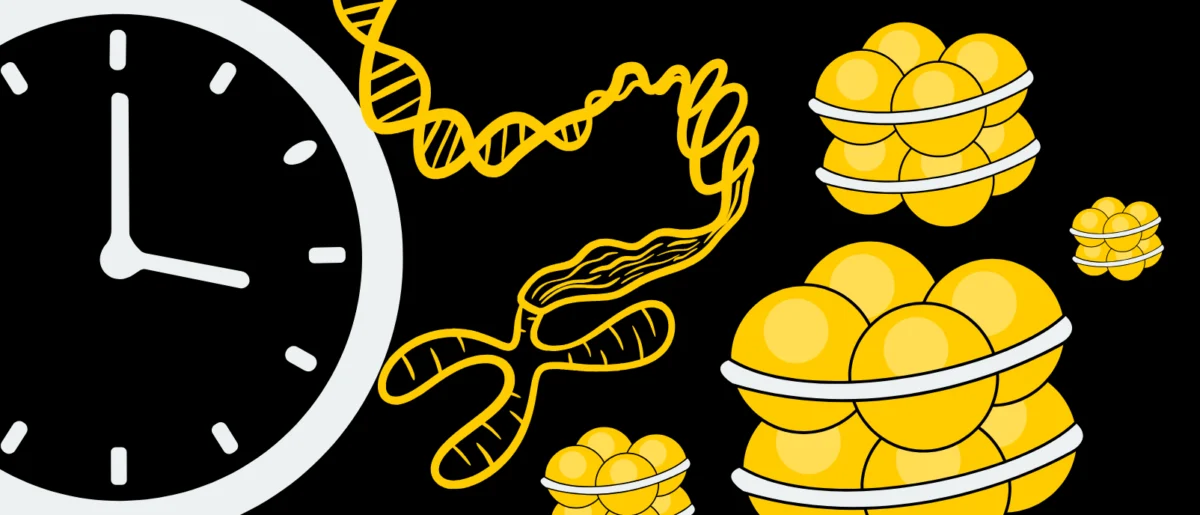
Cambridge, MA – A groundbreaking study conducted by researchers at the Massachusetts Institute of Technology (MIT) has meticulously quantified the intricate movements of chromatin within the cell nucleus, revealing unprecedented insights into how genes interact with their regulatory elements and the fundamental processes governing gene expression. By employing advanced super-resolution microscopy techniques across an expansive range of timescales, from microseconds to hours, the team has challenged long-held assumptions about chromatin behavior, identifying two distinct categories of movement that profoundly influence genomic function. These findings are poised to reshape our understanding of not only gene regulation but also critical cellular processes such as DNA repair.
The Foundational Role of Chromatin in Genomic Function
Gene expression, the fundamental process by which information from a gene is used in the synthesis of a functional gene product like a protein, is a tightly regulated biological orchestration. This regulation is partly governed by the spatial and temporal interactions between genes and distant regulatory elements, such as enhancers and promoters, located along the vast stretches of the genome. Crucial to these interactions is chromatin, a complex macromolecular assembly of DNA and proteins, primarily histones, which packages the immense length of DNA into the compact nucleus of eukaryotic cells. Far from being a static repository of genetic information, chromatin is now understood to be a dynamic entity, constantly shifting and reconfiguring itself within the highly crowded nuclear environment.
For decades, textbook depictions often portrayed chromatin as a relatively fixed structure, a mere spool for DNA. However, the reality is far more complex and dynamic. The ability of genes to "find" their specific regulatory sequences, some of which can be separated by up to a million base pairs on the linear DNA strand, necessitates a degree of mobility within the nucleus. Moreover, essential cellular functions like DNA repair, where broken DNA strands must quickly re-associate, inherently depend on the dynamic movement of these genomic regions. As Anders Sejr Hansen, an associate professor of biological engineering at MIT and the senior author of the new study, emphasized, "Chromatin dynamics are foundational to all processes in the nucleus, and especially processes that involve two things finding each other. That’s important in DNA repair, gene regulation, recombination, or moving a particular gene to the right compartment of the nucleus."
Overcoming Observational Limitations: A Leap in Microscopy
Understanding these critical movements has historically been hampered by technological limitations. Chromatin movements occur on the nanometer scale, often within milliseconds, making them exceptionally challenging to track with conventional microscopy. Previous studies attempting to quantify chromatin dynamics often yielded conflicting results due to their inability to observe movements over a sufficiently long and robust statistical range. Tracking the position of a single molecule over time by comparing frame-by-frame images, while useful, is constrained by the inherent resolution and speed limits of traditional optical microscopes. The need was for a technology that could capture both the rapid, minute fluctuations and the slower, larger-scale reconfigurations of chromatin.
The MIT team achieved this breakthrough by becoming the first to apply MINFLUX (MINimal FLuX) super-resolution light microscopy to study chromatin in living cells. MINFLUX is a revolutionary imaging technique developed by Nobel laureate Stefan Hell of the Max Planck Institute in Göttingen, Germany, for his pioneering work in super-resolution microscopy. Unlike conventional light microscopy, which is limited by the diffraction barrier (Abbe limit), super-resolution techniques like MINFLUX can localize fluorescent molecules with extraordinary precision, far beyond the diffraction limit. MINFLUX, in particular, achieves this by minimizing the excitation light flux, enabling incredibly high spatial and temporal resolution, crucial for tracking tiny objects like proteins or genomic loci over extended periods.
"MINFLUX allowed us to get around the limitations of conventional microscopy, letting us measure chromatin movement faster and for a longer period of time than ever before," explained co-lead author Domenic Narducci, highlighting the technique’s pivotal role. "To our knowledge, it’s the first time this technique has been used this way." By leveraging MINFLUX, the researchers could observe cells over timescales spanning four orders of magnitude, from a mere 200 microseconds to 10 seconds. This remarkable range was further extended by integrating MINFLUX data with two traditional imaging techniques, allowing them to track chromatin movement across an astonishing seven orders of magnitude in time – from hundreds of microseconds to several hours. This unprecedented dynamic range provided the statistical robustness required to accurately characterize chromatin motion.
Unveiling Two Classes of Chromatin Dynamics
The extensive data gathered from various mouse and human cell types revealed that chromatin movement is not uniform but can be categorized into two distinct classes. Across both classes, a consistent pattern emerged: over short and intermediate timescales (up to approximately 200 seconds), any given genomic locus tends to move only within a confined radius of about 200 nanometers. This observation suggests that the "subdiffusive pull" – the tendency of a polymer like DNA to be pulled back by its adjacent segments – is significantly stronger than previously theorized.
To illustrate this polymeric constraint, Hansen used an evocative analogy: "Chromosomes are polymers. They’re held together by many nucleotides of DNA. Being part of DNA is a little bit like running while holding hands with other people. If a hundred people are holding hands and you, in the middle of the chain, try to run in one direction, you’ll get pulled back." This inherent polymeric nature means that while local movement is possible, large-scale, unconstrained diffusion is naturally limited.

This constrained movement defines what the researchers term a "region of influence." As co-lead author Simon Grosse-Holz elaborated, "One of the main takeaways is that you have this region of influence where a genomic locus has access to other genomic loci, and this is roughly a couple hundred nanometers large. If loci are much closer together than a couple hundred nanometers, they’re effectively in contact all the time. You get a cutoff at a couple hundred nanometers where everything within that region around a given locus can see that locus, and everything outside cannot."
This constant, close-range contact has profound implications. For instance, in the event of a DNA break, the broken strands are likely to remain within this "region of influence," facilitating their efficient re-ligation and repair. Furthermore, for genes and their regulatory elements situated within approximately 100,000 base pairs of each other, this inherent movement ensures routine contact without requiring any additional active mechanisms. "If they are closer than 100,000 bases, and most regulatory elements are, then those elements are going to find their target gene within a few milliseconds or a few minutes," noted co-lead author Matteo Mazzocca. "These are timescales that are completely consistent with transcription." This finding elegantly explains how many local gene regulatory interactions can occur efficiently simply through the intrinsic dynamics of chromatin.
The second class of chromatin dynamics identified by the researchers presented a more expansive movement, allowing chromatin to explore a wider range of the nucleus, but only over much longer timescales, typically from a few minutes to several hours. Intriguingly, this broader, less constrained movement was not uniformly observed across all cell types studied. Its presence varied, appearing in some cell types but not others, for reasons that are not yet fully understood. This variability suggests a layer of cell-type-specific regulation in chromatin mobility, implying that different cellular functions or developmental stages might require distinct chromatin dynamic profiles. As Hansen observed, "It would be reasonable to assume that the behavior would be more or less the same in all cell types, but that’s not at all what we found. It’s very different in different cell types, with no obvious way of categorizing things."
Challenging Existing Models and Future Directions
The strength of the subdiffusive pull and the precise nature of chromatin dynamics quantified in this study pose a significant challenge to existing theoretical models of chromatin behavior, such as the Rouse model and the fractal globule model. The Rouse model, a polymer physics model, describes the dynamics of a polymer chain in a solvent, often assuming unhindered movement of polymer segments. The fractal globule model, on the other hand, proposes a highly compact yet knot-free chromatin structure that allows for efficient unspooling and interaction. While these models have provided valuable frameworks, the new experimental data suggests that they may not fully capture the complex reality of chromatin motion within the living cell.
The discrepancies highlight the need for revised or entirely new models that incorporate additional factors previously overlooked. Specifically, the researchers suggest that interactions between chromatin and the highly crowded nucleoplasm – the viscous, protein-rich fluid filling the nucleus – likely play a much more significant role than currently accounted for. The nucleoplasm is a dense environment, filled with various macromolecules, and its physical properties could impose additional constraints or driving forces on chromatin movement, influencing its diffusion patterns and interaction frequencies.
Broader Implications and the Path Forward
The implications of this research extend far beyond a deeper understanding of chromatin physics. By precisely characterizing chromatin dynamics, this study provides a crucial foundation for understanding how gene expression is regulated in both health and disease. Dysregulation of gene expression is a hallmark of numerous pathologies, including cancer, developmental disorders, and neurodegenerative diseases. For instance, aberrant enhancer-promoter interactions can lead to oncogene activation or tumor suppressor gene silencing, driving oncogenesis. A more nuanced understanding of how chromatin movement facilitates or hinders these interactions could open new avenues for therapeutic intervention.
Furthermore, the findings shed light on the mechanics of DNA repair. When double-strand breaks occur, the efficient rejoining of the broken ends is paramount for maintaining genomic integrity. The "region of influence" identified in this study provides a concrete physical mechanism for how these ends remain in close proximity, thus increasing the probability of successful repair. Defects in DNA repair pathways are linked to increased cancer risk and premature aging, making this a critical area of research.
The variability in chromatin dynamics observed across different cell types also suggests that chromatin movement might be dynamically regulated to suit specific cellular needs or developmental programs. Future research will undoubtedly focus on elucidating the molecular mechanisms that dictate these cell-type-specific differences, potentially identifying novel regulatory proteins or chromatin modifications that modulate mobility. Understanding these mechanisms could be key to manipulating gene expression in a targeted manner for regenerative medicine or cellular reprogramming.
This study marks a significant leap in our ability to probe the inner workings of the cell nucleus. By combining cutting-edge super-resolution microscopy with rigorous quantitative analysis, the MIT team has unveiled the nuanced ballet of chromatin, a dance critical to life itself. The findings not only refine our fundamental understanding of genomic organization and function but also lay essential groundwork for developing new strategies to combat diseases rooted in gene dysregulation and compromised genomic integrity. The scientific community will undoubtedly be leveraging these novel insights to re-evaluate existing paradigms and propel forward the next generation of research into the dynamic genome.


















Leave a Reply