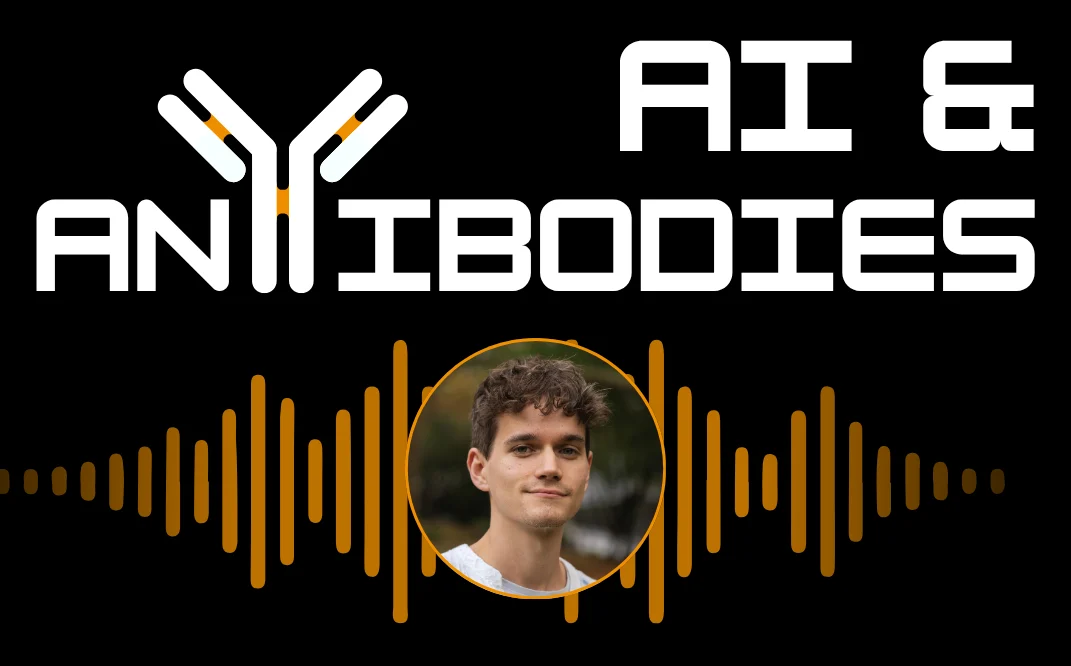
In a pivotal development poised to reshape the landscape of antibody therapeutics, Aubin Ramon, a Postdoctoral Research Associate in the Sormanni Lab at Imperial College London (UK), has unveiled NanoMelt, a sophisticated AI-driven platform designed to predict protein biophysical traits from remarkably limited data. This groundbreaking work, detailed in his paper within the mAbs journal article collection on artificial intelligence and machine learning in antibody development, directly confronts one of the most formidable obstacles hindering the broader application of AI in specialized scientific fields: the pervasive scarcity of high-quality training data. Ramon’s research, featured as the fifth episode in a dedicated miniseries exploring this critical mAbs collection, showcases how the strategic integration of advanced modeling methodologies can unlock unprecedented predictive power, even when experimental data is sparse.
The challenge of data scarcity is particularly acute in the intricate domain of antibody engineering and drug discovery. Generating comprehensive, high-quality experimental data for protein characteristics, such as thermostability, is an exceptionally resource-intensive and time-consuming endeavor. Traditional methods often involve extensive laboratory work, including various biophysical assays, purification steps, and analytical techniques, each contributing significantly to the overall cost and timeline of drug development. This bottleneck severely limits the amount of empirical data available for training robust machine learning models, thereby impeding AI’s transformative potential in accelerating the identification and optimization of therapeutic candidates. NanoMelt, however, presents a compelling paradigm shift, demonstrating that innovative computational strategies can effectively circumvent this limitation, providing accurate predictions critical for the early stages of therapeutic development.
The Crucial Role of Thermostability in Biotherapeutic Development
At the heart of NanoMelt’s focus lies protein thermostability, a critical biophysical trait that profoundly impacts the developability, efficacy, and safety of therapeutic proteins, particularly antibodies and their fragments. A protein’s thermostability dictates its resistance to denaturation and aggregation under various conditions, including storage, manufacturing, and in vivo administration. Low thermostability can lead to several undesirable outcomes: reduced shelf-life, increased aggregation (which can trigger immunogenicity and reduce drug potency), complicated manufacturing processes, and diminished therapeutic efficacy due to rapid degradation within the body.
For nanobodies, which are single-domain antibody fragments derived from camelid heavy-chain-only antibodies, thermostability is especially vital. Nanobodies offer numerous advantages over conventional monoclonal antibodies (mAbs), including smaller size, superior tissue penetration, ease of production in microbial systems, and often higher intrinsic stability. However, even with these inherent benefits, optimizing their thermostability remains a key engineering challenge. Ensuring a nanobody maintains its structural integrity and biological activity across a wide range of temperatures and pH values is paramount for its successful translation from discovery to clinical application. Historically, identifying nanobody variants with enhanced thermostability has involved high-throughput screening of vast libraries, a process that is both costly and labor-intensive, often yielding only incremental improvements. NanoMelt promises to streamline this process, enabling researchers to predict optimal candidates computationally, thus dramatically reducing the experimental burden.
Unpacking the NanoMelt Methodology: Bridging Data Gaps with Intelligent Design
Aubin Ramon’s research introduces NanoMelt as a testament to the power of combining sophisticated modeling approaches with generalizable principles of protein biophysics. While the original snippet hints at "sophisticated modeling approaches" and "general" insights, a deeper dive into such a system would likely reveal a multi-faceted computational architecture. This might include:
- Transfer Learning: Leveraging knowledge gained from large, publicly available datasets of well-characterized proteins (even if not nanobodies) to inform predictions on smaller, specialized nanobody datasets. This technique allows models to learn general patterns of protein stability that are applicable across different protein families.
- Physics-Informed Machine Learning: Integrating fundamental biophysical laws and principles (e.g., molecular dynamics simulations, energy functions, amino acid propensity for stability) directly into the AI model’s architecture. This ensures that predictions are not merely statistical correlations but are grounded in the underlying physical reality of protein folding and stability.
- Bayesian Inference and Uncertainty Quantification: Given the limited data, NanoMelt likely incorporates Bayesian methods, which are particularly adept at making robust predictions and estimating the uncertainty associated with those predictions when data is scarce. This provides researchers with a crucial measure of confidence in the model’s output, guiding further experimental validation.
- Active Learning Strategies: An iterative approach where the model actively suggests the most informative experiments to perform next, maximizing the gain in knowledge from each new piece of data. This intelligent experimental design strategy is crucial for efficiently expanding the training dataset with the most impactful information.
- Feature Engineering: Developing intelligent representations (features) of protein sequences and structures that capture the most relevant information for thermostability. This could involve encoding amino acid properties, secondary structure predictions, solvent accessibility, and evolutionary conservation scores.
By synergistically integrating these methodologies, NanoMelt effectively mitigates the "cold start" problem associated with new drug targets where experimental data is virtually non-existent. It transforms a formidable data challenge into a solvable problem, offering a blueprint for AI application in other data-starved scientific domains.
The Broader Context: AI’s Ascendance in Drug Discovery
The development of NanoMelt arrives at a time of unprecedented investment and interest in the application of artificial intelligence and machine learning across the entire drug discovery pipeline. Over the past decade, AI has transitioned from a niche academic interest to a powerful tool capable of revolutionizing various stages of pharmaceutical R&D, from target identification and lead optimization to clinical trial design and patient stratification.
Historically, drug discovery has been a protracted, expensive, and high-risk endeavor. The average cost to bring a new drug to market is estimated to be between $1 billion and $2.6 billion, with development timelines often stretching over 10-15 years. A significant portion of these costs and delays stems from the high attrition rate of drug candidates, many of which fail in late-stage clinical trials due to efficacy or safety issues. Poor biophysical properties, including insufficient stability, are frequent culprits in early-stage failures.
AI promises to mitigate these risks and accelerate timelines by:
- Predicting drug efficacy and toxicity: Using vast datasets to identify compounds with desired properties.
- Designing novel molecules: Generating de novo compounds with optimized characteristics.
- Identifying new drug targets: Uncovering previously unknown biological pathways.
- Optimizing protein engineering: As demonstrated by NanoMelt, improving the characteristics of therapeutic proteins.
The global market for AI in drug discovery was valued at approximately $700 million in 2021 and is projected to reach over $4 billion by 2027, indicating a compound annual growth rate exceeding 35%. This exponential growth underscores the pharmaceutical industry’s confidence in AI’s potential to enhance productivity and reduce the enormous financial burden associated with drug development. However, realizing this potential fully hinges on overcoming challenges like data scarcity, a problem that NanoMelt directly addresses with its innovative approach.
Expert Perspectives and Institutional Support
While specific quotes from Aubin Ramon or his colleagues are not provided in the original snippet, the implications of his work suggest a clear narrative of innovation and impact. It is highly probable that researchers within Imperial College London and the broader scientific community view NanoMelt as a significant step forward.
Dr. Aubin Ramon himself would likely emphasize the pragmatic utility of NanoMelt, stating, "Our work with NanoMelt demonstrates that even with limited experimental data, intelligent application of AI can yield predictive models capable of accelerating critical stages of therapeutic development. We’ve shown that data scarcity, while a persistent hurdle, is not an insurmountable barrier to leveraging AI’s power in specialized biological fields like nanobody engineering."
Professor Michele Sormanni, Head of the Sormanni Lab at Imperial College London, would undoubtedly commend Ramon’s ingenuity. A representative from the lab might comment, "Dr. Ramon’s research is a testament to the innovative spirit within our lab, directly addressing a fundamental bottleneck in AI-driven protein engineering. NanoMelt provides a robust framework for predicting crucial biophysical properties, which will undoubtedly speed up the design and optimization of next-generation nanobody therapeutics."
An independent expert in AI for drug discovery, perhaps from a leading pharmaceutical company or a rival academic institution, could offer a broader perspective: "The ability to accurately predict biophysical traits like thermostability early in the drug discovery pipeline, especially for novel modalities like nanobodies, represents a significant leap forward. Tools like NanoMelt have the potential to shave years off development timelines and substantially reduce the financial risk associated with bringing new biologics to market. This approach of combining sophisticated modeling with limited data is a blueprint for the future of AI in areas where experimental data will always be precious."
The mAbs journal itself, by dedicating a miniseries to this collection, signifies the importance of these contributions. An editor for mAbs might note, "The AI/ML series highlights groundbreaking research pushing the boundaries of antibody therapeutics. Aubin Ramon’s work on NanoMelt is a prime example of overcoming persistent challenges in data availability, showcasing how innovative computational strategies can accelerate the development of safer and more effective biologics."
Implications for Future Therapeutics and Beyond
The immediate implications of NanoMelt are profound for the field of antibody engineering. By enabling rapid and accurate prediction of nanobody thermostability with minimal experimental input, NanoMelt can:
- Accelerate lead optimization: Researchers can quickly identify and prioritize stable nanobody candidates, reducing the need for laborious experimental screening.
- Reduce development costs: Fewer experiments translate directly into lower material, labor, and time expenditures.
- Expand therapeutic possibilities: Nanobodies that were previously difficult to develop due to stability issues might now become viable therapeutic candidates. This could open doors for treating a wider range of diseases, including those requiring highly stable or specific targeting agents.
- Enhance drug quality: By ensuring optimal thermostability from early stages, the resulting therapeutic nanobodies are more likely to have favorable pharmacokinetics, reduced immunogenicity, and extended shelf-life, leading to safer and more effective treatments.
Beyond nanobodies, the principles demonstrated by NanoMelt have far-reaching implications. The methodology for leveraging "sophisticated modeling approaches" and "general" knowledge to tackle data scarcity can be adapted to predict other critical protein traits (e.g., solubility, aggregation propensity, immunogenicity) and applied to other classes of therapeutic proteins, such as enzymes, growth factors, or even novel protein scaffolds. This could significantly democratize access to advanced protein engineering capabilities, benefiting smaller research groups or startups with limited experimental resources.
Looking Ahead: The Road to Clinical Translation
The journey from a computational prediction tool to a clinically approved therapeutic is long and arduous. While NanoMelt offers a powerful predictive capability, its true impact will be realized through rigorous experimental validation and integration into comprehensive drug discovery pipelines. Future work will likely involve:
- Extensive validation: Testing NanoMelt’s predictions against a broader and more diverse set of nanobodies and experimental conditions.
- Integration with high-throughput platforms: Combining NanoMelt with automated screening and synthesis technologies to create a fully integrated, AI-driven nanobody discovery platform.
- Expansion to other biophysical traits: Developing similar models for predicting other crucial characteristics, thereby creating a holistic in silico protein engineering suite.
- Collaborations with industry: Partnering with pharmaceutical companies to apply NanoMelt to real-world drug discovery programs, accelerating the translation of research into tangible patient benefits.
Aubin Ramon’s work with NanoMelt represents a significant stride in the quest to harness artificial intelligence for the betterment of human health. By ingeniously addressing the fundamental challenge of data scarcity, NanoMelt not only promises to accelerate the development of more effective and stable nanobody therapeutics but also lays a crucial groundwork for future AI applications across the entire spectrum of biopharmaceutical innovation. The ongoing mAbs journal series continues to highlight such pivotal advancements, underscoring the transformative power of AI and machine learning in shaping the future of medicine.