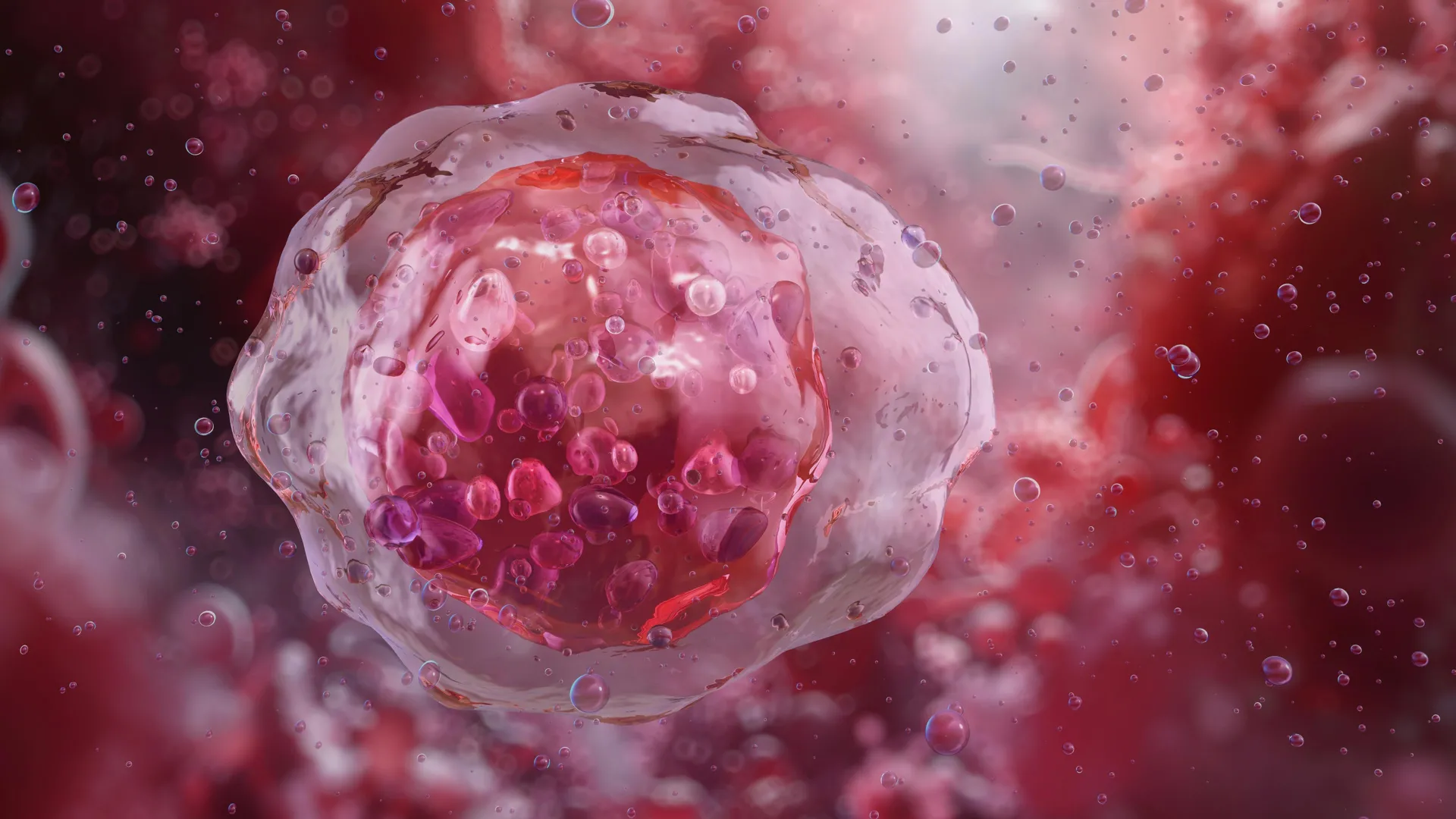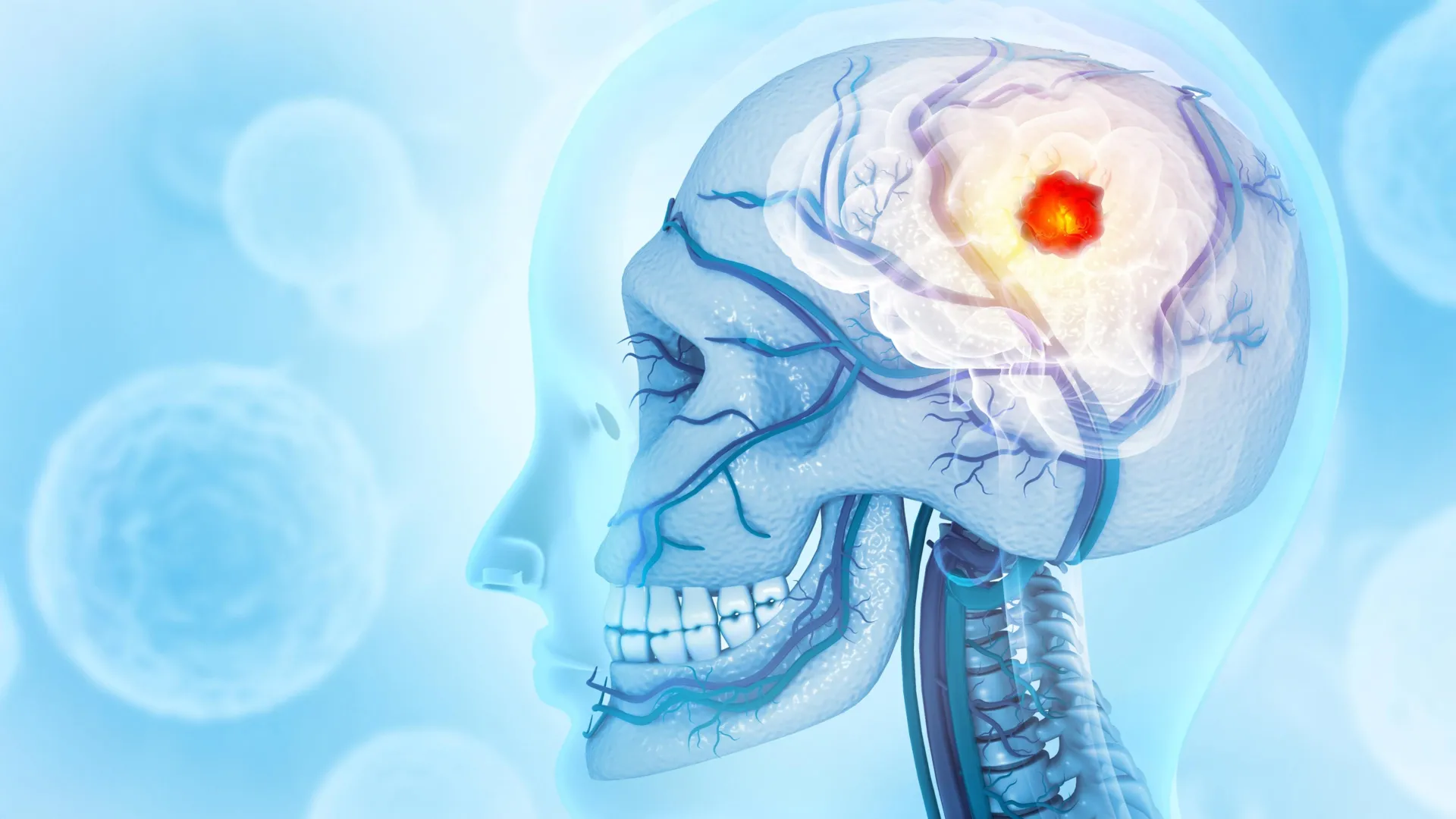
The fundamental understanding of human physiology has undergone a significant shift following a groundbreaking study by researchers at the University of California, San Francisco (UCSF). For nearly a century, medical textbooks and clinical practices have operated under the firm assumption that the production of blood cells—a process known as hematopoiesis—is almost exclusively the domain of the bone marrow. However, new evidence published in the journal Blood reveals that the human lungs play a far more sophisticated and vital role in blood production than previously imagined. The research identifies the lungs as a prolific site for the creation of red blood cells and platelets, housing a dedicated reservoir of hematopoietic stem cells (HSCs) that could revolutionize the field of stem cell transplantation and the treatment of blood-related diseases.
Red blood cells are the primary vehicles for oxygen transport, moving life-sustaining gas from the lungs to every organ and tissue in the body. To maintain this flow, the human body must produce approximately 200 billion new red blood cells every single day. While the bone marrow has long been credited with this Herculean task, the UCSF team, led by Mark Looney, MD, a professor of medicine and laboratory medicine, has demonstrated that the lungs are active participants in this process. By discovering HSCs within human lung tissue, the study suggests that the respiratory system acts as a "second home" for the cells responsible for regenerating the body’s blood supply.
A Paradigm Shift in Hematology
The discovery marks the culmination of years of investigation into the secondary functions of the lungs. The research, supported by the National Heart, Lung, and Blood Institute (NHLBI) of the National Institutes of Health (NIH), indicates that the lungs contain not only the stem cells necessary for blood production but also megakaryocytes—large bone marrow cells responsible for producing platelets, which are essential for blood clotting and wound healing.
"For decades, bone marrow transplants have been a lynchpin in the treatment of cancers like leukemia," said Dr. Looney, the senior author of the paper. "The lung HSCs could prove to be a second and significant reservoir of these precious stem cells. This changes how we view the lung—not just as an organ for gas exchange, but as a primary player in the circulatory and regenerative systems of the body."
The implications for clinical medicine are profound. If the lungs serve as a reliable source of hematopoietic stem cells, they could potentially provide a new avenue for life-saving transplants for patients suffering from bone marrow failure, immune deficiencies, and various forms of blood cancer.
Chronology of Discovery: From Mice to Men
The journey toward this discovery began in 2017, when Dr. Looney’s team conducted a series of experiments using advanced imaging technology on mice. During those studies, the researchers observed something unexpected: a vast number of megakaryocytes circulating within the mouse lung. Upon closer inspection, they found that these cells were producing more than half of the mouse’s total platelet supply.
This initial finding challenged the traditional "marrow-centric" view of hematopoiesis, but it remained unclear whether the same biology applied to humans. To bridge this gap, the UCSF team transitioned to human studies, obtaining donated samples of human lung tissue, bone marrow, and peripheral blood. By comparing the cellular makeup of these different tissues, the scientists sought to determine if the human lung harbored the same regenerative capabilities seen in the murine models.
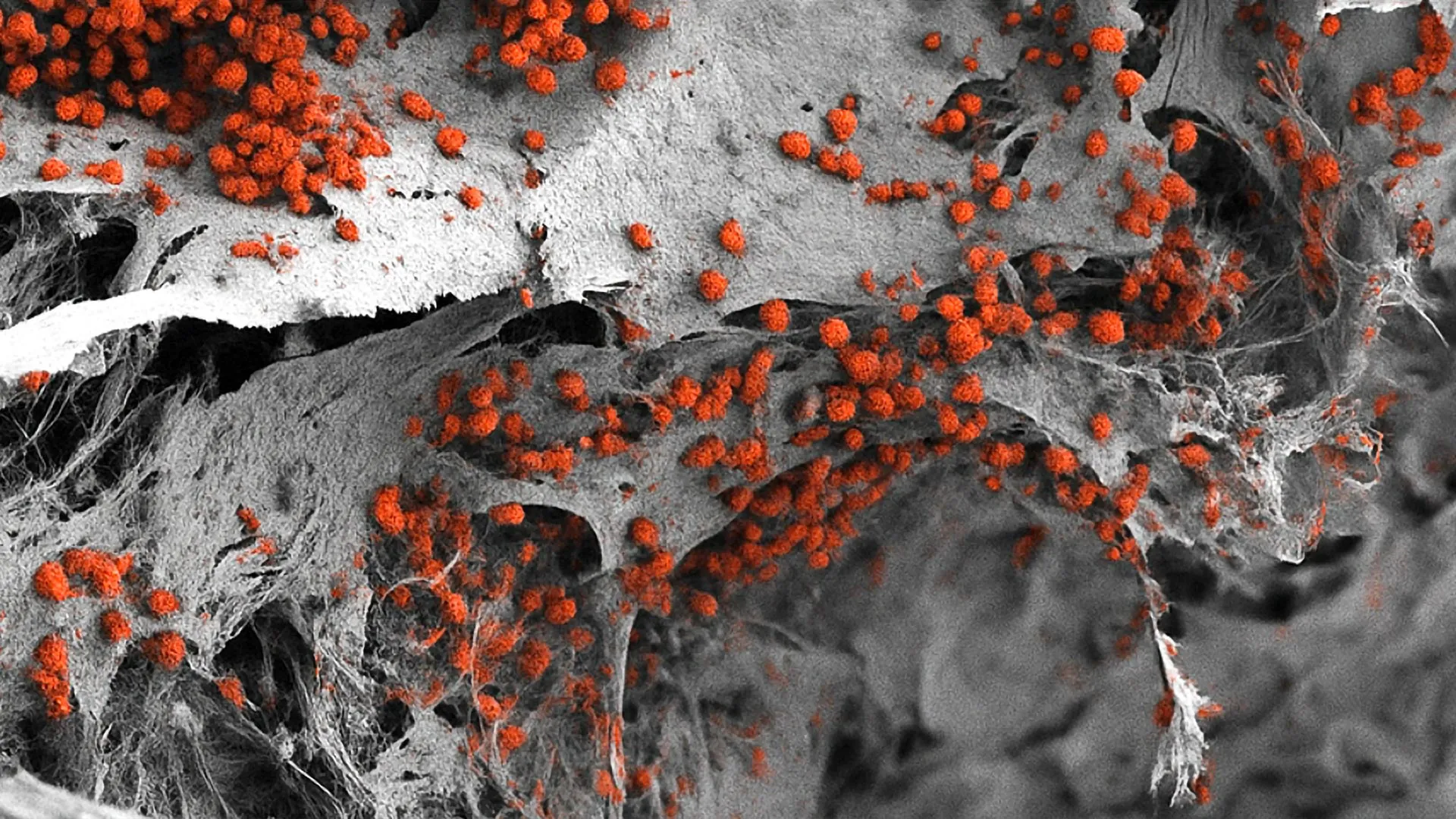
The researchers screened a volume of lung tissue roughly the size of a golf ball. Using high-resolution screening and molecular markers, they identified a population of stem cells in the lung that were morphologically and genetically indistinguishable from the HSCs found in bone marrow. Perhaps most surprising was the density of these cells; the study found that HSCs existed in the lung at rates comparable to those found in the bone marrow, suggesting that their presence was not accidental or transient.
Comparative Data and Functional Analysis
To ensure that these lung-based stem cells were truly functional, the research team conducted "gold-standard" stem cell experiments. They isolated HSCs from both the lung and the bone marrow and placed them in petri dishes, providing the necessary growth factors to coax them into maturity.
The results revealed a fascinating division of labor between the two sites:
- Lung-derived HSCs: These cells were found to be highly productive, showing a specific propensity for generating red blood cells and megakaryocytes (platelet-forming cells).
- Bone marrow-derived HSCs: While also productive, these colonies tended to favor the production of immune cells, such as white blood cells.
"The lung HSCs weren’t one-offs—they were a reliable presence in the lungs," noted Catharina Conrad, MD, PhD, a postdoctoral scholar in Looney’s lab and the study’s first author. "But we still needed to know that they were actually capable of making blood in a living system."
To test this, the researchers transplanted human lung HSCs into mice that were deficient in their own blood-forming cells. The results were definitive: the human lung HSCs successfully migrated to the bone marrow of the mice and restored their blood production. This cross-organ synergy suggests that the body maintains multiple "depots" of stem cells that can communicate and support one another during times of physiological stress or injury.
The Lung as a Biological Niche
One of the most critical questions the researchers had to answer was whether these stem cells were permanent residents of the lung or merely "passengers" caught in the dense capillary network of the respiratory system. To settle the matter, Dr. Conrad and Dr. Looney analyzed the physical location of the HSCs within human lung tissue samples.
They discovered the stem cells nestled specifically between blood vessels in a structured arrangement that closely mirrors the "niches" found in bone marrow. This anatomical positioning indicates that the lung provides a supportive microenvironment specifically designed to house and maintain these stem cells.
"They really seem to live there and aren’t just passing through," Dr. Conrad explained. This finding suggests that the lung is a primary hematopoietic organ in its own right, rather than a secondary filter for cells produced elsewhere.
Impact on Modern Stem Cell Transplantation
The discovery has immediate relevance for current medical procedures. Currently, hematopoietic stem cell transplants—often referred to as bone marrow transplants—frequently involve "peripheral blood stem cell mobilization." In this process, a donor is given medication to move stem cells from the bone marrow into the bloodstream, where they are then collected via a blood draw.
The UCSF team analyzed the output of these routine transplants and made a startling discovery: nearly 20% of the stem cells currently used in "bone marrow transplants" carry the specific molecular signature of lung-derived HSCs. This means that for years, clinicians have unknowingly been using lung-derived cells to treat patients.
By identifying the unique properties of these lung HSCs—specifically their high output of red blood cells and platelets—doctors may eventually be able to tailor transplants to a patient’s specific needs. For example, a patient with severe anemia might benefit more from a transplant enriched with lung-signature HSCs, whereas a patient with an immune disorder might require a higher concentration of marrow-signature cells.
Broad Implications and Future Research
The revelation that the lung is a blood-producing organ opens several new chapters in human biology. Scientists are now asking why the body evolved to have blood production in the lungs. One hypothesis, proposed by Dr. Looney, is that the lungs serve as an "emergency reservoir." Because the lungs are the central hub of blood circulation and oxygenation, having a localized source of red blood cell and platelet production allows the body to respond rapidly to low oxygen levels (hypoxia) or physical trauma.
Furthermore, this research may provide new insights into pulmonary diseases. If the lungs are involved in blood production, it is possible that certain lung conditions, such as pulmonary hypertension or chronic obstructive pulmonary disease (COPD), could be linked to malfunctions in lung-based hematopoiesis. Conversely, blood disorders might have unrecognized impacts on respiratory health.
The National Heart, Lung, and Blood Institute has expressed interest in how this data might improve donor matching and the yields of stem cell collection. As the medical community moves toward more personalized therapies, the ability to distinguish between different pools of stem cells offers a higher level of precision in regenerative medicine.
"The lungs are critical to blood circulation, so it’s tantalizing to see the lung HSCs as an emergency reservoir," Dr. Looney concluded. "Now that we know they exist, it opens up a lot of new opportunities for a therapy, hematopoietic stem cell transplantation, that is very commonly used for patients with the need."
As research continues, the UCSF team hopes to further categorize the differences between lung and bone marrow HSCs. Understanding the signaling pathways that activate these cells could lead to new drugs that stimulate blood production within the lungs, potentially reducing the need for invasive transplants or frequent blood transfusions in the future. For now, the "breath of life" provided by the lungs has taken on a literal, cellular meaning that was previously hidden in plain sight.