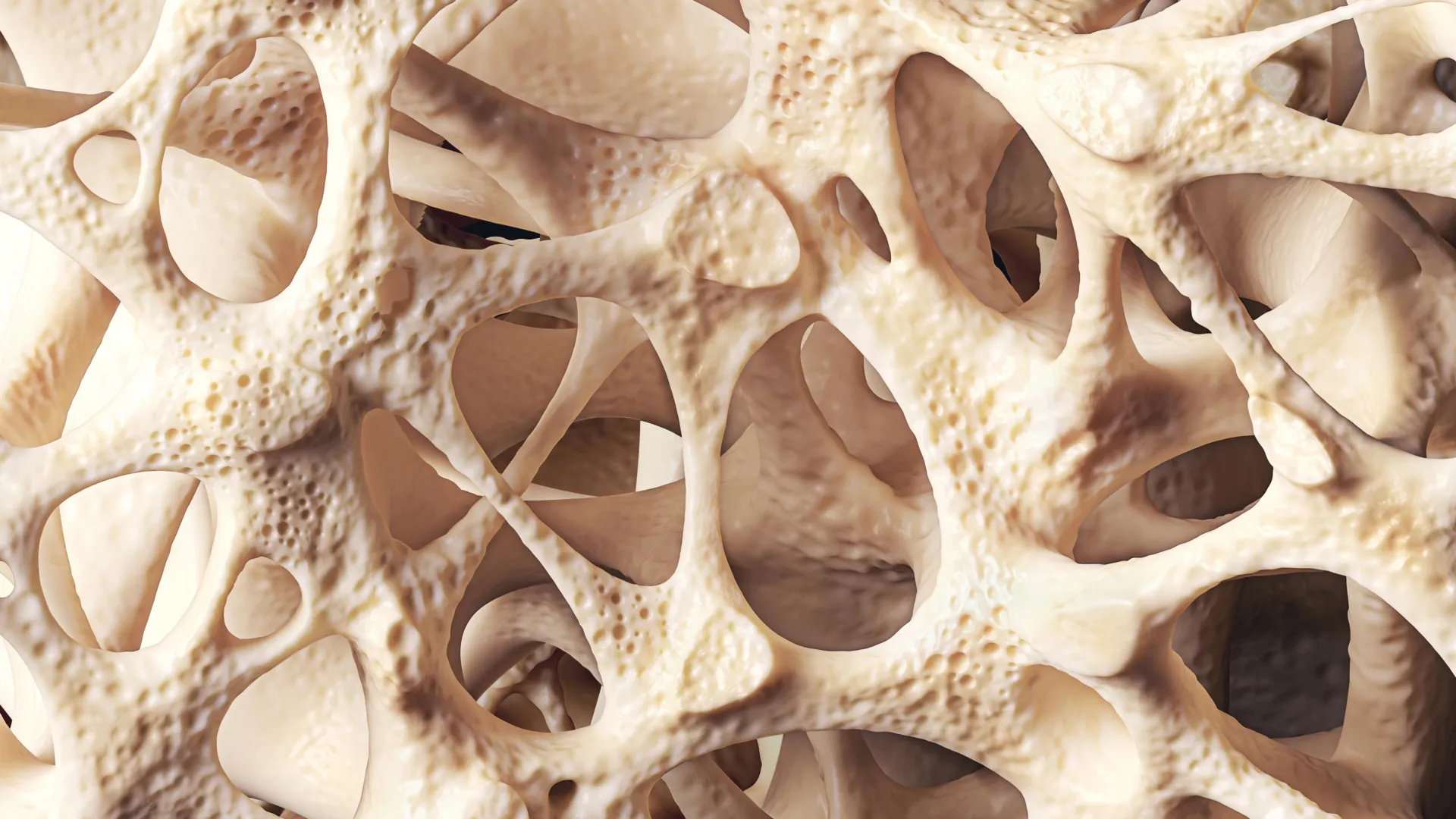
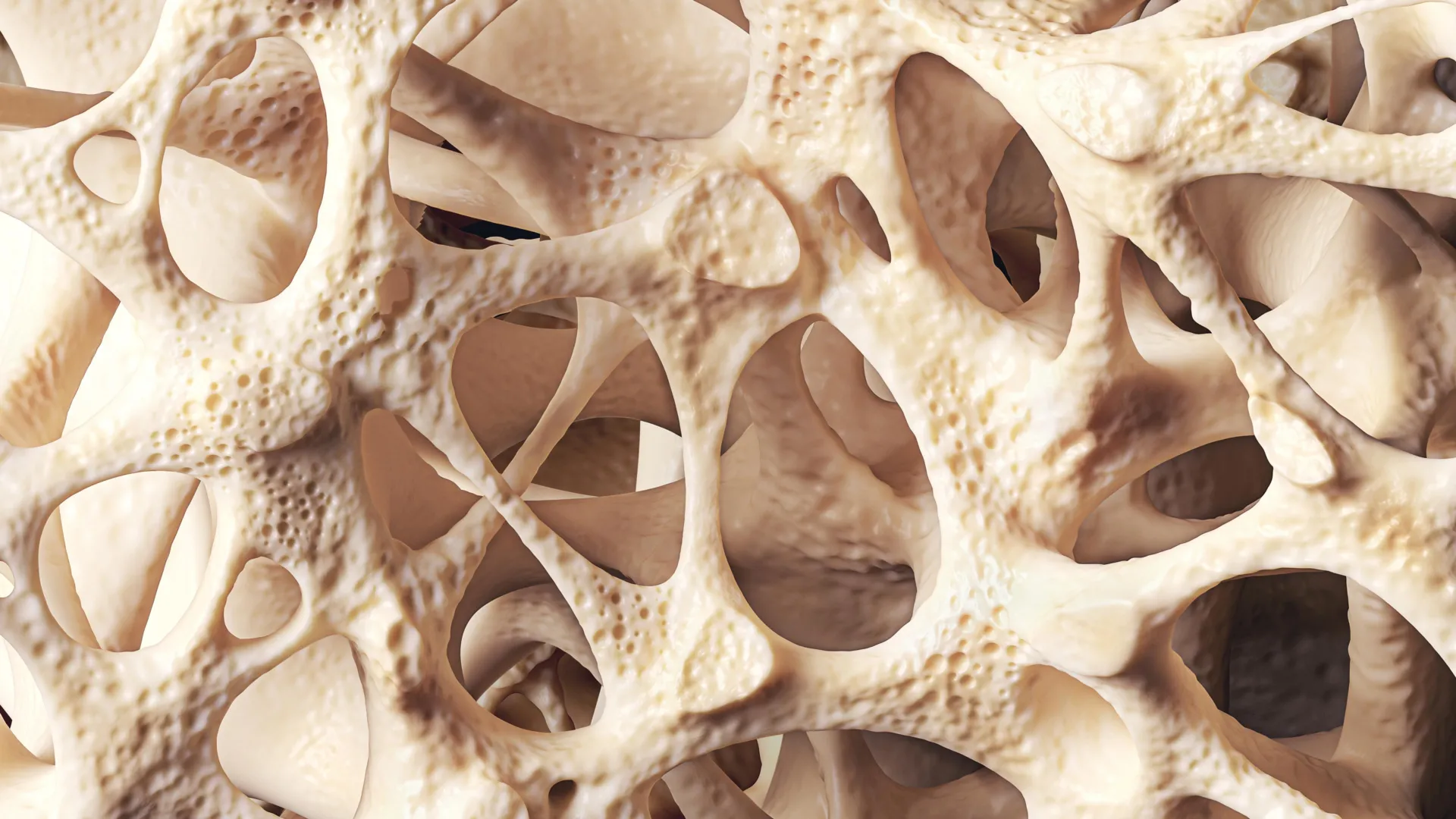
Osteopenia, a clinical condition characterized by the loss of bone mineral density (BMD) that is lower than normal but not yet classified as osteoporosis, has emerged as a significant global public health concern, currently affecting approximately 40% of adults worldwide. While it is often overshadowed by its more severe counterpart, osteoporosis, medical experts emphasize that osteopenia represents a critical window for intervention. In the United Kingdom alone, it is estimated that more than 500,000 fragility fractures occur annually due to low bone density, placing an immense strain on the National Health Service (NHS) and resulting in significant morbidity among the elderly and postmenopausal populations. Because the condition develops without overt symptoms, it is frequently described by clinicians as a "silent epidemic," often remaining undiagnosed until a patient suffers a fracture from a minor fall or undergoes routine screening.
The Biological Mechanism of Bone Remodeling
To understand the progression of osteopenia, it is necessary to examine the biological nature of bone as a living, dynamic tissue. Bone is not a static structure but is constantly undergoing a process known as bone remodeling. This cycle involves two primary actions: resorption, where specialized cells called osteoclasts break down old or damaged bone tissue, and formation, where osteoblasts create new bone mineral.
Under optimal conditions, particularly during childhood and adolescence, the rate of bone formation exceeds the rate of resorption, leading to a net increase in bone mass. Human bone density typically reaches its "peak bone mass" between the mid-20s and early 30s. This peak serves as a biological "savings account"; the higher the peak bone mass achieved in youth, the more "reserve" an individual has to draw upon as they age. After this peak is reached, the balance shifts. The remodeling process becomes less efficient, and the body begins to resorb bone faster than it can replace it. When this imbalance leads to a significant reduction in mineral density, the clinical threshold for osteopenia is met.
A Chronology of Bone Health and Risk Factors
The trajectory of bone health is influenced by a combination of chronological aging, hormonal shifts, and external lifestyle factors. Medical research identifies several distinct stages and catalysts that accelerate the transition from healthy bone to osteopenia.
The Impact of Hormonal Transitions
One of the most significant accelerators of bone loss is the hormonal shift associated with menopause. Estrogen plays a vital role in skeletal health by inhibiting the activity of osteoclasts, thereby slowing the rate of bone resorption. When estrogen levels drop precipitously during and after menopause, this protective mechanism is lost, leading to a period of rapid bone demineralization. Statistical data indicates that approximately one in two women over the age of 50 will experience a fragility fracture in their lifetime, a figure that highlights the vulnerability of this demographic.
Secondary Medical Influences
Beyond natural aging, certain medical conditions and treatments can induce "secondary osteopenia." Chronic inflammatory conditions such as Crohn’s disease and coeliac disease can impair the gut’s ability to absorb essential nutrients like calcium and vitamin D, both of which are foundational to bone structure. Furthermore, the long-term use of certain medications, particularly corticosteroids (often prescribed for asthma or rheumatoid arthritis), has been shown to interfere with the bone-building process, significantly increasing the risk of premature bone loss.
The Role of Modern Lifestyle
Epidemiological studies have consistently linked sedentary lifestyles to poorer bone health. The skeleton operates under "Wolff’s Law," which states that bone grows and strengthens in response to the physical loads placed upon it. In an increasingly digital and sedentary world, the lack of weight-bearing physical activity contributes to a lower baseline of bone density. Additionally, modifiable behaviors such as smoking and excessive alcohol consumption have been shown to have a toxic effect on bone cells and interfere with the body’s hormonal balance, further exacerbating the risk of osteopenia.
Diagnostic Standards and the T-Score Metric
The diagnosis of osteopenia is primarily achieved through a dual-energy X-ray absorptiometry (DXA) scan. This specialized, low-dose X-ray measures the mineral content in specific areas of the skeleton, usually the hip and the lumbar spine. The results are expressed as a T-score, which represents the number of standard deviations a patient’s bone density is above or below that of a healthy 30-year-old adult.
The World Health Organization (WHO) has established the following diagnostic categories based on T-scores:
- Normal: T-score of -1.0 or higher.
- Osteopenia: T-score between -1.0 and -2.5.
- Osteoporosis: T-score of -2.5 or lower.
A T-score of -1.5, for example, indicates that the patient has lost roughly 15% of their bone density compared to the peak reference. While osteopenia does not carry the same immediate fracture risk as osteoporosis, it serves as a critical warning sign. Clinicians often use the Fracture Risk Assessment Tool (FRAX), which combines BMD data with other clinical risk factors—such as age, BMI, smoking status, and family history—to calculate a patient’s 10-year probability of suffering a major osteoporotic fracture.
Economic and Societal Implications of Bone Loss
The prevalence of osteopenia carries heavy economic implications for global healthcare systems. In the UK, the cost of treating fragility fractures is estimated to exceed £4 billion annually, a figure expected to rise as the population ages. Beyond the direct financial costs, the societal impact is profound. Fractures, particularly of the hip and spine, often lead to a permanent loss of independence for elderly patients, increased reliance on social care, and a higher risk of mortality within the first year following the injury.
Public health officials argue that a shift from "crisis management"—treating fractures after they occur—to "preventive screening" and early management of osteopenia could significantly reduce this burden. By identifying bone loss at the osteopenia stage, healthcare providers can implement strategies that prevent the progression to osteoporosis, thereby avoiding the most catastrophic clinical outcomes.
Strategic Management and the Potential for Reversal
Management of osteopenia is multifaceted, focusing on stabilizing bone density and improving overall skeletal resilience. Unlike many age-related conditions, bone loss is not necessarily an inevitable downward slide; with targeted intervention, bone density can be maintained or, in some cases, marginally improved.
Nutritional Foundations
Nutritional intervention remains the cornerstone of bone health. Calcium is the primary mineral found in bone, and vitamin D is essential for its absorption in the intestines. In regions like the UK, where sunlight exposure is limited for much of the year, vitamin D deficiency is widespread. Public health guidelines increasingly recommend supplementation for adults to ensure that the body can effectively utilize dietary calcium from sources such as dairy, leafy greens, and fortified cereals.
Physical Therapy and Exercise
Exercise is a powerful non-pharmacological tool for managing osteopenia. Weight-bearing exercises—including brisk walking, jogging, and dancing—force the body to work against gravity, which stimulates osteoblast activity. Resistance training, such as weightlifting, provides additional benefits by strengthening the muscles that support the skeleton and improving joint stability. Furthermore, practices like Tai Chi have been lauded by medical professionals for improving balance and coordination, which directly reduces the risk of falls—the primary cause of fractures in those with low bone density.
Pharmaceutical Interventions
While not every patient with osteopenia requires medication, those identified as "high risk" by the FRAX tool may be prescribed antiresorptive drugs, such as bisphosphonates. These medications work by inhibiting the cells that break down bone, effectively "freezing" bone loss. Recent clinical trials suggest that early use of these treatments in high-risk osteopenic patients can significantly reduce the long-term incidence of fractures, challenging the traditional model of waiting for an osteoporosis diagnosis before commencing drug therapy.
The Future of Bone Health: A Life-Course Perspective
The growing body of evidence surrounding osteopenia suggests that bone health should be viewed through a life-course lens rather than as a condition of the elderly. Prevention begins in childhood with adequate nutrition and physical activity to maximize peak bone mass. In midlife, the focus shifts to monitoring and mitigation, particularly during the perimenopausal transition for women.
As medical technology advances, new diagnostic tools, such as Radiofrequency Echographic Multi-Spectrometry (REMS), are being developed to provide bone quality assessments without the need for ionizing radiation, potentially allowing for more frequent monitoring.
In conclusion, osteopenia is far more than a precursor to a more serious disease; it is a vital clinical indicator of future risk. By addressing the "silent" decline of bone density through early detection, lifestyle modification, and targeted medical care, society can mitigate the rising tide of fragility fractures. The objective for modern medicine is to move toward a proactive model where bone health is preserved throughout the lifespan, ensuring that aging populations maintain their mobility, independence, and quality of life.