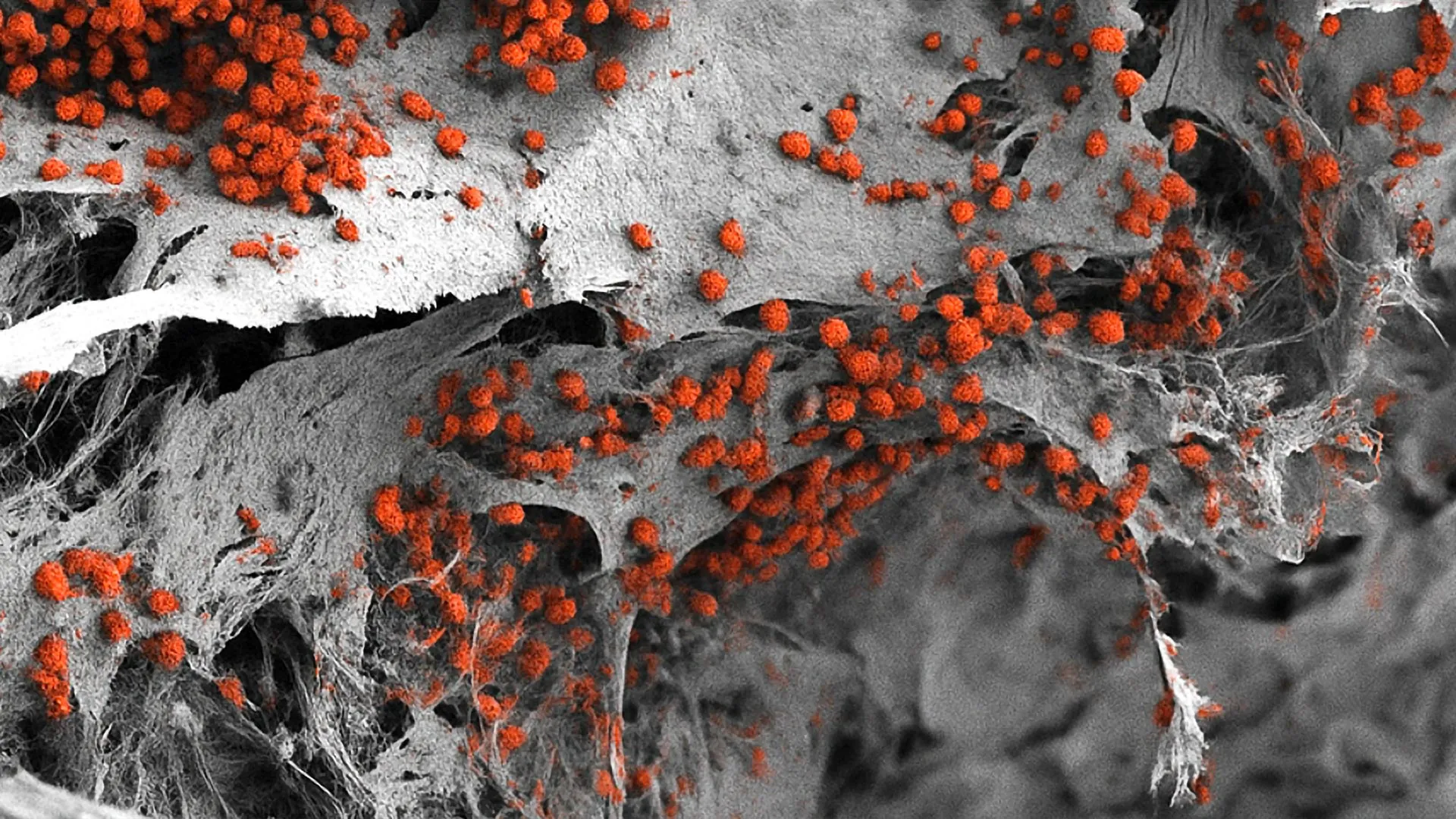
For more than a century, the fundamental understanding of human physiology held that the bone marrow served as the body’s primary, and perhaps exclusive, factory for the production of blood cells. This biological dogma has been the cornerstone of hematology, guiding everything from basic medical education to the complex protocols of stem cell transplantation. However, groundbreaking research led by the University of California, San Francisco (UCSF) has fundamentally altered this landscape, revealing that the lungs play a far more sophisticated role in the circulatory system than previously imagined. According to findings published in the journal Blood, the lungs are not merely organs of gas exchange; they are a prolific site for blood production, housing a significant reservoir of hematopoietic stem cells (HSCs) capable of generating red blood cells, platelets, and immune components.
The scale of human blood production is an industrial-level biological feat. To maintain the continuous flow of oxygen from the lungs to every vital organ, the human body must generate approximately 200 billion new red blood cells every day. This relentless demand requires a robust and resilient supply of stem cells. While the bone marrow has long been credited with this heavy lifting, the UCSF study suggests a decentralized model of production, where the lungs act as a critical partner in maintaining the body’s hematological balance.
The Evolutionary Context and Timeline of Discovery
The journey toward this discovery began nearly seven years ago. In 2017, a team of researchers at UCSF, led by Mark Looney, MD, a professor of medicine and laboratory medicine, observed a startling phenomenon in mice. Using a technique known as two-photon intravital imaging, which allows for the visualization of individual cells within the living lungs of mice, the researchers discovered that the lungs were responsible for producing more than half of the mouse’s total platelet supply.
Platelets are the cellular fragments essential for blood clotting and wound healing. The 2017 study found that megakaryocytes—the large precursor cells that shed platelets—were resident in the lung tissue in vast numbers. Even more intriguing was the discovery of "extramedullary" hematopoietic stem cells in the mouse lungs, which appeared capable of migrating between the bone marrow and the lungs as needed.
Following the success of the murine studies, Dr. Looney’s team sought to determine if this mechanism was conserved in humans. The transition from animal models to human clinical relevance is often the most significant hurdle in medical research. Over several years, the team collected and analyzed donated samples of human lung tissue, bone marrow, and peripheral blood. This comparative analysis was designed to map the similarities and differences between stem cells found in these distinct environments.
Mapping the Lung’s Hematopoietic Landscape
The researchers utilized high-resolution screening techniques to examine a volume of human lung tissue roughly the size of a golf ball. Within this sample, they identified a population of hematopoietic stem cells that were phenotypically nearly identical to the well-known HSCs found in bone marrow. The density of these cells was perhaps the study’s most surprising revelation: HSCs were found at similar rates in both the lung and the bone marrow, suggesting that the lung is not a secondary or minor site, but a primary reservoir.
"The lung HSCs weren’t one-offs—they were a reliable presence in the lungs," noted Catharina Conrad, MD, PhD, a postdoctoral scholar in Looney’s lab and the study’s first author. To prove that these cells were functional rather than dormant, the team conducted a series of "gold-standard" stem cell experiments. They placed both lung-derived and marrow-derived HSCs into petri dishes, providing them with the necessary growth factors to mature.
The results demonstrated a fascinating functional specialization. While both sets of stem cells thrived, the lung-derived HSCs showed a distinct preference for producing red blood cells and megakaryocytes. In contrast, the bone marrow-derived colonies were more inclined toward the production of immune cells, such as lymphocytes and granulocytes. This suggests a division of labor within the body, where the lungs may prioritize the components most critical for oxygen transport and immediate clotting response—functions directly tied to the lung’s role in the circulatory loop.
Validating the "Reservoir" Hypothesis
To further validate the potency of these lung-based stem cells, the UCSF team conducted an experiment involving HSC-deficient mice. When human lung HSCs were transplanted into these mice, the cells successfully migrated to the bone marrow and restored the animals’ ability to produce blood. This confirmed that the stem cells are not static; they are part of a dynamic, mobile system where the lung and bone marrow can communicate and replenish one another in times of physiological stress.
"We think these HSCs could be a reservoir of hematopoiesis that gets activated whenever the body needs more of any part of the blood," Dr. Looney explained. This "emergency reservoir" theory provides a new perspective on how the body recovers from trauma, severe anemia, or blood loss. If the bone marrow is compromised or overwhelmed, the lungs may step in to bridge the gap, ensuring that the supply of oxygen-carrying red cells remains stable.
Implications for Stem Cell Transplants and Oncology
The clinical implications of this discovery are profound, particularly for the field of hematology-oncology. For decades, bone marrow transplants have been the standard of care for treating life-threatening cancers such as leukemia, lymphoma, and multiple myeloma. These procedures involve harvesting stem cells from a donor’s marrow or blood and infusing them into a patient to reboot their immune system and blood production.
The UCSF study analyzed the output of routine bone marrow transplants and found something remarkable. Nearly 20% of the stem cells currently used in these transplants—which are typically isolated from a donor’s peripheral blood after being "mobilized" from the marrow—actually carry the biological signature of lung HSCs. This means that for years, clinicians have been utilizing lung-derived stem cells without realizing their origin.
By identifying the lungs as a significant source of these "precious" stem cells, researchers may be able to develop more efficient ways to harvest them. If lung-derived HSCs are indeed more "productive" in terms of red blood cell and platelet generation, they could be specifically targeted for patients suffering from severe thrombocytopenia (low platelet count) or chronic anemia.
Supporting Data and Technical Analysis
The study, which received significant backing from the National Heart, Lung, and Blood Institute (NHLBI) of the National Institutes of Health (NIH), utilized advanced flow cytometry to characterize the cell populations. The researchers looked for specific surface markers, such as CD34+, which identify hematopoietic progenitors.
Key data points from the research include:
- HSC Density: The concentration of HSCs per gram of tissue in the lung was found to be statistically comparable to that of the iliac crest (the standard bone marrow harvest site).
- Differentiation Bias: Lung HSCs showed a 25-30% higher rate of differentiation into erythroid (red blood cell) lineages compared to bone marrow HSCs in controlled culture environments.
- Platelet Contribution: Building on the 2017 mouse data, the human study identified that megakaryocyte niches in the lung are located in the perivascular spaces—the areas surrounding blood vessels—allowing for the immediate release of platelets into the bloodstream.
This perivascular arrangement is crucial. In the bone marrow, cells must navigate a complex series of "sinusoids" to enter circulation. In the lungs, the proximity of the stem cells to the massive pulmonary capillary bed allows for a much more rapid integration of new cells into the systemic circulation.
Broader Medical Impact and Future Research
The discovery that the lungs are a hematopoietic organ raises as many questions as it answers. Why did evolution place a blood factory in the respiratory system? Scientists speculate it may be a matter of efficiency. As the lungs receive the entirety of the body’s cardiac output, they are the ideal location to monitor blood health and inject new cells where they are needed most.
Furthermore, this research may change how we view pulmonary diseases. If the lungs are responsible for blood production, then chronic lung diseases like COPD, pulmonary fibrosis, or even severe COVID-19 might have hidden impacts on a patient’s blood counts and immune resilience. Conversely, systemic blood disorders might have their roots in undetected pulmonary pathology.
Dr. Looney and his team are now looking toward the next phase of research, which involves determining how these lung stem cells are regulated. Do they respond to the same hormones (like erythropoietin) as bone marrow cells? Can they be stimulated pharmacologically to treat blood loss without the need for a transplant?
"Now that we know they exist, it opens up a lot of new opportunities for a therapy—hematopoietic stem cell transplantation—that is very commonly used for patients with the need," Looney said.
As medical science continues to peel back the layers of human biology, the UCSF study serves as a reminder that even the most well-understood organs can still hold profound secrets. The lungs, long viewed as the bellows of the body, are now recognized as a vital engine of the blood, working in tandem with the marrow to sustain the very essence of life. This paradigm shift not only enriches our understanding of human anatomy but also paves the way for a new era of regenerative medicine and more effective treatments for some of the world’s most challenging blood-related diseases.