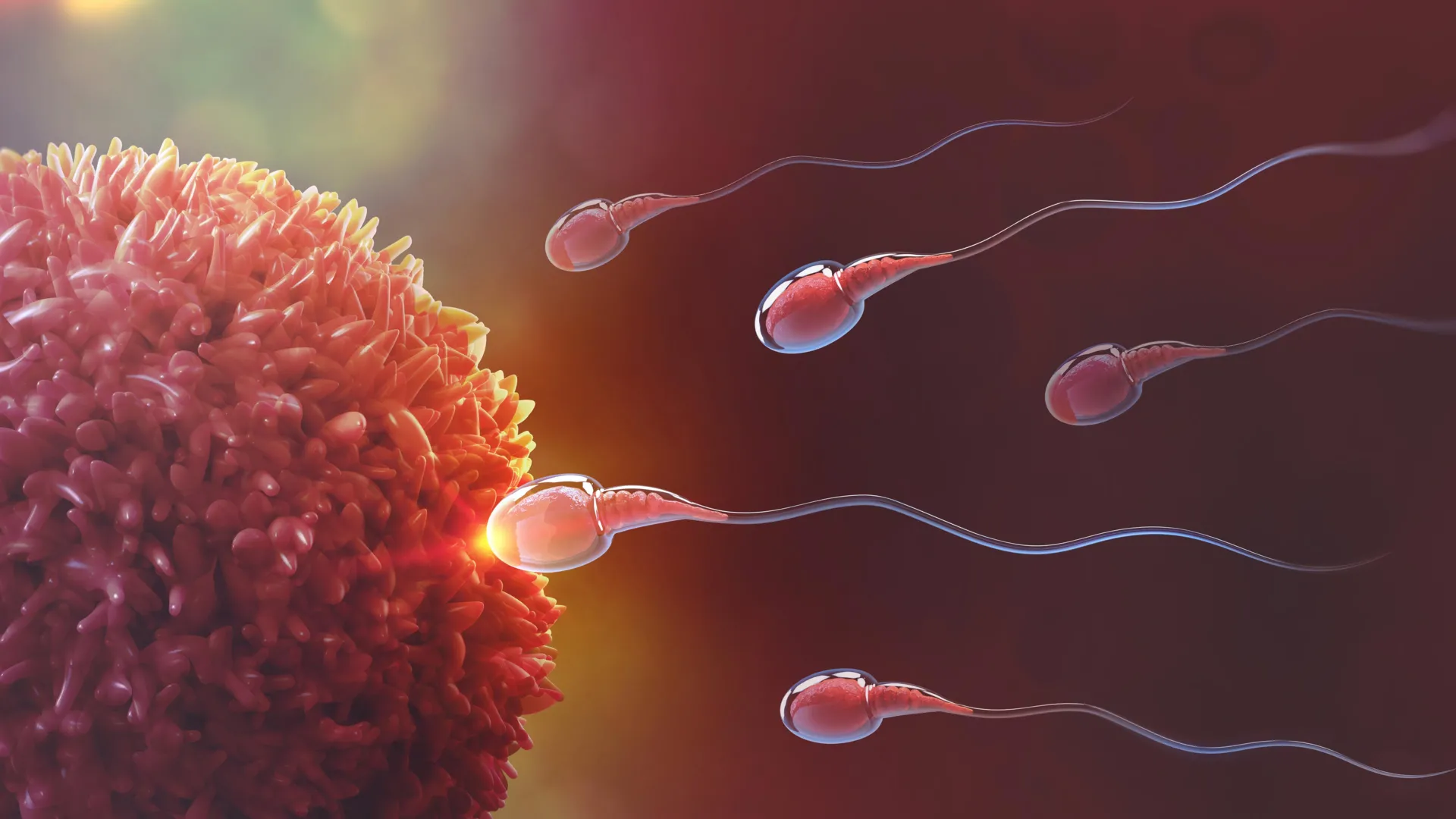
For decades, the global landscape of human contraception has placed an asymmetric burden of responsibility upon women, leaving men with two primary, binary choices: the permanent, surgical permanence of a vasectomy or the barrier reliability of condoms. While pharmaceutical science has engineered a vast array of oral contraceptives, intrauterine devices, hormonal injections, and implants for female anatomy, the male equivalent has remained stubbornly stagnant. However, a monumental breakthrough emerging from the laboratories at Cornell University may finally redefine modern reproductive medicine.
In a definitive proof-of-concept study spanning six years of rigorous investigation, a multidisciplinary team of geneticists and reproductive scientists at Cornell has successfully demonstrated a safe, reversible, long-acting, and entirely nonhormonal method of halting sperm production in male subjects. Published in the Proceedings of the National Academy of Sciences, the findings illuminate a promising path toward what reproductive health specialists have long regarded as the holy grail of family planning: an effective, controllable, and harmless male contraceptive pill, patch, or injection that leaves long-term reproductive capacity completely intact.
The Core Scientific Breakthrough: Targeting Meiotic Arrest
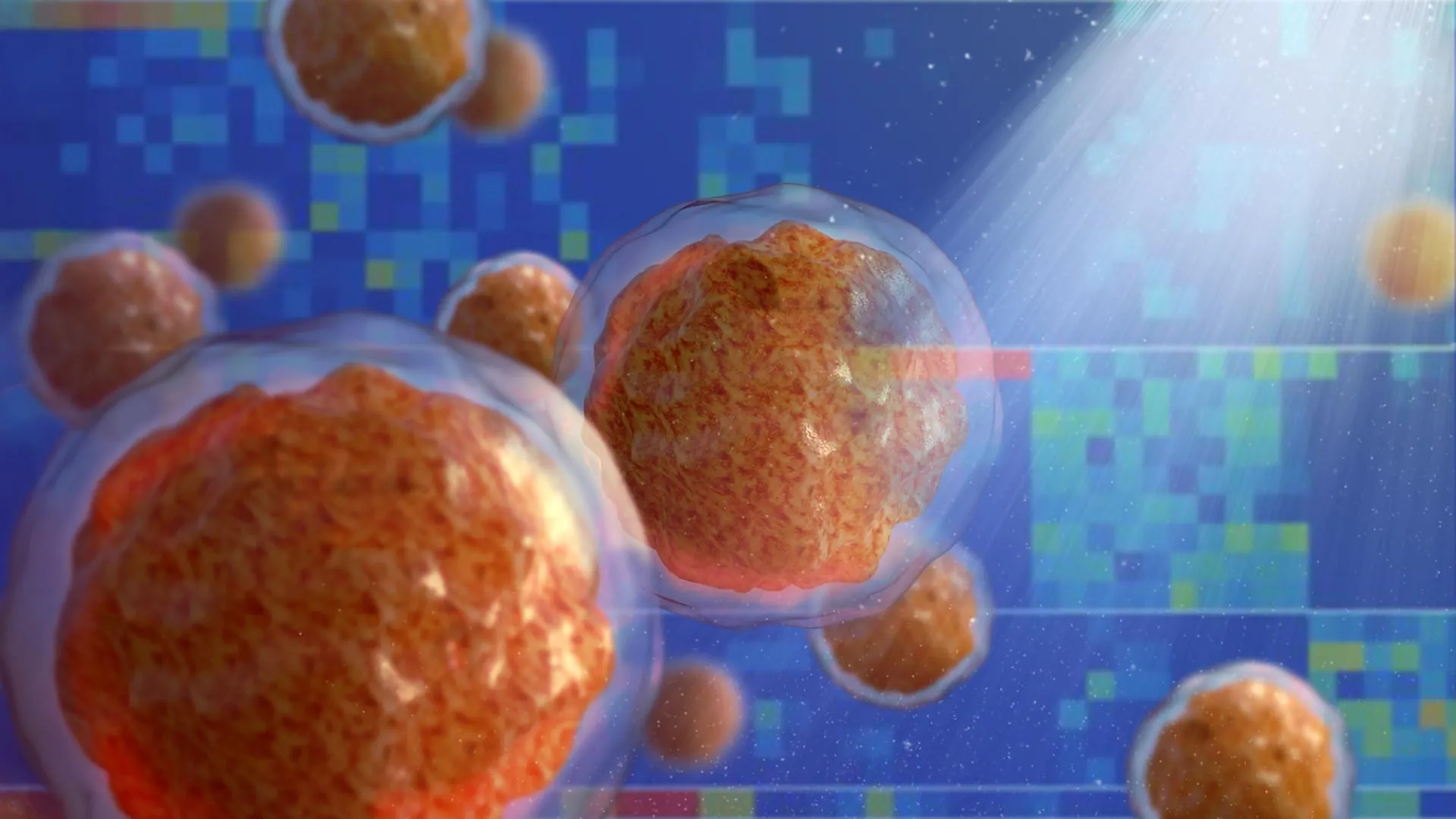
At the heart of the Cornell study is a precise biological intervention focused on meiosis—the specialized form of cell division that reduces the chromosome number by half to produce sperm and egg cells. Specifically, the research team focused on interrupting a critical juncture within meiosis known as prophase 1. By intercepting this specific phase, the researchers were able to temporarily shut down the machinery of spermatogenesis without inducing lasting cellular trauma.
To test this hypothesis, the research team utilized JQ1, a small molecule inhibitor originally engineered for oncological and inflammatory disease research. Although JQ1 itself is unsuited for human contraceptive use due to off-target neurological side effects, its pharmacological behavior served as an ideal instrument for the experiment. JQ1 is known to selectively interfere with the molecular pathways governing prophase 1, thereby offering a reliable mechanism to temporarily suspend sperm maturation.
"We’re practically the only group that’s pushing the idea that contraception targets in the testis are a feasible way to stop sperm production," explained Paula Cohen, professor of genetics and director of the Cornell Reproductive Sciences Center, who spearheaded the comprehensive research initiative.
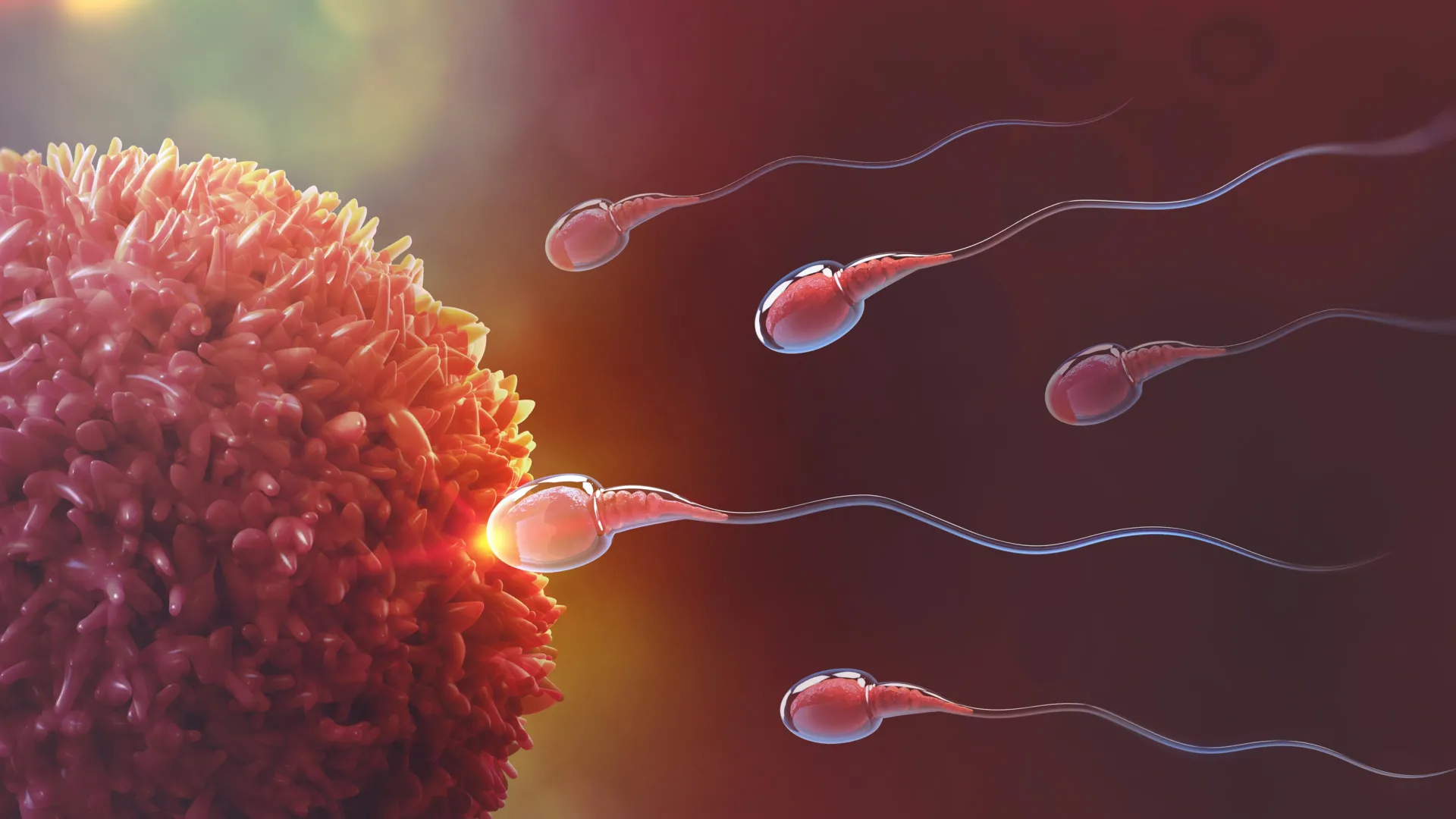
Cohen and her colleagues deliberately bypassed other stages of spermatogenesis to safeguard the long-term viability of the reproductive system. By focusing exclusively on meiosis rather than attacking spermatogonial stem cells—the foundational cells from which all sperm derive—the team ensured that the treatment would not induce permanent sterilization. If spermatogonial stem cells are destroyed, a male’s fertility is permanently extinguished. Furthermore, targeting later stages of sperm development, such as spermiogenesis, carries the risk of allowing viable, partially formed sperm to escape and inadvertently fertilize an egg. By arresting development cleanly at prophase 1, the researchers achieved absolute efficacy without compromising foundational stem cell populations.
A Six-Year Chronology of Discovery and Testing
The publication of these findings represents the culmination of a painstaking six-year research trajectory conducted primarily using murine models. The project began with the identification of bromodomain-containing proteins, such as BRDT, which play an indispensable role in regulating gene expression during male meiotic divisions. Recognizing that these proteins are uniquely expressed in germ cells during prophase 1, the Cornell team hypothesized that pharmacologically blocking their function could safely induce temporary infertility.
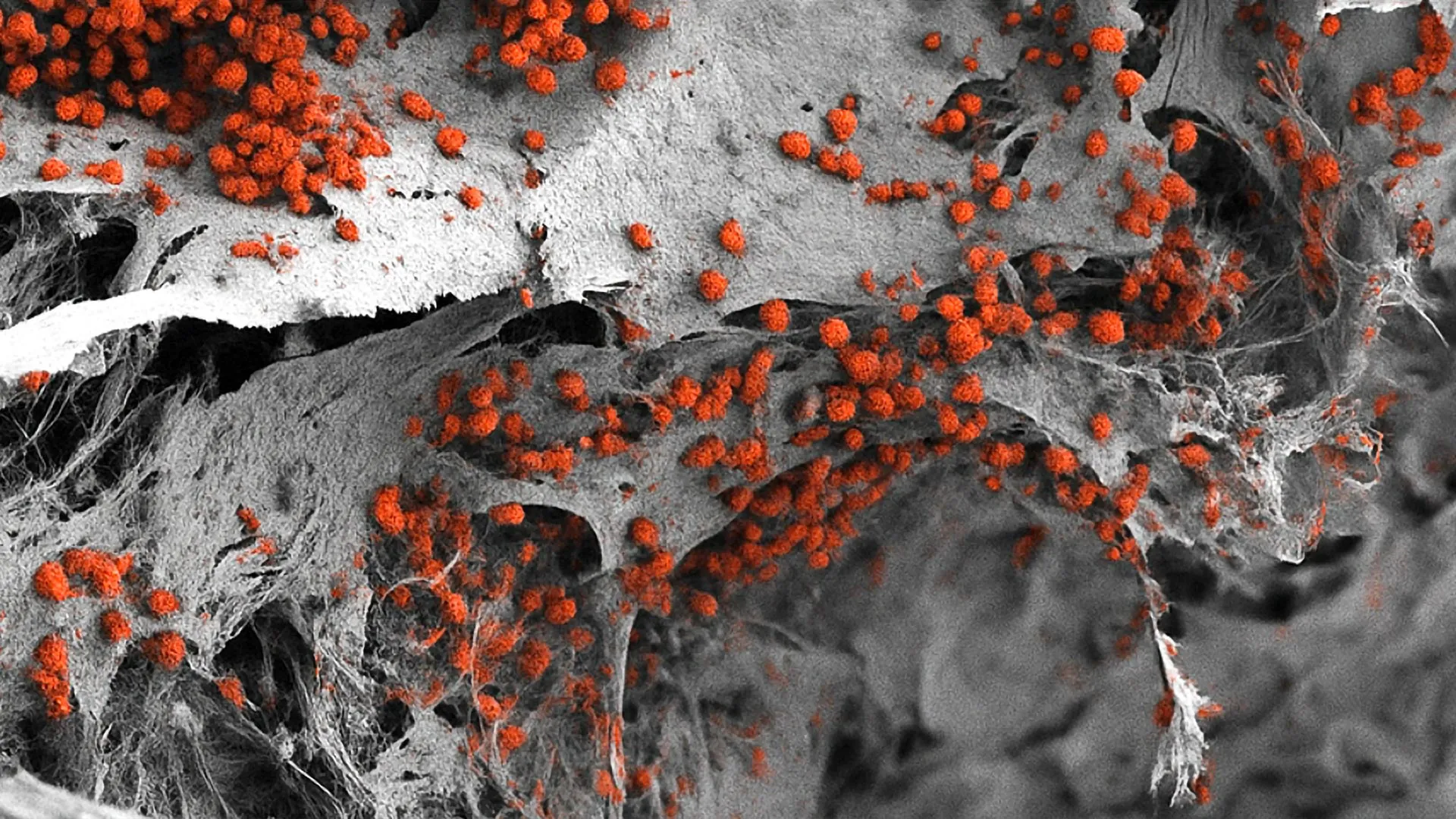
Over the course of the multi-year study, male mice were administered JQ1 over a tightly controlled three-week window. During this active treatment phase, microscopic analysis confirmed that sperm production ceased entirely. The drug systematically disrupted chromosome behavior during prophase 1, causing the developing germ cells to undergo apoptosis, or programmed cell death, safely within the testes before they could mature into functional spermatozoa.
Crucially, the study also mapped the precise timeline of recovery following the cessation of the drug. Once the administration of JQ1 was halted, the biological restoration process began almost immediately. Within six weeks post-treatment, the murine subjects demonstrated a robust recovery of normal meiotic processes. Healthy, fully functional sperm production resumed, matching baseline pre-treatment metrics.
To validate the safety and integrity of the recovered reproductive cells, the researchers conducted extensive breeding trials. Male mice that had undergone the JQ1 treatment and subsequent recovery period were bred with healthy females. The results were unequivocally positive: the matings resulted in normal litter sizes, and the resulting offspring were thoroughly evaluated to confirm they were completely healthy, exhibited normal developmental milestones, and retained full, uncompromised reproductive capacity themselves.
"It shows that we recover complete meiosis, complete sperm function, and more importantly, that the offspring are completely normal," Cohen emphasized, addressing the critical safety parameter that has historically plagued experimental contraceptive developments.
Historical Context and the Urgent Need for Modern Options
The socio-medical demand for expanded male contraceptive options has never been more pronounced. For over half a century, the pharmaceutical industry’s reluctance to invest heavily in male contraceptives has stemmed from a combination of physiological complexity and stringent risk-benefit analyses. Hormonal approaches—which typically rely on synthetic testosterones or progestins to suppress the hypothalamic-pituitary-testicular axis and halt sperm production—have historically struggled with a high incidence of adverse side effects, including mood swings, weight gain, acne, and adverse lipid profiles. These are side effects that women have historically shouldered with oral contraceptives, but modern regulatory standards and societal expectations demand a significantly cleaner pharmacological profile for new preventive medications.
Furthermore, non-hormonal approaches have faced immense scientific hurdles. The human body produces millions of sperm daily, requiring a contraceptive mechanism that is absolute in its blockage yet entirely reversible upon discontinuation. Surgical interventions like vasectomies, while highly effective, are invasive, psychological deterrents for many men, and surgical reversals are expensive, complex, and notoriously unreliable, boasting success rates that decline sharply with the passage of time.
Public health surveys consistently indicate that a significant demographic of men in committed relationships are eager to share the contraceptive burden, provided a safe, reliable, and non-permanent alternative becomes commercially available. The Cornell study directly addresses this sociological shift by offering a nonhormonal blueprint that operates locally within the testes rather than systemically altering the endocrine system.
Envisioning the Future: From Laboratory to Clinical Reality
While JQ1 itself will not become the drug found in pharmacies due to its neurological profile, the molecular target it illuminated has opened the floodgates for pharmaceutical development. The identification of prophase 1 as a secure, controllable chink in the armor of spermatogenesis provides medicinal chemists with a definitive biological target.
Looking toward the horizon, the research team envisions a future where human male contraception transcends daily pills. According to Professor Cohen, a successful translation of this meiotic-targeting science into human pharmacotherapy could yield highly convenient administration formats. Potential delivery mechanisms include a long-acting quarterly injection—administered once every three months—or a transdermal skin patch designed to maintain steady, localized therapeutic levels without disrupting systemic hormone balance or libido.
The implications for global public health are profound. An effective nonhormonal male contraceptive could drastically reduce unintended pregnancies worldwide, shifting the paradigm of family planning from an individual female responsibility to a shared partnership. Furthermore, because the mechanism leaves the endocrine system untouched, users would experience none of the systemic side effects that have derailed past hormonal candidates.
As the Cornell Reproductive Sciences Center prepares for the next phases of translational research, which will involve scaling up preclinical safety trials and identifying highly specific human-compatible inhibitors, the scientific community recognizes this study as a watershed moment. What was once considered an elusive pharmacological dream is now a tangible, scientifically validated horizon, bringing modern medicine closer than ever to total reproductive equality.