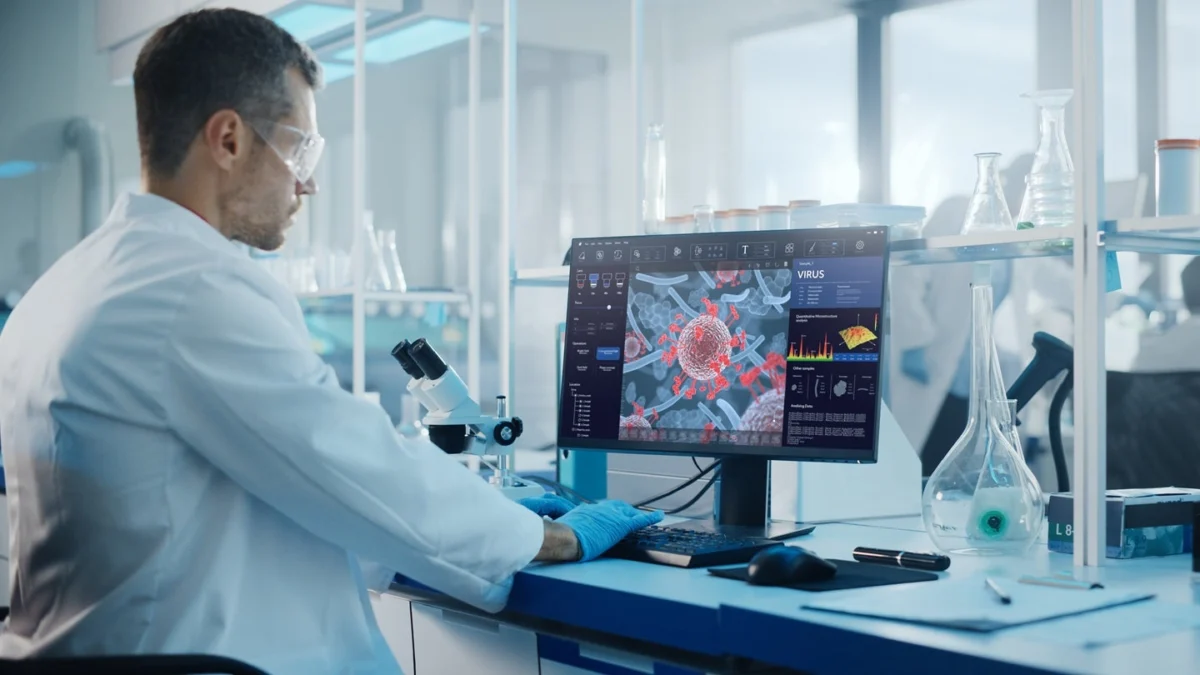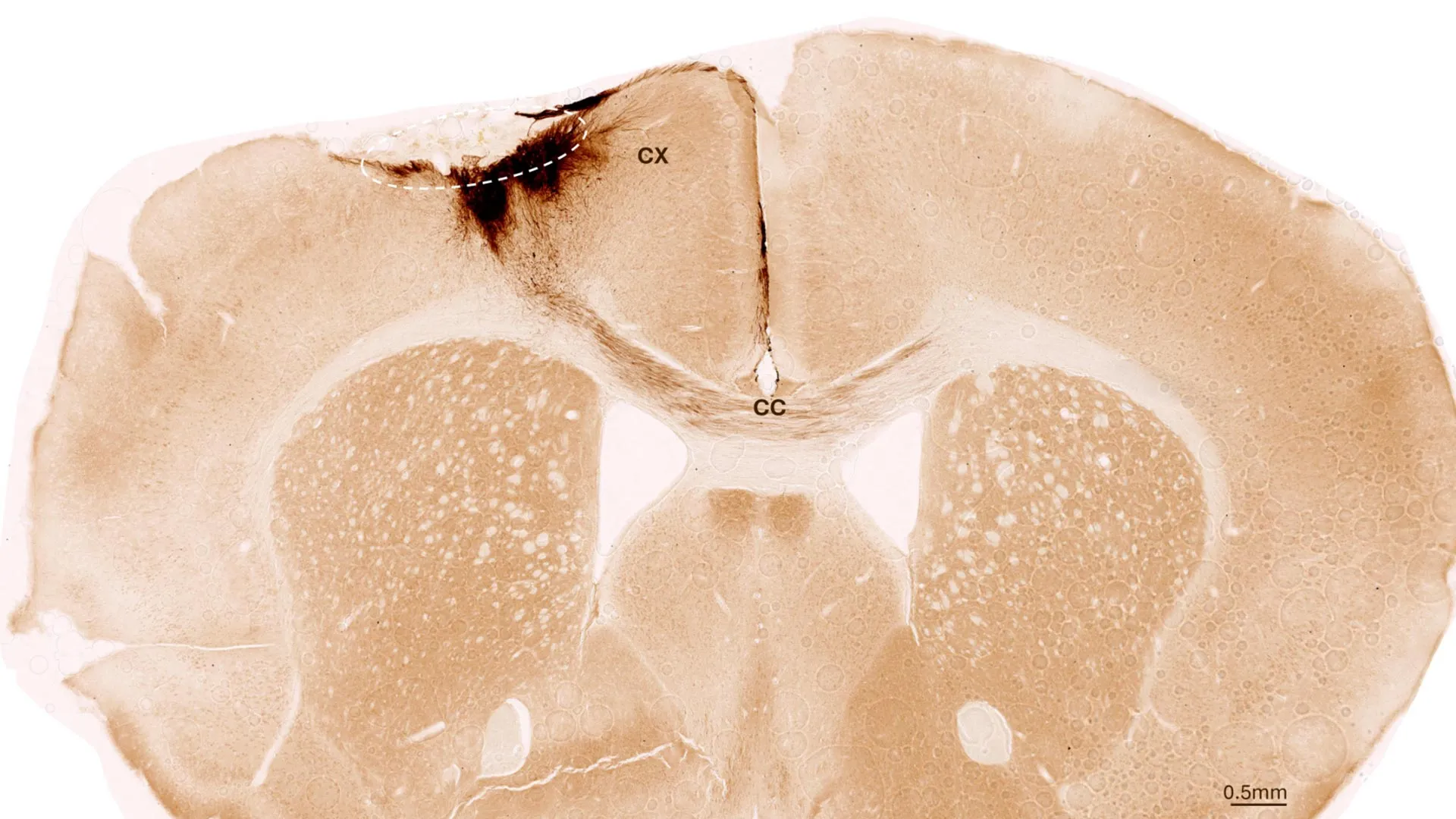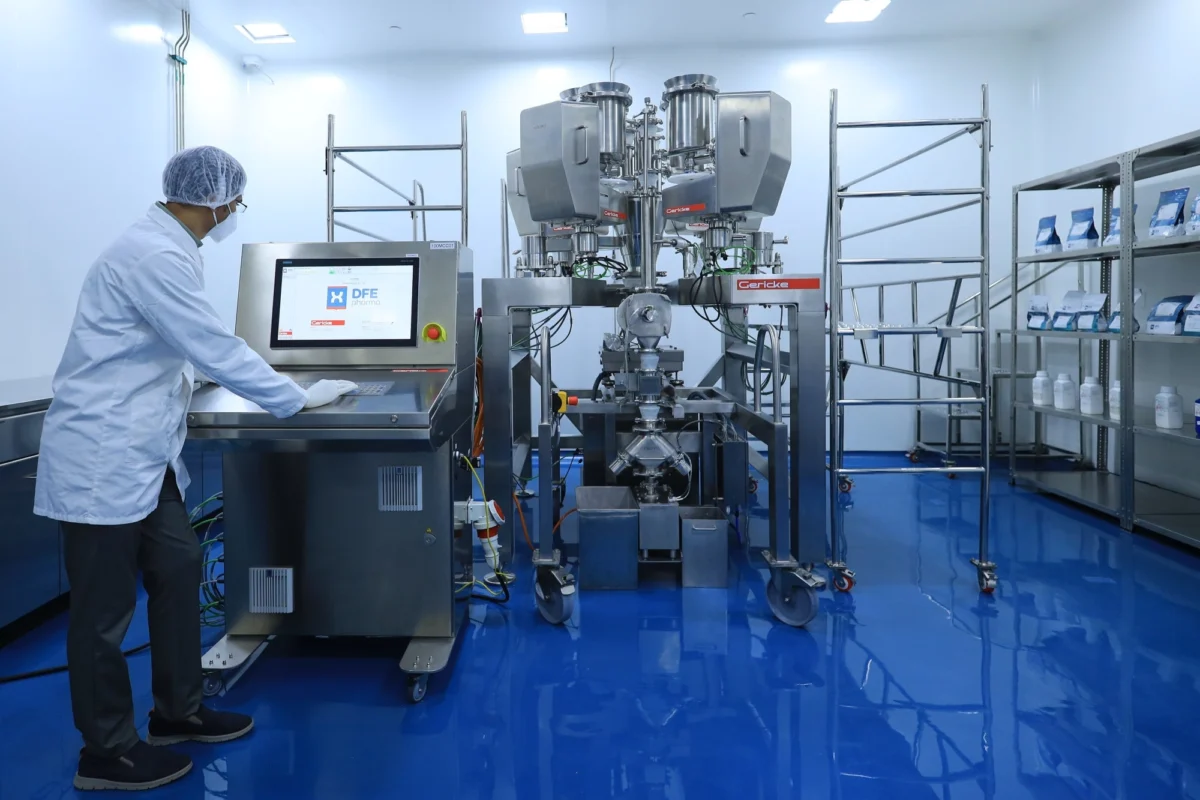
The global pharmaceutical manufacturing sector is undergoing a profound paradigm shift, moving steadily away from traditional batch processing toward continuous manufacturing (CM). This transition promises enhanced operational efficiencies, tighter process monitoring, reduced material handling, and minimized hold steps. However, realizing these theoretical advantages depends heavily on how effectively early-stage material science, formulation design, and equipment parameters are integrated. In response to these complex integration hurdles, DFE Pharma has introduced a comprehensive Continuous Manufacturing platform designed to streamline feasibility assessments, optimization pathways, and long-term lifecycle management for drug developers worldwide.
The core challenge facing pharmaceutical engineers today centers on predictability: determining whether a specific formulation can maintain structural and chemical consistency under continuous operating conditions. Unlike batch manufacturing, where distinct steps allow for intermediate testing and quality adjustments, continuous lines link multiple unit operations—such as feeding, blending, and tableting—into a single, uninterrupted stream. According to international regulatory guidelines, specifically ICH Q13, any disturbance or fluctuation in one part of an integrated CM system can directly impact upstream or downstream operations. This operational interdependence places extraordinary emphasis on understanding the subtle relationships between raw material attributes, mechanical process parameters, and final product quality.
Industry analysts and technical experts note that variables such as powder flowability, bulk density, particle-size distribution, feeding consistency, and blend uniformity play a decisive role in continuous line performance. These factors do not act in isolation; their impact is governed by the specific equipment configuration, formulation composition, and operating window utilized. Consequently, a drug formulation that performs impeccably in a traditional batch environment cannot be assumed to translate seamlessly to a continuous manufacturing setup without rigorous empirical evaluation.
Recognizing these industry-wide bottlenecks, DFE Pharma’s strategic initiative brings together specialized excipients, a state-of-the-art testing environment, and multidisciplinary scientific expertise. The platform aims to demystify CM adoption by allowing manufacturers to test assumptions, evaluate material behavior, and gather robust data before making significant capital investments in commercial-scale equipment or dedicated facilities.
Understanding the Chronology and Evolution of Continuous Manufacturing in Pharma
To contextualize the current industry push toward continuous manufacturing, one must examine the regulatory and technological evolution that has shaped modern pharmaceutical production over the past two decades. Historically, batch processing was the undisputed gold standard for drug manufacturing, favored by regulatory bodies and manufacturers alike due to its familiar, compartmentalized nature. Each step—granulation, drying, blending, and compression—was treated as an isolated event, with extensive quality control testing performed between phases.
However, throughout the late 2000s and early 2010s, regulatory agencies including the US Food and Drug Administration (FDA) began actively encouraging the pharmaceutical industry to modernize its manufacturing technology. The motivation was clear: batch processing is prone to scale-up issues, higher energy consumption, larger facility footprints, and increased waste. Continuous manufacturing offered a compelling alternative, promising higher product quality, real-time release testing, and agile supply chains capable of responding rapidly to fluctuating market demands.
Despite these clear benefits, adoption rates initially lagged. Pharmaceutical companies faced a steep learning curve regarding equipment integration, real-time analytics, and regulatory compliance. The lack of harmonized global regulatory standards further complicated matters, leaving many manufacturers hesitant to commit capital to unproven operational models.
A major turning point occurred with the formal adoption and harmonization of the ICH Q13 guideline on continuous manufacturing. By providing a clear, internationally recognized regulatory framework for the development, implementation, operation, and lifecycle management of CM systems, ICH Q13 gave manufacturers the confidence to invest in continuous technologies. Concurrently, equipment vendors and raw material suppliers began collaborating more closely to bridge the gap between machinery design and excipient science. The launch of advanced platform initiatives by specialized material suppliers like DFE Pharma represents the latest phase in this chronological evolution, shifting the industry from theoretical exploration to practical, risk-mitigated implementation.
The Critical Role of Excipient Science in Continuous Systems
Material selection stands as one of the most critical foundational decisions in any continuous manufacturing development program. In a continuous line, excipients must do more than simply act as inert carriers for active pharmaceutical ingredients (APIs); they must actively support stable, uninterrupted feeding, reproducible processing, and robust mechanical performance over extended periods of operation.
In conventional batch production, minor variabilities in raw materials can often be masked or manually compensated for during processing steps. Conversely, continuous systems operate on a compressed time scale, meaning that material inconsistencies—such as segregation, bridging in the feeder, or fluctuating bulk density—can become visible and problematic much faster. These variations can quickly destabilize the state of control, leading to out-of-specification products or costly line stoppages.
To mitigate these risks, DFE Pharma has curated a differentiated portfolio of excipients specifically characterized to support continuous manufacturing processes. Rather than marketing an excipient as universally "CM-ready"—a designation industry experts consider misleading—the company focuses on evaluating whether a material’s specific attributes and functional performance align with the operational demands of a given formulation and equipment setup.
By analyzing critical material attributes (CMAs) and understanding excipient-process interactions, formulation scientists can proactively design robust formulations that withstand the mechanical stresses of continuous feeding and blending. This deep material insight forms the backbone of an effective control strategy, ensuring that variability is anticipated and managed before scaling up to Good Manufacturing Practice (GMP) environments.
Bridging the Gap: The Closer to the Formulator (C2F) Center of Excellence
One of the most persistent barriers to continuous manufacturing adoption for small- and medium-sized pharmaceutical enterprises—and even large multinational drug developers—is access to suitable infrastructure. Building a dedicated pilot-scale continuous manufacturing line requires substantial capital expenditure. More importantly, conducting exploratory trials on commercial GMP lines is often logistically impossible due to strict validation requirements, cleaning validation overheads, and the need to maintain uninterrupted commercial production schedules.
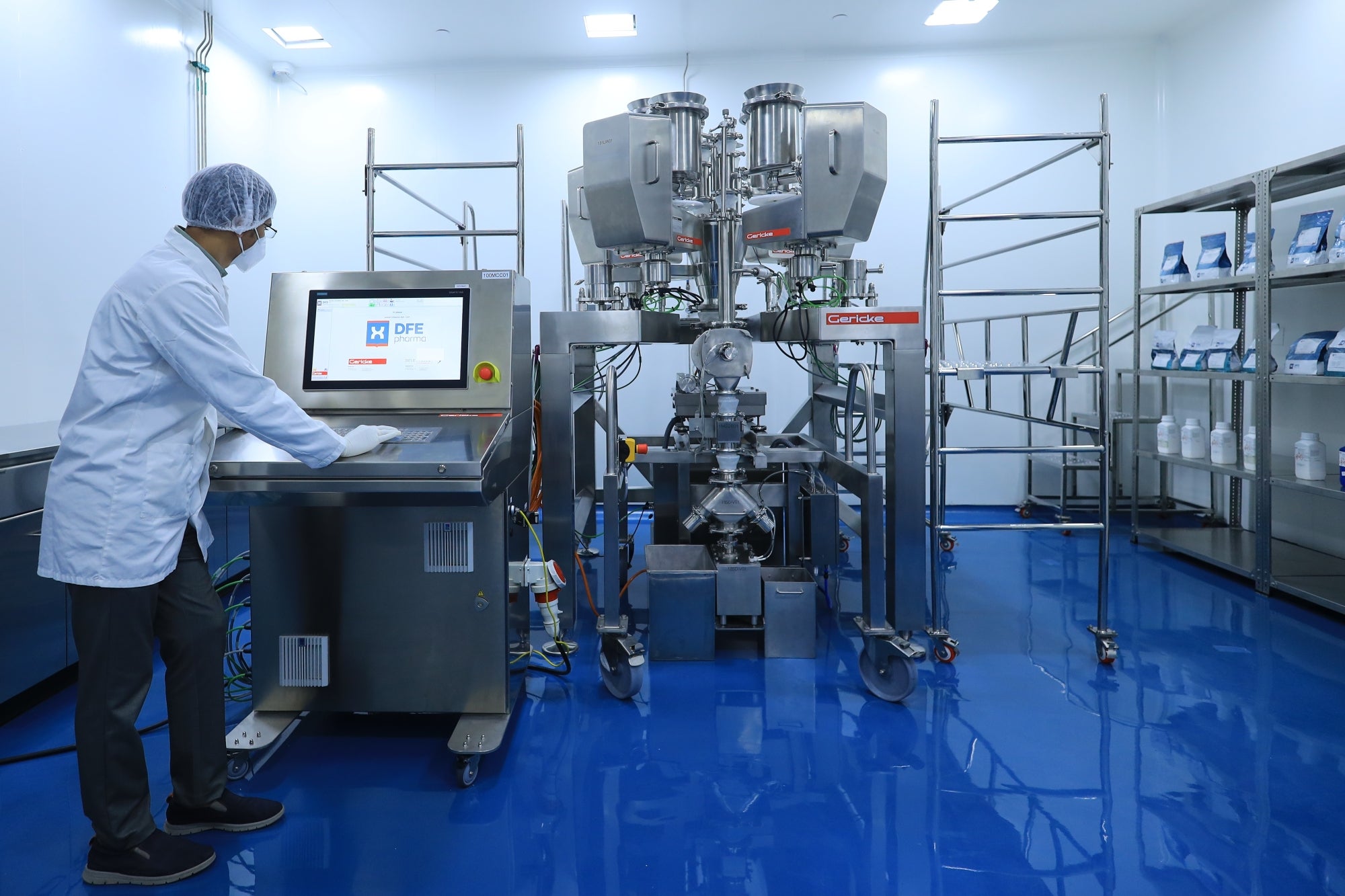
To address this challenge, DFE Pharma integrated advanced continuous manufacturing capabilities into its Closer to the Formulator (C2F) Center of Excellence located in Hyderabad, India. This facility provides a dedicated, non-GMP testing environment where pharmaceutical manufacturers can evaluate formulation behavior, test process assumptions, and experiment with different operating parameters without disrupting active commercial operations.
The setup features a sophisticated Gericke Formulation Skid equipped with modular feeding and blending options. This equipment allows development teams to conduct rapid iterations, assess powder behavior under various feeding rates, and study the interactions between raw material properties and downstream processing units. Furthermore, the broader infrastructure of the C2F Center provides comprehensive access to pre-blending, tableting, and advanced analytical capabilities, creating a holistic ecosystem for formulation troubleshooting and optimization.
Industry experts emphasize the immense value of generating empirical evidence during these early phases. By identifying promising formulations, clarifying areas requiring further scientific investigation, and eliminating technical uncertainties, manufacturers can significantly de-risk subsequent technology transfer and commercial manufacturing phases.
Transforming Complex Development Data into Actionable Decisions
Developing a robust continuous manufacturing process generates vast amounts of complex, high-frequency data—from feeder mass flow rates and torque measurements to blend homogeneity metrics and near-infrared (NIR) spectroscopy readings. However, the true value of this data lies not in its volume, but in how effectively it is interpreted and translated into actionable engineering and regulatory decisions.
DFE Pharma’s CM platform addresses this data-interpretation challenge by combining deep expertise in formulation science, process understanding, analytical chemistry, and variability science. This multidisciplinary capability is further strengthened through technical collaborations with equipment leaders like Gericke, whose extensive experience in continuous feeding and blending technology complements the material science expertise of DFE Pharma.
This collaborative, cross-functional perspective enables drug developers to tackle several complex tasks simultaneously: refining formulation compositions, defining precise operating windows, assessing the impact of raw material variability, and interpreting real-time development data to establish a sound control strategy.
From a regulatory standpoint, this robust data generation directly aligns with the lifecycle management principles outlined in ICH Q13. Modern regulatory submissions require a transparent, science-based rationale for material selection, equipment configuration, operating ranges, and control measures. By anchoring regulatory readiness in thorough development evidence, manufacturers can build stronger dossiers that satisfy global health authorities, thereby accelerating approval timelines and ensuring sustained commercial compliance.
Strategic Implications and Future Outlook for Pharmaceutical Manufacturing
As the pharmaceutical industry continues its methodical transition toward continuous manufacturing, the competitive advantage will undoubtedly belong to organizations that prioritize early integration of material science, process engineering, and regulatory strategy. Waiting until late-stage development or commercial scale-up to address material-process interactions is no longer a viable strategy in an era defined by stringent quality standards and economic pressures.
Initiatives like DFE Pharma’s Continuous Manufacturing platform illustrate how the supply chain ecosystem is evolving to support drug developers through these complex technological transitions. By merging CM-characterized excipients, risk-free non-GMP testing facilities, and applied scientific expertise, such platforms empower manufacturers to systematically reduce uncertainty and optimize decision-making across the entire product lifecycle.
Pharmaceutical manufacturers currently exploring the feasibility of continuous manufacturing, or those seeking to optimize established continuous lines, are actively engaging with industry specialists to discuss formulation hurdles and process performance metrics. Platforms showcasing these integrated solutions provide a vital roadmap for the future, proving that successful CM adoption relies as much on understanding the fundamental behavior of powders as it does on the advanced machinery that processes them.