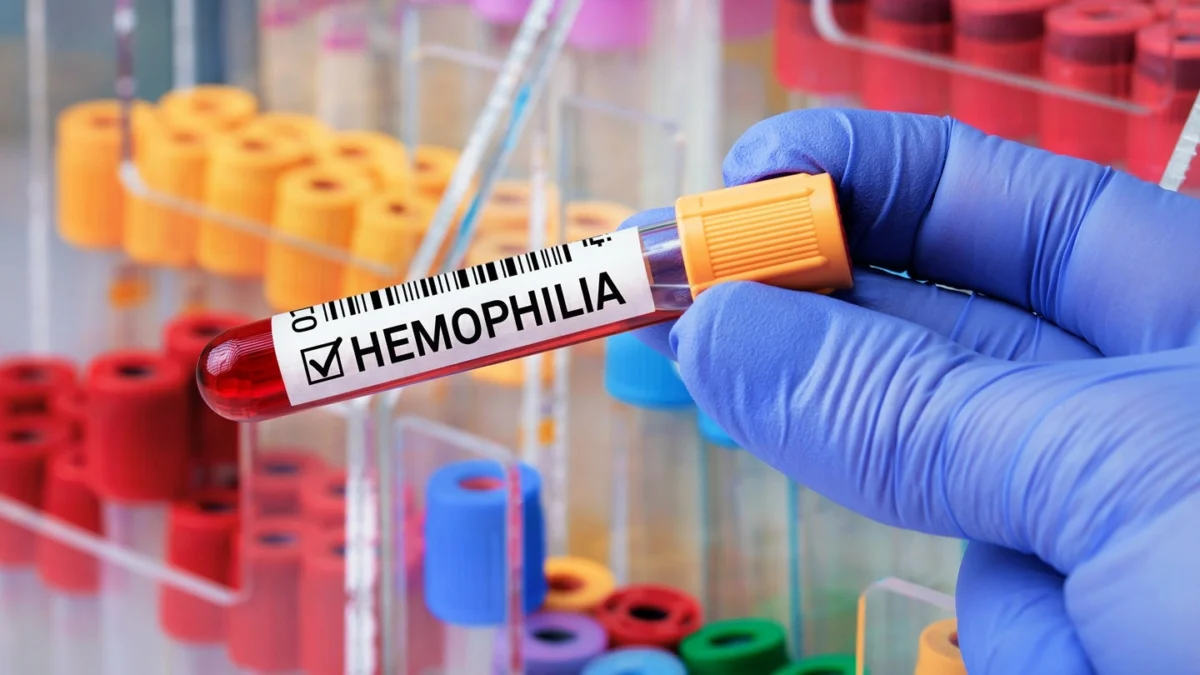
The global pharmaceutical landscape is undergoing a significant shift toward expanded accessibility for complex biologic therapies, highlighted by a major strategic alliance between Sandoz and mAbxience. The two companies have officially finalized a comprehensive licensing, development, manufacturing, and commercialization agreement centred on a proposed biosimilar candidate referencing Hemlibra (emicizumab). This early-stage development asset is designed to target haemophilia A, a debilitating genetic bleeding disorder that affects thousands of patients globally.
Under the terms of the newly minted pact, mAbxience will spearhead the scientific development and large-scale production of the biosimilar candidate. Operations will be anchored at the company’s cutting-edge, Good Manufacturing Practice (GMP)-certified facilities located in Argentina and Spain. Meanwhile, Sandoz—a global leader in generic and biosimilar pharmaceuticals—will secure exclusive worldwide commercialization rights to the product, with specific geographic exceptions. Financial details regarding the transaction remain strictly confidential between the collaborating entities.
This alliance marks a critical milestone for both organizations. For Sandoz, the project represents the very first haemophilia-focused medicine to enter its rapidly expanding biosimilar pipeline. For mAbxience, a prominent biopharmaceutical player majority-owned by Fresenius Kabi with a partial stake held by Insud Pharma, the agreement significantly broadens its rare-disease portfolio to formally encompass haemophilia A. By pairing mAbxience’s robust biomanufacturing and development infrastructure with Sandoz’s massive commercial footprint, the partnership aims to disrupt a lucrative therapeutic market once the reference product loses market exclusivity.
Understanding Haemophilia A and the Economic Weight of Emicizumab
To fully grasp the magnitude of this pharmaceutical collaboration, one must examine the clinical and economic landscape of haemophilia A. Haemophilia A is a hereditary, X-linked genetic disorder driven by the deficiency or structural defect of factor VIII, an essential blood-clotting protein. Without adequate levels of factor VIII, individuals suffer from prolonged spontaneous or traumatic bleeding episodes, which can lead to chronic joint damage, debilitating pain, and life-threatening hemorrhages. According to industry data shared by the partnering companies, haemophilia A accounts for roughly 80% of all global haemophilia cases.
For years, the standard of care involved frequent intravenous infusions of plasma-derived or recombinant factor VIII concentrates. However, the introduction of Roche and Chugai Pharmaceutical’s Hemlibra (emicizumab) transformed the treatment paradigm. Hemlibra is a bispecific factor IXa- and factor X-directed antibody designed to bridge the gap created by missing factor VIII, offering subcutaneous administration and significantly reduced bleeding frequency.
The clinical success of Hemlibra has translated into immense commercial success. Market analysts estimate that the reference medicine currently commands global sales of approximately $5.7bn. Because biologics of this complexity are exceptionally costly to manufacture and maintain, patients often face steep financial barriers to access. The arrival of a proposed biosimilar championed by established global players like Sandoz and mAbxience introduces the promise of future market competition, which public health advocates and healthcare systems hope will eventually drive down costs and widen global patient access.
Operational Blueprint: Division of Labor Across Continents
The execution of the development and commercialization agreement relies heavily on a specialized division of labor that leverages the core competencies of both Sandoz and mAbxience.
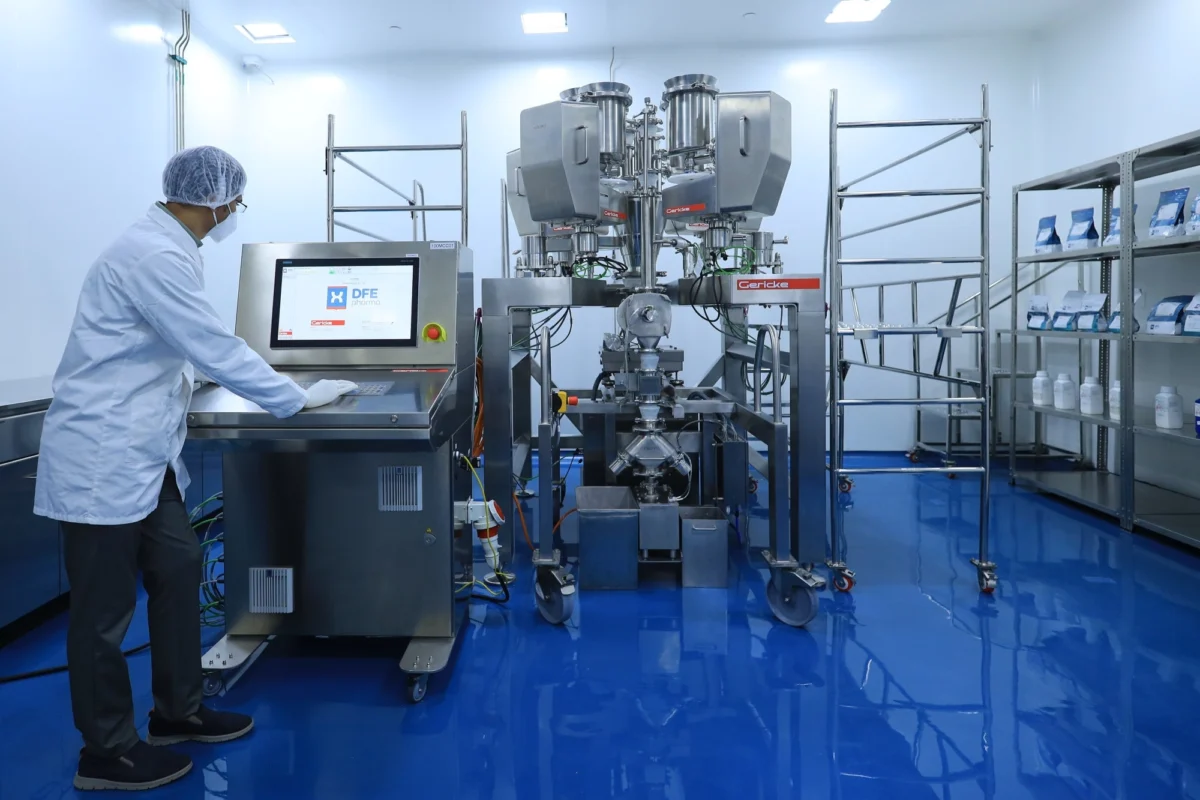
mAbxience will take full operational ownership of the early-stage development phase, applying its specialized expertise in cell-line development, process optimization, and analytical characterization. Once the biosimilar candidate advances through preclinical and clinical phases, production will be managed across mAbxience’s specialized manufacturing network. The company has designated its GMP-approved facilities in Argentina and Spain as the primary manufacturing hubs for the project. These facilities are built to meet stringent international regulatory standards, ensuring that the complex monoclonal antibody is produced with the rigorous consistency, purity, and safety demanded of modern biosimilars.
On the commercial front, Sandoz will utilize its expansive global infrastructure. Sandoz has been granted exclusive global commercialization rights for the emicizumab biosimilar, with the explicit exclusion of Argentina, Paraguay, and Uruguay—markets where local commercial footprints or alternative arrangements may apply. Sandoz’s established market access teams, regulatory navigation experts, and distribution networks position the company to rapidly scale commercialization once the product secures regulatory approvals in major global jurisdictions, including the US, Europe, and key emerging markets.
Official Responses and Leadership Perspectives
Executives from both organizations have expressed immense optimism regarding the long-term potential of the partnership, emphasizing how the collaboration aligns with their overarching corporate strategies.
Jurgen Van Broeck, Chief Executive Officer of mAbxience, highlighted the validation that this agreement brings to his company’s technological platform and workforce. "This agreement with Sandoz represents a significant recognition of mAbxience’s development and manufacturing platform and the expertise of our teams," Van Broeck stated. He further noted that the alliance bridges complementary strengths, stating, "This agreement combines our capabilities with Sandoz’s global biosimilars reach and provides a clear pathway to broaden access to treatment for patients living with haemophilia A."
Van Broeck also contextualized the deal within mAbxience’s broader commercial strategy. "It also reinforces our strategy of combining world-class development and manufacturing capabilities with selected commercial partnerships that can help accelerate patient access to high-quality biologic medicines worldwide," he added.
Sandoz leadership similarly views the collaboration as a strategic cornerstone for its biosimilar division. By integrating a rare-disease therapeutic into its pipeline, Sandoz continues to diversify its portfolio beyond oncology, immunology, and endocrinology. Industry observers note that the partnership reinforces Sandoz’s aggressive pursuit of high-value, complex biosimilar assets designed to capture market share as legacy biologics approach patent expirations.
Corporate Profiles of the Collaborating Entities
To understand the operational capacity behind this multi-million-dollar endeavor, it is necessary to examine the corporate profiles and recent trajectories of both mAbxience and Sandoz.
Headquartered in Spain, mAbxience operates as a premier biopharmaceutical enterprise specializing in the development, production, and commercialization of high-quality biosimilars. The company is majority-owned by Fresenius Kabi—a global healthcare company specializing in lifesaving medicines and technologies for infusion, transfusion, and clinical nutrition—while Insud Pharma retains a significant partial stake.
mAbxience operates via a robust business-to-business (B2B) model, boasting a commercial presence in more than 100 markets worldwide. The company relies on a vast network of over 40 strategic partners and employs a highly skilled workforce exceeding 1,300 professionals. Its diverse pipeline spans numerous critical therapeutic categories, including bone diseases, immunology, and oncology. Beyond its proprietary pipeline, mAbxience offers comprehensive contract development and manufacturing organization (CDMO) services, positioning itself as a trusted partner for global pharmaceutical corporations seeking reliable bioproduction capabilities.
Sandoz, meanwhile, operates as a global titan in generic pharmaceuticals and biosimilars. Following its spin-off from Novartis, Sandoz has intensified its strategic focus on expanding its biosimilar portfolio through targeted acquisitions, licensing agreements, and joint ventures. The collaboration with mAbxience follows closely on the heels of another major strategic move: just last month, Sandoz entered into a high-profile collaboration agreement with Shanghai Henlius Biotech aimed at developing a separate slate of innovative biosimilars to capitalize on upcoming industry patent voids.
Broader Market Impact and Industry Implications
The Sandoz-mAbxience partnership arrives at a pivotal juncture for the global pharmaceutical sector. As healthcare expenditures continue to soar, governments, payers, and healthcare providers globally are placing unprecedented emphasis on sustainable healthcare solutions. Biologics—while revolutionary in treating complex, chronic, and rare diseases—represent an outsized proportion of total drug spending. Biosimilars offer a proven mechanism to introduce market competition, lower drug acquisition costs, and alleviate financial pressures on national healthcare systems.
By targeting a high-value rare disease asset like an emicizumab biosimilar, the partnership signals a maturation of the biosimilar market. Historically, early biosimilar development focused primarily on high-volume oncology and immunology blockbusters. Today, developers are increasingly turning their attention toward complex specialty care areas and rare diseases, where patient populations are smaller, but clinical needs are acute and treatment costs are exceptionally high.
Furthermore, the geographic division of the partnership highlights the globalization of biopharmaceutical development and supply chains. By utilizing advanced manufacturing facilities in Argentina and Spain, mAbxience demonstrates that world-class biomanufacturing is no longer confined to traditional pharmaceutical hubs in North America and Northern Europe. This diversified manufacturing footprint helps insulate the supply chain against regional disruptions, ensuring a more resilient flow of critical medicines to international markets.
Looking Ahead: Development Timelines and Regulatory Hurdles
While the agreement establishes a clear framework for development and commercialization, the emicizumab biosimilar candidate remains in the early stages of development. Bringing a complex monoclonal antibody from early-stage design through analytical characterization, preclinical testing, and extensive clinical trials is a rigorous, multi-year endeavor.
mAbxience and Sandoz will need to navigate a complex regulatory landscape. Regulatory authorities such as the US Food and Drug Administration (FDA) and the European Medicines Agency (EMA) demand extensive analytical, non-clinical, and clinical data to prove that a proposed biosimilar is highly similar to the reference product in terms of safety, purity, and potency, with no clinically meaningful differences.
Nevertheless, given the combined scientific pedigree of mAbxience’s development teams and Sandoz’s unmatched regulatory and commercial expertise, the partnership possesses the necessary tools to advance the candidate through the clinical pipeline. As the project progresses, healthcare providers, patient advocacy groups, and industry analysts will closely monitor clinical milestones, anticipating a future where more affordable, high-quality therapeutic alternatives become accessible to haemophilia A patients worldwide.