Researchers at King’s College London and the UK Dementia Research Institute have announced a landmark discovery in the field of neurobiology, identifying a previously unknown biological process named karyoptosis that appears to be a primary driver of neuron loss in Alzheimer’s disease and frontotemporal dementia (FTD). This finding, published in the journal Nature Communications, provides a potential answer to one of the most persistent mysteries in medical science: how exactly the accumulation of toxic proteins leads to the physical destruction of brain cells. By mapping the chemical chain reaction that causes the cell’s nucleus to disintegrate, the study opens a new frontier for therapeutic interventions aimed at slowing or halting the progression of neurodegenerative conditions that currently affect millions of people worldwide.
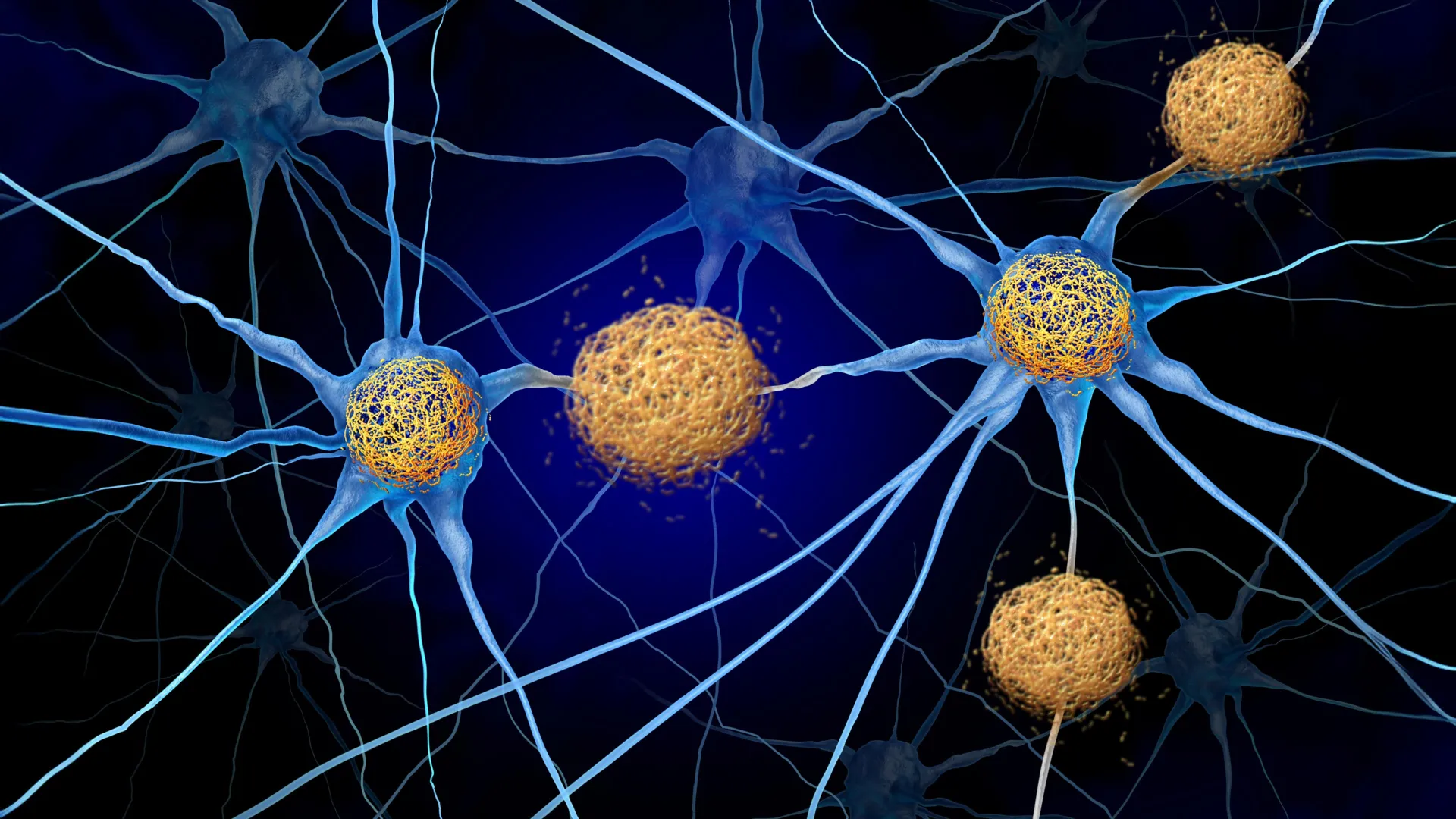
For decades, the scientific community has focused on the "hallmark" proteins of dementia—amyloid-beta and tau in Alzheimer’s, and TDP-43 in FTD and amyotrophic lateral sclerosis (ALS). While it has been well-established that these proteins clump together and become toxic, the specific pathway they use to trigger cell death remained elusive. Traditional models of cell death, such as apoptosis (programmed cell death) and necrosis (accidental cell death resulting from injury), have been studied extensively, yet they failed to fully account for the specific patterns of neuron loss observed in the aging brain. The identification of karyoptosis suggests that neurodegeneration may follow a specialized, slow-acting destructive sequence that is distinct from other known forms of cellular expiration.
The Mechanics of Karyoptosis: A Cellular Collapse
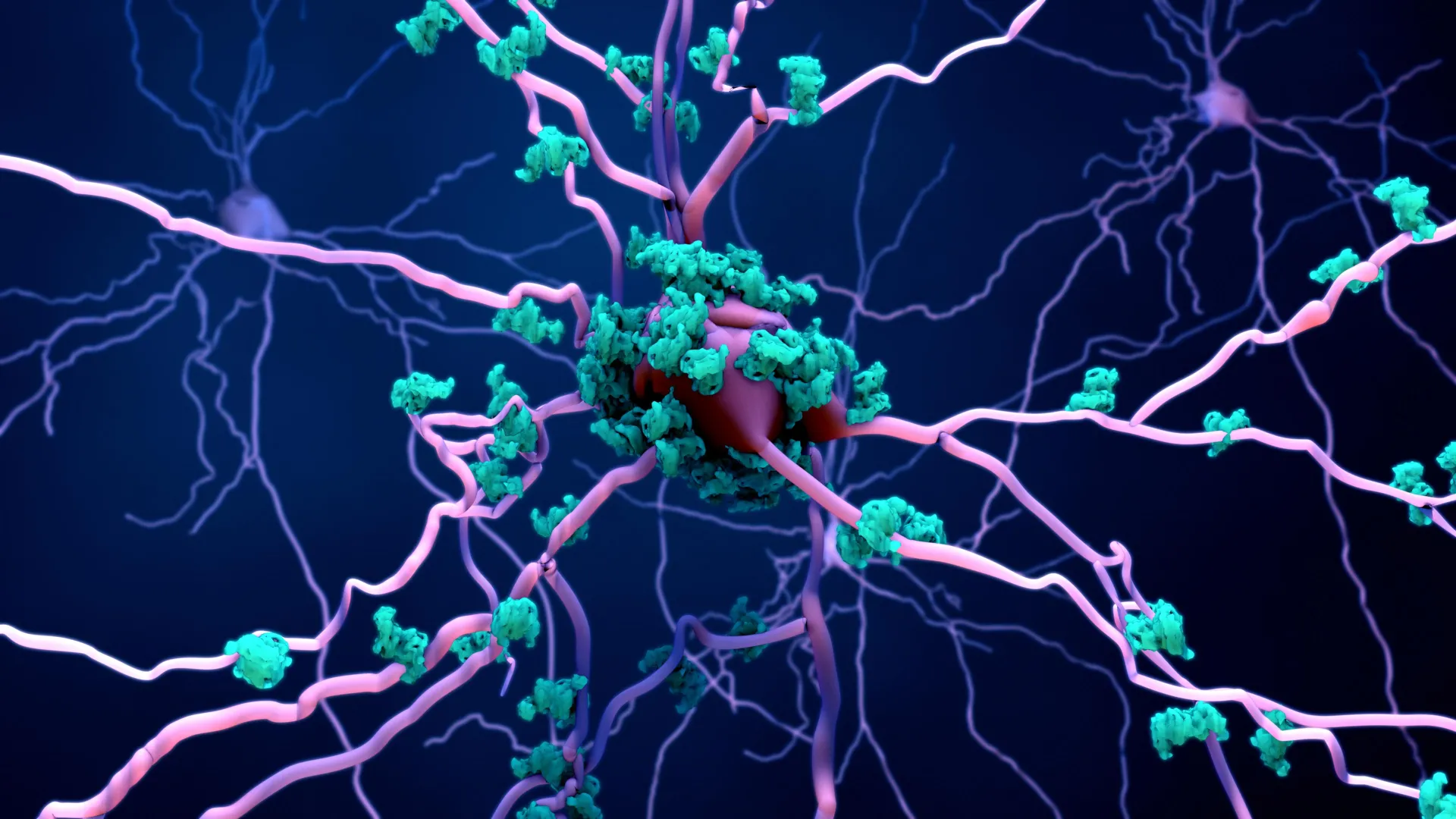
Karyoptosis is defined by the progressive degradation of the cell nucleus, the central command post that houses an organism’s genetic blueprint. In a healthy neuron, the nucleus is protected by a sturdy outer membrane that regulates the flow of information and materials. However, the researchers found that when toxic proteins accumulate within the cell—a state known as proteotoxic stress—the structural integrity of this nuclear envelope is compromised.
The process begins when protein aggregates trigger a series of chemical signals that destabilize the nuclear membrane. As these signals intensify, the nucleus begins to shrivel and shrink. Eventually, the membrane breaks apart entirely, causing the genetic material to leak into the rest of the cell and leading to irreversible cellular failure. This discovery is particularly significant because it highlights a "point of no return" in the life of a neuron. Once the nucleus begins to undergo karyoptosis, the cell can no longer function or repair itself, leading to the cognitive and physical decline characteristic of dementia.
A Decade of Research: From Rare Disorders to Global Health Crises
The discovery of karyoptosis was not an overnight breakthrough but the result of a ten-year investigative journey led by scientists at King’s College London. The research team initially observed this specific form of nuclear breakdown while studying a relatively rare neurodegenerative disease. At the time, it was unclear whether this was a niche biological quirk or a more universal phenomenon.
Over the subsequent decade, the team expanded their scope, utilizing advanced computational tools and high-resolution imaging to search for similar patterns in more common forms of dementia. By applying these techniques to human brain tissue, they were able to confirm that karyoptosis is not just a rare occurrence but a frequent and defining feature of both Alzheimer’s disease and FTD. This transition from studying rare pathology to common disease mechanisms is a classic example of how fundamental biological research can yield insights into major public health challenges.
Supporting Data: Analyzing the Human Brain at a Cellular Level
To validate their findings, the research team conducted an exhaustive analysis of approximately 3,000 individual brain cells. These samples were harvested from the frontal cortex of 28 deceased donors, a group that included individuals who had lived with end-stage Alzheimer’s disease or FTD, as well as a control group of healthy older adults. The frontal cortex was chosen for its critical role in high-level cognitive functions, such as decision-making and personality, which are severely impacted in these diseases.
The data revealed a stark contrast between diseased and healthy brains. In the frontal cortex of patients with Alzheimer’s disease, signs of karyoptosis were detected in 35 percent of the neurons. In contrast, only 15 percent of cells in healthy older adults showed similar markers. This significant disparity suggests that while some nuclear degradation may occur as a part of natural aging, the process is dramatically accelerated and widespread in the presence of neurodegenerative pathology.
Furthermore, the researchers employed sophisticated computational algorithms to distinguish karyoptosis from other forms of cell death. This bioinformatic approach allowed them to map the "transcriptomic signature" of the dying cells, proving that the chemical signals involved in karyoptosis were distinct from those seen in apoptosis or necroptosis. This distinction is vital for drug development, as it ensures that future treatments can be specifically tailored to the correct biological target.
Identifying the Molecular Switches: p38 MAP Kinase and LaminB1
A critical component of the study involved identifying the "molecular switches" that turn on the karyoptosis pathway. Through laboratory experiments using rat neurons, the researchers discovered that the buildup of toxic proteins activates a specific enzyme known as p38 MAP kinase. This enzyme is part of a family of proteins that respond to cellular stress.
In the context of karyoptosis, p38 MAP kinase interacts with LaminB1, a structural protein that provides the "scaffolding" for the nuclear membrane. When p38 becomes overactive due to the presence of toxic protein clumps, it triggers the breakdown of LaminB1. Without this scaffolding, the nucleus loses its shape and eventually collapses.
By introducing inhibitors that blocked the interaction between p38 MAP kinase and LaminB1, the researchers were able to significantly reduce the markers of karyoptosis in laboratory settings. This finding provides a concrete target for pharmaceutical companies. If a drug can be developed to prevent p38 from attacking the nuclear membrane, it could potentially "shield" neurons from the effects of toxic protein accumulation, even if those proteins are already present in the brain.
Official Responses and Expert Commentary
The research has been met with enthusiasm from the global dementia research community. Dr. Manolis Fanto, Reader in Functional Genomics at the Institute of Psychiatry, Psychology and Neuroscience at King’s College London, emphasized the long-term nature of the work. "This study is the culmination of a 10-year journey," Fanto stated. "By specifically targeting the interaction between p38 MAP kinase and LaminB1 we may slow down the process of cell death, buying time for more pinpointed therapies against specific neurodegenerative diseases."
Dr. Rebecca Casterton, Senior Researcher at the UK Dementia Research Institute at King’s and the first author of the paper, highlighted the impact on patient symptoms. "The death and loss of cells in the brain drives many symptoms experienced by people living with dementia," she noted. "We have started to lay out the road map of how karyoptosis works, and I’m excited to see future breakthroughs this may drive."
Representing the funding bodies, Dr. Sara Rodrigues, Senior Research Manager at Alzheimer’s Research UK, pointed out the strategic importance of the discovery. "For decades, we’ve known that toxic proteins build up in Alzheimer’s disease and frontotemporal dementia, but exactly how they lead to the loss of brain cells has remained unclear," Rodrigues said. She added that the identification of karyoptosis "could help widen the window for therapies that tackle the underlying causes of disease, bringing us closer to a cure for dementia."
Broader Implications and Future Research Directions
The identification of karyoptosis represents a paradigm shift in how scientists view the progression of neurodegenerative diseases. For many years, the "Amyloid Cascade Hypothesis" suggested that removing amyloid plaques from the brain would be sufficient to stop Alzheimer’s. However, clinical trials for amyloid-clearing drugs have shown mixed results, often failing to significantly restore cognitive function once cell death has already begun.
The karyoptosis discovery suggests that targeting the cell death process itself may be just as important as targeting the proteins that trigger it. By focusing on the survival of the neuron’s nucleus, researchers may be able to develop "neuroprotective" therapies that keep cells alive longer. This would be especially beneficial for patients in the early stages of the disease, potentially extending their period of independence and high-quality life.
The next phase of this research will involve moving from laboratory models to human clinical trials. This will require the development of small-molecule drugs that can cross the blood-brain barrier and selectively inhibit the p38-LaminB1 interaction without disrupting other essential cellular functions. Additionally, scientists hope to find biomarkers that can detect karyoptosis in living patients, perhaps through advanced PET scans or cerebrospinal fluid analysis, allowing for earlier diagnosis and treatment.
Funding and Institutional Support
The study was a collaborative effort supported by several major scientific organizations. Primary funding was provided by Alzheimer’s Research UK and the Biotechnology and Biological Sciences Research Council (BBSRC) International Partnership. Additional support was contributed by the UK Medical Research Council (MRC) and the UK Dementia Research Institute. This multi-agency backing underscores the perceived importance of the findings in the context of global health.
As the global population ages, the prevalence of dementia is expected to rise sharply, placing an immense burden on healthcare systems and families. The discovery of karyoptosis provides a new, evidence-based "road map" for researchers, offering hope that the next generation of dementia treatments will be more effective than those of the past. By understanding the specific chemistry of how a brain cell dies, science has taken a significant step toward learning how to keep it alive.