

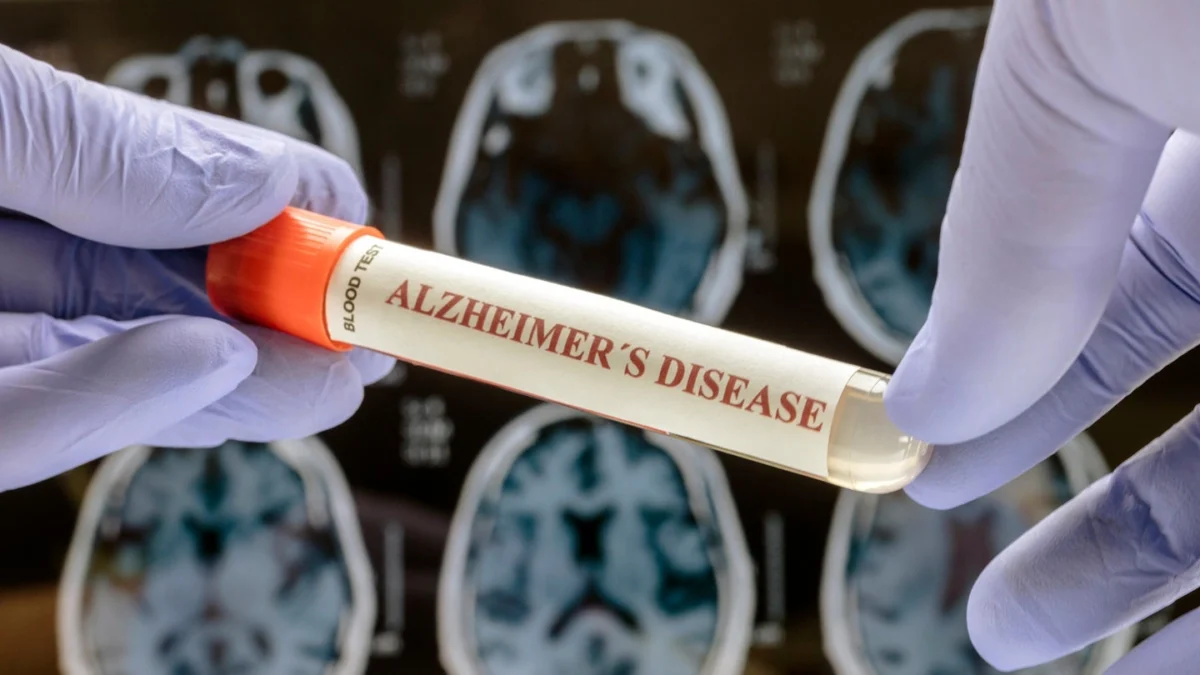
The U.S. Food and Drug Administration (FDA) has granted approval to Axsome Therapeutics’ Auvelity (dextromethorphan HBr and bupropion HCl) for the treatment of agitation associated with dementia due to Alzheimer’s disease. This landmark decision marks the introduction of a first-in-class therapy for a condition that significantly impacts the quality of life for millions of individuals and their caregivers. The approval, which was anticipated following a priority review designation, is based on robust clinical trial data demonstrating the drug’s efficacy and safety.
A New Frontier in Alzheimer’s Agitation Management
Agitation is one of the most challenging and prevalent behavioral and psychological symptoms (BPS) of Alzheimer’s disease, often leading to distress for patients, significant burden on caregivers, and increased healthcare utilization. Historically, treatment options have been limited, with antipsychotic medications frequently used despite concerns about serious side effects, including an increased risk of death in elderly patients with dementia-related psychosis. The approval of Auvelity offers a novel therapeutic approach, targeting a distinct mechanism of action that differentiates it from existing treatments.
Auvelity’s therapeutic mechanism is rooted in its dual action on the central nervous system. The drug comprises dextromethorphan, a low-affinity uncompetitive N-methyl D-aspartate (NMDA) receptor antagonist and sigma-1 receptor agonist, and bupropion, a weak nicotinic acetylcholine receptor agonist and a potent inhibitor of cytochrome P450 2D6 (CYP2D6). While the precise neurobiological pathways through which Auvelity alleviates agitation in Alzheimer’s disease are still under investigation, it is understood that dextromethorphan’s interaction with NMDA and sigma-1 receptors plays a crucial role. Bupropion’s inclusion is instrumental in enhancing dextromethorphan’s bioavailability by inhibiting its metabolic breakdown via CYP2D6, thereby increasing its concentration in the bloodstream and its therapeutic effect.
Clinical Trial Evidence: The Foundation of FDA Approval
The FDA’s decision to approve Auvelity for this indication is a direct result of the compelling data generated from two pivotal Phase III clinical trials: the ADVANCE-1 study and the ACCORD-2 study. These trials were designed to rigorously evaluate the efficacy and safety of Auvelity in patients experiencing agitation associated with Alzheimer’s disease dementia.
ADVANCE-1: Demonstrating Efficacy in a Short-Term Setting
The ADVANCE-1 trial was a five-week, double-blind, parallel-group study that compared the efficacy of Auvelity against a placebo. A third arm, involving bupropion alone, was discontinued early due to futility, underscoring the importance of the combination therapy. The primary endpoint of the study was the change from baseline in the Cohen-Mansfield Agitation Inventory (CMAI) score at week five. The CMAI is a widely recognized and validated scale used to quantify the frequency and severity of agitated behaviors in individuals with dementia.
Results from the ADVANCE-1 study revealed that patients treated with Auvelity demonstrated a statistically significant improvement in reducing agitation symptoms compared to those who received the placebo. This significant reduction in CMAI scores at the five-week mark provided crucial evidence of Auvelity’s ability to effectively manage acute agitation in this patient population. The observed benefits suggest that Auvelity can offer a much-needed therapeutic intervention for individuals experiencing distressing agitation.
ACCORD-2: Sustaining Efficacy and Preventing Relapse
Complementing the findings of ADVANCE-1, the ACCORD-2 study was a long-term, double-blind, randomized withdrawal study. This trial was designed to assess the durability of Auvelity’s effects and its ability to prevent relapse in patients who had previously responded to the treatment. In this study, patients who had shown improvement on Auvelity were randomized to either continue treatment with Auvelity or switch to a placebo.
The ACCORD-2 study demonstrated that patients who continued to receive Auvelity experienced a significantly longer time to relapse of their agitation symptoms compared to those who were switched to placebo. This finding is critically important as it suggests that Auvelity not only provides acute relief from agitation but also offers sustained control, helping to prevent the return of these disruptive behaviors over time. The ability to maintain symptom control is paramount for improving the long-term quality of life for individuals with Alzheimer’s disease and reducing the strain on their caregivers.
Axsome Therapeutics’ Vision and Commitment
The FDA approval represents a significant milestone for Axsome Therapeutics, a company dedicated to developing novel therapies for central nervous system (CNS) disorders. Herriot Tabuteau, CEO of Axsome Therapeutics, expressed his enthusiasm and highlighted the significance of this approval.
"The approval of our first-in-class medication for agitation associated with Alzheimer’s disease marks an important milestone for the millions of patients living with Alzheimer’s disease, their families, and their caregivers," stated Tabuteau. He further emphasized, "We are very pleased to deliver to clinicians and patients a new, effective, FDA-approved treatment option, with a distinct mechanism of action, for this debilitating and critically underserved condition."
Tabuteau also pointed to Axsome’s track record in addressing complex neurological conditions. "Alzheimer’s disease agitation is the second neuropsychiatric indication for which Auvelity has received FDA breakthrough therapy designation, and been granted FDA priority review and approval, underscoring Axsome’s pioneering work in neuroscience and our dedication to people living with serious brain health conditions." The company’s prior success with Auvelity for major depressive disorder further solidifies its position as a leader in developing innovative CNS treatments.
Broader Impact and Stakeholder Reactions
The approval of Auvelity has been met with considerable optimism from organizations dedicated to Alzheimer’s research and advocacy. The Alzheimer’s Association, a leading voluntary health organization in Alzheimer’s care, support, and research, has welcomed this development as a crucial step forward.
Joanne Pike, President and CEO of the Alzheimer’s Association, commented on the significance of the new treatment option. "For too long, people living with Alzheimer’s disease agitation and their families have had limited options, and the options that existed came with significant risks," Pike said. She added, "This approval gives patients, caregivers and clinicians an important new tool – one that works through a different mechanism than antipsychotic medications and that can help address a symptom that profoundly affects quality of life for people living with Alzheimer’s and those who care for them."
This sentiment is echoed by healthcare professionals who frequently manage patients with Alzheimer’s disease. The availability of a drug with a novel mechanism of action that has demonstrated efficacy and a potentially improved safety profile compared to older treatments is a welcome advancement. This could lead to better patient outcomes, reduced caregiver stress, and potentially lower healthcare costs associated with managing agitation and its complications.
Implications for the Future of Alzheimer’s Care
The approval of Auvelity for agitation associated with Alzheimer’s disease has several significant implications for the future of care for this complex neurodegenerative condition:
- Diversification of Treatment Options: The introduction of Auvelity expands the therapeutic armamentarium available to clinicians, offering a much-needed alternative to antipsychotics. This allows for more personalized treatment strategies tailored to individual patient needs and risk profiles.
- Focus on Novel Mechanisms: The success of Auvelity highlights the importance of exploring novel pharmacological targets for the behavioral and psychological symptoms of dementia. This may spur further research into other pathways and drug candidates that could address the multifaceted challenges of Alzheimer’s disease.
- Improved Quality of Life: By effectively managing agitation, Auvelity has the potential to significantly improve the daily lives of individuals with Alzheimer’s disease, enabling them to experience greater comfort and engagement. For caregivers, reduced agitation can translate to decreased stress, improved well-being, and a more manageable caregiving experience.
- Economic Impact: The effective management of agitation can lead to a reduction in hospitalizations, emergency room visits, and the need for intensive care services, potentially contributing to a decrease in overall healthcare expenditures related to Alzheimer’s disease.
The journey of Auvelity from clinical development to FDA approval is a testament to the ongoing efforts in neuroscience research to address unmet medical needs. As the drug becomes more widely available, ongoing pharmacovigilance and real-world evidence will continue to inform its use and further solidify its role in the comprehensive management of Alzheimer’s disease. The approval serves as a beacon of hope for millions affected by this devastating disease, offering a promising new avenue for alleviating a particularly distressing symptom.

















Leave a Reply