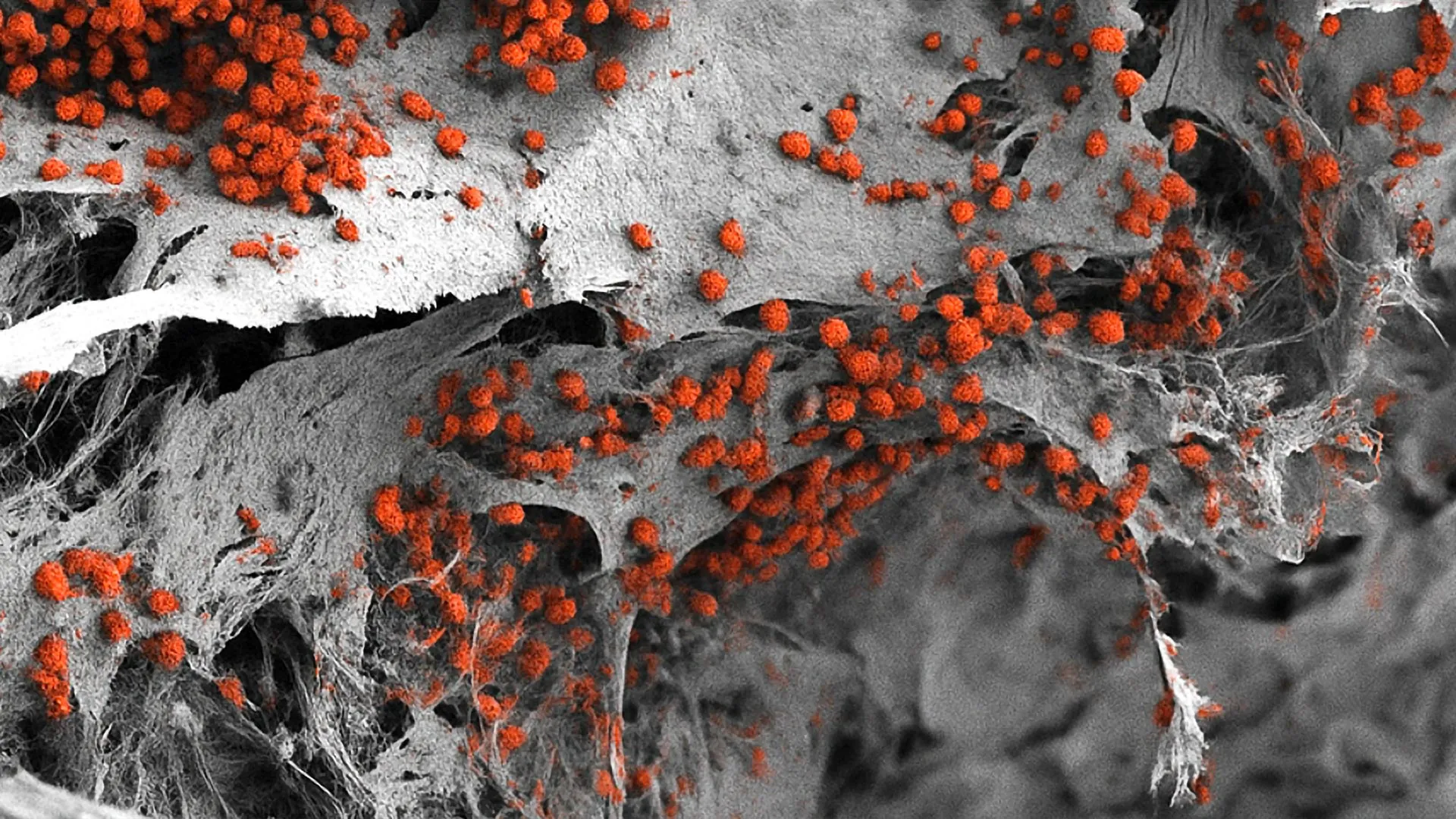
The landscape of hematological oncology is facing a potential paradigm shift following a landmark study by Ludwig Cancer Research, which has identified a novel therapeutic strategy for Acute Myelogenous Leukemia (AML). This aggressive form of blood cancer is notorious for its poor prognosis, with a median survival time following diagnosis of only 8.5 months. By dismantling the biological barriers that prevent cancer cells from maturing, researchers have opened a new door for treatments that could significantly extend the lives of patients who currently have few effective options.
The Biological Foundation of Acute Myelogenous Leukemia
To understand the significance of this discovery, one must first look at the underlying pathology of AML. While the disease is genetically heterogeneous—meaning it presents with a wide variety of mutations across different patients—it is defined by a singular, devastating feature: the impaired differentiation of myeloid progenitor cells.
In a healthy body, the bone marrow acts as a factory, producing immature progenitor cells that eventually differentiate into various types of mature blood cells, including red blood cells, platelets, and infection-fighting white blood cells. This process, known as hematopoiesis, is essential for survival. In AML patients, this process is hijacked. A "differentiation block" occurs, causing the bone marrow to become crowded with immature, non-functional leukemic blasts. These cells fail to mature, eventually spilling into the bloodstream and preventing the production of healthy blood cells. This leads to the hallmark symptoms of the disease: severe anemia, susceptibility to life-threatening infections, and uncontrolled bleeding.
A Legacy of Epigenetic Discovery
The breakthrough, recently published in the journal Nature, is the culmination of decades of research into the epigenetic mechanisms of cancer. The study was co-led by Yang Shi and Amir Hosseini of Ludwig Oxford, with significant contributions from Abhinav Dhall at Harvard Medical School and collaborators from the University of Pennsylvania and the University of Helsinki.
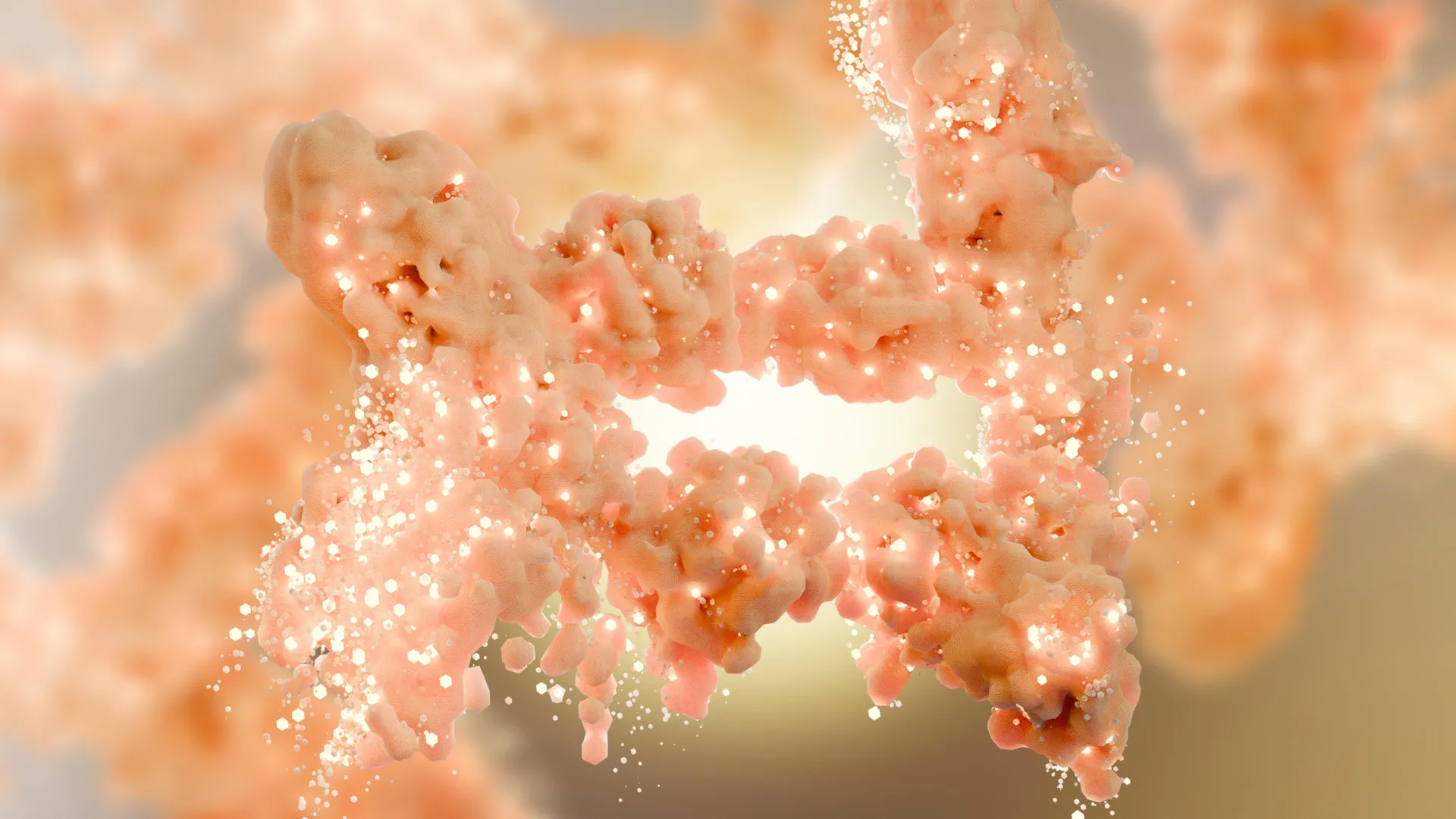
Yang Shi’s involvement is particularly noteworthy. In 2004, Shi discovered LSD1 (Lysine-specific demethylase 1), the first enzyme found to "erase" methyl groups from histones—the proteins around which DNA is wrapped. This discovery revolutionized the field of epigenetics, showing that gene expression is not a static blueprint but a dynamic process regulated by chemical modifications.
In the context of AML, LSD1 is often overexpressed. It functions as a guardian of the "stem-like" state of leukemic cells, effectively keeping the differentiation "brake" pressed down. By maintaining these cells in an immature state, LSD1 allows the cancer to proliferate indefinitely. While pharmaceutical companies have developed LSD1 inhibitors in the past, their clinical utility has been hampered by toxicity issues when used as a monotherapy, particularly concerning the depletion of healthy blood platelets.
The Search for Synergy: Identifying GSK3 as a Partner
Recognizing the limitations of using LSD1 inhibitors alone, the research team sought a "synergistic" partner—a second drug that could amplify the anti-cancer effects of LSD1 inhibition while allowing for lower, less toxic dosages.
Using mouse leukemic cells, the team conducted a high-throughput screen of various molecular compounds. Their search led them to an inhibitor of the GSK3α/β (Glycogen Synthase Kinase 3) enzyme. GSK3 is a well-known regulator in several signaling pathways, most notably the WNT signaling pathway, which is frequently dysregulated in various cancers.
The combination of a low-dose LSD1 inhibitor and a GSK3 inhibitor produced a striking result in laboratory cultures. The dual-action treatment simultaneously activated the genes responsible for driving cell differentiation and suppressed the genes that promote rapid cell proliferation. This "push-pull" mechanism effectively forced the leukemic cells to grow up and stop dividing, mirroring the natural lifecycle of healthy cells.
Preclinical Success and Selective Targeting
The transition from cell cultures to living models provided further validation. The researchers tested the combination therapy on mice engrafted with human AML cells. The results demonstrated that the treatment not only induced the differentiation of the human leukemic cells but also significantly extended the survival of the subjects.
Perhaps the most critical finding for future clinical application was the treatment’s selectivity. One of the primary hurdles in chemotherapy is the "scorched earth" effect, where the treatment kills healthy cells along with cancerous ones. However, this drug combination appeared to selectively target leukemic stem cells while leaving healthy hematopoietic (blood-forming) stem cells largely untouched. This selectivity suggests a much wider therapeutic window and a lower risk of the severe side effects that often force patients to discontinue treatment.
Furthermore, the team observed that the gene expression signature—the specific pattern of genes turned on or off—induced by this therapy in the lab closely matched the gene expression patterns seen in rare AML patients who naturally have longer survival rates. This correlation provides a strong biological rationale for the efficacy of the treatment in humans.
Historical Context: The Precedent of APL
The strategy of "differentiation therapy" is not entirely new, but its application has been limited. The most successful precedent is found in a specific subtype of AML called Acute Promyelocytic Leukemia (APL).
Historically, APL was one of the most fatal forms of leukemia. However, researchers discovered that a combination of all-trans retinoic acid (ATRA) and arsenic trioxide could bypass the differentiation blockade specific to APL. Today, this combination cures approximately 95% of APL cases, often without the need for traditional, high-dose chemotherapy.
For years, oncologists have sought a similar "magic bullet" for other subtypes of AML, which account for the vast majority of cases. The discovery by the Ludwig Cancer Research team represents the most promising lead in decades toward achieving a similar success rate for a broader spectrum of AML patients.
Timeline of the Discovery and Path to Clinical Trials
The journey to this discovery can be viewed through a 20-year chronology of epigenetic research:
- 2004: Yang Shi identifies LSD1, establishing the field of histone demethylation.
- 2010s: LSD1 is identified as a key driver in maintaining leukemic stem cells; the first generation of LSD1 inhibitors enters clinical trials but faces challenges with toxicity.
- 2020-2023: The international collaboration between Oxford, Harvard, Penn, and Helsinki begins intensive screening for synergistic partners.
- 2024: The team publishes their findings in Nature, detailing the success of the LSD1 and GSK3 inhibitor combination.
The next phase involves moving this combination into human clinical trials. A significant advantage for this specific research is that both LSD1 and GSK3 inhibitors are already being evaluated in various stages of clinical trials for other indications. Because these drugs have already undergone initial safety testing in humans, the path to a combined Phase I/II trial for AML patients is significantly shortened.
Broader Implications for Oncology
The implications of this study may extend beyond the realm of blood cancers. The researchers noted that the molecular re-wiring observed during the treatment could be relevant for other malignancies driven by the overactivation of the WNT signaling pathway. This includes certain types of colorectal, pancreatic, and liver cancers.
By proving that it is possible to "re-program" a cancer cell’s identity rather than simply trying to poison it, the study reinforces the growing field of epigenetic therapy. This approach focuses on the software of the cell (gene expression) rather than just the hardware (DNA mutations), offering a more nuanced and potentially more effective way to combat complex diseases.
Expert Reactions and Industry Impact
While the research is currently in the preclinical stage, the oncology community has reacted with cautious optimism. Hematologists have long pointed to the "8.5-month barrier" as one of the most frustrating statistics in cancer care.
"The ability to target the differentiation block without destroying the patient’s entire blood-forming system is the holy grail of AML treatment," says one independent analyst. "If these preclinical results translate to humans, we are looking at a fundamental change in the standard of care."
The study received broad support from major international health organizations, including the National Institutes of Health (NIH), the Research Council of Finland, and Cancer Research UK. This level of international backing underscores the global priority placed on solving the AML crisis.
As the medical community awaits the commencement of clinical trials, the focus remains on the potential to transform AML from a rapid death sentence into a manageable, or even curable, condition. The work of Shi, Hosseini, and their colleagues stands as a testament to the power of collaborative, fundamental science in tackling the most aggressive challenges in human health.