For decades, the medical and scientific communities have understood that maternal age is a primary factor in the genetic health of offspring, most notably through the well-documented statistical correlation between advanced maternal age and chromosomal abnormalities such as Down syndrome. However, the paternal contribution to the genetic well-being of future generations has historically been viewed through a simpler, more passive lens. The prevailing scientific assumption was that aging fathers merely accumulated random, stochastic copying errors in their sperm DNA over time—a passive degradation of the genetic code akin to static accumulating on an old tape.
Now, groundbreaking research published in the journal Nature completely upends this traditional view. A pair of landmark studies—one led by scientists from the Wellcome Sanger Institute and King’s College London, and another by researchers from Harvard Medical School alongside the Sanger Institute—reveals that the accumulation of disease-causing genetic mutations in aging sperm is not merely a passive byproduct of time. Instead, it is actively driven by a ruthless form of microscopic natural selection operating directly within the human testes.
These findings illuminate a previously hidden biological mechanism where certain DNA mutations actually grant sperm-producing cells a competitive reproductive advantage over their healthy neighbors. As men age, these favored, mutated cells expand, outnumbering normal cells and dramatically increasing the likelihood that a harmful genetic variant will be passed on to the next generation. The implications of this research stretch far beyond academic genetics, offering new pathways for reproductive counseling, potential lifestyle and environmental research, and a profound reassessment of paternal age as a variable in family planning.
Unraveling the Male Germline: The Background Context
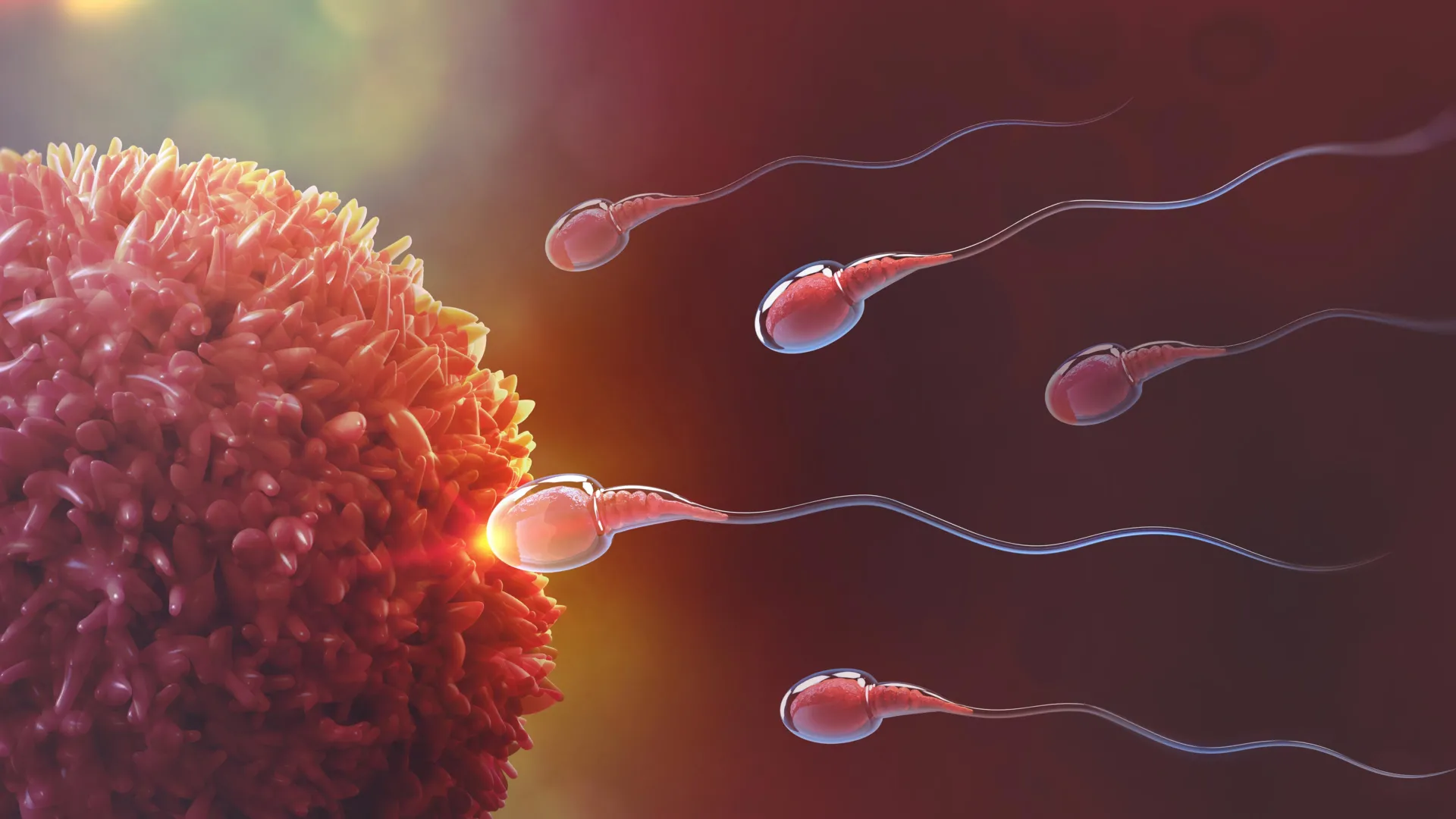
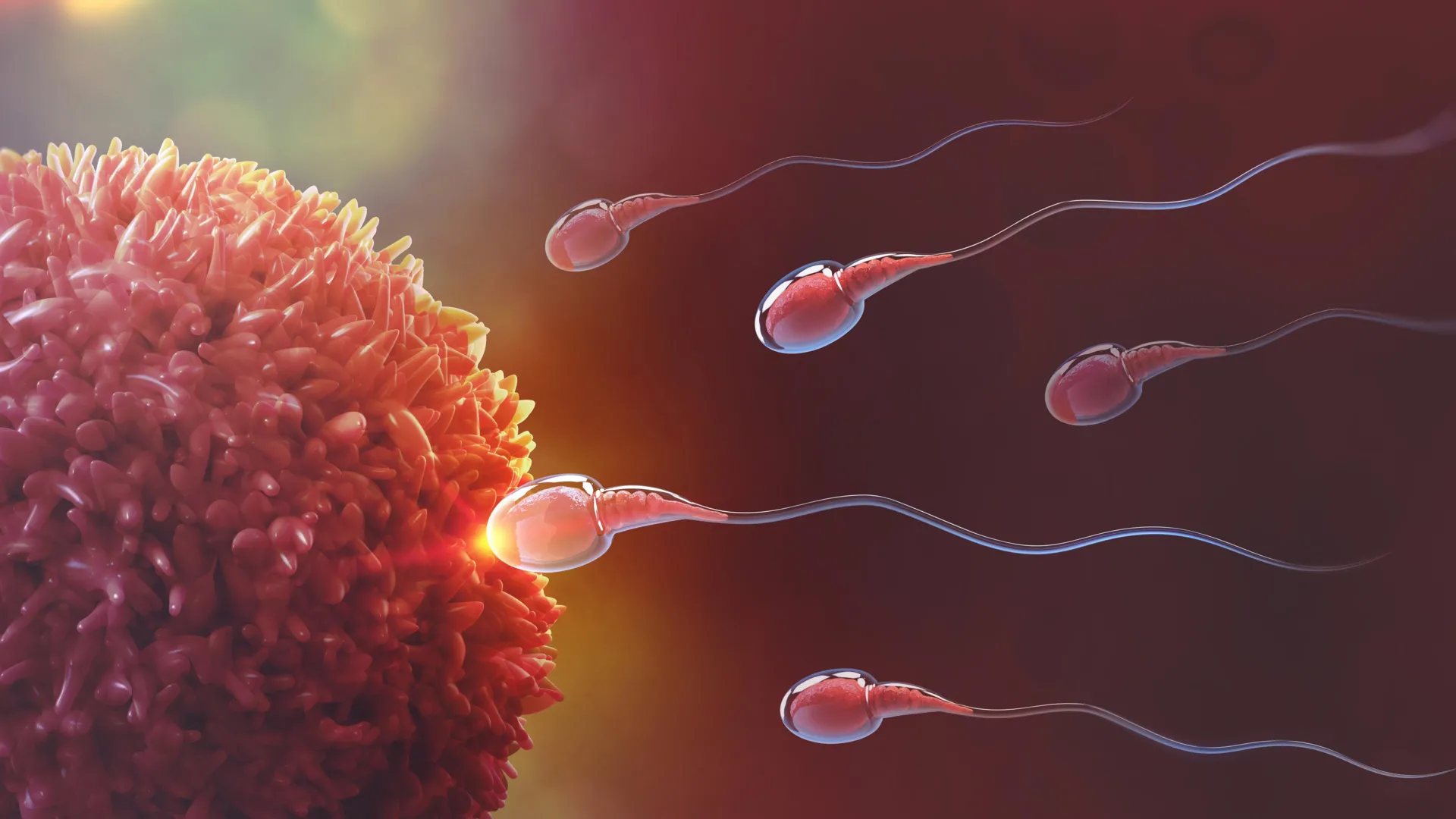
To understand the magnitude of the new discoveries, one must examine the unique biological environment of the male germline. Unlike female egg cells, which are all formed before a woman is born and remain arrested in development, male germ cells undergo continuous, lifelong division. From puberty onward, spermatogonial stem cells divide repeatedly to produce millions of sperm every day.
Every time a cell divides, its DNA must be copied. While human cells possess sophisticated DNA repair mechanisms, these systems are not infallible. Over decades of relentless cellular division, spelling errors—mutations—inevitably creep into the genome. In ordinary somatic tissues, such as those making up the skin, liver, or bones, mutations can lead to cancer if they disrupt cell-growth controls, but they are evolutionary dead ends because they cannot be passed on to children.
Mutations in the germline, however, are heritable. Scientists have long known that older fathers pass on a higher number of de novo (new, non-inherited) mutations to their children, which has been linked to an increased risk of conditions such as autism spectrum disorders, schizophrenia, and various forms of childhood cancer. Yet, until recently, researchers lacked the high-precision genomic tools necessary to measure the exact evolutionary pressures acting upon these cells while they still resided within the testes.
Methodology and Chronology of the Breakthrough
The path to these recent discoveries was paved by technological innovation and extensive population-based biobanking. The primary study, spearheaded by the Wellcome Sanger Institute and the TwinsUK cohort at King’s College London, utilized a revolutionary ultra-accurate DNA sequencing technology known as NanoSeq. Traditional sequencing methods have a baseline error rate that makes it exceedingly difficult to detect rare, low-frequency mutations hidden within a vast sea of normal DNA sequences. NanoSeq, however, overcomes this limitation, allowing scientists to spot a needle in a genomic haystack with unprecedented precision.
The researchers analyzed high-quality sperm samples obtained from 81 healthy male participants aged 24 to 75. These samples were drawn from the TwinsUK cohort, which stands as the United Kingdom’s largest adult twin registry. This carefully curated, well-documented, and diverse population provided an ideal baseline for comparative longitudinal analysis, allowing scientists to track how mutations accumulate and evolve across different decades of adult life.
Simultaneously, a complementary study published in the same issue of Nature approached the phenomenon from the opposite chronological direction. Rather than examining the sperm of living men directly, a collaborative team from Harvard Medical School and the Wellcome Sanger Institute analyzed the inherited genetic outcomes of more than 54,000 parent-child trios alongside genomic data from 800,000 healthy individuals. By looking backward from children to parents, this second arm of the research confirmed that the selective pressures observed in sperm directly translate into the genetic profiles of newborn infants.
Quantitative Data: What the Numbers Reveal
The quantitative findings paint a striking picture of how paternal age directly correlates with molecular risk. According to the data generated by the Wellcome Sanger and King’s College London teams, roughly 2 percent of sperm samples taken from men in their early 30s carried detectable disease-causing mutations.
As the age of the donors increased, so too did the mutant burden. In men aged 43 to 74, the proportion of sperm containing harmful genetic variants rose to between 3 and 5 percent. Among the oldest participants in the cohort—men at age 70—approximately 4.5 percent of their sperm carried harmful mutations.
Crucially, the mathematics of this increase defied the expectations of simple, random accumulation. If mutations were purely the result of a steady, random ticking clock, the rise would be strictly linear and modest. Instead, the data revealed sharp spikes in specific genes, pointing directly to a process of positive selection.
The researchers pinpointed 40 specific genes that appear to benefit immensely from this intratesticular natural selection. Many of these genes are intimately tied to serious neurodevelopmental disorders in children, as well as inherited cancer predispositions. While 13 of these genes were already suspected of being involved in selfish cellular selection, the new study dramatically expanded the catalog, revealing that the phenomenon affects a much broader array of genes regulating cell growth and development than previously understood.
The Harvard-Sanger trio study added staggering scale to these numbers, calculating that such selective genetic changes can amplify sperm mutation rates by roughly 500-fold. This massive amplification helps resolve a long-standing medical mystery: why certain rare genetic disorders appear in children whose parents are completely free of the mutations in their own blood or somatic tissue.
The Mechanics of "Selfish" Cells and Cellular Competition
To grasp how this process works, one must look at the microenvironment of the testes as an evolutionary battleground. In tissues undergoing constant renewal, mutations can occasionally grant a specific stem cell a growth advantage—allowing it to divide slightly faster or survive longer than its neighbors.
In somatic tissues, this process is the foundational step of tumorigenesis, where rogue cells outgrow healthy tissue to form a tumor. In the testes, however, a similar process occurs, but with reproductive consequences. A mutation in a spermatogonial stem cell that enhances its proliferative capacity causes that single mutant cell to create a clonal expansion—a growing army of identical cells. Over the years, these clones displace normal cells, eventually dominating the output of the seminiferous tubules.
Consequently, when an older man produces sperm, a disproportionately high percentage of those gametes descend from these successful mutant clones rather than the original, unmutated stem cell pool. The testes essentially act as an incubator for mutations that favor cellular growth, completely blind to the fact that those very same growth-promoting mutations may cause devastating developmental disorders or oncogenic risks if they happen to successfully fertilize an egg.
However, nature maintains a series of biological checkpoints. The researchers emphasize that the rising tide of mutant sperm does not automatically translate into a proportional rate of diseased births. Many sperm carrying severe mutations are functionally compromised; they may lack the motility required to reach an egg, fail to achieve fertilization, or trigger embryonic arrest before a pregnancy can even be established. Others may result in early miscarriages. Further epidemiological and clinical research is urgently required to map the exact translation pipeline from sperm mutation frequencies to live-born health outcomes.
Official Responses and Expert Commentary
The publication of these twin studies has drawn widespread commentary from the international scientific community, highlighting the paradigm-shifting nature of the research.
Dr. Matthew Neville, the first author of the study from the Wellcome Sanger Institute, reflected on the unexpected magnitude of the findings. "We expected to find some evidence of selection shaping mutations in sperm," Dr. Neville noted. "What surprised us was just how much it drives up the number of sperm carrying mutations linked to serious diseases."
Professor Matt Hurles, Director of the Wellcome Sanger Institute and co-author of the research, emphasized the hidden nature of the risk involved in delayed fatherhood. "Our findings reveal a hidden genetic risk that increases with paternal age," Professor Hurles stated. "Some changes in DNA not only survive but thrive within the testes, meaning that fathers who conceive later in life may unknowingly have a higher risk of passing on a harmful mutation to their children."
Highlighting the vital importance of robust population science, Professor Kerrin Small, co-author and Scientific Director of the TwinsUK study at King’s College London, praised the contribution of the study’s participants. "We are incredibly grateful to the twins who took part in this study," Professor Small said. "By working with the TwinsUK cohort, we could include valuable longitudinal samples linked to rich health and genetic information, allowing us to explore how mutations accumulate and evolve with age in healthy individuals. This collaboration highlights the power of large, population-based cohorts for advancing our understanding of human development and inheritance."
Challenging long-held dogmas regarding the safety of the male reproductive system, Dr. Raheleh Rahbari, senior author and Group Leader at the Wellcome Sanger Institute, offered a sobering concluding perspective. "There’s a common assumption that because the germline has a low mutation rate, it is well protected," Dr. Rahbari explained. "But in reality, the male germline is a dynamic environment where natural selection can favour harmful mutations, sometimes with consequences for the next generation."
Broader Implications for Medicine, Society, and Future Research
The revelation that natural selection operates within the human testes to enrich disease-causing mutations carries profound implications for multiple fields, ranging from reproductive medicine to public health policy.
First, the research provides a critical warning regarding diagnostic medicine. The Harvard-Sanger trio study noted that because these mutations are so common in the sperm of aging men, certain genes may present as "false-positive" disease associations in genomic databases. Researchers must now account for elevated somatic and germline mutation rates when evaluating whether a specific gene is truly causal for a disease or merely a hotspot for selfish clonal expansion.
Second, the findings open up entirely new avenues for reproductive risk assessment. As societal trends continue to see men delaying fatherhood well into their 40s, 50s, and beyond, understanding the precise parameters of paternal genetic risk becomes paramount. While fertility clinics routinely screen for chromosomal aneuploidies, screening for specific single-gene mutations driven by testicular selection remains in its infancy. The insights gained from NanoSeq and large-scale trio sequencing could eventually pave the way for advanced pre-conception screening tools, allowing prospective parents to better understand and mitigate hereditary risks.
Finally, the research establishes a baseline for exploring how external variables—such as environmental toxins, occupational hazards, metabolic health, and lifestyle choices—might interact with this internal evolutionary pressure. If the testes are a dynamic ecosystem subject to natural selection, then external stressors could theoretically alter the competitive fitness of specific mutant clones, accelerating or decelerating the rate at which harmful mutations take root.
As science continues to peel back the layers of human genetics, this dual study from the Wellcome Sanger Institute, King’s College London, and Harvard Medical School serves as a reminder of the complex biological forces operating beneath the surface of everyday life—forces that link the aging process of the individual directly to the biological inheritance of the next generation.