Deep beneath the ocean’s surface, where volcanic hydrothermal vents release mineral-rich fluids at temperatures surpassing the boiling point of water, some of the most extraordinary chemistry on Earth takes place quietly in the dark. In these hostile, high-pressure environments, specialized microorganisms known as extremophiles thrive by performing metabolic feats that terrestrial plants and animals can only dream of. Among these biological wonders is nitrogen fixation—the complex process of converting unreactive atmospheric nitrogen gas into bioavailable ammonia.
While nitrogen makes up approximately 78 percent of Earth’s atmosphere, it remains entirely inaccessible to the vast majority of living organisms in its raw gaseous form ($N_2$). This is because the two nitrogen atoms are bound together by an exceptionally strong chemical triple bond. For decades, biochemists and microbiologists have sought to understand how certain microbes manage to bypass this energetic roadblock. Recently, an international team of researchers centered in Tristan Wagner’s laboratory at the Max Planck Institute for Marine Microbiology in Bremen, Germany, achieved a significant breakthrough. By successfully cultivating and analyzing the deep-sea archaeon Methanocaldococcus infernus, the research team has mapped out the structural and functional secrets of a heat-resistant nitrogenase enzyme that may mirror the ancient ancestral systems from which all modern nitrogen-fixing proteins evolved.
The findings, resulting from a meticulous blend of microbial physiology, native enzyme purification, biochemistry, and structural biology, offer an unprecedented near-atomic look at one of nature’s most challenging chemical reactions. Beyond shedding light on evolutionary biology, the discovery opens new avenues for sustainable agricultural biotechnology and industrial gas conversion.
The Biochemical Barrier of Atmospheric Nitrogen
To understand the magnitude of the discovery made by the Max Planck Institute team, one must first recognize the fundamental biochemical bottleneck of nitrogen fixation. Every living cell requires nitrogen to build essential biomolecules, including amino acids, proteins, and nucleic acids such as DNA and RNA. Although the atmosphere acts as a virtually limitless reservoir of nitrogen, the strong triple covalent bond holding diatomic nitrogen molecules together requires a massive input of energy to cleave.
In industrial chemistry, humanity replicates this process via the Haber-Bosch process, invented in the early 20th century. This method combines atmospheric nitrogen with hydrogen gas derived from fossil fuels at high temperatures (typically 400 to 500 degrees Celsius) and high pressures (ranging from 150 to 250 atmospheres), utilizing a metal catalyst—most commonly iron. While the Haber-Bosch process revolutionized global agriculture and currently sustains crop production for billions of people, it is notoriously energy-intensive. It consumes roughly one to two percent of the world’s total energy supply and generates significant carbon dioxide emissions.
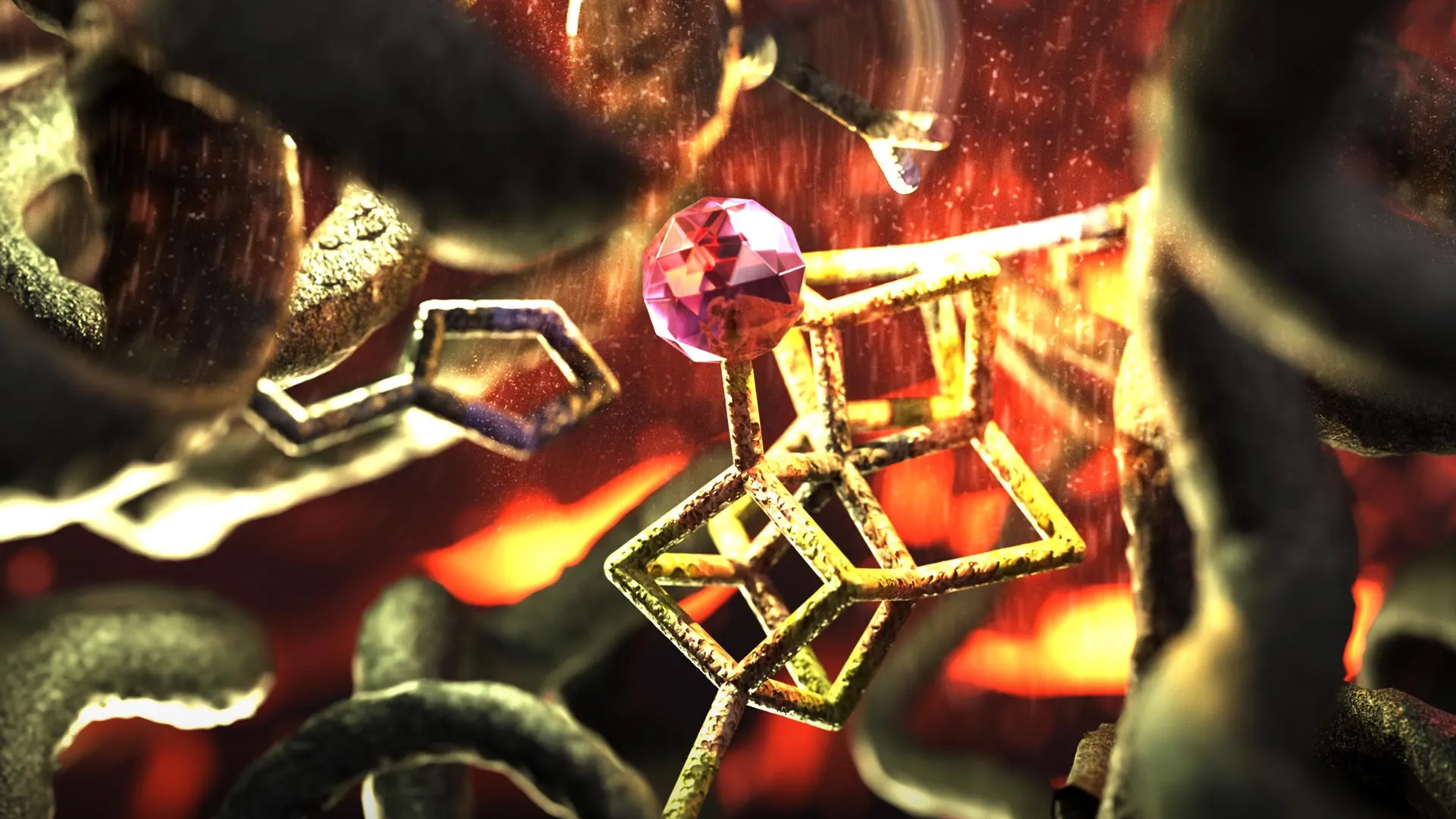
In contrast, biological nitrogen fixation occurs at ambient temperatures and pressures within living cells, mediated by a specialized enzyme complex called nitrogenase. This enzyme contains what is widely considered the most complex metallocofactor known in biology—a metal-containing helper molecule essential for catalytic activity. Historically, researchers have categorized nitrogenases into three distinct families based on the primary metal incorporated into their metallocofactor: molybdenum-based, vanadium-based, and iron-only forms. For decades, scientists have debated how these families are related, how their metal centers coordinate to break the $N_2$ triple bond, and what the earliest forms of nitrogenase might have looked like on a primordial Earth.
Taming a Deep-Sea Extremophile: A Chronology of Discovery
The research journey began in the volcanic marine environments where Methanocaldococcus infernus makes its home. Isolated from deep-sea hydrothermal systems where vent fluids surge past the boiling point of water, this archaeon represents an extreme model of adaptation. Cultivating such an organism in a conventional laboratory setting presents profound technical hurdles, requiring specialized pressure vessels, strict anaerobic protocols, and precise thermal regulation to simulate the deep-sea abyss.
Wagner’s research team successfully "tamed" Methanocaldococcus infernus in the laboratory, inducing the microbe to actively fix $N_2$ at sustained temperatures exceeding 90 degrees Celsius. This experimental milestone raised immediate and fundamental questions for the researchers: How do these organisms maintain structural integrity in such extreme heat, and how can the enzyme responsible for splitting the $N_2$ triple bond function efficiently under conditions that would denature most terrestrial proteins?
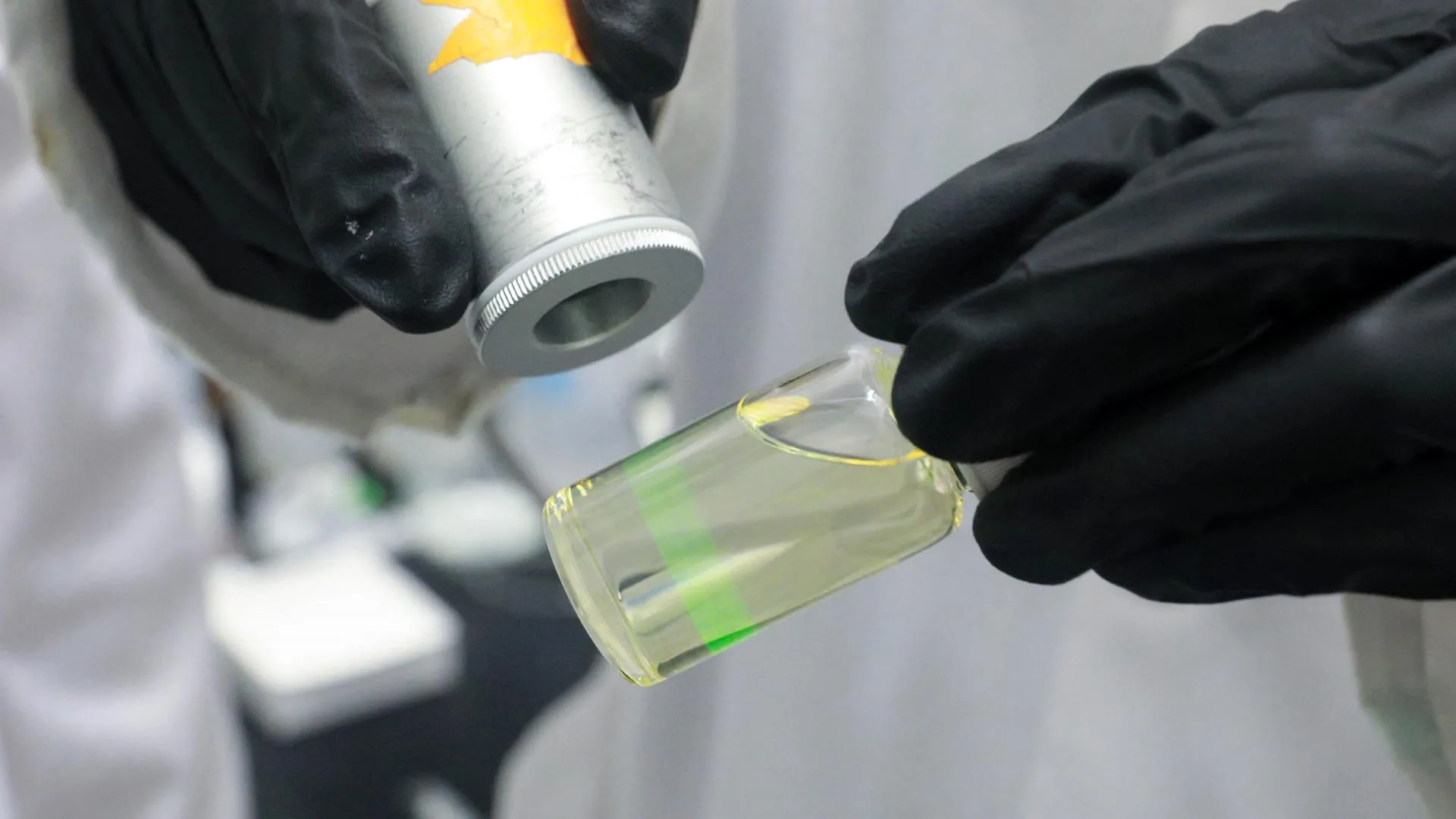
To answer these questions, the team initiated a comprehensive multi-step investigation. First, they extracted and isolated the nitrogenase enzyme directly from the archaeon. Crucially, every phase of this purification and handling process had to be performed under strictly oxygen-free conditions, as ambient oxygen causes irreversible, permanent damage to nitrogenase metallocofactors.
Following successful isolation, the researchers subjected the protein to thermal stability assays. The results defied conventional biochemical expectations: the purified nitrogenase remained entirely stable until temperatures reached 90 degrees Celsius, with fractions of the protein remaining structurally intact even at 98 degrees Celsius.
"This proves that this enzyme is designed to function under conditions in which most proteins would rapidly decay, like egg white cooked in hot water," explained Nevena Maslać, the study’s first author and a researcher at the Max Planck Institute for Marine Microbiology. "It is not active at room temperature. Rather, we show that it only produces ammonia at high temperatures. Its extreme stability allowed us to study states of the nitrogenase that are usually difficult to capture."
Structural Analysis at Near-Atomic Resolution
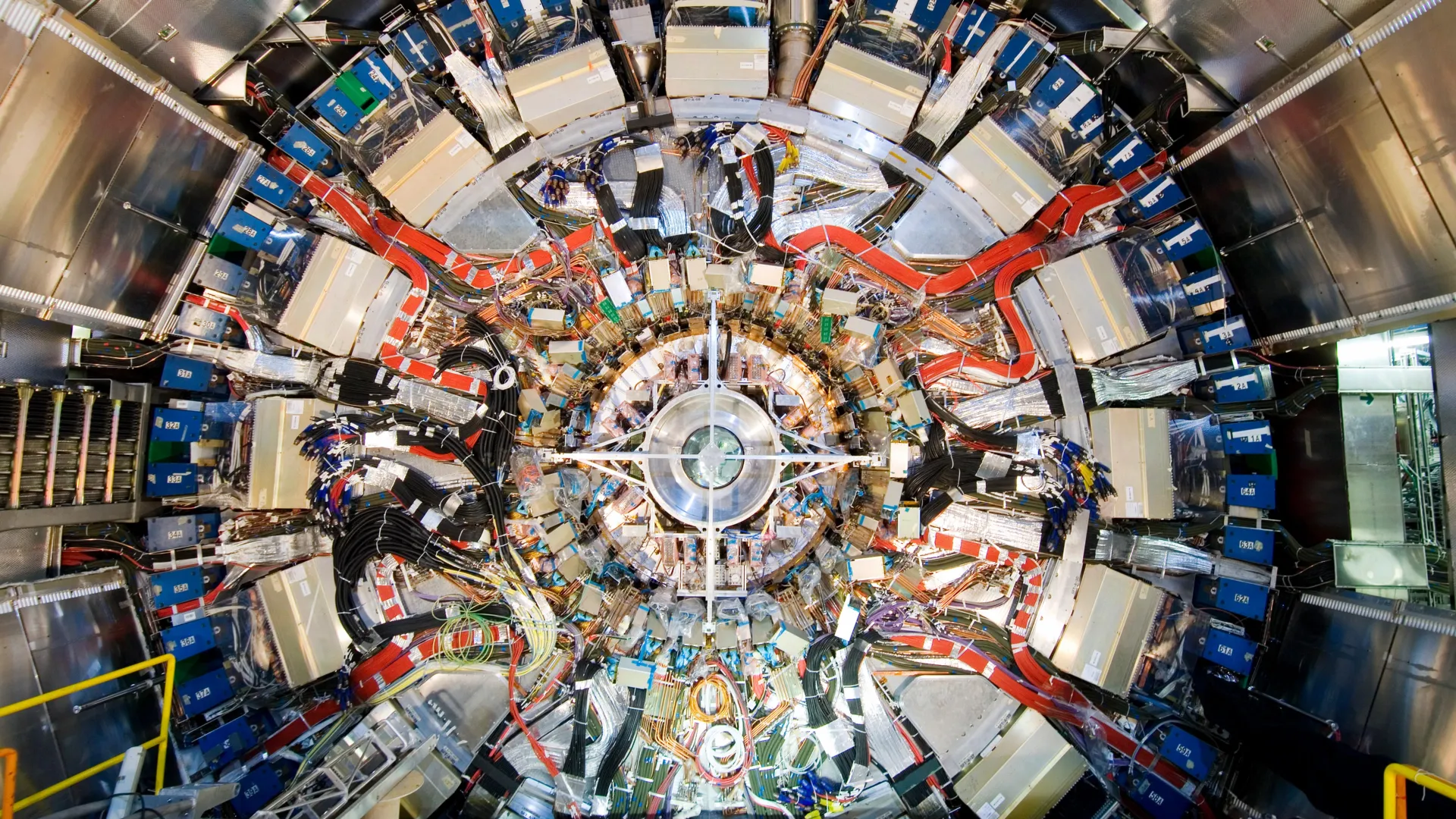
With a stable enzyme in hand, the research collaborative advanced to structural characterization. The team crystallized the nitrogenase enzyme and transported the samples to the Institut de Biologie Structurale in Grenoble, France. There, they utilized the facility’s advanced synchrotron—a circular particle accelerator capable of generating exceptionally powerful X-rays—to perform macromolecular crystallography.
The synchrotron measurements allowed the team to determine the molecular structure of the Methanocaldococcus infernus nitrogenase at near-atomic resolution. The structural analysis yielded several major revelations. First, the enzyme proved to be the simplest known example of a nitrogenase studied to date. Second, and perhaps most importantly, it exhibited hybrid structural characteristics that bridged all three major nitrogenase families: molybdenum, vanadium, and iron-only forms.
This mosaic of traits strongly supports the hypothesis that Methanocaldococcus infernus harbors a nitrogenase that closely resembles a common ancient ancestor—the primordial enzymatic system from which all modern bacterial and archaeal nitrogenases subsequently evolved.
Following structural determination, the team set out to verify the presence of the anticipated molybdenum metallocofactor. Confirming this metal signature within the high-temperature enzyme pushed the synchrotron instrumentation to its absolute limits, requiring highly specialized calibration and technical precision from facility experts.
Capturing an Unprecedented Molecular State
While the measurements successfully verified the presence of the molybdenum signal, they also delivered an unexpected and scientifically significant surprise. The X-ray data revealed a distinct molecular conformation that had never before been observed in a molybdenum-containing nitrogenase.
Previously, this specific "turnover" state had only been documented in vanadium-based and iron-only nitrogenases. Biochemists suspect that this state represents a critical intermediate stage during the catalytic cycle where the enzyme actively binds and cleaves the stubborn nitrogen triple bond.
Finding this exact intermediate state in a molybdenum-bearing enzyme of ancient lineage suggests a profound evolutionary insight: despite millions of years of divergence, all forms of nitrogenase likely share a universal, highly conserved underlying mechanism to break down atmospheric nitrogen. This discovery unifies disparate biochemical pathways under a single overarching mechanical framework.
Broader Implications for Agriculture, Industry, and Ecology
While the findings provide fundamental insights into structural biochemistry and evolutionary microbiology, the implications of this research extend far beyond academic theory. Nitrogen-fixing microorganisms such as Methanocaldococcus infernus occupy a foundational role not only in the global nitrogen cycle but also in Earth’s carbon cycle. Similar deep-sea and subterranean methanogenic microorganisms are collectively responsible for generating approximately half of the atmospheric methane found on Earth.
Looking toward the future, biotechnologists and chemical engineers are exploring whether such robust biological systems can be harnessed for industrial gas conversion. By utilizing green hydrogen as an energy source, engineered microbial platforms could potentially convert abundant atmospheric gases into valuable chemical products, including sustainable ammonia and methane, bypassing the fossil-fuel dependencies of conventional chemical synthesis.
Perhaps the most far-reaching, albeit speculative, application lies in plant biology and agronomy. For decades, agricultural researchers have dreamed of engineering cereal crops—such as wheat, rice, and maize—to fix their own atmospheric nitrogen directly, mirroring the symbiotic relationships seen in legumes and rhizobia bacteria.
"And what if crops could one day obtain nitrogen directly from atmospheric $N_2$?" Wagner speculates.
Realizing such an agricultural revolution would dramatically reduce the global farming sector’s reliance on synthetic industrial fertilizers produced via the Haber-Bosch process. This, in turn, would curb greenhouse gas emissions associated with fertilizer manufacturing and mitigate severe environmental consequences such as aquatic eutrophication, oxygen depletion in coastal waters, and groundwater contamination caused by agricultural runoff.
For the scientific community, however, the immediate value of the research lies in its fundamental contribution to structural biology. By retrieving a heat-stable, evolutionarily ancient enzyme from the depths of the ocean and visualizing its atomic architecture, researchers have updated our understanding of one of nature’s most elusive and vital chemical reactions, setting the stage for decades of future innovation in biochemistry and green technology.