A groundbreaking study conducted by the University of Adelaide, in collaboration with Monarto Safari Park in South Australia, has revealed that modifying the feeding regimens of captive African lions to include whole animal carcasses significantly improves their behavioral alignment with wild counterparts. Published in the journal Applied Animal Behaviour Science, the research suggests that by shifting away from predictable, daily meal portions toward a “feast and fast” cycle, zoos can foster more authentic, species-specific behaviors that enhance the welfare of these apex predators.
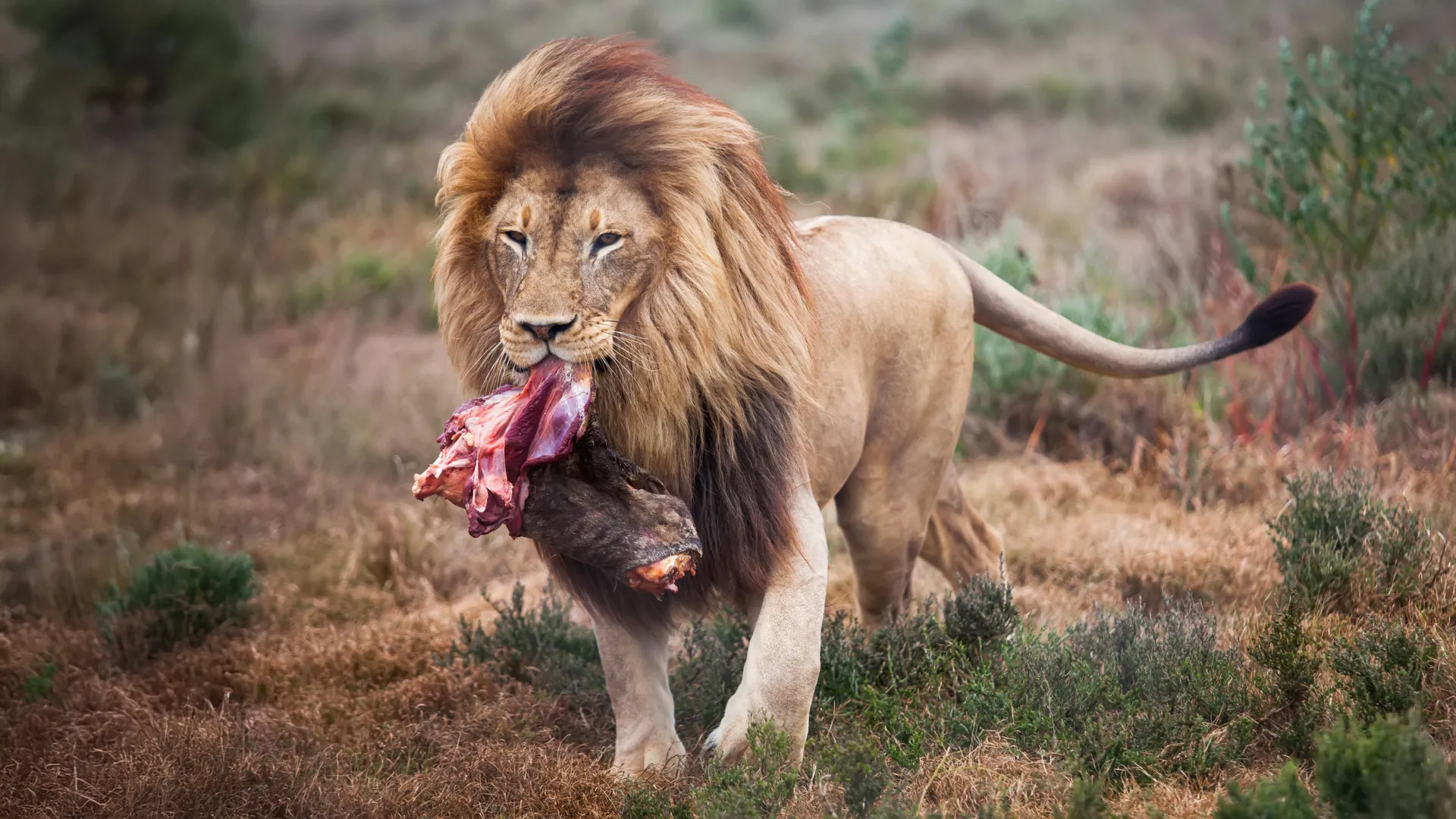
The research project, which spanned three months of intensive data collection, focused on three adult male African lions housed at Monarto Safari Park. By introducing approximately 200 kilograms of whole animal carcasses every nine days, the research team aimed to replicate the irregular, high-intensity feeding patterns characteristic of lions in their natural habitat. The findings suggest that the physical act of processing a carcass—tearing, pulling, and manipulating tissue—serves as a vital form of environmental enrichment that standard, pre-processed zoo diets fail to provide.
The Chronology and Methodology of the Study
The study was designed to move beyond the traditional "snapshot" approach often seen in zoological research, where observations are limited to the immediate aftermath of a feeding event. Instead, the team, led by Lesia Hryhorenko from the University of Adelaide’s School of Animal and Veterinary Sciences, utilized continuous infrared video monitoring to capture a comprehensive 24-hour dataset.
The experimental phase followed a structured timeline:
- Baseline Phase: Researchers monitored the lions’ normal activity levels and pacing behaviors under standard daily feeding routines.
- Implementation Phase: The introduction of the carcass-based feast and fast cycle commenced. Carcasses were left in the enclosure for up to three days, allowing the lions to feed at their own pace.
- Observation Phase: Following the consumption of the carcass, the lions entered a deliberate period of fasting and digestion, mimicking the natural rhythm of wild lions that may go several days between successful hunts.
- Data Synthesis: The team, which included University of Liege masters student Florence Demoulin, analyzed the resulting footage to identify shifts in activity, resting, and repetitive behaviors.
Behavioral Shifts: From Consumption to Conservation
The quantitative data collected during the study was striking. On days when whole carcasses were provided, the lions spent nearly three times longer engaged in feeding activities compared to their standard diet. This duration was not merely spent swallowing meat; it involved complex motor skills such as manipulating large portions of the carcass, which engages muscle groups and cognitive processes underutilized in captive environments.
The study also confirmed a distinct shift in the post-prandial cycle. Once the carcasses were consumed, the lions entered an extended period of rest, a direct mirror of the "digestive lethargy" observed in wild prides after a large kill. As the fasting period progressed, the researchers observed a gradual increase in activity levels, as the animals began to patrol their territory in anticipation of the next feeding cycle. This rhythmic fluctuation—intense activity followed by deep rest—is a hallmark of the species’ biological heritage and serves as a natural regulator of their circadian rhythm.
Addressing the Myth of Anticipatory Pacing
A significant portion of the research addressed the issue of pacing, a repetitive, stereotypic behavior often observed in captive carnivores. While public perception often links pacing to hunger, the study’s findings suggest a more nuanced reality. The researchers tracked pacing behaviors throughout the experimental period and found that while there was a slight increase in pacing overall, it was not directly correlated to the duration of the fast.
Instead, the data indicated that pacing was most frequently triggered by predictable anthropogenic stimuli—specifically, the arrival of zoo keepers and the routine movement of animals between enclosure sections. This suggests that the lions’ anticipation was linked to the predictability of the human-managed environment rather than an innate drive caused by the intermittent feeding schedule. Notably, the study found no evidence that the feast and fast cycle induced increased aggression or destabilized the social hierarchy of the three male lions, effectively debunking concerns that carcass feeding might trigger resource-guarding disputes.
Implications for Zoological Management and Animal Welfare
The implications of this study for the global zoo community are substantial. Associate Professor Alexandra Whittaker, a co-author of the research, emphasized that the study provides a roadmap for "evidence-based welfare" that moves beyond the immediate gratification of food delivery.
"Many zoo studies focus only on what happens immediately after food is provided," said Associate Professor Whittaker. "Our results show that feeding schedules can influence behavior for days afterward, making it essential to look at behavioral patterns across the entire feeding cycle rather than a single feeding event."
The study suggests that by adopting these more naturalistic feeding protocols, zoos can address the "behavioral deficit" that often arises when animals are removed from their native ecosystems. For apex predators, the challenge is not just the nutritional quality of the food, but the physical and mental exertion required to obtain and process it. By providing carcasses, facilities can satisfy the lions’ innate biological imperative to perform complex feeding behaviors.
Future Research and Strategic Outlook
While the findings are promising, the researchers caution that this study serves as a foundational step. Future research will likely focus on integrating these behavioral observations with physiological markers, such as hormone analysis and metabolic rate tracking, to provide a more holistic understanding of how these dietary shifts impact long-term health.
The Monarto Safari Park experiment demonstrates that modern animal husbandry is evolving from a model of mere survival to one of behavioral flourishing. By aligning the captive environment with the biological history of the species, zoological institutions are better positioned to act as centers for both education and conservation.
As the zoo industry continues to face scrutiny regarding the ethics of keeping large predators in captivity, studies like this provide a vital defense for the role of modern, progressive zoos. By utilizing scientific inquiry to optimize the daily lives of animals, institutions can demonstrate that welfare is not a static state but a dynamic process that requires constant adaptation to the needs of the species.
The success of the Monarto project serves as a compelling case study for other facilities worldwide. As institutions review their own feeding protocols, the evidence provided by Hryhorenko and her team offers a compelling argument for moving away from the convenience of daily portioned meals toward the complexity of naturalistic feeding cycles. This transition represents a significant stride forward in ensuring that the lives of captive lions are defined by their biological nature rather than the limitations of their enclosures.