Illuminating the Neural Circuitry: The Rise of Optogenetics
The 2026 Nobel Prize in Physiology or Medicine was awarded to Peter Hegemann, Georg Nagel, and Karl Deisseroth for their foundational contributions to the development of optogenetics. This field, which has become a cornerstone of modern neuroscience, allows researchers to bridge the gap between complex neural activity and observable behavior. The human brain contains approximately 86 to 90 billion neurons, forming a web of over 100 trillion synaptic connections. Mapping this intricate network has long been the "holy grail" of neuroscience.

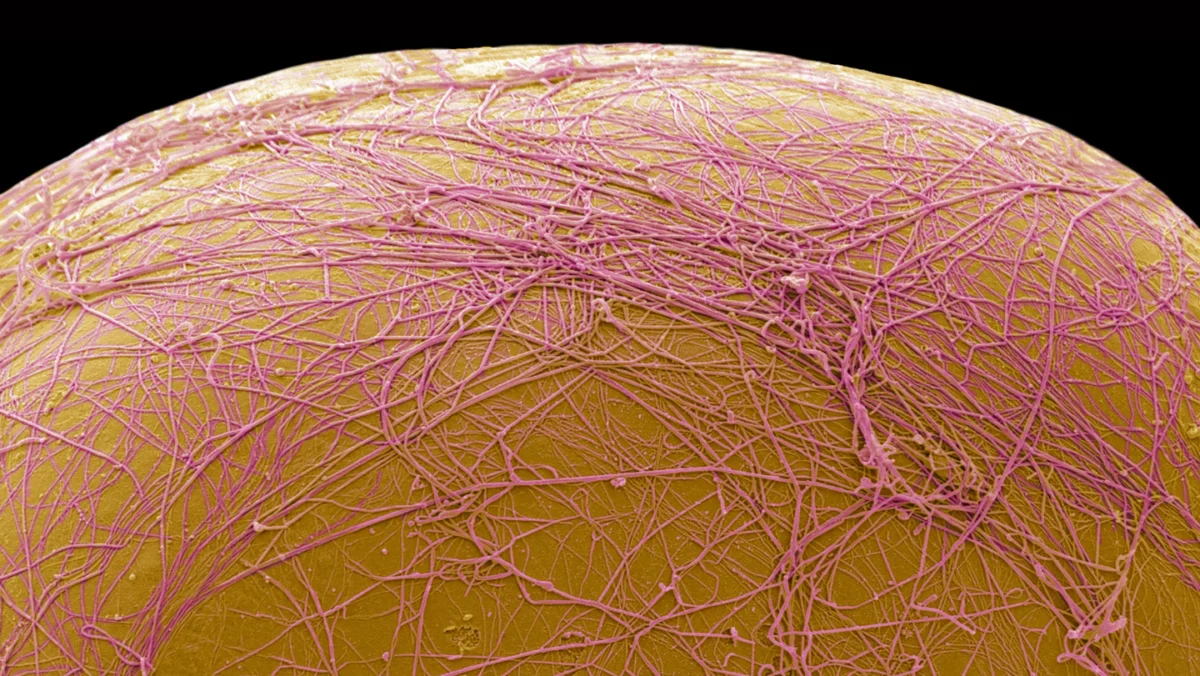
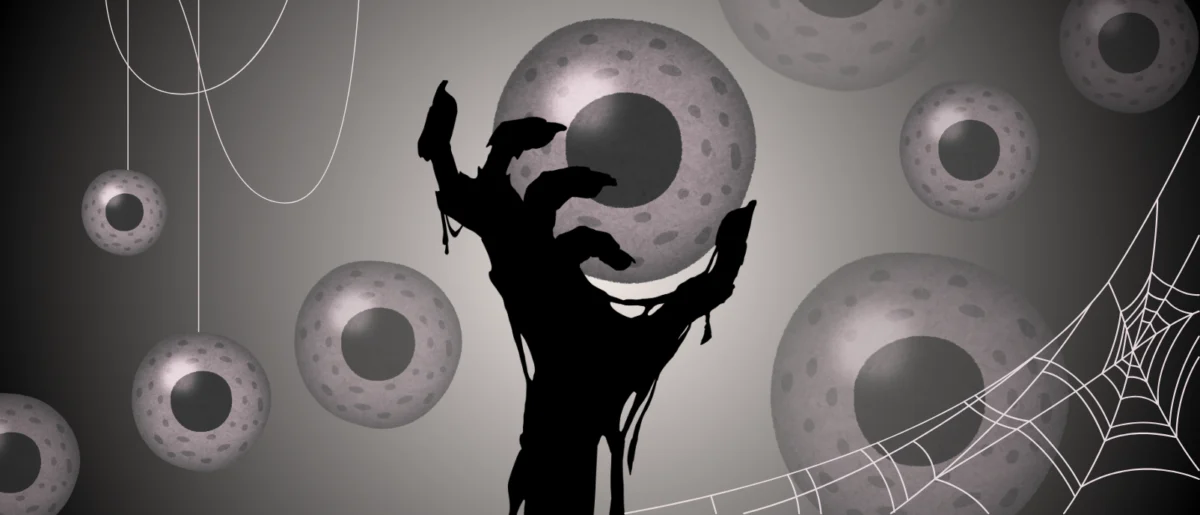
The journey toward this achievement began in the early 2000s, rooted in the biological study of Chlamydomonas, a single-celled green alga. Hegemann and Nagel identified a light-sensitive protein in the alga’s eyespot, now known as channelrhodopsin. Their research revealed that when exposed to specific wavelengths of light, this protein functions as a molecular gate, allowing positively charged ions to flood the cell and trigger an electrical impulse. This discovery provided the "neuronal switch" that neuroscientists had sought for years—a way to turn specific cells on or off with millisecond precision.
Building upon this discovery, Karl Deisseroth, a psychiatrist and bioengineer at Stanford University, successfully translated this mechanism into mammalian systems. By introducing the gene for channelrhodopsin into rat neurons and utilizing fiber-optic technology to deliver light pulses into the brain, Deisseroth’s team demonstrated that they could manipulate the movements and behaviors of living subjects. This technique, officially termed optogenetics, has since become the gold standard for dissecting neural circuits.

The implications of this work extend far beyond laboratory mice. Optogenetics has enabled clinical researchers to better understand the circuitry underlying depression, anxiety, and dementia. Furthermore, the technology is currently being deployed in therapeutic trials aimed at restoring vision in patients with retinitis pigmentosa, a condition characterized by the degradation of photoreceptor cells. By making remaining retinal cells light-sensitive, scientists are essentially bypassing the damaged biology of the eye to restore functional vision.
Detecting the Invisible: The IceCube Neutrino Observatory
The 2026 Nobel Prize in Physics was awarded to Francis Halzen of the University of Wisconsin–Madison for his visionary leadership in the development of the IceCube Neutrino Observatory. Neutrinos are the "ghost particles" of the cosmos—massless or near-massless, chargeless, and so weakly interacting with matter that billions pass through the human body every second without leaving a trace. For decades, the challenge for physicists was not just how to detect these particles, but how to distinguish those originating from the sun from those hailing from the high-energy, cataclysmic events occurring at the far edges of the universe.

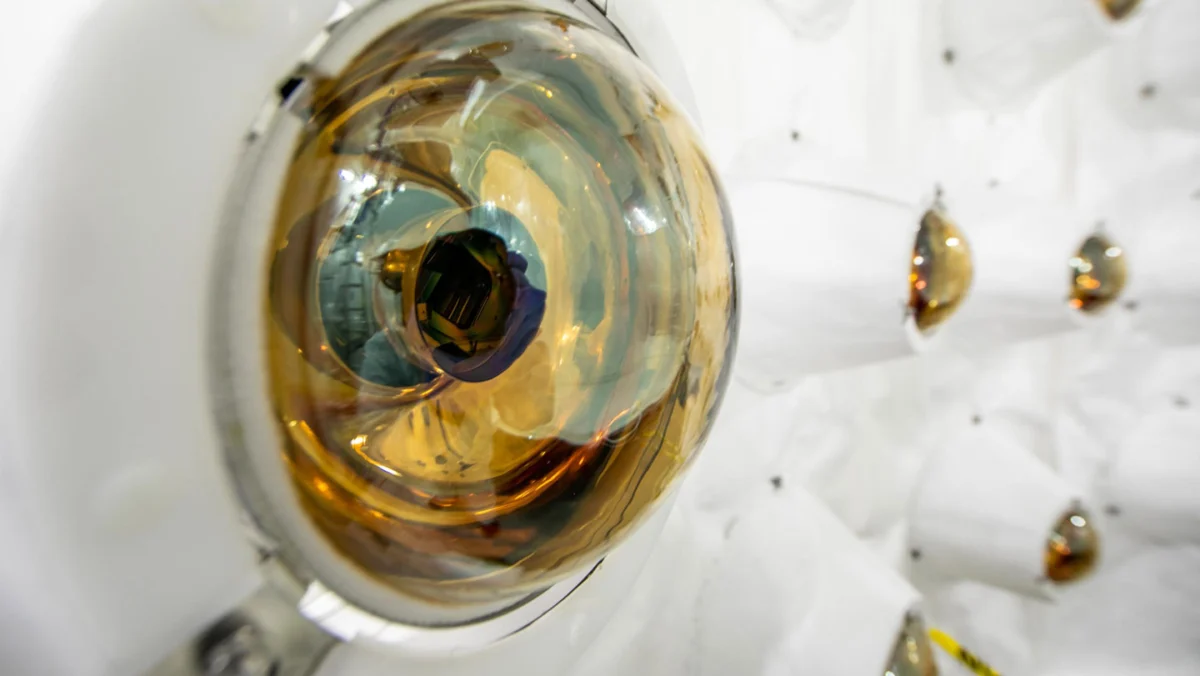
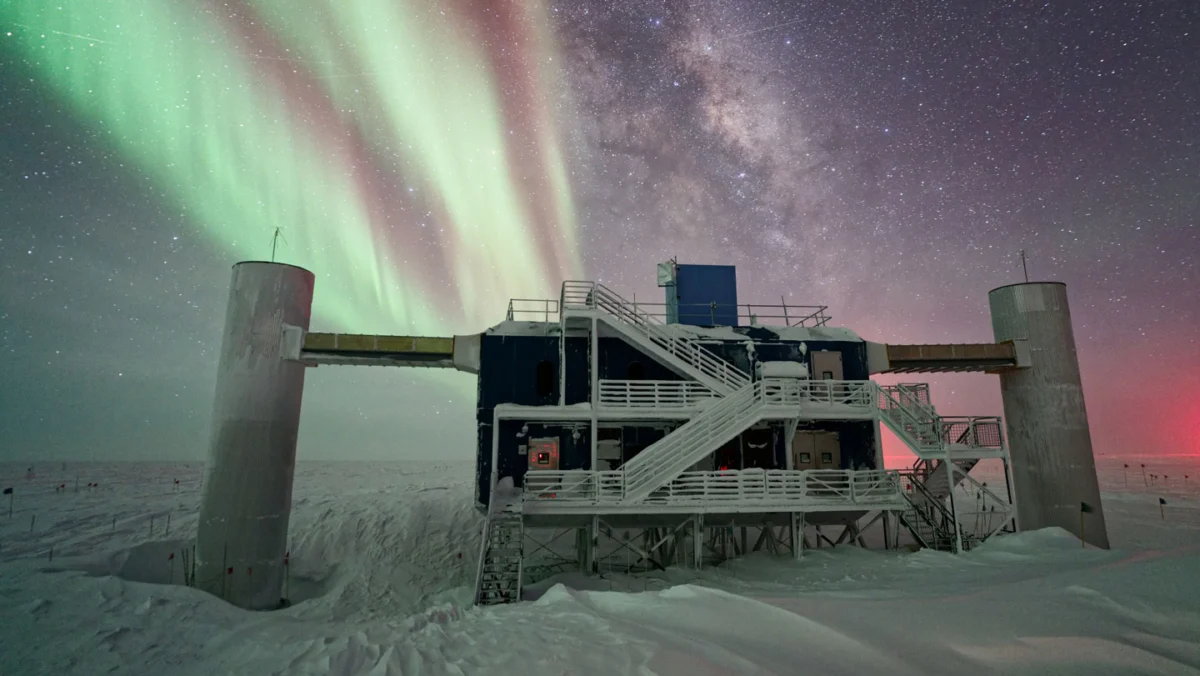
Halzen’s strategy was unconventional: he identified the Antarctic ice sheet as the ultimate detector. By embedding thousands of light-sensing modules deep within a cubic kilometer of pristine, dark ice at the South Pole, Halzen created a gargantuan telescope capable of capturing the faint, blue-hued Cherenkov radiation emitted when a high-energy neutrino collides with an atomic nucleus.
The construction of IceCube, completed in 2011, marked a historic milestone. In the years following its activation, the observatory has consistently defied expectations. In 2018, researchers successfully traced a high-energy neutrino back to a "blazar"—a supermassive black hole at the center of a distant galaxy—marking the first time a source of cosmic rays had been definitively identified. In 2023, the collaboration furthered this achievement by publishing the first map of the Milky Way galaxy generated not through light, but through neutrino detection. This has essentially opened a "new window" into the cosmos, allowing astronomers to observe parts of the universe that are obscured by dust or gas and invisible to traditional optical telescopes. The success of IceCube has spurred global interest in a new generation of neutrino telescopes, currently being planned for underwater and subterranean deployment.

Solving the Asymmetry of Life: The Chemistry of Chirality
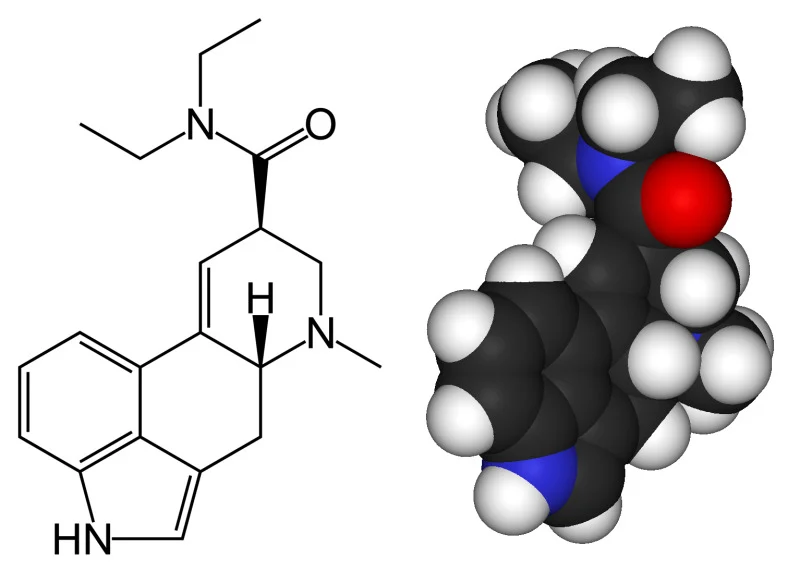
The 2026 Nobel Prize in Chemistry, awarded to Henri Kagan and Kenso Soai, addresses a fundamental mystery in the chemical sciences: homochirality. In the natural world, biological building blocks—such as amino acids and sugars—exist in two mirror-image forms, known as enantiomers. These are often described as "left-handed" and "right-handed." Despite the laws of chemistry predicting that both forms should exist in equal measure in any synthesis, life on Earth is overwhelmingly "left-handed" in its amino acids and "right-handed" in its sugars.
This uniformity has puzzled chemists for over a century. When chemists attempt to synthesize these molecules in the lab, they typically produce a 50/50 mix, known as a racemic mixture. Kagan and Soai independently and collectively pioneered methods to bypass this constraint. In 1986, Kagan demonstrated that certain catalysts could favor the production of one enantiomer over another far beyond previous theoretical limits. Later, in 1995, Soai discovered a self-amplifying reaction in which a chiral product acts as its own catalyst, leading to the creation of substances that are essentially pure in one mirror-image form.

The significance of this work is profound, particularly within the pharmaceutical industry. Many drugs are chiral; if the wrong enantiomer is administered, the effects can be inert or, in tragic historical instances like the thalidomide crisis of the 1950s, devastatingly harmful. By providing the tools to synthesize specific enantiomers with high purity, the work of Kagan and Soai has revolutionized drug design, allowing for the creation of safer, more effective medications.
A Legacy of Discovery: Analytical Implications
The 2026 Nobel season underscores the power of interdisciplinary collaboration. The work of Hegemann, Nagel, and Deisseroth demonstrates how a study of ancient algae can lead to the next generation of brain-machine interfaces. Similarly, Francis Halzen’s transformation of the Antarctic landscape into a cosmic sensor highlights the ingenuity required to observe the invisible. Finally, Kagan and Soai’s resolution of the homochirality puzzle provides the industrial chemistry sector with the precision necessary to ensure patient safety in modern medicine.

Each of these discoveries followed a long, arduous timeline of development. From the early-2000s realization of channelrhodopsin to the 2011 completion of the IceCube array and the decades of research into chiral catalysts, these prizes honor not just a single breakthrough, but the persistence of scientific inquiry.
The broader implications for the future are vast. As we stand in late 2026, the scientific community is already looking toward the next phase of these discoveries. With optogenetics, we are moving toward clinical interventions for neurological disorders that were previously considered untreatable. With neutrino astronomy, we are preparing for a "multi-messenger" era where gravity, light, and particles will be used in concert to map the history of the universe. And with the advancements in asymmetric synthesis, the pharmaceutical industry is better equipped than ever to navigate the complex, hand-shaped molecular architecture of the human body. These Nobel laureates have not only solved the puzzles of their respective fields but have also expanded the horizon of what humanity is capable of observing, manipulating, and understanding.