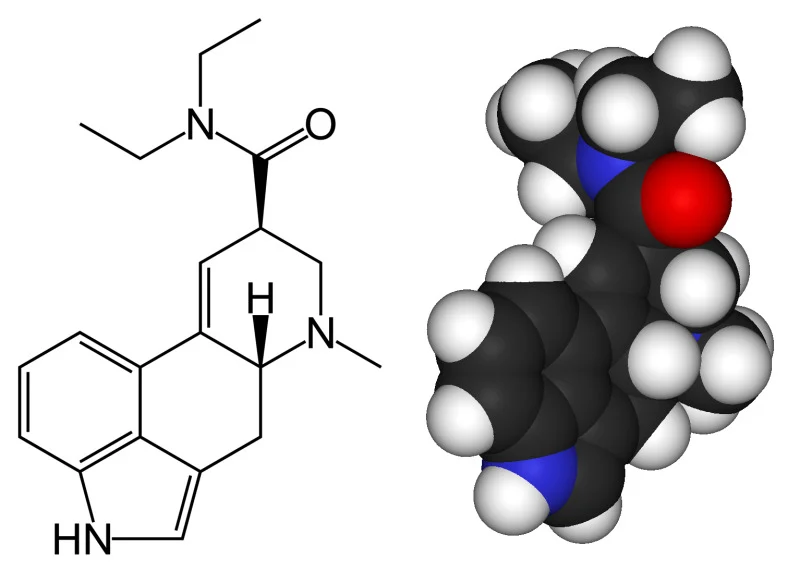
New York City–based Definium Therapeutics has reached a pivotal inflection point in the rapidly evolving landscape of psychedelic medicine. Following the announcement of positive topline data from its Phase 3 "Voyage" trial, the company is shifting its focus from clinical validation to the complex mechanics of commercialization. The study investigated DT120, an orally disintegrating 100 µg dose of lysergic acid diethylamide (LSD), in adults diagnosed with generalized anxiety disorder (GAD). With a similar success reported for major depressive disorder (MDD) earlier in June 2026, Definium now stands at the vanguard of a movement to integrate once-taboo substances into the standard of psychiatric care.
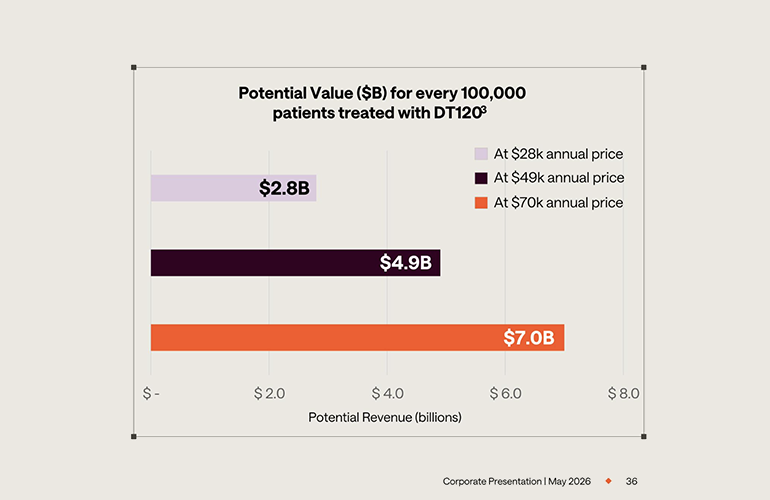
However, the path to market is fraught with logistical and financial hurdles. Beyond demonstrating efficacy to the FDA, Definium faces the daunting task of justifying a high-cost, high-resource-intensity therapy to a healthcare ecosystem historically built around daily oral medications. The company’s financial models, which have projected annual per-patient pricing in the range of $28,000 to $70,000, rely heavily on the success of the current clinical protocol, which requires intensive, day-long patient supervision.
The Evolution of Clinical Protocols: From Phase 2 to Phase 3
The journey to the current iteration of DT120 has been marked by significant refinements in clinical design. In the company’s Phase 2b trial, results of which were published in the Journal of the American Medical Association (JAMA) in 2025, the study design utilized a rigid 12-hour observation window. Regardless of how a participant progressed, they were required to remain onsite for the duration of the 12-hour clock. Data from that trial showed that while 45% of the 100 µg group met readiness-to-leave criteria by hour eight, a full 97.5% were ready by hour 12.
The Phase 3 Voyage trial introduced a more nuanced approach. By utilizing an "End of Session Checklist" (EOSC), the study allowed for a more flexible discharge process. While the trial mandated a minimum eight-hour onsite stay—a figure that serves as a baseline for safety monitoring—participants achieved the necessary criteria to depart in an average of 6.4 hours. This compression is critical, as it directly impacts the "throughput" of a clinical facility. If a clinic can transition a patient out of the facility sooner, it can theoretically increase the number of patients treated, thereby improving the economic feasibility of the treatment for the provider.
Financial Modeling and Commercial Surrogates
Definium’s fiscal strategy is explicitly modeled on established precedents in the psychiatric space. The company has looked to Spravato (esketamine), developed by Johnson & Johnson, as the primary surrogate for pricing and delivery. Spravato, which is indicated for treatment-resistant depression and depressive symptoms in adults with acute suicidal ideation, operates under a strict Risk Evaluation and Mitigation Strategy (REMS) program. This includes mandated observation periods, which have set a benchmark for the "monitoring burden" that regulators and payers now expect for novel psychiatric interventions.
In an SEC filing from January 2026, Definium outlined revenue projections based on the assumption that DT120 would occupy a similar tier of medical value to Spravato. By anchoring its valuation between $2.8 billion and $7 billion per 100,000 patients, the company is signaling to investors that it views DT120 not as a mass-market pharmaceutical, but as a specialized, high-impact clinical procedure. Definium has been careful to note that these figures are part of a corporate model and that an official price for the therapy has not been established.
Pharmacological Comparisons: LSD vs. Psilocybin
A central theme in the current debate regarding psychedelic medicine is the comparison between LSD and psilocybin, the active compound in "magic mushrooms." Both function as classic serotonergic psychedelics targeting the 5-HT2A receptor, yet their clinical profiles differ significantly.
Compass Pathways, a frontrunner in the space, has made significant strides with its synthetic psilocybin formulation, COMP360. Compass reported positive primary endpoint data for its treatment-resistant depression trials in both June 2025 and February 2026. Because psilocybin and LSD have distinct temporal profiles—LSD is widely considered to have a longer duration of psychoaffective effect—the logistical demands for administration differ.
Compass Pathways’ protocol for COMP360 requires a six-to-eight-hour administration session under the supervision of at least one healthcare professional. Definium’s current strategy for DT120, while also requiring an eight-hour minimum in trials, is attempting to position itself as a more efficient, predictable model. The company’s goal is to prove that once the acute effects of the drug wane, the patient is fully capable of resuming normal activities, including driving, by the following day. This "next-day return to function" is a key selling point for a therapy that otherwise demands a significant time commitment.
Leadership Perspectives and the Patient Experience
On the August 12, 2026, earnings call following the Voyage results, Definium’s Chief Medical Officer, Dr. Dan Karlin, emphasized that the eight-hour monitoring period is largely a artifact of the clinical trial environment. "We have no reason to think that an 8-hour minimum persists in the real world," Karlin stated, arguing that the EOSC will provide a more dynamic and patient-centric discharge standard.
CEO Robert Barrow has reinforced this sentiment by focusing on the patient perspective. In previous discussions, Barrow has consistently argued that the burden of a single day-long clinical visit is negligible when compared to the severity of conditions like GAD or MDD, which can persist for decades. For a patient who has spent twenty years struggling with severe, treatment-resistant anxiety, the "cost" of a day in a clinic is viewed by the company as a secondary concern compared to the potential for a transformative, long-lasting benefit.
Strategic Implications for the Psychiatric Market
The move toward regulatory approval for DT120 signals a broader shift in how the pharmaceutical industry approaches mental health. If Definium and Compass Pathways successfully bring their products to market, they will create an entirely new category of "procedural psychiatry." This shift will require:
- Infrastructure Development: Clinics must be equipped to host patients for extended periods, necessitating the training of specialized staff capable of managing the unique environment required for psychedelic therapy.
- Payer Acceptance: Insurance companies and government health programs will need to reconcile the high upfront cost of a single-session or limited-session therapy with the long-term savings of reduced psychiatric hospitalization and chronic medication use.
- Regulatory Harmonization: The FDA and other global regulators must determine how to transition these drugs from highly controlled, experimental environments to broader clinical settings without compromising patient safety.
The "compression effect"—the observed reduction in statistical differences between placebo and active groups as trials move from Phase 2 to Phase 3—is a common phenomenon in psychiatric drug development. Definium has managed to maintain a robust standardized effect size of 0.81, even as the placebo-adjusted difference in scores tightened. This stability is a testament to the rigorous design of the Voyage trial, which utilized central, blinded raters to ensure the integrity of the data.
The Path Forward: A Look at 2027 and Beyond
As Definium moves toward a formal submission, the industry is closely watching how the company handles the transition from clinical study to commercial rollout. With Compass Pathways currently leading in the race for FDA submission, Definium is not operating in a vacuum. The competitive landscape for psychedelic-assisted therapies is becoming increasingly crowded, and the first companies to establish a viable, scalable, and reimbursable model will likely set the industry standard for years to come.
The coming months will be defined by the accumulation of retreatment data, which will be essential for establishing the durability of the treatment. CEO Robert Barrow has indicated that the company is gathering information on whether a single dose or a small number of doses can provide relief over a multi-month period. If the data continues to suggest that a patient can achieve significant symptom reduction with minimal repeat visits, the economic case for the high per-dose cost will be substantially strengthened.
For now, the medical community remains cautiously optimistic. The transition from the laboratory to the clinic is rarely a linear process, and the complexities of monitoring patients during a psychedelic experience remain a significant hurdle. However, with the success of the Phase 3 Voyage trial, Definium has moved from the realm of academic investigation into a position of genuine commercial potential, offering a new hope to patients who have found little relief in traditional pharmacopeia.