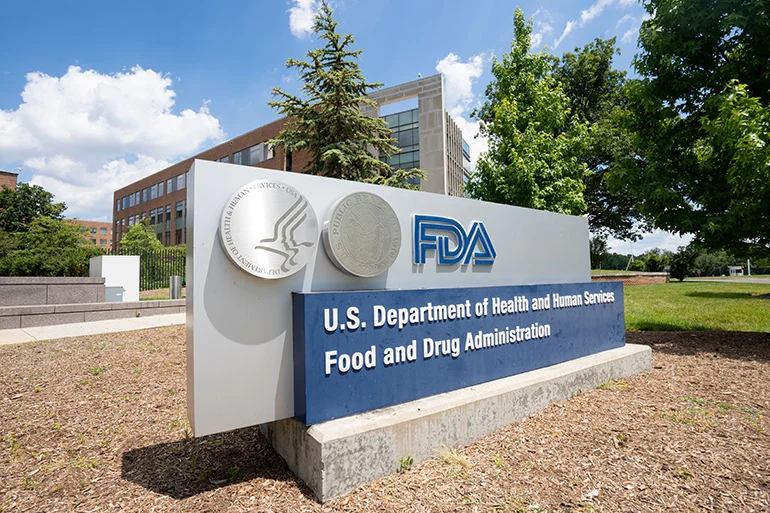
The U.S. Food and Drug Administration (FDA) has officially finalized its long-awaited guidance regarding formal meetings between the agency and sponsors or applicants engaged in the development of drugs and biological products. This regulatory framework, which falls under the Prescription Drug User Fee Act (PDUFA) commitments, establishes the operational parameters for how pharmaceutical companies interact with the agency during the lifecycle of drug development. The finalized document, which replaces the previous 2017 standards, codifies several significant shifts in administrative procedure, most notably regarding the categorization of meetings and the agency’s increasing reliance on written correspondence as a primary tool for regulatory communication.
A Chronology of Regulatory Evolution
The path to this final guidance began in earnest following the reauthorization of PDUFA VII, which prompted the agency to reconsider its engagement strategies to better accommodate the complexities of modern drug development. On September 22, 2023, the FDA released its initial draft guidance for public review, inviting stakeholders—ranging from major biopharmaceutical corporations to industry trade associations—to submit comments.
For nearly 18 months, the industry operated in a state of regulatory flux, awaiting clarification on how the proposed "Type D" and "INTERACT" meeting categories would function in practice. Throughout this period, industry groups such as the Biotechnology Innovation Organization (BIO) and the Pharmaceutical Research and Manufacturers of America (PhRMA) maintained a steady dialogue with the agency, emphasizing the need for predictable, high-quality interactions. The final document, released in June 2025, reflects a compromise between the agency’s need for administrative efficiency and the industry’s demand for collaborative engagement.
Redefining the Meeting Landscape: INTERACT and Type D
A primary focus of the new guidance is the formalization of the INTERACT (Initial Targeted Engagement for Regulatory Advice on CBER/CDER Products) meeting. Originally conceptualized in the draft as a catch-all for early-stage innovation, the final version provides a more restrictive definition. The FDA now explicitly states that INTERACT meetings are reserved for novel products and development programs that present unique early-stage challenges, specifically noting that they are not appropriate for sponsors who have already reached the pre-Investigational New Drug (IND) stage or have already filed an IND.
This clarification serves as a direct response to concerns raised by industry advocates, who argued that the lack of clear boundaries between INTERACT and pre-IND meetings created confusion in early development pathways. By narrowing the scope, the FDA aims to ensure that its finite resources are directed toward programs that truly require this bespoke, early-stage consultation, rather than serving as a redundant layer of communication for established programs.
Conversely, Type D meetings remain a cornerstone of the agency’s strategy to provide rapid, focused feedback on specific questions. The finalized guidance includes three additional scenarios where Type D meetings are deemed appropriate, providing sponsors with greater clarity on when to request these narrower, more efficient interactions.
The Rise of Written Responses (WRO)
Perhaps the most contentious aspect of the final guidance is the formalization of the "Written Response Only" (WRO) policy. The document confirms that the FDA retains the authority to grant a WRO in lieu of a teleconference or face-to-face meeting for Type B (pre-IND), Type C, Type D, and INTERACT meetings, regardless of the format originally requested by the sponsor.
This shift has sparked debate within the life sciences sector. For the FDA, WROs are a necessary mechanism to manage a record-high volume of meeting requests while maintaining the strict timelines mandated by PDUFA. By streamlining the response process, the agency can theoretically provide feedback to more sponsors in a shorter window. However, critics point to the "black box" nature of this approach. In its commentary on the draft, BIO highlighted the industry’s growing frustration, noting that when written responses are unclear or miss the nuance of a complex scientific question, the lack of real-time dialogue prevents the necessary iterative process that leads to successful regulatory outcomes.
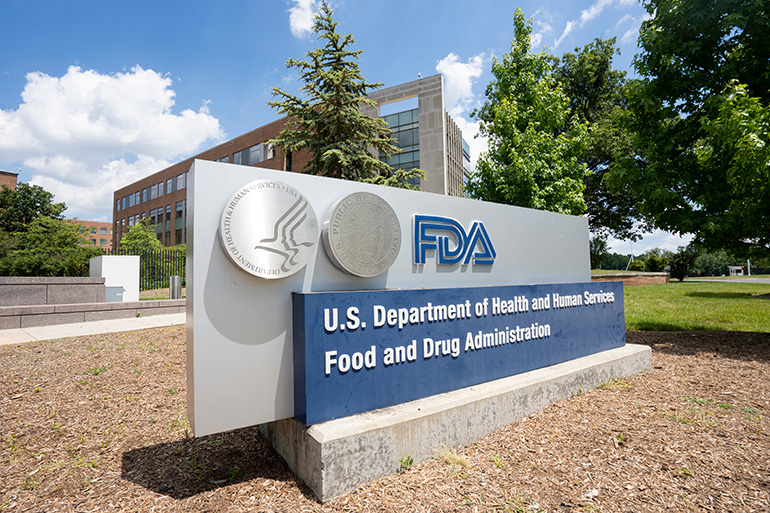
Despite industry requests for the FDA to publish specific criteria regarding when a WRO will be substituted for a live meeting, the final guidance remains silent on these internal metrics. This lack of transparency suggests that the decision to opt for a WRO remains largely at the discretion of the review division, based on their assessment of the complexity of the inquiry and the current workload.
Structural Changes and Administrative Requirements
The final guidance introduces several procedural mandates designed to standardize the quality of meeting requests. Notably, the requirement for sponsors to provide a clear list of specific objectives or outcomes has been restored—a provision that had been omitted in the 2023 draft but was brought back following stakeholder feedback.
Furthermore, the agency has implemented a recommended cap of 10 questions per meeting request, accompanied by a strict numbering convention where sub-questions are treated as distinct entities. This change is intended to force sponsors to prioritize their inquiries and present them in a format that allows FDA reviewers to address them efficiently. Additionally, the guidance maintains the requirement that meeting packages for Type D and INTERACT meetings be submitted at the time of the request, mirroring the protocols established for Type A meetings.
Broader Implications for Drug Development
The impact of these guidelines extends beyond mere administrative policy. For small and mid-sized biotechnology companies, which often lack the deep regulatory experience of larger pharmaceutical firms, the clarity provided by this guidance is invaluable. The expansion of Type B meetings to include pre-sNDA (Supplemental New Drug Application) and pre-sBLA (Supplemental Biologics License Application) discussions ensures that the regulatory pathway for lifecycle management is better supported.
However, the industry must prepare for a landscape where face-to-face interaction is no longer the default. The reliance on WROs necessitates a higher level of precision in how sponsors frame their questions. If a sponsor’s query is poorly articulated or misses the regulatory intent, the resulting written response may be equally vague, leading to "regulatory drift" where the sponsor and the agency move in different directions on a critical development program.
Limitations and Scope
It is essential for stakeholders to note that these guidelines are specific to the PDUFA framework and do not apply to the entire spectrum of FDA-regulated products. Specifically, Abbreviated New Drug Applications (ANDAs), biosimilar applications, and medical devices remain governed by their own unique sets of regulations and guidance documents. This exclusion highlights the agency’s modular approach to regulation, where the unique needs of generic drugs—which often require different types of interactions compared to novel entities—are kept distinct from the PDUFA-governed pathway.
Looking Ahead: The Future of Agency-Industry Dialogue
As the industry adjusts to these new standards, the effectiveness of the guidance will be measured by the quality of the interactions that follow. While the FDA’s focus on efficiency is understandable given the increasing complexity of therapeutic modalities like cell and gene therapies, the industry’s reliance on collaborative problem-solving remains a critical component of drug development success.
Moving forward, regulatory affairs experts expect that the success of these guidelines will depend on the consistency of the review divisions. If the use of WROs leads to a significant increase in follow-up meetings or delays in development timelines, the agency may face renewed pressure to formalize the criteria for live meetings. For now, the onus is on the sponsors to master the art of the written request, ensuring that their communications are as strategic and precise as the scientific data they are presenting to the agency.
The finalization of this guidance marks a definitive step in the modernization of FDA-industry relations. By providing a structured, albeit more restrictive, framework for communication, the agency is signaling a move toward a more predictable, data-driven, and administratively efficient era of drug regulation. Whether this evolution will ultimately accelerate the delivery of safe and effective treatments to patients remains the overarching question for the coming years.