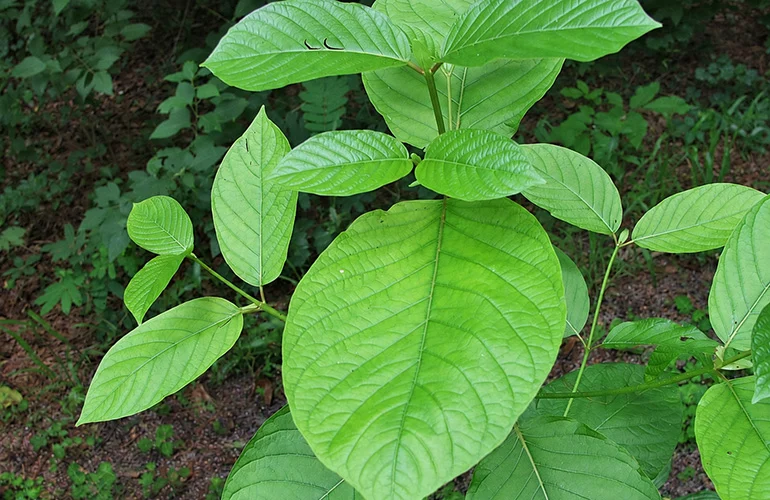
The United States Drug Enforcement Administration (DEA) has initiated a significant regulatory crackdown on a burgeoning class of semi-synthetic alkaloids derived from or related to Mitragyna speciosa, commonly known as kratom. On August 25, 2026, the agency issued a temporary scheduling order formally placing three potent synthetic substances—mitragynine pseudoindoxyl, MGM-15, and MGM-16—into Schedule I of the Controlled Substances Act (CSA). This action, which follows a period of intense review by the U.S. Department of Health and Human Services (HHS) and the Food and Drug Administration (FDA), marks a critical pivot in how federal regulators are managing the intersection of botanical products and synthetic opioid-like chemistry.
The emergency scheduling order serves as an immediate, albeit temporary, measure to mitigate what the DEA describes as an "imminent hazard to public safety." Under the provisions of the CSA, these substances are now subject to the highest level of regulatory scrutiny, effectively prohibiting their manufacture, distribution, importation, and possession outside of strictly controlled, licensed research environments.
The Regulatory Chronology: A Timeline of Escalation
The trajectory toward this scheduling decision began in earnest during the early summer of 2026. On July 1, the DEA published two pivotal Federal Register notices that signaled the agency’s intent to address the rise of synthetic alkaloids. The first notice addressed the specific trio of mitragynine pseudoindoxyl, MGM-15, and MGM-16, while the second focused on establishing threshold levels for 7-hydroxymitragynine (7-OH), another psychoactive alkaloid found in kratom.
By July 6, these notices were officially codified in the Federal Register, triggering a 30-day public comment period. During this window, the Office of the Assistant Secretary for Health (OASH) evaluated the clinical profile of these substances. After verifying that there were no active investigational drug applications (INDs) or approved new drug applications (NDAs) for these chemicals, the OASH confirmed that they lacked any recognized medical utility in the United States and possessed a substantial potential for abuse.
Following the synthesis of these comments and a final review by the Attorney General’s office, the DEA moved forward on August 25 with the final temporary scheduling order. This order remains in effect for two years, with the possibility of a one-year extension if further action is not taken to permanently classify the substances or if they do not receive an exemption under the Federal Food, Drug and Cosmetic Act (FD&C Act).
Scientific Justification and Pharmacological Risks
The DEA’s decision rests on a foundation of pharmacological data suggesting that these semi-synthetic substances pose risks far greater than those associated with traditional botanical kratom. According to the agency’s assessment, the shift in the market toward highly potent, standardized synthetic compounds has necessitated a more aggressive regulatory posture.
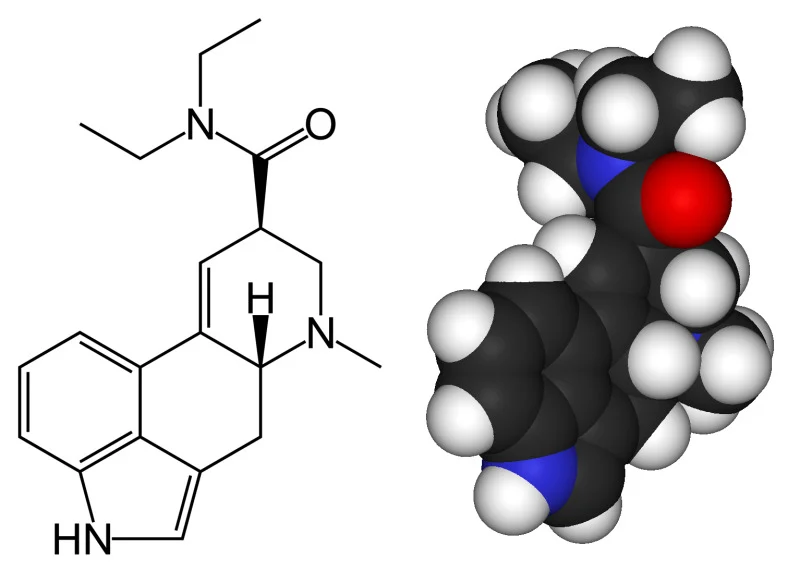
Data presented by the DEA highlights that mitragynine pseudoindoxyl exhibits a binding affinity for the mu-opioid receptor that is approximately 100 times more potent than naturally occurring mitragynine. Furthermore, MGM-15 and MGM-16 have demonstrated potencies between 50 and 240 times that of morphine in preclinical animal models. These substances function as mu-opioid receptor (MOR) agonists, inducing effects clinically analogous to traditional opioids, including the risk of profound respiratory depression, physical dependence, and psychological addiction.
The agency specifically noted the "deceptive advertising" surrounding these products, which often misleads consumers into believing these synthetic derivatives are simply more concentrated versions of natural kratom. By masking these potent opioids in formats like fruity-flavored beverages or chewable supplements, manufacturers have effectively lowered the barrier to entry for users, potentially exposing a broader demographic to opioid-like toxicity without adequate warning or age restrictions.
Economic and Legal Implications for Stakeholders
The immediate impact of the August 25 order is the total cessation of commercial sales for the three named substances. Retailers currently carrying these products are required to clear them from shelves, as their continued sale constitutes a violation of the CSA, carrying severe administrative, civil, and criminal penalties.
For the research community, the landscape has also changed. Researchers seeking to study these compounds must now secure a Schedule I registration from the DEA. This involves rigorous security requirements, strict record-keeping protocols, and adherence to federal oversight, which may deter smaller laboratories from continuing investigations into these specific molecules.
Legal analysts, such as Brian Malkin, Co-Chair of the Spencer Fane Cannabis and FDA Pharmaceutical and Biologics Market Teams, have pointed to potential ambiguities in the language surrounding the scheduling of 7-hydroxymitragynine. The DEA’s proposed threshold for 7-OH, which triggers scheduling based on concentration levels in a product, relies on the term "article." As this term is not explicitly defined within the context of the CSA, there is ongoing debate regarding whether this refers to a single unit dose or the entire container of a product. OASH has acknowledged these concerns, extending the comment period for the 7-OH threshold determination until September 10, 2026, to allow for further clarification.
Broader Public Health Context
The distinction between botanical kratom and these semi-synthetic derivatives is a focal point of the current debate. The DEA’s current order does not categorize botanical kratom itself as a Schedule I substance. However, the agency’s focus on the concentration of 7-OH suggests a strategy of "regulatory pruning"—targeting specific, high-risk elements of the market while leaving the traditional, low-potency botanical industry under a different, albeit still uncertain, regulatory framework.
The prevalence of use, which was estimated at approximately 2 million individuals by 2022, provides context for why regulators view this sector with increasing concern. The rapid onset of effects and the duration of these synthetic compounds, which can last for several hours, create a high potential for unintentional overdose, especially when combined with other substances.
The public health rationale for the scheduling is that these chemicals are being "engineered" to circumvent existing drug laws while retaining the high-potency addictive profile of controlled opioids. By placing them in Schedule I, the DEA is signaling that it views these substances as chemical analogs or distinct synthetic drugs rather than natural products, thereby bypassing the lengthy standard scheduling process to address an "imminent hazard."
Industry Response and Future Outlook
The industry is currently in a state of rapid adjustment. Manufacturers and distributors are under pressure to reformulate products to avoid falling under the new threshold limits or to exit the market entirely. Industry associations have expressed concern that the lack of clear definitions regarding "articles" and the rapid pace of these scheduling decisions create an unpredictable business environment.
Moving forward, the focus will likely shift toward the September 10 deadline for comments on 7-OH. The data collected during this period will inform whether the DEA proceeds with a permanent, nationwide threshold for 7-OH concentration, a move that would fundamentally alter the landscape for every retailer and manufacturer of kratom products in the United States.
While the current action is temporary, the scientific consensus provided by the FDA and HHS regarding the lack of medical use and the high potential for abuse sets a strong precedent for permanent scheduling. As the two-year clock begins on these temporary controls, stakeholders are advised to maintain robust legal counsel and scientific consultation to ensure compliance with an evolving regulatory environment that is increasingly intolerant of synthetic, opioid-like chemical variations in consumer products.
In conclusion, the DEA’s intervention represents a significant expansion of its authority into the realm of semi-synthetic botanical derivatives. By prioritizing the potency and pharmacological risk of substances like MGM-15 and MGM-16, the agency is attempting to curb the rise of a new class of synthetic opioids before they become fully entrenched in the consumer market. Whether this approach effectively balances the need for public safety with the legitimate interests of the botanical industry remains the central question for policymakers and market participants alike in the coming months.