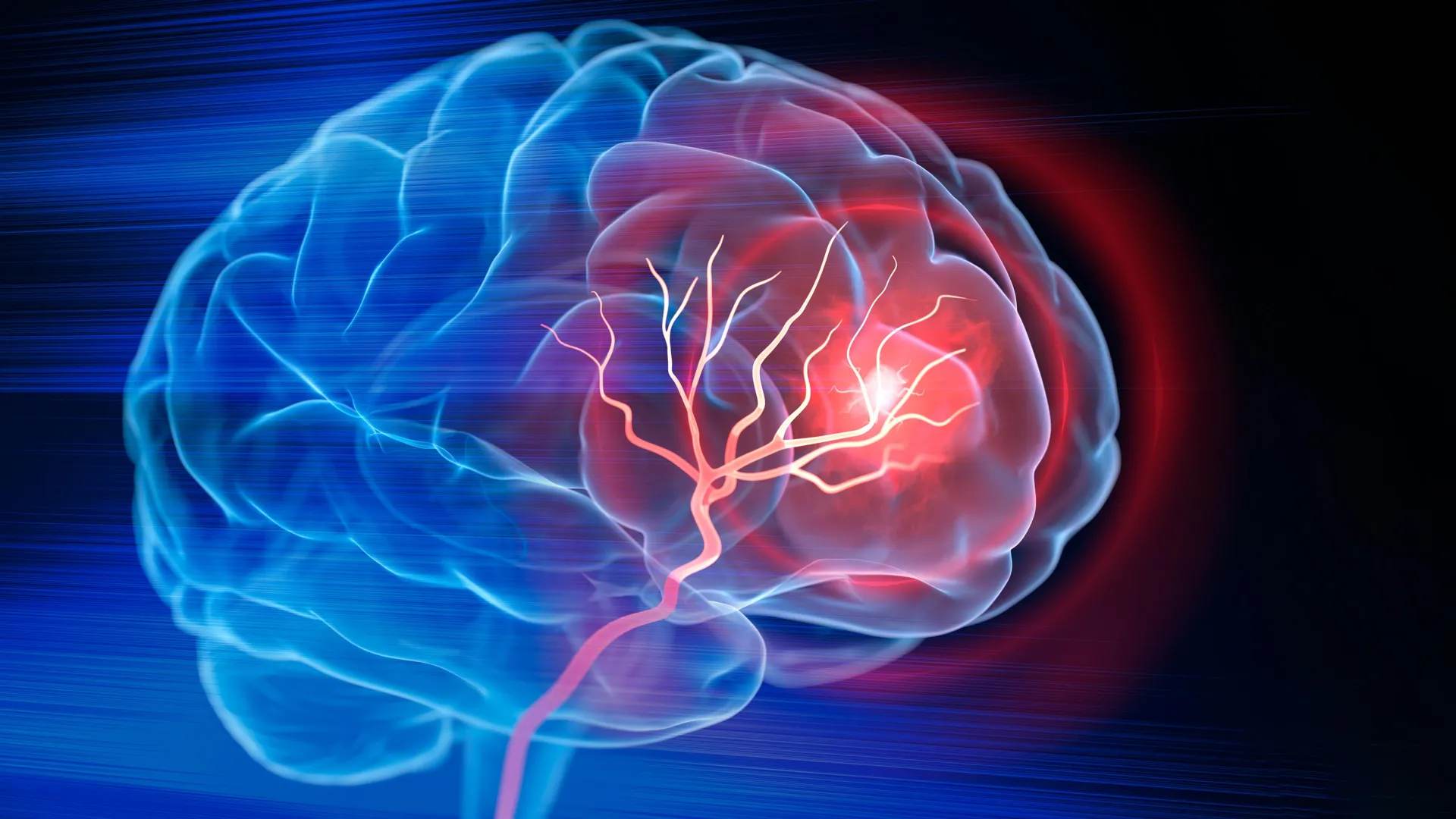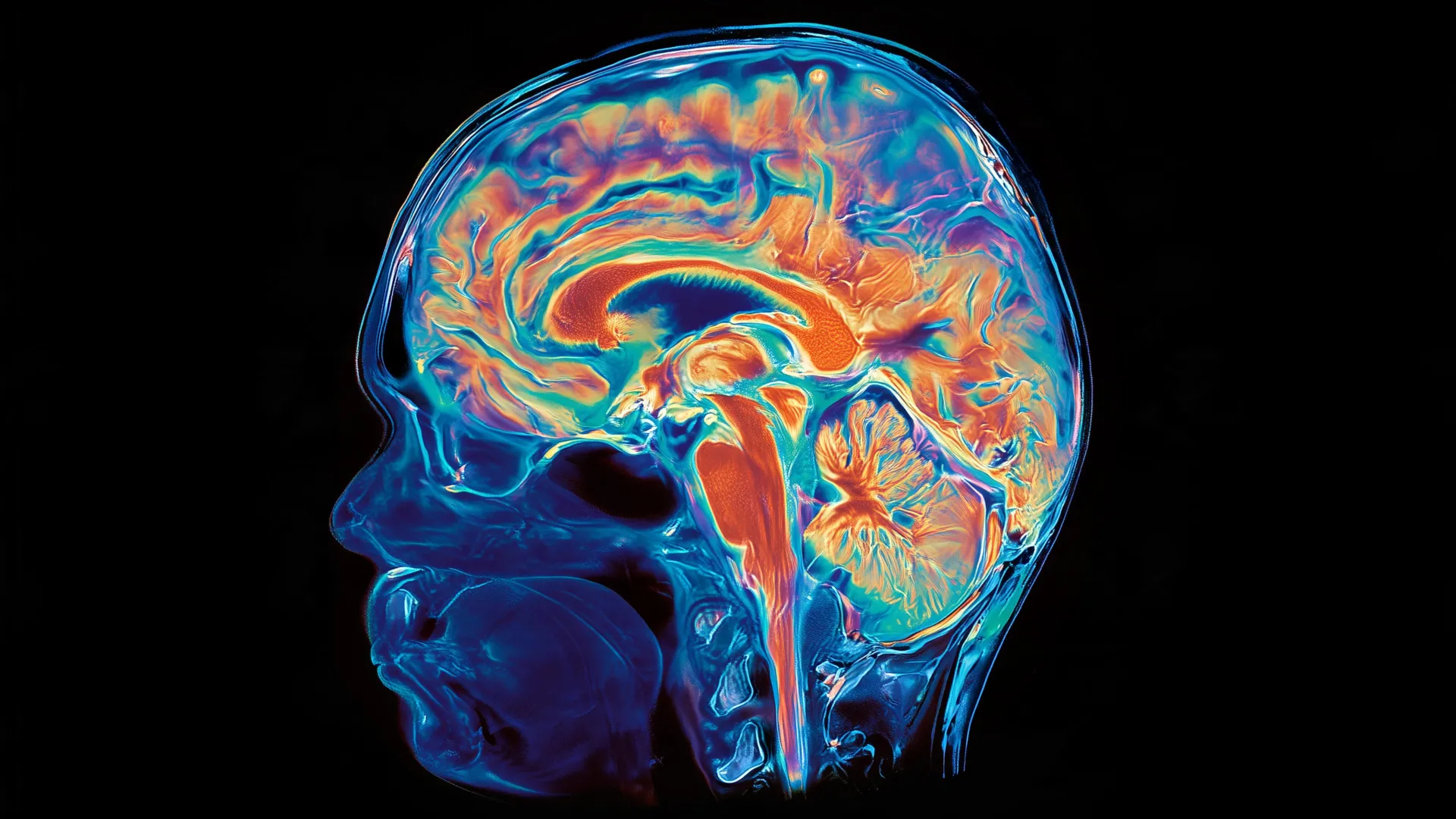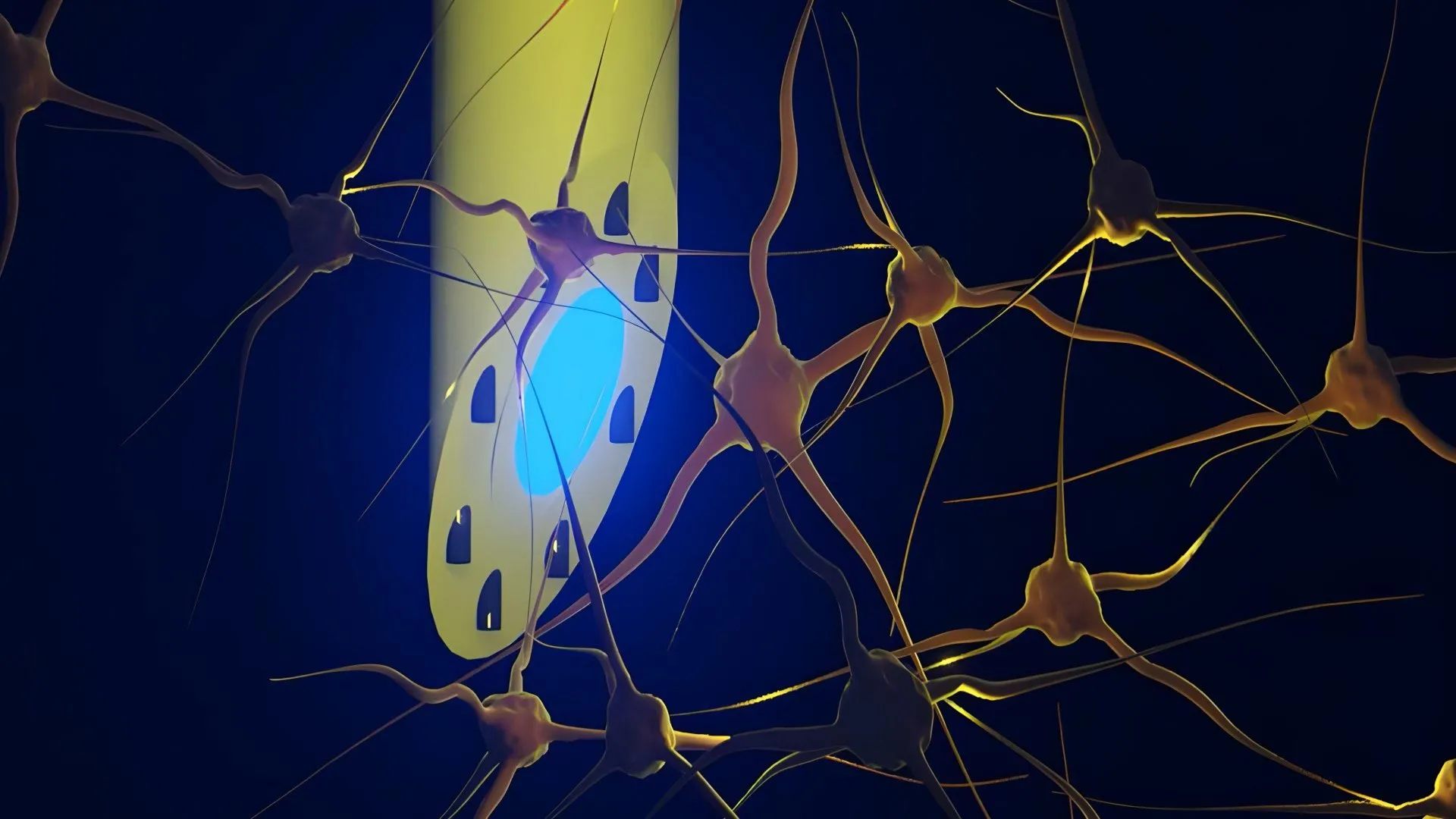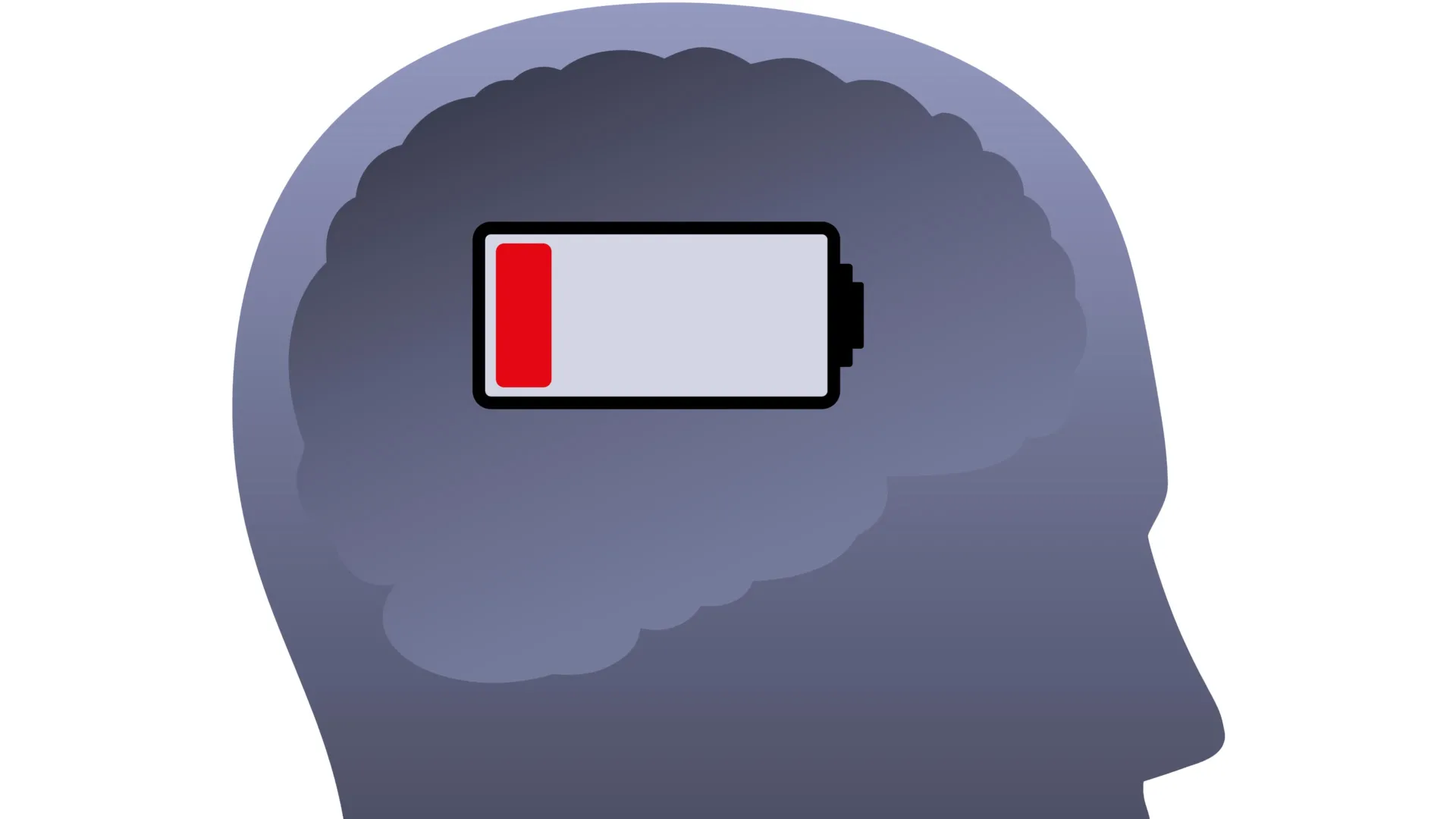
The human brain is a biological marvel of efficiency, consuming roughly 20 percent of the body’s total energy despite accounting for only about 2 percent of its weight. This immense metabolic appetite remains constant even when we drift into sleep, a state traditionally viewed as a period of restorative rest. However, new research from Tohoku University, published in the journal Communications Biology, reveals that the brain’s energy management during sleep is far more complex than previously understood. By observing the physiological shifts that occur during rapid eye movement (REM) sleep, scientists have uncovered a "metabolic paradox" where the brain’s demand for fuel spikes while its internal energy stores simultaneously dwindle, potentially explaining why vivid dreaming can leave us feeling cognitively exhausted upon waking.
The Mystery of Paradoxical Sleep
To understand the magnitude of this discovery, one must first consider the unique nature of REM sleep. Often referred to as "paradoxical sleep," this phase is characterized by a striking contradiction: while the skeletal muscles of the body are largely paralyzed—a state known as atonia—the brain exhibits electrical activity patterns that are nearly indistinguishable from those observed during wakefulness.
For decades, neuroscientists have studied REM sleep as the primary stage for vivid dreaming and critical memory consolidation. Yet, the underlying mechanisms that sustain this high-level cognitive work while the body is in a state of repose have remained elusive. Professor Ko Matsui of Tohoku University, who spearheaded the study, notes that the energy cost of dreaming has been a long-standing question in the field. "Sleep may appear peaceful, but the brain is highly active—especially when dreaming," Matsui observes. "We were intrigued by this paradox and wanted to look into the scientific basis behind why dreaming is somehow tiring."
Experimental Methodology: Observing the Brain in Real Time
Investigating the microscopic energy fluctuations of a sleeping brain presents a monumental technical challenge. To bypass the limitations of traditional, invasive monitoring, the research team at Tohoku University developed a specialized technique involving UV-curable resin to render the skulls of mice transparent. This innovation allowed for the longitudinal, real-time observation of brain activity during natural sleep cycles without the interference of anesthesia or surgical trauma.
Equipped with this "transparent window" to the brain, the researchers employed wide-field fluorescence imaging. This advanced diagnostic tool enabled them to track three critical variables simultaneously:
- Brain Blood Volume: A proxy for the delivery of oxygenated fuel and nutrients to neural tissue.
- Neuronal ATP (Adenosine Triphosphate): The fundamental molecular "currency" that powers cellular processes and neuronal firing.
- Astrocytic Pyruvate: A vital metabolic intermediate that bridges the gap between glucose supplied by the blood and the energy-producing cycles within brain cells.
By tracking these three markers, the team created a comprehensive map of how the brain manages its resources as it transitions through different sleep stages, from the slower, rhythmic oscillations of non-REM sleep to the chaotic, high-energy landscape of REM.
Chronology of the Metabolic Shift
The study’s most significant finding centers on the temporal predictability of these shifts. In non-REM sleep, the brain is characterized by delta-band frequency oscillations. However, the researchers noted that smaller fluctuations in the theta-band frequency served as a "leading indicator." These theta waves predicted changes in brain blood volume with a lead time of several seconds, suggesting that the brain’s vascular system is highly responsive, proactively adjusting blood flow to match localized neural activity.
A much larger-scale metabolic transformation occurred as the mice transitioned into REM sleep. The data revealed a distinct timeline of events:
- T-minus 50 seconds: Before the official onset of REM sleep, brain blood volume began to rise. This shift originated in the posterior cortex and propagated forward, suggesting a coordinated, large-scale neurological preparation for the REM state.
- Onset of REM: As the subjects entered the REM phase, astrocytic pyruvate levels surged. This indicates that the brain is either actively increasing the availability of metabolic fuel or ramping up glycolytic activity within astrocytes—the star-shaped support cells that regulate the environment for neurons.
- The Paradoxical Decline: Despite the influx of blood and the rise in astrocytic support, the actual concentration of neuronal ATP—the primary energy source for cellular activity—dropped.
Interpreting the ATP Deficit
The decline in neuronal ATP during the very period when the brain is most active offers a profound insight into the mechanics of dreaming. The research team proposed several hypotheses to explain this energy dip. First, the intense synaptic reorganization that occurs during REM sleep—a process essential for consolidating memories and pruning unnecessary connections—likely requires massive, rapid consumption of ATP.
Second, the study highlights the complex relationship between astrocytes and neurons. It is possible that the transfer of metabolic resources between these two cell types becomes bottlenecked or redirected during REM sleep. Finally, the researchers suggest that mitochondrial efficiency might be modulated during this stage, forcing the brain to burn through its energy stores faster than they can be replenished by incoming fuel. This "energy crunch" provides a biological basis for the cognitive fatigue often reported after a night of frequent or intense dreaming.
Broader Implications for Biological Intelligence
The findings from Tohoku University carry implications that extend far beyond sleep science, touching upon the fundamental principles of biological computation. Unlike silicon-based computers, which typically draw power from a steady, external source, the animal brain is a constrained system that must perform complex calculations within a strict, finite metabolic budget.
"Understanding how the brain balances energy supply and consumption may help explain what makes biological intelligence so efficient," says lead investigator Yusuke Takahashi. The research suggests that the brain is not a static power consumer; rather, it is a dynamic economy that redirects resources based on behavioral states, memory consolidation demands, and internal physiological needs.
Future Research and Clinical Outlook
The discovery that the brain essentially "prepares" for REM sleep metabolically, and that it operates under such high stress during the process, opens new avenues for clinical research. Disruptions in REM sleep are hallmark symptoms of various neurological and psychiatric conditions, including depression, post-traumatic stress disorder (PTSD), and neurodegenerative diseases like Alzheimer’s. If researchers can pinpoint the precise metabolic failures that occur during these sleep stages, it may be possible to develop interventions aimed at restoring healthy energy homeostasis in the brain.
Furthermore, this study challenges the medical community to re-evaluate the importance of sleep quality over sleep duration. If the brain is indeed working at an energy deficit during REM sleep, the efficiency of that "reorganization" process becomes the critical factor in mental performance the following day.
In conclusion, the Tohoku University study effectively dismantles the outdated notion that the sleeping brain is "idling." Instead, it reveals a highly active, strategically managed system that operates under tight constraints to preserve the integrity of our memory and cognitive function. As scientists continue to map the metabolic landscape of the brain, the "paradox" of REM sleep serves as a reminder that even in the quietest hours of the night, our minds are engaged in an intense, resource-heavy labor that is essential to the very essence of human intelligence.