Scientists at the Mark and Mary Stevens Neuroimaging and Informatics Institute (Stevens INI) at the Keck School of Medicine of USC have uncovered evidence that two neighboring types of brain tissue may work together to support thinking abilities later in life, suggesting that the integrity of local communication pathways could act as a vital buffer against the cognitive impacts of gray matter loss. The study, published in Alzheimer’s & Dementia: The Journal of the Alzheimer’s Association, provides a groundbreaking look at the interplay between superficial white matter and cortical structures, utilizing a diverse cohort of 459 adults aged 60 and older from India.
The Anatomy of Cognitive Resilience
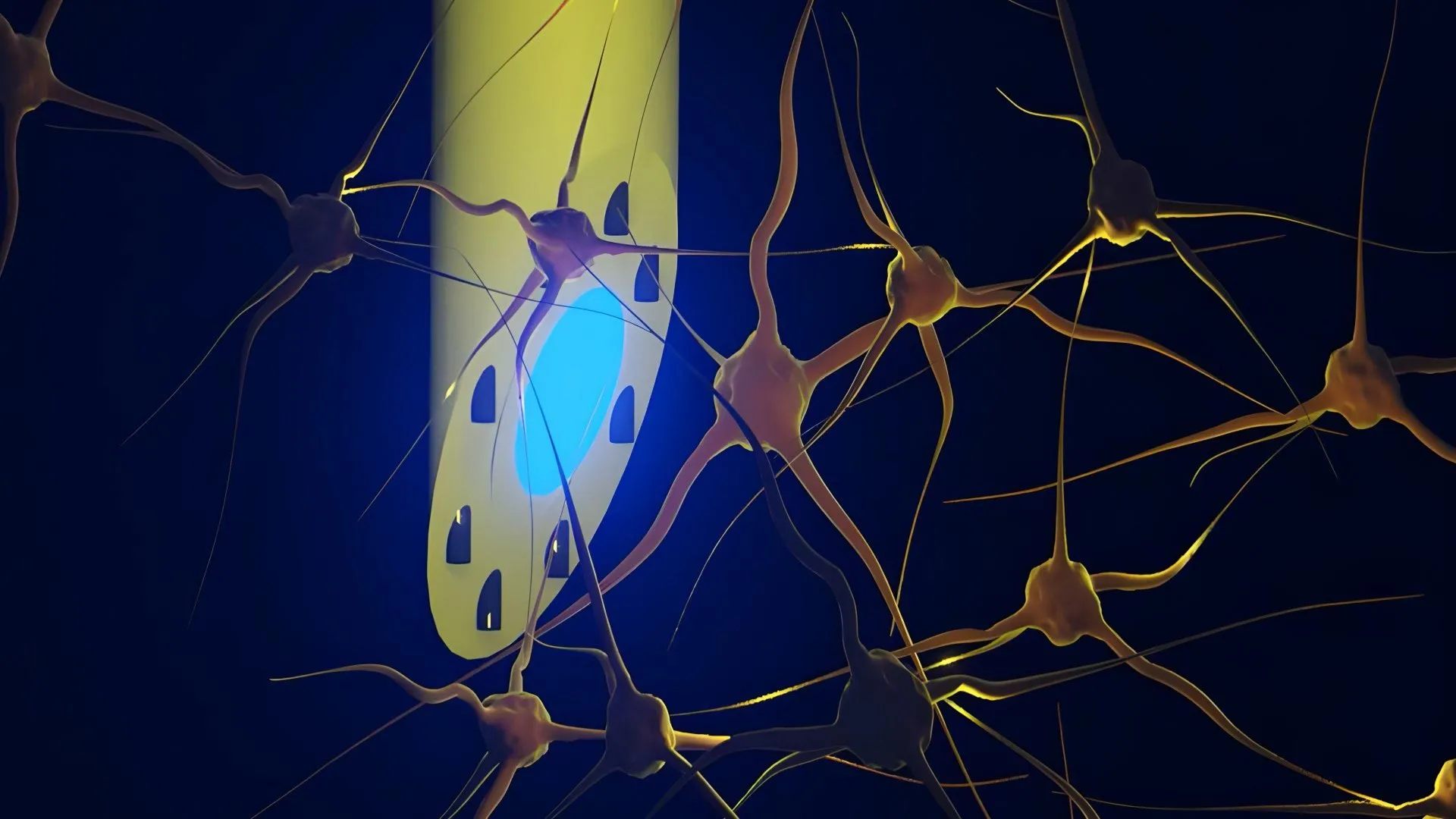
To understand the significance of these findings, one must first distinguish between the two primary tissue types under investigation. Gray matter, often described as the brain’s "processing center," contains the dense clusters of neuronal cell bodies responsible for higher-order functions such as memory, decision-making, and language. Conversely, superficial white matter—a thin, often overlooked layer of nerve fibers located immediately beneath the gray matter—functions as a local communication network. These short-range, curved fibers facilitate rapid data exchange between neighboring cortical regions.
Dr. Yingxu Liu, a postdoctoral scholar at the Stevens INI and the study’s lead author, emphasizes that the relationship between these tissues is synergistic. While gray matter processes information, superficial white matter ensures that those signals are effectively routed to nearby regions. The research indicates that cognitive longevity is not merely a product of maintaining a specific volume of gray matter, but is fundamentally dependent on the "wiring" that sustains the connectivity of that matter.
Methodological Innovations in Neuroimaging
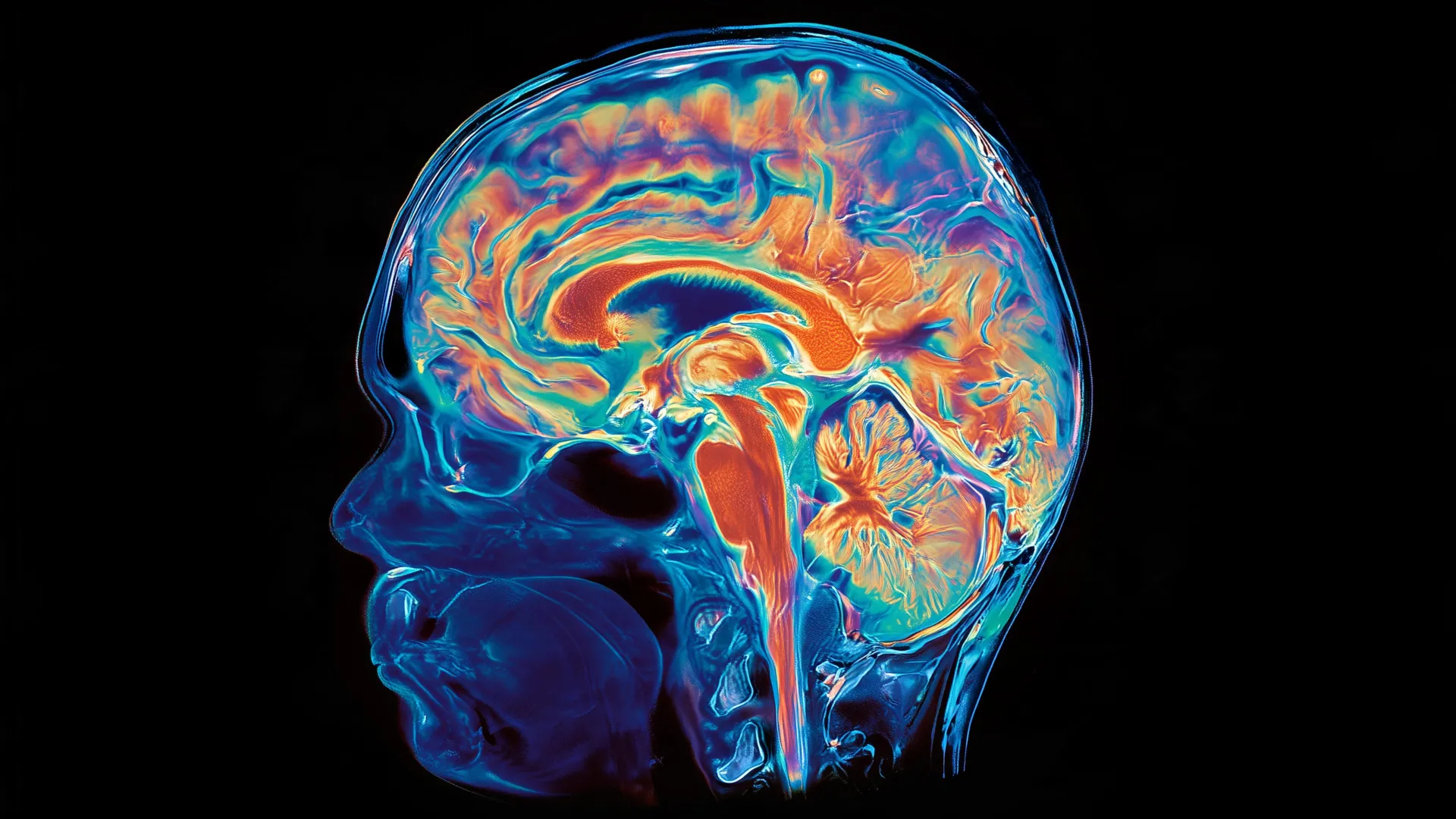
The research team employed advanced diffusion MRI (dMRI) technology to visualize these microscopic structures. Conventional MRI scans are often limited in their ability to resolve the complex architecture of white matter fibers. However, dMRI tracks the diffusion of water molecules within brain tissue, providing a high-resolution map of the underlying microstructural integrity.
The investigators specifically focused on neurite density—the concentration of the tiny, thread-like projections through which neurons transmit signals—and the presence of "free water." An increase in free water or a reduction in neurite density serves as a biomarker for neurodegeneration, inflammation, or the loss of myelin, the insulating sheath that allows electrical impulses to travel efficiently along nerve fibers. By quantifying these variables, the researchers were able to correlate the physical health of the brain’s "local roads" with the participants’ performance on rigorous cognitive assessments, which spanned domains including visuospatial memory, executive function, and verbal fluency.
Key Findings and the Language Connection
The data revealed a striking correlation: the health of superficial white matter in the frontotemporal regions of the brain is a significant predictor of linguistic performance. Participants who exhibited higher integrity in these local pathways demonstrated superior proficiency in word recognition, verbal fluency, and working memory.
Perhaps most significantly, the study offers a potential explanation for a long-standing clinical puzzle: why two individuals with identical levels of gray matter atrophy often exhibit vastly different levels of cognitive function. The findings suggest that when superficial white matter remains robust, it may provide a "cushioning" effect, allowing the brain to compensate for the degradation of gray matter. In contrast, when these local connections are compromised, even minor gray matter loss can lead to pronounced cognitive impairment. This identifies superficial white matter as a potential biomarker for "cognitive reserve"—the brain’s ability to improvise and find alternate pathways to complete tasks despite physical damage.
Expanding the Demographic Horizon
A critical element of this research is its departure from the "WEIRD" (Western, Educated, Industrialized, Rich, and Democratic) bias that has historically dominated neuroscientific studies. By utilizing data from the Harmonized Diagnostic Assessment of Dementia for the Longitudinal Aging Study in India (LASI-DAD), the research team incorporated a population that is largely underrepresented in global medical literature.
With over 60% of the participants residing in rural areas and more than half reporting low literacy levels or a lack of formal education, the study offers a rare opportunity to observe cognitive aging outside of traditional academic settings. The researchers observed that the association between superficial white matter health and language ability was notably stronger in individuals with lower educational attainment or those living in rural environments. While the authors caution against inferring direct causation between social factors and biological outcomes, they suggest that lifetime experiences—ranging from environmental exposures and nutrition to social engagement—likely intersect to shape the physical trajectory of the aging brain.
Chronology of the Research and Future Directions
The journey to these findings began with the recruitment and diagnostic efforts of the LASI-DAD initiative, a multi-year project aimed at understanding the social and biological determinants of dementia in India. The USC-led analysis represents a sophisticated secondary application of this longitudinal data.
Looking ahead, the research team highlights the necessity of long-term tracking to establish a temporal sequence of decay. Because the current study is cross-sectional—capturing a snapshot of participants at a single point in time—it remains unclear whether the deterioration of superficial white matter is a precursor to gray matter loss or a secondary consequence of it.
"Following participants over time will be essential to test whether preserving these connections can help maintain cognition," said Dr. Leon Aksman, assistant professor of research neurology at the Stevens INI and senior author of the study. Future research trajectories include investigating the role of vascular health, chronic inflammation, and the accumulation of amyloid-beta and tau proteins—the hallmarks of Alzheimer’s disease—in the degradation of these local neural networks.
Implications for Clinical Neurology
The implications for geriatric medicine are profound. If clinicians can identify early signs of superficial white matter degradation, it may be possible to intervene before significant cognitive decline occurs. Furthermore, these findings underscore the importance of lifestyle interventions that promote brain health, such as cardiovascular exercise and cognitive stimulation, which may protect not only gray matter but also the delicate wiring that connects it.
Dr. Arthur W. Toga, director of the Stevens INI and Provost Professor at USC, summarized the broader impact of the study: "A fuller understanding of brain aging requires research that reflects the world’s social, cultural, and geographic diversity. By studying an underrepresented population and looking beyond gray matter alone, this work brings us closer to identifying the biological and social factors that may protect cognition across the lifespan."
As the global population ages, the challenge of managing neurodegenerative conditions will become increasingly critical. This study moves the field toward a more holistic model of the brain—one that recognizes the interconnectedness of cellular architecture and the protective power of intact communication pathways. By shifting focus to include the "hidden wiring" of the brain, researchers are unlocking new avenues for therapeutic intervention, potentially changing the landscape of how we approach cognitive preservation in the 21st century.
The research was supported by an array of prestigious institutions, including the National Institute on Aging, the National Institute of Mental Health, and the National Institute of Neurological Disorders and Stroke, reflecting the high priority placed on unraveling the mysteries of cognitive resilience in an aging world. The collaborative effort involved a massive team of international researchers, underscoring the necessity of global cooperation in solving the complex biological puzzle of the human mind.