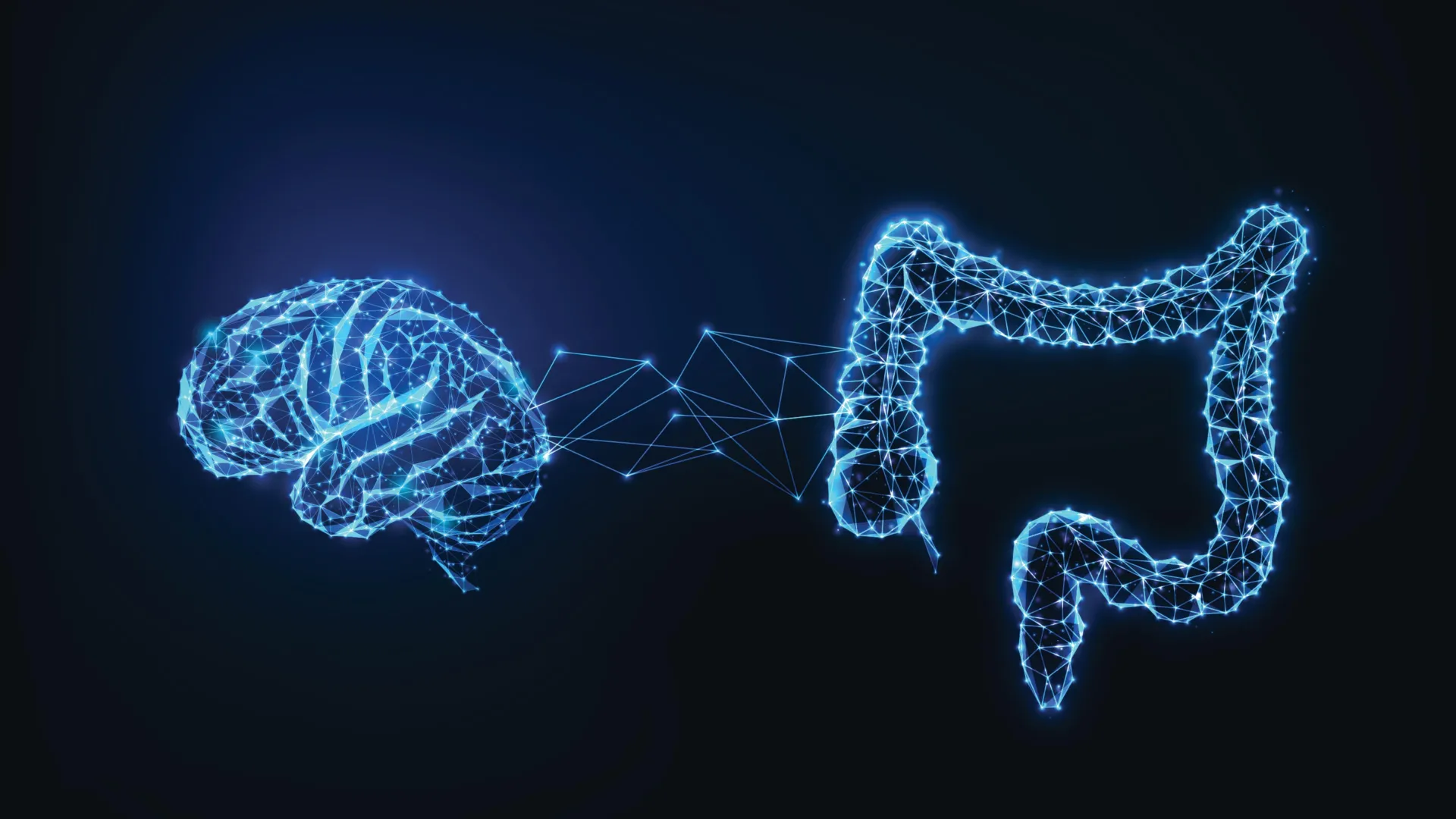
A growing body of medical research has increasingly pointed toward the human digestive tract as a vital, albeit complex, player in neurological health. New research spearheaded by the University of Wisconsin-Madison has uncovered a critical link between the gut microbiome and the onset of Alzheimer’s disease, specifically identifying a bacterial byproduct known as imidazole propionate (ImP). This compound, produced during the metabolism of the amino acid histidine, appears to circulate through the body and contribute to the pathological brain changes characteristic of dementia. The study, published in the journal Nature Communications, offers a promising, albeit early, roadmap for future therapeutic interventions that could potentially slow cognitive decline by modulating systemic levels of this specific metabolite.
A Decade of Microbiome Exploration
The investigation into the gut-brain axis is not a new endeavor for the scientific community, but it has gained significant momentum over the last ten years. In 2014, a research team led by professors Barbara Bendlin and Federico Rey at the UW School of Medicine and Public Health began analyzing the microbial composition of the human gut. Their initial observations revealed a striking disparity: the gut microbiomes of patients diagnosed with Alzheimer’s disease differed fundamentally from those of cognitively healthy peers.
"Since then, we’ve been trying to figure out how this difference in the gut perhaps leads to changes in the brain," says Dr. Bendlin, a professor of medicine at UW-Madison. This longitudinal pursuit has sought to move beyond mere correlation, aiming to establish the precise biochemical pathways by which gut-dwelling microorganisms influence neurological function. The recent identification of ImP represents a significant milestone in this timeline, providing a tangible mechanism—a "smoking gun"—that connects microbial activity to cognitive health.
The Mechanism of Imidazole Propionate
Imidazole propionate is a metabolite generated by certain bacteria as they break down histidine, an essential amino acid found in protein-rich foods such as meat, eggs, and dairy. While the presence of ImP-producing bacteria is relatively common, the abundance of these microbes varies significantly across the human population.
Dr. Federico Rey, a professor of bacteriology at UW-Madison, emphasizes that clinical significance does not always correlate with bacterial quantity. "ImP-producing bacteria are present in a large fraction of people, but they’re not very abundant in most people," Rey notes. "But something we have learned over the years is that a microbe doesn’t have to be abundant to have an impact on the host."
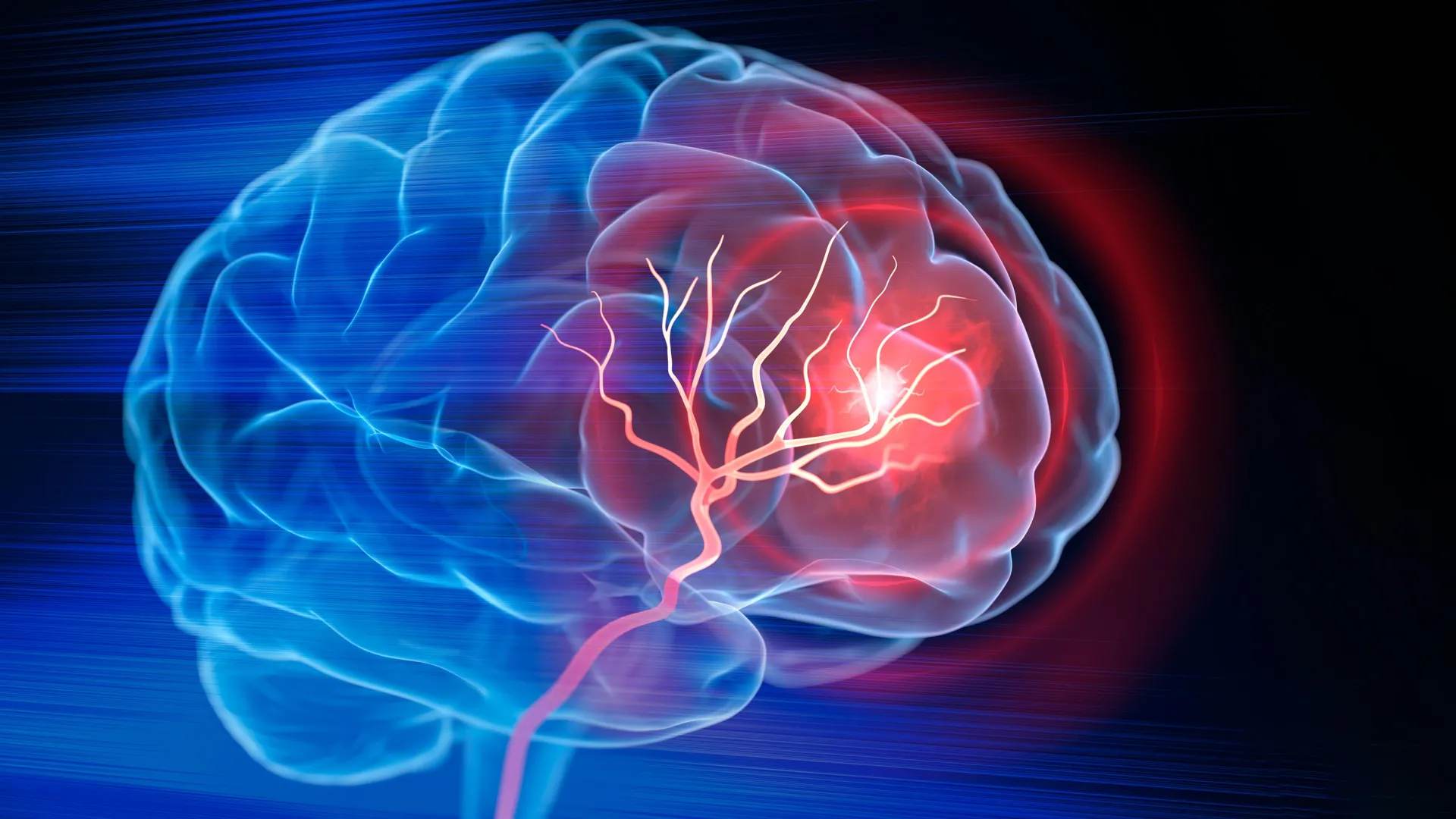
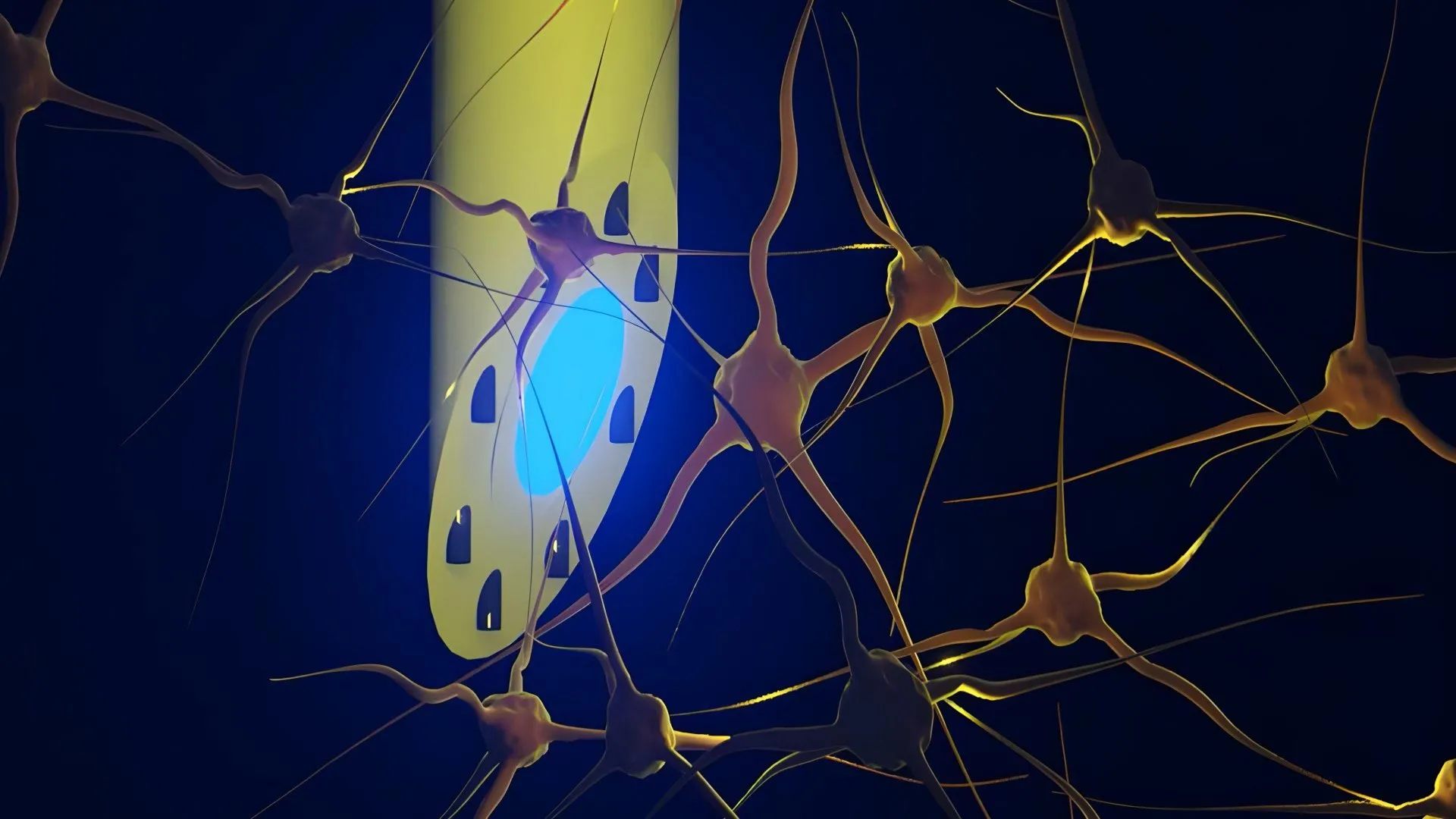
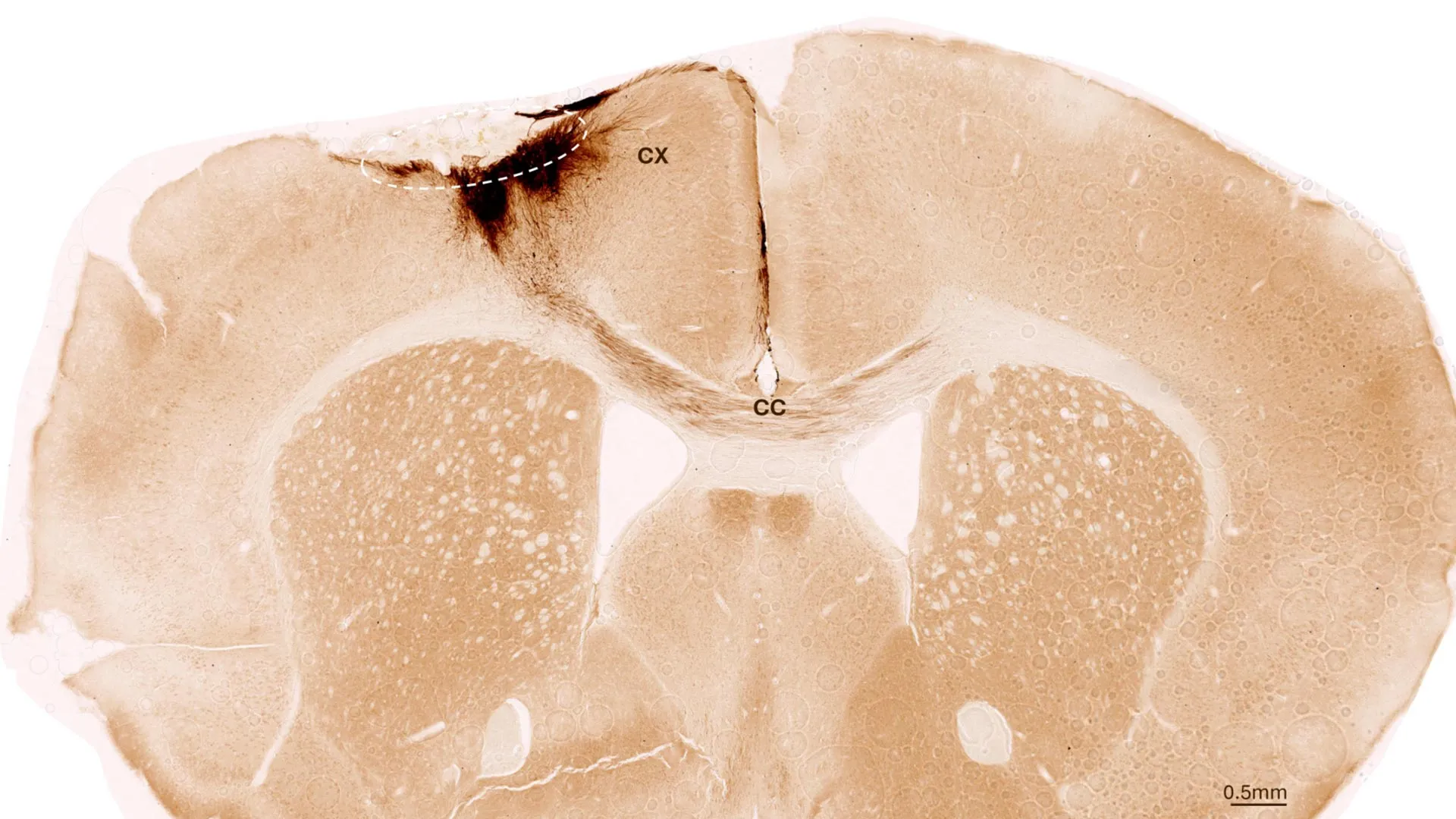
Once synthesized in the gut, ImP is not confined to the digestive system. It enters the bloodstream, circulating throughout the body. Previous studies have already established that elevated levels of ImP are associated with metabolic disturbances, specifically type 2 diabetes and coronary artery disease. This new research, however, expands the scope of ImP’s impact to the central nervous system. In animal models, the researchers observed that ImP infiltration into the brain exacerbated the accumulation of beta-amyloid plaques and tau proteins—the two primary neurotoxic hallmarks of Alzheimer’s disease. This accumulation triggers a cascade of neuronal cell death, which directly manifests as the cognitive deficits seen in human patients.
Quantitative Evidence and Human Clinical Data
To validate the findings observed in animal models, the research team analyzed longitudinal data from 1,200 participants enrolled in the Wisconsin Registry for Alzheimer’s Prevention (WRAP) and the Wisconsin Alzheimer’s Disease Research Center. By examining blood serum samples, the researchers correlated ImP concentrations with established biological markers of neurodegeneration.
The statistical correlation was compelling: participants with higher circulating levels of ImP exhibited a greater burden of neurotoxic proteins and significantly impaired neuronal function. Furthermore, because these participants had undergone regular cognitive evaluations over an extended period, the researchers were able to establish a temporal relationship. "We can see that the people with the highest ImP levels also experienced much faster cognitive decline," Dr. Rey explained.
This data is bolstered by the identification of a specific genetic variant that appears to regulate ImP levels. The study found that approximately 43% of the cohort possessed a genetic predisposition that resulted in higher concentrations of ImP in the blood. Scientists hypothesize that this genetic variation affects renal clearance, meaning the kidneys may be less efficient at filtering ImP from the bloodstream, leading to higher systemic exposure. This finding aligns with larger, independent genetic studies that have previously linked this specific variant to an increased risk of Alzheimer’s, providing a biological explanation for a previously unexplained genetic risk factor.
Therapeutic Potential and Dietary Considerations
The potential for clinical application is perhaps the most significant aspect of these findings. By identifying ImP as a modifiable risk factor, researchers are now looking toward pharmacological strategies similar to those used to manage cardiovascular disease.
"It could be just like cholesterol, where people with elevated cholesterol take a drug, a statin, that reduces their risk for heart disease," says Dr. Bendlin. "If we can find an inhibitor that can help decrease the levels of ImP in the blood, that could hopefully reduce the risk of Alzheimer’s and the speed of cognitive decline for a significant number of people."
However, the team urges caution regarding dietary interventions. Because histidine is an essential amino acid necessary for human survival, simply eliminating high-protein foods is not a viable or healthy strategy. "Generally improving your diet would probably help," Dr. Bendlin explains. "But it’s not as easy as saying, ‘Stop eating eggs’ or ‘Don’t eat so much red meat.’ Because you need histidine, and it’s all over the place."
Instead, the focus is shifting toward precision medicine. Rather than broad dietary restrictions, the development of targeted inhibitors—designed to block the production of ImP by gut bacteria or to accelerate its clearance from the blood—offers a more sophisticated approach to prevention.
Broader Implications for Neurodegenerative Research
The implications of this research extend beyond the immediate treatment of Alzheimer’s. It reinforces the burgeoning field of "psychobiotics" and the study of the gut-brain axis, suggesting that the path to curing complex neurodegenerative diseases may not lie entirely within the brain, but in the biological systems that support it.
The collaborative nature of this study, involving researchers from the University of California, Los Angeles, and the University of Gothenburg, underscores the global scale of the effort to solve the Alzheimer’s crisis. With funding support from the National Institutes of Health, the Wisconsin Partnership Program, and the U.S. Department of Agriculture, this work represents a multi-disciplinary commitment to addressing one of the most pressing public health challenges of the 21st century.
As the population ages, the prevalence of dementia is projected to rise significantly. If the presence of ImP can be successfully utilized as a biomarker for early risk assessment, clinicians may soon be able to screen individuals years before the onset of symptomatic cognitive decline. While further clinical trials are necessary to move from observation to intervention, the discovery provides a clear, actionable target for future drug development. The transition from identifying the bacteria in the gut to potentially treating the symptoms of Alzheimer’s via metabolic modulation marks a pivotal shift in how the medical community conceptualizes and treats neurodegeneration.