The prospect of reversing the long-term physical and cognitive impairments caused by a stroke has long been a "holy grail" of neurological medicine. For decades, the medical consensus has held that once brain cells die due to oxygen deprivation or hemorrhage, the resulting disability is essentially permanent. However, groundbreaking research emerging from the University of Zurich (UZH), in collaboration with the University of Southern California (USC), suggests that neural stem cell therapy may offer a pathway to genuine biological regeneration.
The Global Burden of Stroke
To understand the significance of this development, one must first look at the sheer scale of the medical crisis. According to data from the World Stroke Organization, one in four adults over the age of 25 will experience a stroke in their lifetime. Globally, stroke is the second leading cause of death and a leading cause of permanent disability.
In the United States alone, the Centers for Disease Control and Prevention (CDC) reports that someone has a stroke every 40 seconds. For the approximately 50% of survivors who face long-term complications—ranging from hemiplegia and speech aphasia to severe cognitive decline—the current standard of care is largely focused on rehabilitation rather than biological repair. Current clinical practices, such as the administration of tissue plasminogen activator (tPA) or mechanical thrombectomy, are highly effective at restoring blood flow if administered within the critical "golden hour" window. However, these interventions do nothing to replace the millions of neurons lost during the infarct. This is where the work led by Christian Tackenberg and his team at the UZH Institute for Regenerative Medicine seeks to rewrite the prognosis for survivors.
The Mechanism of Cellular Regeneration
The study, which utilized advanced imaging and biochemical analysis in mice, moved beyond the simple replacement theory of regenerative medicine. For years, scientists hypothesized that if you injected stem cells into a damaged brain, they might simply act as "filler" or chemical factories. The UZH research, however, reveals a more complex, multi-modal healing response.
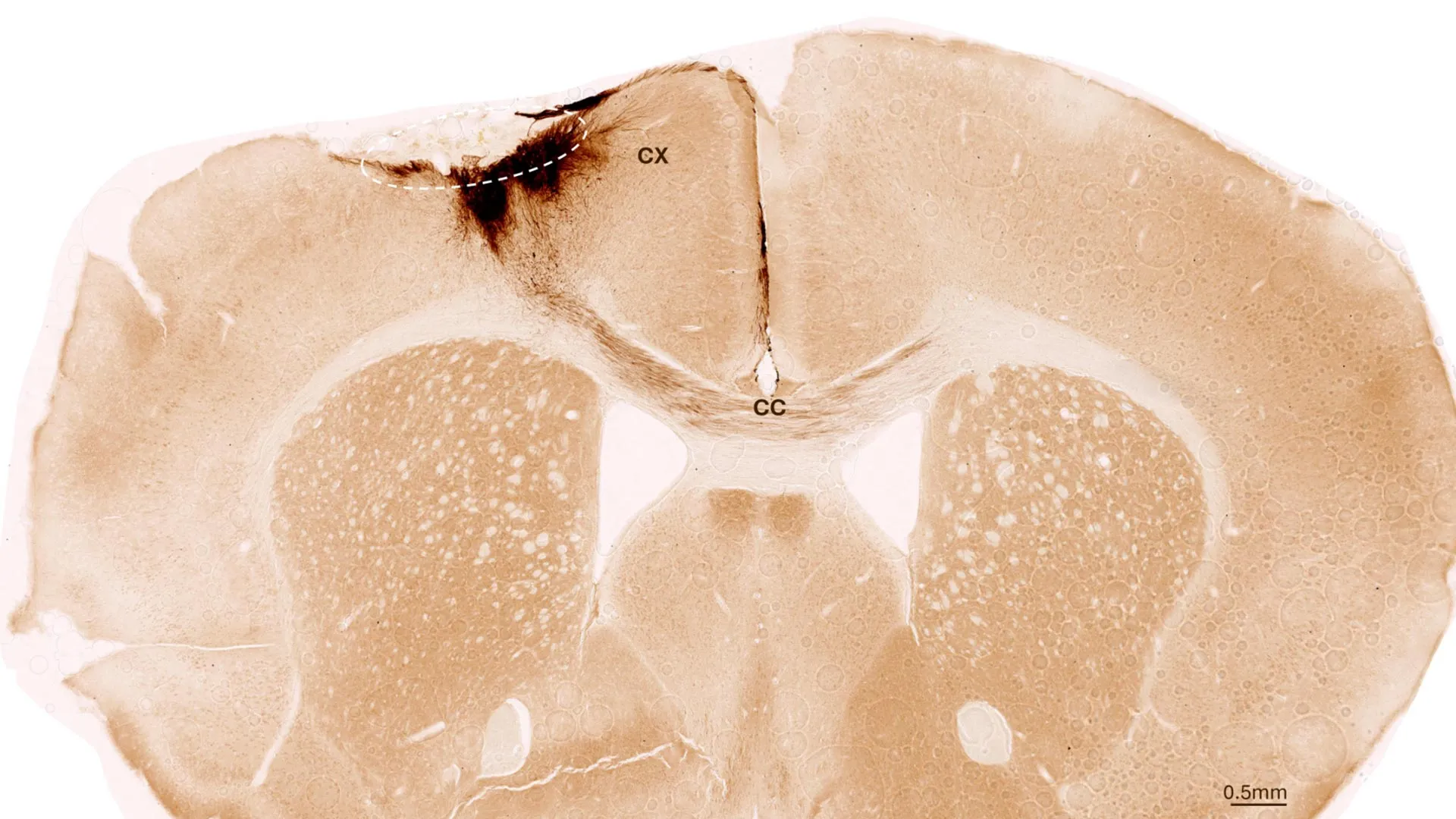
The team utilized human-derived induced pluripotent stem cells (iPSCs). By reprogramming ordinary somatic cells, researchers can essentially "reset" them to a blank slate, allowing them to differentiate into specialized neural cells. In these experiments, the cells were introduced into the damaged mouse brain one week after the induced stroke.
The findings were two-fold. First, the transplanted cells successfully survived for at least five weeks—a significant milestone in xenograft research. More importantly, these cells did not merely exist in the void left by the stroke; they actively integrated into the existing neural architecture, forming synapses and communicating with healthy, endogenous brain cells.
A Holistic Healing Cascade
Perhaps the most striking revelation of the study is that the stem cells acted as catalysts for a broader systemic repair. The researchers observed three distinct markers of systemic recovery:
- Angiogenesis: The formation of new blood vessels within the infarcted tissue, which is essential for restoring the metabolic environment necessary for brain cell survival.
- Anti-inflammatory Modulation: The treatment dampened the intense neuroinflammatory response that typically exacerbates brain damage in the days following a stroke.
- Blood-Brain Barrier (BBB) Integrity: The transplantation improved the structural integrity of the BBB, the critical interface that protects the brain from circulating toxins and pathogens.
When these biological improvements were mapped against the functional outcomes of the mice, the correlation was clear. Using AI-assisted motion tracking, researchers documented a measurable reversal of motor impairments. The mice exhibited gait patterns and mobility levels that suggested a functional recovery, rather than a mere compensatory adaptation.
The Temporal Window of Treatment
A critical insight from the study concerns the timing of the intervention. The research team discovered that administering the stem cells exactly one week post-stroke yielded better outcomes than immediate transplantation.
This finding carries immense weight for clinical translation. In a real-world emergency room setting, the immediate hours after a stroke are dominated by stabilization and trauma management. A therapeutic window that allows for a one-week delay provides clinicians with the necessary breathing room to evaluate the patient’s stability and prepare the specialized cell therapy, effectively moving the intervention from the "acute emergency" phase to the "early sub-acute" phase.
Safety Protocols and Regulatory Hurdles
Transitioning this therapy from a rodent model to human clinical trials involves navigating a minefield of ethical and biological safety concerns. One of the primary risks with pluripotent stem cells is the potential for uncontrolled growth, or teratoma formation. To address this, the team, working with Ruslan Rust, is developing a "safety switch"—a biological failsafe that would allow physicians to terminate the activity of the cells if they exhibit abnormal proliferation.
Furthermore, the team has taken a proactive approach to the production process. By establishing a protocol that avoids animal-derived reagents, they are aligning their research with the stringent regulatory requirements of agencies like the FDA and the EMA. This "xeno-free" production method is essential for future human safety, as it minimizes the risk of immunological complications and disease transmission.
Future Directions and Clinical Prospects
The path forward is now focused on moving from direct brain grafting to less invasive delivery methods. Brain surgery is inherently high-risk, and for widespread adoption, the team is investigating endovascular delivery—injecting the stem cells into the bloodstream, where they would be guided to the site of the lesion.
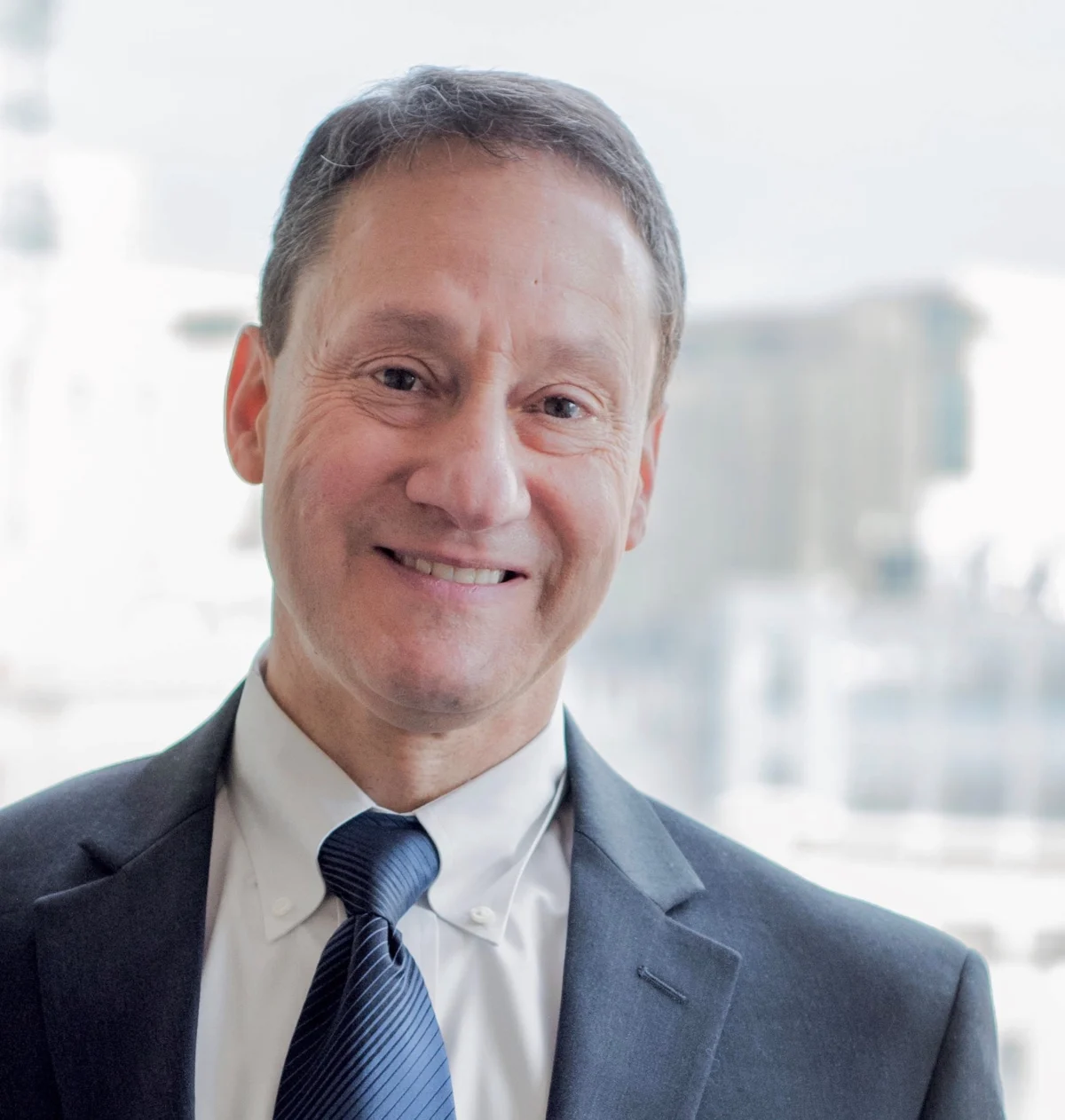
"Stroke could be one of the next diseases for which a clinical trial becomes possible," says Tackenberg. The precedent exists; Japan is already leading the way with clinical trials for iPSC-based treatments for Parkinson’s disease, providing a roadmap for how regenerative medicine can move from the laboratory to the bedside.
Analysis: The Shift in Neurological Strategy
The implications of this research extend far beyond the treatment of stroke. If the brain can be coaxed into repairing its own vascular and neural networks through the targeted introduction of stem cells, the same logic could eventually be applied to traumatic brain injuries (TBI) and neurodegenerative conditions such as Alzheimer’s disease.
However, caution remains the watchword for the medical community. While the data from the University of Zurich is robust, the jump from mouse models to human neurology is notoriously difficult. The human brain is vastly more complex, and the metabolic demands of human neural tissue are significantly higher. Nevertheless, by proving that transplanted cells can integrate into existing neural networks and trigger a broad-spectrum healing response, the research provides a tangible, scientifically grounded foundation for the next generation of regenerative neurology.
As the team moves toward developing a "clinical-grade" version of their therapy, the medical community will be watching closely. If the safety switch proves effective and the endovascular delivery proves feasible, we may be witnessing the beginning of a paradigm shift where stroke, once viewed as a permanent physical catastrophe, becomes a manageable condition with a clear path toward biological recovery.
The timeline for a human trial remains speculative, as the team must complete rigorous safety testing and regulatory review. However, the collaborative efforts between UZH, the University of Southern California, and Kyoto University’s Center for iPS Cell Research and Application (CiRA) create a formidable international network capable of bridging the gap between basic research and clinical reality. For the millions of stroke survivors worldwide, this research offers something that has been in short supply for decades: a legitimate, science-backed hope for healing.