A groundbreaking study conducted by neuroscientists at the University of Rochester Medicine has unveiled a transformative approach to stroke rehabilitation, suggesting that the key to improved recovery may lie in the body’s innate circadian rhythms. Published in the Journal of Clinical Investigation, the research indicates that reinforcing the brain’s internal 24-hour clock can significantly enhance the glymphatic system—the brain’s specialized waste-clearance network—thereby reducing persistent inflammation and accelerating healing long after the initial injury has occurred. This discovery challenges traditional stroke treatment models, which have historically focused on the immediate, narrow window of acute intervention, by shifting the focus toward long-term physiological regulation.
A New Perspective on Stroke Pathology
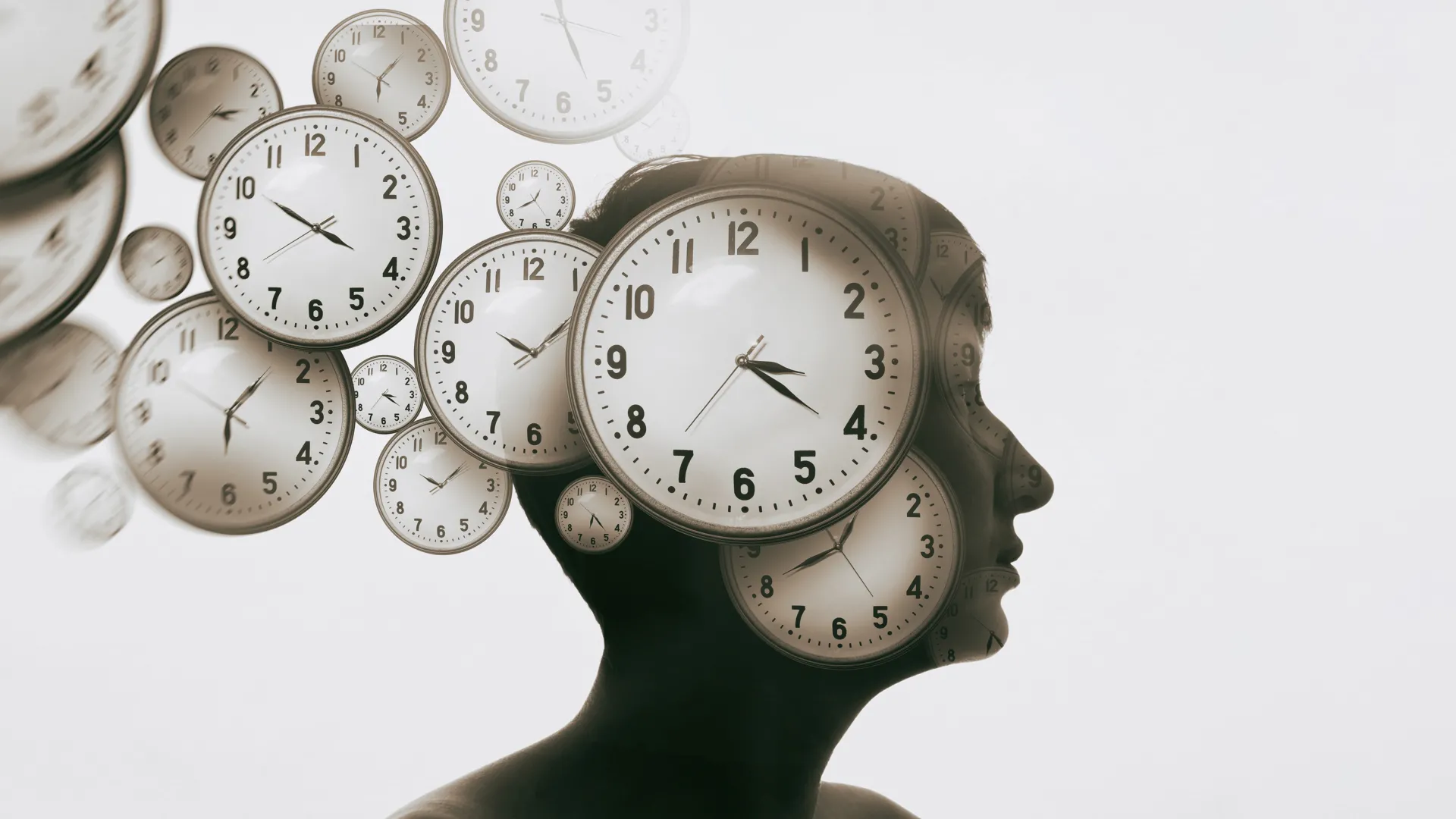
For decades, the medical community has viewed stroke primarily as a vascular event—a sudden disruption of blood flow to the brain that requires immediate emergency intervention to prevent tissue death. However, lead author Dr. Lauren Hablitz and her team propose that stroke is fundamentally a "disorder of timing." Clinical observations have long confirmed that strokes are not random; they exhibit distinct circadian patterns, occurring with higher frequency in the early morning hours and often presenting with increased severity when they occur toward the end of the sleep cycle.
The Rochester study suggests that the post-stroke environment is characterized by a "failure of cleaning." Following an injury, the glymphatic system—which serves as a conduit for cerebrospinal fluid (CSF) to circulate through brain tissue and flush out metabolic waste—becomes severely impaired. When this system falters, inflammatory molecules and toxic debris accumulate within the brain, exacerbating damage and hindering the recovery of motor and cognitive functions. By viewing stroke as a temporal disruption, researchers believe they can pivot from merely preventing the initial injury to actively facilitating the brain’s own restorative cleanup process.
The Evolution of Glymphatic Science
The implications of this study are rooted in more than a decade of pioneering research into brain physiology. In 2012, Dr. Maiken Nedergaard’s laboratory at the University of Rochester first identified the glymphatic system, fundamentally changing how neuroscientists understand brain maintenance. The team demonstrated that the brain is not a static organ but one that undergoes a rigorous "wash cycle," particularly during sleep, to remove protein aggregates and cellular waste.
In 2020, a landmark study led by Dr. Hablitz and Dr. Nedergaard further evolved this understanding by proving that the glymphatic system is governed by circadian rhythms independently of sleep. This established that the brain has an internal "metronome" regulating its cleanup efficiency. When this rhythm is disrupted—as is common following a stroke—the brain’s ability to purge harmful inflammatory cytokines is compromised, creating a vicious cycle of toxicity that prevents healing. This latest research represents the logical, clinical application of these foundational biological principles.
Experimental Design and Methodology
To test whether manipulating the circadian clock could foster recovery, the research team utilized mouse models of stroke. Crucially, the intervention was delayed until three days post-stroke, a period well outside the typical window for thrombolytic "clot-busting" drugs like tPA. This delay was a strategic choice, designed to determine if the brain’s recovery trajectory could be altered during the sub-acute phase of the injury.
The researchers employed a multi-modal approach to "reset" the biological clock, including:
- Controlled Phototherapy: Precisely timed light exposure to signal the suprachiasmatic nucleus, the brain’s master clock.
- Pharmacological Intervention: The use of KL001, a small-molecule drug known to stabilize clock proteins.
- Melatonin Supplementation: To support sleep-wake cycle regulation.
- Time-Restricted Feeding: Aligning nutrient intake with the organism’s natural metabolic rhythms.
The findings were significant. Regardless of the specific intervention, the treated mice exhibited reduced lesion volumes, improved motor function, and, most importantly, a measurable increase in glymphatic flow. Furthermore, the levels of pro-inflammatory cytokines—the chemical messengers that often drive secondary damage after a stroke—were markedly lower. According to Dr. Hablitz, the consistent reduction in various inflammatory markers suggests that the treatment does not target a single pathway but rather restores the brain’s holistic capacity to clear its own metabolic refuse.
Clinical Implications and Future Directions
The potential for human application is significant, particularly regarding time-restricted feeding and light therapy. These interventions are non-invasive, low-cost, and, unlike pharmaceutical treatments, do not carry the risk of adverse systemic side effects. As the global burden of stroke continues to rise, the ability to implement recovery-focused protocols in home settings could revolutionize rehabilitation outcomes, reducing the length of hospital stays and improving the quality of life for long-term survivors.
Medical experts observing the study note that if these results are replicated in human clinical trials, it would represent a paradigm shift in neuro-rehabilitation. Currently, stroke care is heavily front-loaded; once a patient is stabilized, recovery is largely left to physical and occupational therapy. Incorporating circadian stabilization could offer a pharmacological and behavioral bridge that actively supports the brain’s biological readiness to heal.
Challenges and Necessary Further Inquiry
Despite the optimism surrounding these findings, the researchers are careful to emphasize that the data is currently limited to animal models. The human brain is exponentially more complex, with social, psychological, and lifestyle variables that can heavily influence circadian integrity. Future research must address several key questions:
- Causality: While the correlation between improved glymphatic flow and motor recovery is strong, researchers must definitively prove that the restored waste clearance is the primary driver of functional recovery.
- Scalability: How can clinical environments, which are often characterized by erratic noise and light exposure, be modified to support a patient’s internal clock?
- Individual Variability: Stroke patients vary significantly in age, comorbidities, and genetic predisposition. Identifying which patients are most likely to respond to circadian interventions will be essential for personalized medicine.
The Broader Neuroscience Context
This study arrives at a time when the neuroscience community is increasingly focused on the "glymphatic-circadian axis." There is growing evidence that the failure of this system may play a role in other neurodegenerative conditions, such as Alzheimer’s disease and traumatic brain injury (TBI), where the accumulation of misfolded proteins is a central feature of the pathology.
By identifying that the brain’s recovery is contingent upon the efficient removal of waste products, the University of Rochester team has opened a new avenue for therapy. The goal is no longer just to stop the injury from spreading, but to optimize the environment in which the brain repairs itself.
"We are moving toward a more nuanced understanding of the brain as a system that requires a specific temporal structure to function," noted one independent researcher familiar with the study. "If we can provide the brain with the right timing, it may possess more inherent capacity for self-repair than we previously believed."
As the scientific community prepares for the next phase of this research—likely involving longitudinal studies and potential pilot clinical trials—the focus will remain on how simple, rhythmic interventions can provide profound physiological benefits. By aligning medical treatment with the body’s natural 24-hour cycle, researchers hope to redefine what is possible in the aftermath of a neurological crisis, potentially offering millions of stroke survivors a better path toward recovery.