

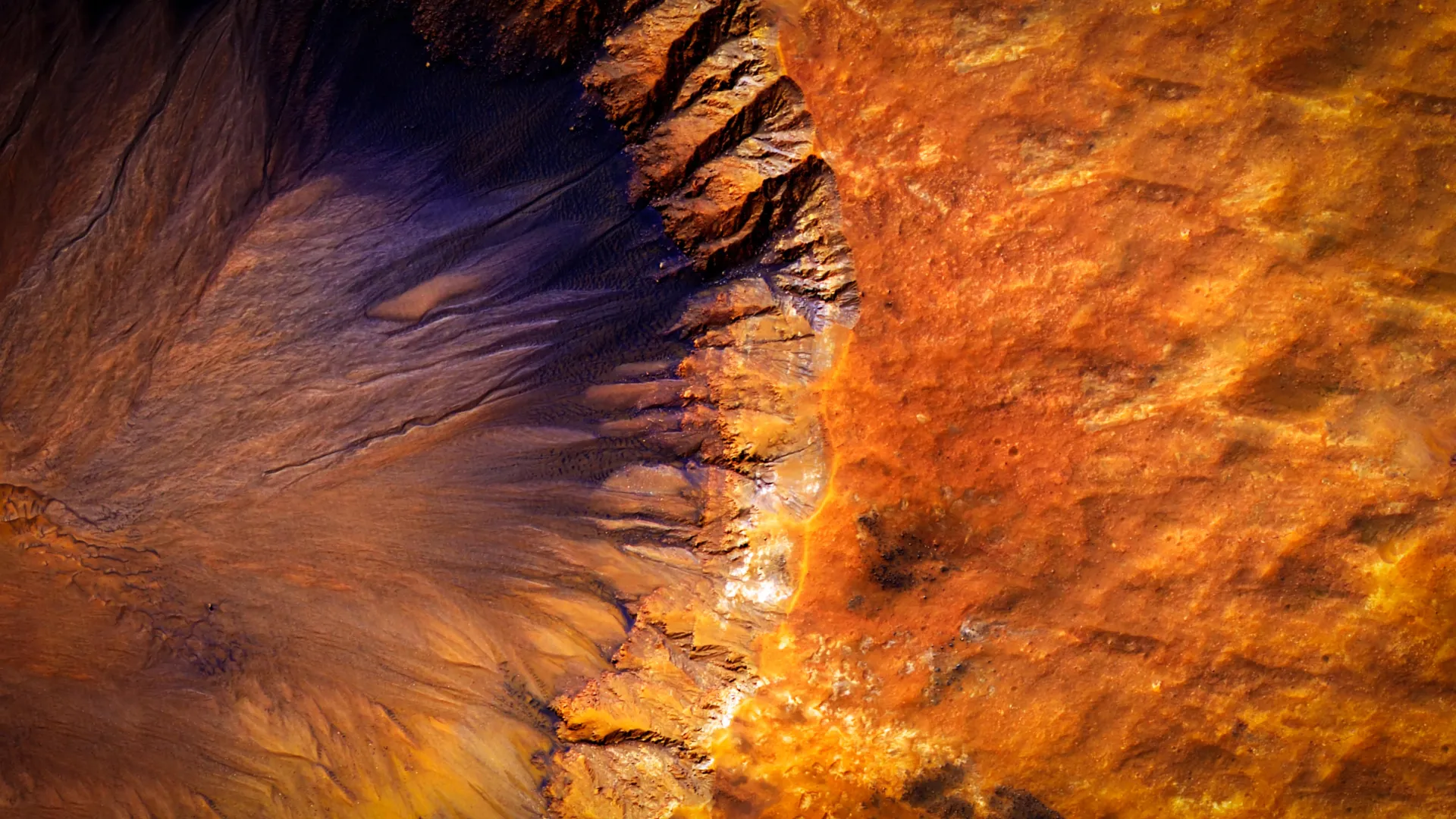
Mars, a celestial neighbor shrouded in an aura of desolate beauty, presents a formidable challenge to the very concept of life. Its thin atmosphere offers scant protection from the harsh realities of space, making any potential or extant biological entities subject to extreme environmental pressures. Among the most significant threats are the cataclysmic shock waves generated by meteorite impacts, events that have sculpted the Martian landscape over eons, and the pervasive presence of perchlorates within its ruddy soil. These highly reactive salts are not merely a geological curiosity; they possess a formidable capacity to disrupt fundamental biological processes. Perchlorates interfere with the delicate molecular architecture essential for life, specifically targeting hydrogen bonds and hydrophobic interactions – the very forces that underpin the stability of proteins and other vital cellular components. Understanding how life might not only endure but potentially thrive under such unforgiving conditions is a central pursuit in astrobiology, and recent research is shedding new light on this enduring question, using one of Earth’s most unassuming organisms: yeast.
The Humble Yeast: A Microcosm of Life’s Struggle
In a groundbreaking study, Purusharth I. Rajyaguru and a team of international researchers have harnessed the power of Saccharomyces cerevisiae, a common baker’s yeast, to simulate and investigate life’s potential responses to Mars-like environmental stressors. The choice of yeast is not arbitrary; this single-celled fungus shares a remarkable number of fundamental biological mechanisms with more complex life forms, including humans. This genetic and cellular kinship makes it an invaluable model organism for studying biological resilience. Furthermore, Saccharomyces cerevisiae has a history of space exploration, having been included in previous experiments designed to assess the effects of spaceflight on living organisms, thereby providing a robust foundation for its use in extraterrestrial survival studies.
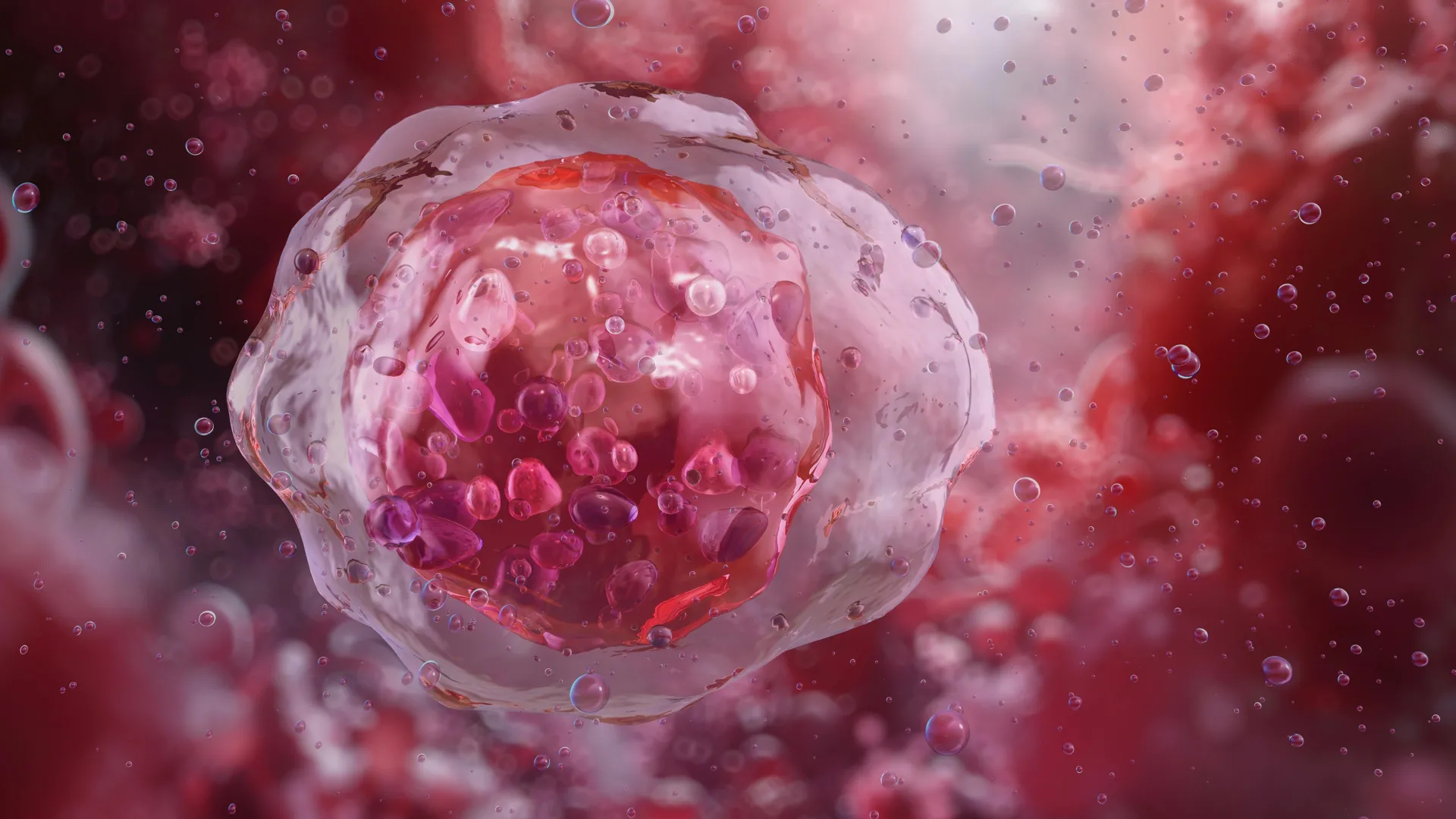
The core of this research lies in understanding how cells, when confronted with adversity, activate intricate protective mechanisms. One particularly significant response involves the formation of transient structures known as ribonucleoprotein (RNP) condensates. These dynamic assemblies, composed of RNA and proteins, act as cellular fortresses, safeguarding essential genetic material and orchestrating the cell’s defense strategies against stress. Upon the abatement of adverse conditions, these protective structures disassemble, allowing normal cellular functions to resume. Within the realm of RNP condensates, two key players emerge: stress granules and P-bodies. Both are critical in the management of RNA, the molecular messenger that carries the genetic blueprints for protein synthesis, a process fundamental to all life.
Recreating Martian Extremes in the Laboratory
To meticulously replicate the harsh conditions found on Mars, the researchers employed a state-of-the-art facility: the High-Intensity Shock Tube for Astrochemistry (HISTA), housed at the Physical Research Laboratory in Ahmedabad, India. This specialized apparatus is designed to generate powerful shock waves, mimicking the immense forces unleashed when meteorites collide with planetary surfaces. The HISTA device allowed the scientists to precisely control the intensity and duration of these simulated cosmic impacts.
In their experiments, the yeast cells were subjected to shock waves reaching an astonishing 5.6 times the speed of sound – a force comparable to that experienced during significant meteorite impacts on Mars. Complementing the study of physical trauma, the research also delved into the chemical toxicity of Martian soil. The team introduced sodium perchlorate (NaClO4) into the yeast cultures at a concentration of 100 millimolar (mM). This concentration is not hypothetical; it is directly reflective of perchlorate levels that have been measured in Martian regolith by various space missions, including NASA’s Phoenix lander, which detected perchlorates in its soil samples in 2008, sparking significant debate about the planet’s habitability.
Unveiling Yeast’s Tenacity Under Simulated Martian Stress
The results of these rigorous experiments were nothing short of remarkable. Despite the combined onslaught of powerful shock waves and perchlorate toxicity, the Saccharomyces cerevisiae cells demonstrated an impressive capacity for survival. While their growth rates were observably reduced, the majority of the yeast population remained viable, enduring exposure to individual stressors and even the simultaneous application of both shock waves and perchlorates. This resilience suggests that life, even in its simplest forms, possesses inherent survival mechanisms that can be triggered by extreme environmental challenges.
Crucially, the yeast cells responded to these Martian-like stressors by activating their internal protective systems. The application of shock waves initiated the formation of both stress granules and P-bodies, indicating a comprehensive cellular defense response to physical trauma. In contrast, exposure to perchlorates primarily led to the formation of P-bodies. This differential response suggests a nuanced cellular recognition system, where distinct types of stress can elicit tailored protective measures.
The significance of these RNP condensates was further underscored by experiments involving genetically modified yeast strains. When researchers engineered yeast cells to be incapable of forming these crucial RNP condensates, these mutant strains exhibited a dramatically diminished ability to survive under the same extreme conditions. This stark contrast unequivocally highlights the vital role these transient structures play in enabling life to withstand environments that would otherwise be lethal.
Deciphering Cellular Responses at the Molecular Level
To gain a deeper understanding of the intricate molecular processes occurring within the yeast cells under simulated Martian conditions, the researchers performed comprehensive transcriptome analysis. The transcriptome, representing the complete set of RNA molecules produced by a cell at a given time, provides a detailed snapshot of gene expression and cellular activity. This analysis revealed that the Mars-like conditions induced significant disruptions in specific RNA transcripts. These alterations offered tangible evidence of how profoundly these extreme stressors impact fundamental cellular functions, affecting the flow of genetic information from DNA to protein synthesis.
Despite these molecular disturbances, the presence and formation of RNP condensates appeared to confer a crucial advantage. By stabilizing key cellular processes and buffering against the disruptive effects of the stressors, these structures demonstrably improved the overall survival rate of the yeast. This finding is particularly significant as it points to a conserved biological mechanism that could be instrumental for life’s persistence in extraterrestrial environments.
Broader Implications for the Search for Extraterrestrial Life
The implications of this research extend far beyond the laboratory bench, offering profound insights into the potential for life beyond Earth. The study strongly suggests that simple life forms may possess a greater degree of resilience to extreme conditions than previously assumed. The ability of yeast to survive and adapt under simulated Martian shock waves and perchlorate toxicity, facilitated by the formation of RNP condensates, provides a compelling argument for the potential existence of microbial life on Mars or other celestial bodies with similar environmental challenges.
The findings underscore the continued importance of yeast as a model organism in astrobiological research, offering a readily accessible and genetically tractable system for investigating fundamental questions about life’s limits. Moreover, the identification of RNP condensates as a critical survival mechanism opens new avenues for research into how extraterrestrial life might protect itself from environmental hazards.
As scientists continue to explore the cosmos, from the subsurface oceans of icy moons to the rocky terrain of exoplanets, understanding the fundamental strategies employed by life to endure extreme conditions becomes paramount. This research, by demonstrating the remarkable tenacity of even simple Earth life when confronted with simulated Martian hazards, provides a vital piece of the puzzle. It enhances our ability to assess the probability of life existing beyond our home planet and guides future missions in their search for biosignatures, offering a more optimistic perspective on the universe’s potential to harbor life. The humble yeast, in its resilience, has provided a powerful beacon of hope in the ongoing quest to answer humanity’s oldest question: are we alone?










Leave a Reply